
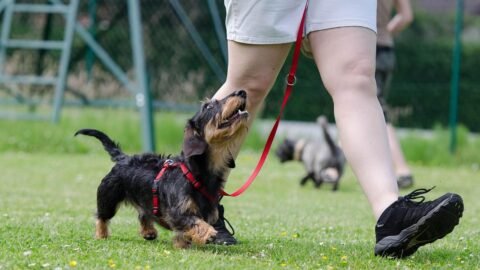
You know that feeling when you walk through the door and your dog leaps at you with wild excitement, paws on your chest, tail wagging like crazy? Most of us reflexively pet them, tell them how much we missed them, maybe even laugh at their enthusiasm. It feels natural, right?
Here’s the thing. That simple moment might be teaching your dog something you never intended. We spend so much time worrying about bad behaviors that we rarely stop to think about what we’re actually encouraging every single day. The truth is, many of the habits driving us up the wall weren’t born in a vacuum. They were quietly shaped by us, one innocent interaction at a time.
The Power of Attention (Even When You Think You’re Correcting)
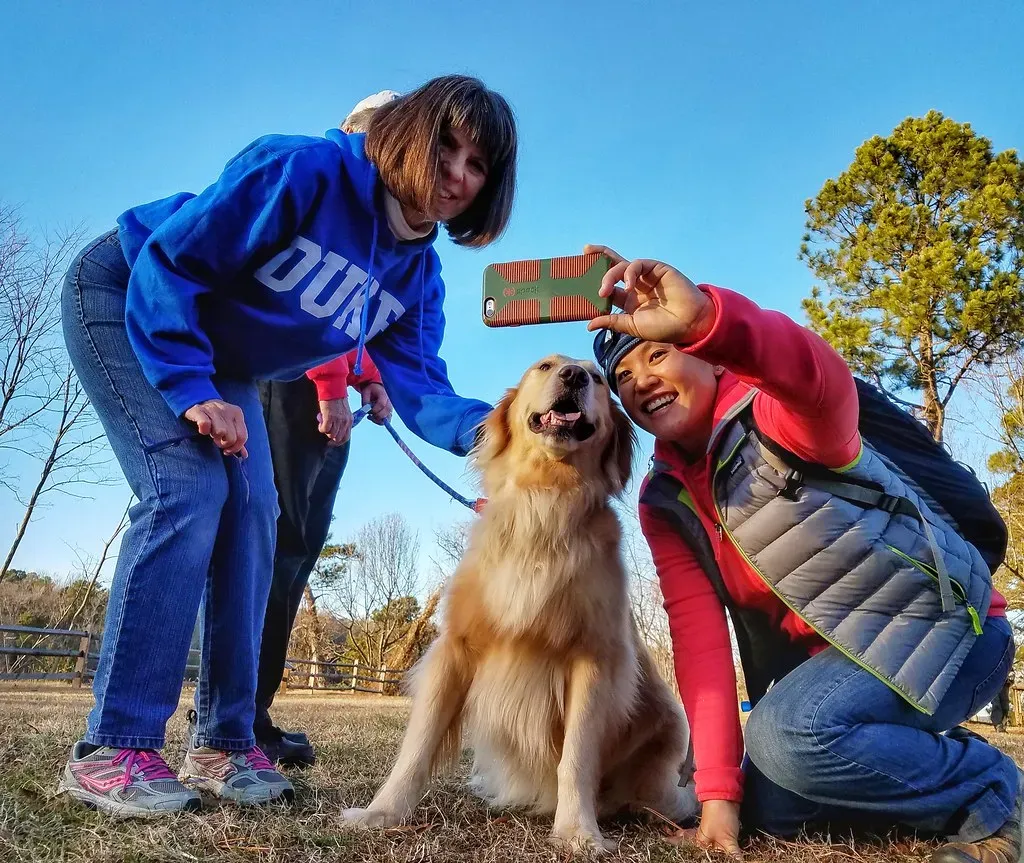
Your dog barks at the doorbell, and you yell back trying to quiet them, but they don’t understand what you’re saying – they just know that when they “yell,” you “yell,” and now everyone yells, which is a very fun reinforcing game. I know it sounds crazy, but your frustrated response might actually feel like a reward.
Even if you’re yelling at or scolding the dog when they’re jumping up or barking, what are you actually giving them? Exactly what they want – your attention. Dogs are social creatures who crave interaction. To them, any attention can sometimes feel better than being ignored.
Reprimands and corrections actually give the dog a tremendous amount of reinforcement and are often much more intense than praise, and since they have no idea why you get so animated, they’ll do it again and again. It’s not about being defiant. They’re just responding to what gets the biggest reaction from you.
This pattern sneaks into so many everyday moments. Your pup scratches at the back door, you rush over and let them in. They whine for food, you toss a piece of chicken. Giving any form of attention to a barking dog, a dog jumping up, or scratching at the door only serves to reward the behavior, and sometimes people even give food or pat the dog to calm them down.
Timing Is Everything (And We’re Usually Off)
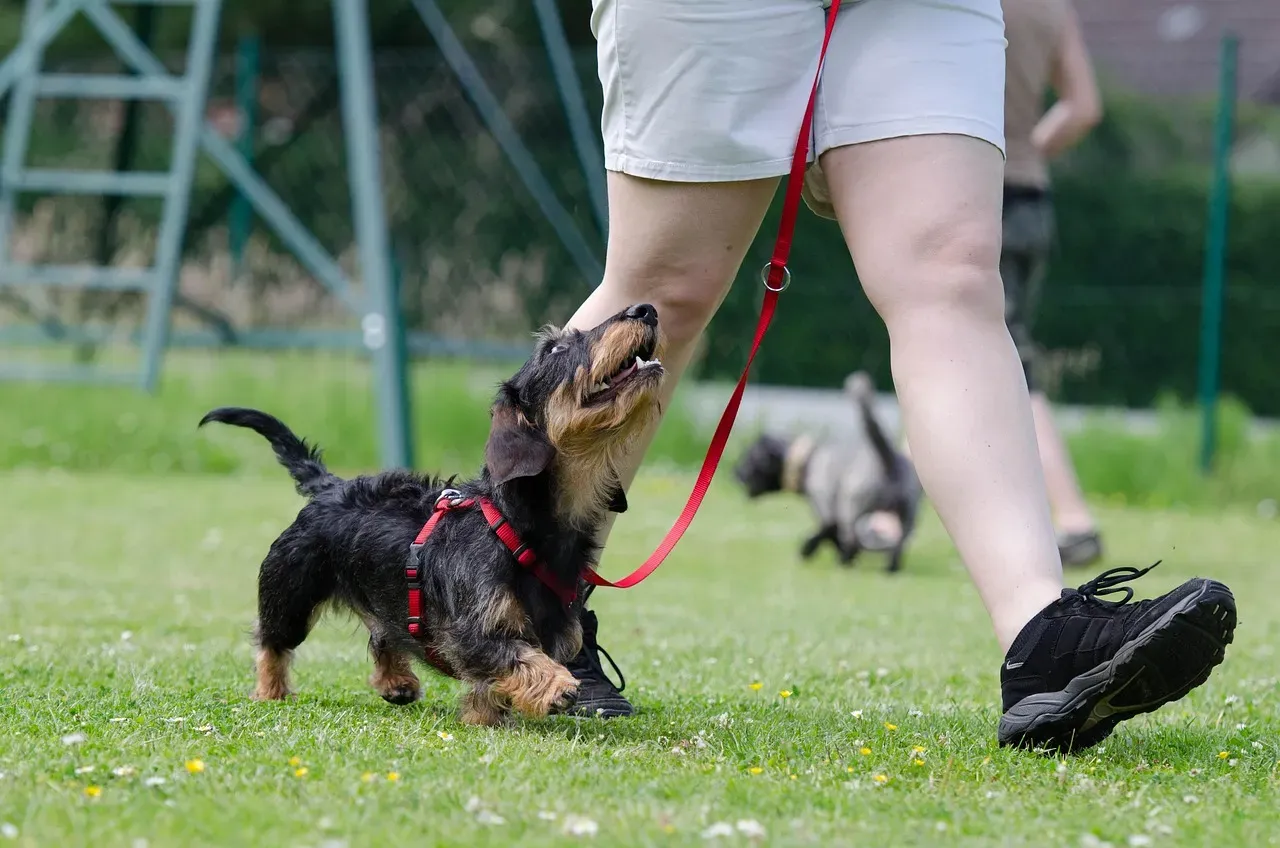
Let’s be real. Most of us don’t have perfect timing. We’re distracted, we’re tired, we’re juggling fifteen other things. Those rewards need to be given at exactly the right time, because if a treat isn’t given quickly, you could accidentally be rewarding another behavior.
Correct timing is essential when using positive reinforcement training, and the reward must occur immediately – within seconds – of the desired behavior, or your pet may not associate it with the proper action. Picture this: you ask your dog to sit, they sit, then immediately pop back up and jump. You hand over the treat. What did you just reward? The jumping.
Reinforcement must immediately follow the behavior, and if there is any delay, you run the risk of the pet engaging in another behavior while you are administering the reinforcement. It’s frustrating to realize, honestly. We think we’re being generous and clear, but dogs live in the moment. They link rewards to whatever’s happening right now, not what happened five seconds ago.
Even commands can accidentally become rewards. If you’ve told your dog to sit while they were jumping up over and over, they’ve learned a chain of behaviors: jump up first, then sit, and by cueing them to sit when they jumped, you effectively rewarded the jumping. Oops.
When “Being Nice” Backfires
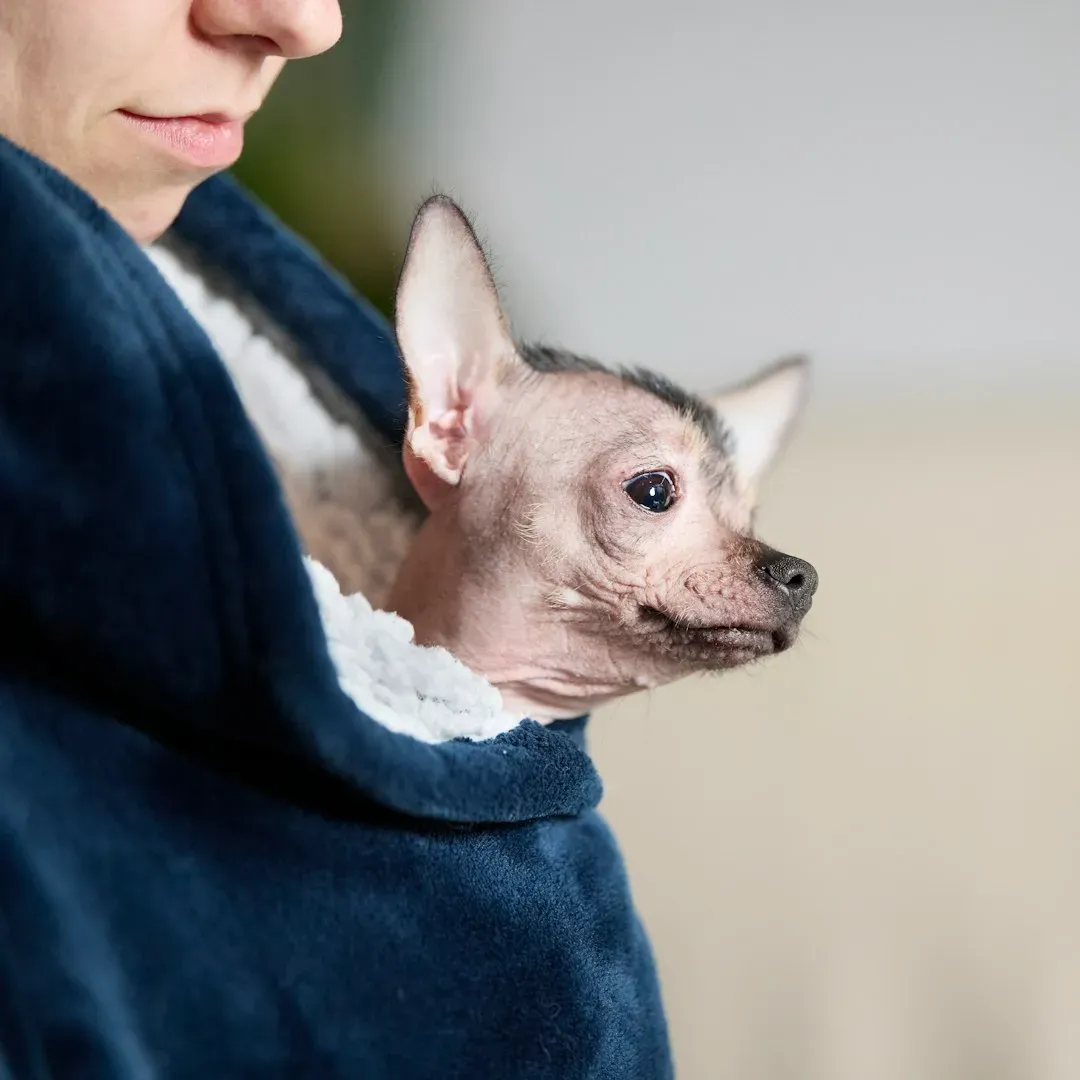
Affection is a reward and all rewards tell your dog that yes, you like that behavior or state of mind and you’d like to see more of it. You might think petting your trembling dog during a thunderstorm is comforting. In reality, you could be reinforcing their fear.
It’s really easy to accidentally reward your dog at the wrong moment and reinforce the wrong behavior, like sweetly telling your dog “it’s okay” while they’re afraid or petting them while they’re growling at strangers. Your kindness, your soothing words – they can unintentionally tell your dog that this anxious or aggressive state is exactly what you want.
Make sure you’re not accidentally rewarding your dog for bad behavior – if a dog is barking and you tell them no but then soothe them with a pat, you’re accidentally rewarding the behavior. It’s such a common mistake, and one most people make with the best intentions. We want to comfort. We want to help. Yet we end up making the problem stickier.
I think this is where so many people get stuck. They’re doing what feels emotionally right, not realizing dogs don’t process comfort the same way we do. They just know that when they act a certain way, good things happen. Treats appear. Voices soften. Hands stroke fur.
The Sneaky Habits We Build Without Realizing It
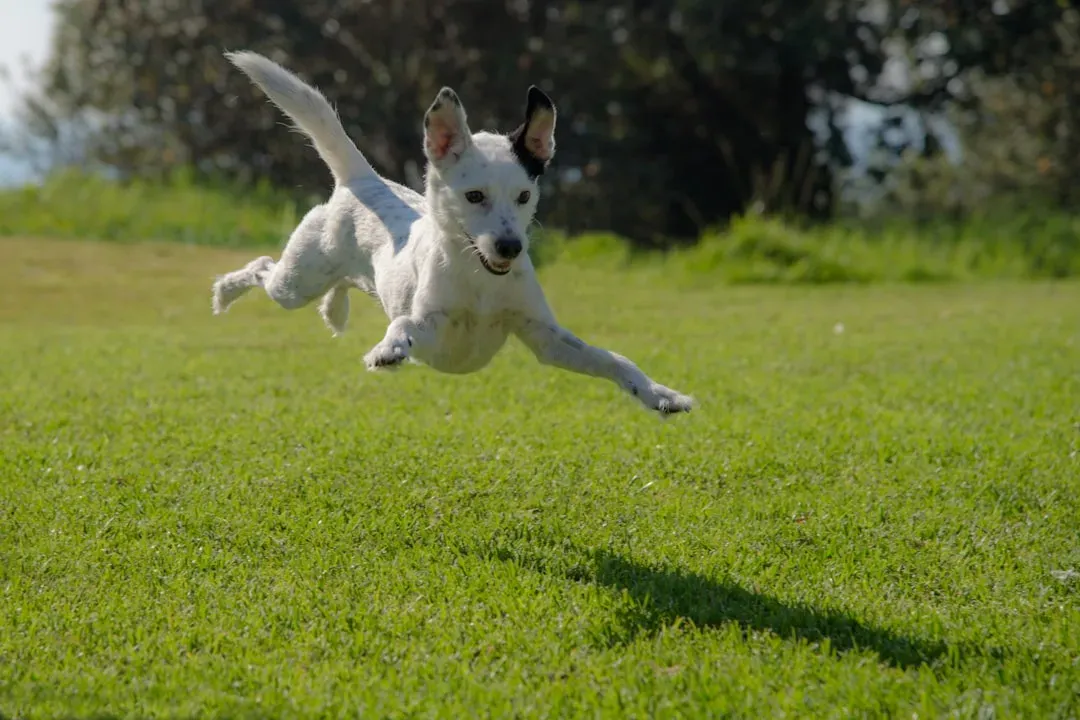
Some of the most common problem behaviors, like jumping up excitedly when anyone walks in, most likely began when you brought your dog home as a puppy, with all the patting and cuddling that went on as the puppy jumped all over everyone. Fast forward a year or two, and suddenly that sixty-pound dog launching themselves at guests isn’t so adorable anymore.
If you allow your dog to jump on you for a hug, you’re encouraging them to do the same to guests, and if you occasionally give in to those sad puppy eyes and sneak your dog a table scrap, you’re rewarding the behavior. Consistency sounds boring, I know. Yet it’s the difference between a dog who understands the rules and one who’s constantly testing boundaries because the rules keep changing.
Dogs whine and are fed scraps from the table, reinforcing that whining during mealtimes equals food, or the owner speeds up on a walk to keep up with a pulling dog, reinforcing that pulling on the leash equals more forward movement. Little moments. Small decisions. They add up quickly.
Reinforcement history refers to the frequency or number of times a behavior has been reinforced, and dogs thrive on routine, so the more they rehearse a behavior or the more it’s been reinforced, the more likely it is to be repeated. Every single time you respond in a certain way, you’re building that history.
Breaking the Cycle and Building Better Habits
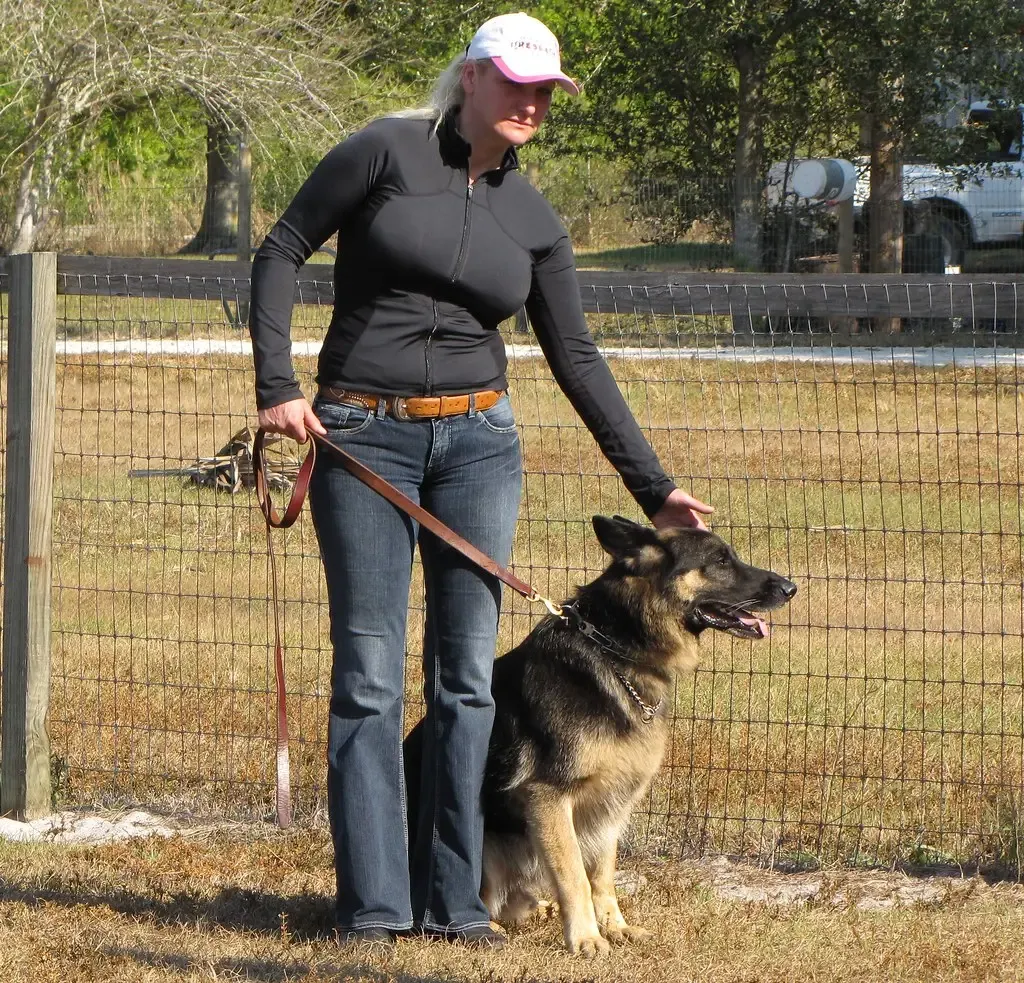
If you’ve accidentally built a reinforcement history for a behavior you don’t want, the easiest way to shift your dog’s behavior is to reinforce a different and incompatible behavior, and to do this, you need to get ahead of your dog’s behavior. This requires patience, planning, and a bit of detective work.
Reward and reinforce the puppy for calm behavior and teach an alternative behavior, like teaching them to sit when you enter a room and rewarding this, so it’s this response that is strengthened. Instead of just reacting when things go wrong, you’re actively shaping what goes right.
If you don’t want your dog to bark at the doorbell, set up training scenarios where you know someone will approach, have high-value treats ready away from the door, and when the doorbell rings, get your dog’s attention with treats and lure them to their bed. The more you practice, the more you’ll rebuild a new reinforcement history with this new behavior, and over time you’ll be able to change the behavior.
It’s hard work, let’s be honest. There’s no magic wand. Consistency is key to training, and you’ll need your family’s help and the help of any other people you and your dog encounter, because if you want your dog to stop begging, no one can feed them from the table. Everyone has to be on board. One person undermines weeks of progress.
Conclusion
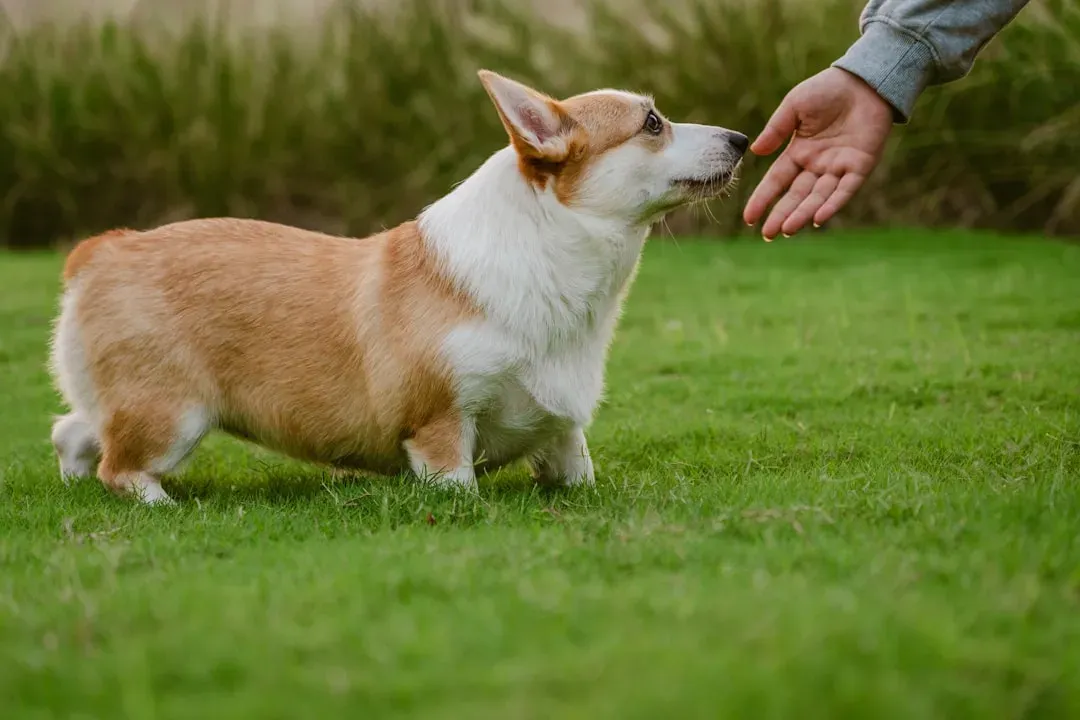
The dogs we love aren’t trying to make our lives difficult. They’re simply doing what works. What gets rewarded gets repeated, whether we intended it or not. The jumping, the barking, the whining – these behaviors exist because somewhere along the way, they paid off.
Good dog training is all about being mindful and thinking from the dog’s point of view, and you can best help them by making it more obvious how to choose the behaviors that get the reinforcement they crave. Once you start noticing your own patterns, you can change them. Pause before you pet. Wait for calm before you reward. Redirect instead of react.
Your dog is watching you just as carefully as you watch them. They’re learning from every interaction, every response, every moment of connection. With consistency, positive reinforcement, and patience, you can change your dog’s behavior, and when done with care and love, you may forge an even stronger bond.
What habits have you accidentally encouraged in your own dog? It’s worth thinking about. Maybe today’s the day you start building new ones together.


