

You know that moment when you grab your car keys and your dog’s entire demeanor changes? Maybe they start pacing. Maybe their ears droop. Or perhaps they follow you to the door with those big, soulful eyes that seem to say, “Please don’t go.”
It’s heartbreaking, isn’t it? Here’s the thing: not all dogs experience this intensity of distress when left alone. Some breeds are simply wired differently, carrying a genetic predisposition that makes solitude feel like a genuine emergency. Understanding whether your furry companion belongs to one of these more vulnerable breeds can help you recognize the early warning signs and take action before anxiety takes over their world.
Let’s explore how you can tell if your dog’s breed might be setting them up for separation struggles.
Understanding the Genetic Link Between Breed and Anxiety
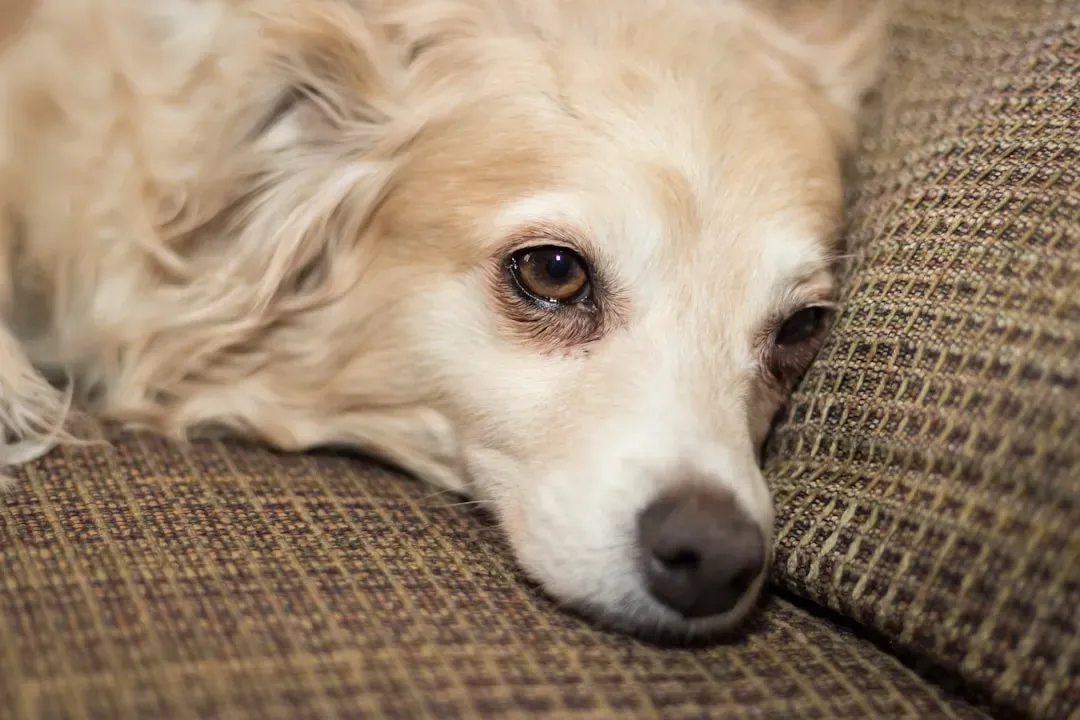
Certain breeds are more prone to anxiety due to their genetics and temperament, with factors like energy level, temperament, and trainability affecting a dog’s likelihood of having high separation anxiety. Think about it this way: we didn’t just breed dogs for how they looked. We bred them for specific jobs and temperaments.
Breeds developed over hundreds of generations to enjoy human companionship above all else, like Shih Tzus, Maltese, and toy poodles, likely have a predisposition to form closer bonds with humans and therefore struggle more when they aren’t around. It’s hard to say for sure in every case, but the science is catching up. Some evidence exists that at least in some breeds, genetic polymorphisms may increase the risk for the development of separation anxiety.
The breeds most often showing up in behavioral clinics tell their own story. According to research from Napo Pet Insurance, Dachshunds, Cockapoos, and Toy Poodles are the top three dog breeds predisposed to separation anxiety. Labrador Retrievers, being highly social, can struggle if left alone for long periods.
Recognizing Which Breed Types Are Most Vulnerable
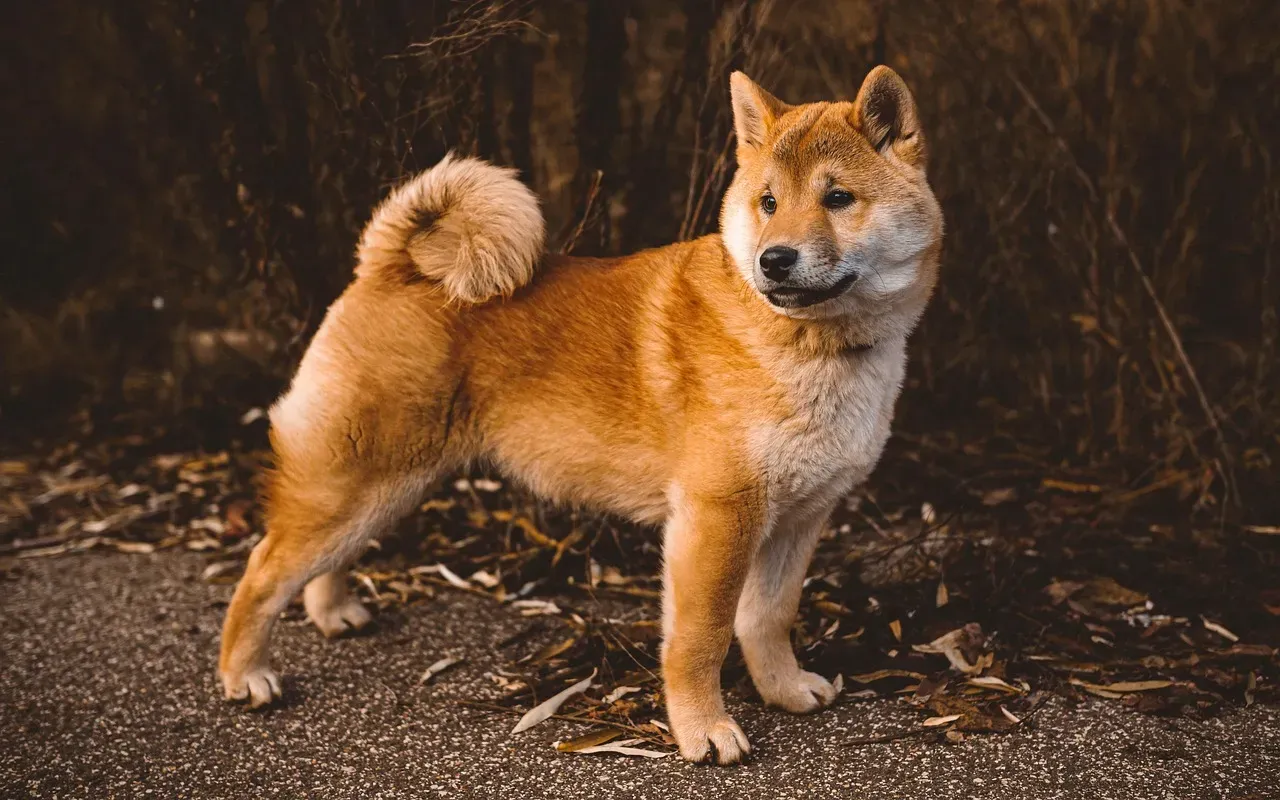
Not every breed faces the same separation anxiety risk. Let’s be real: companion breeds are often the poster children for this condition. Small companion dogs like Chihuahuas and Poodles may develop anxiety due to their attachment to humans. They were literally bred to be with us constantly.
Herding breeds like Border Collies and Australian Shepherds are highly sensitive and intelligent, which can lead to over-alertness and anxiety. Their big brains need constant stimulation. Border Collies can become bored without mental stimulation, and leaving them alone can lead to boredom, separation anxiety, and destructive behavior.
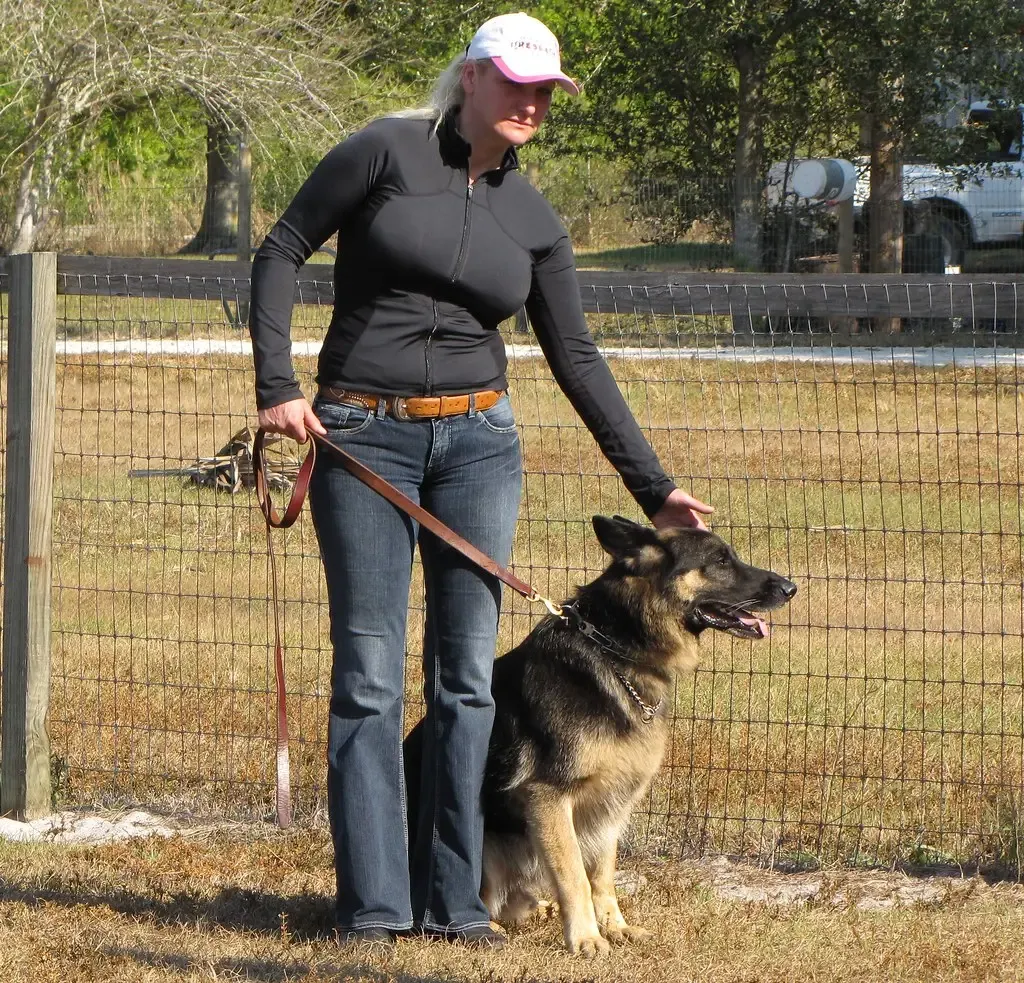
Guarding breeds like German Shepherds or Dobermans are naturally protective, which can make them anxious in unfamiliar or uncontrollable situations. Then there are the hunting breeds. Beagles are hunting dogs with a strong pack instinct and simply aren’t built for being alone, being both active when young and prone to loneliness.
Spotting the Behavioral Red Flags Early
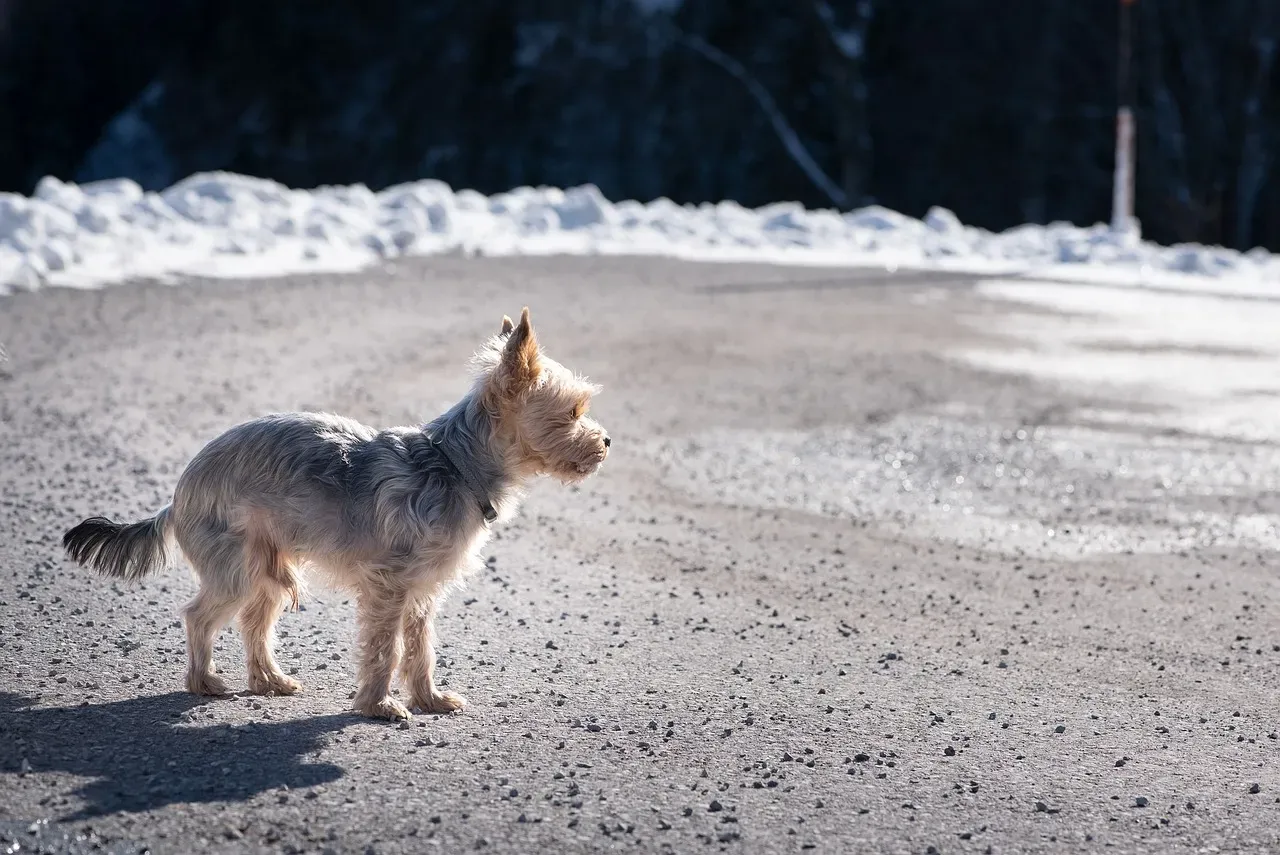
Okay, so you suspect your breed might be prone to separation anxiety. What exactly should you watch for? Dogs might urinate, defecate, bark, howl, chew, dig or try to escape. These aren’t just annoying behaviors; they’re distress signals.
Usually, right after a guardian leaves, a dog with separation anxiety will begin barking and displaying other distress behaviors within a short time – often within minutes. Pay attention to what happens before you even walk out the door. If you are preparing to leave, the dog might follow you from room to room, or show signs like pacing, excessive salivating, vomiting, barking, howling, or whining.
Here’s something crucial: true separation anxiety isn’t about boredom or lack of house training. When problems are accompanied by other distress behaviors such as drooling and showing anxiety when pet parents prepare to leave the house, they are indications that the dog has separation anxiety. Sometimes the signs are quieter. Some breeds are under-represented in separation anxiety cases because they are stoic and may be quietly panicking in a way that doesn’t cause the same inconvenience.
Evaluating Your Dog’s Individual Risk Factors
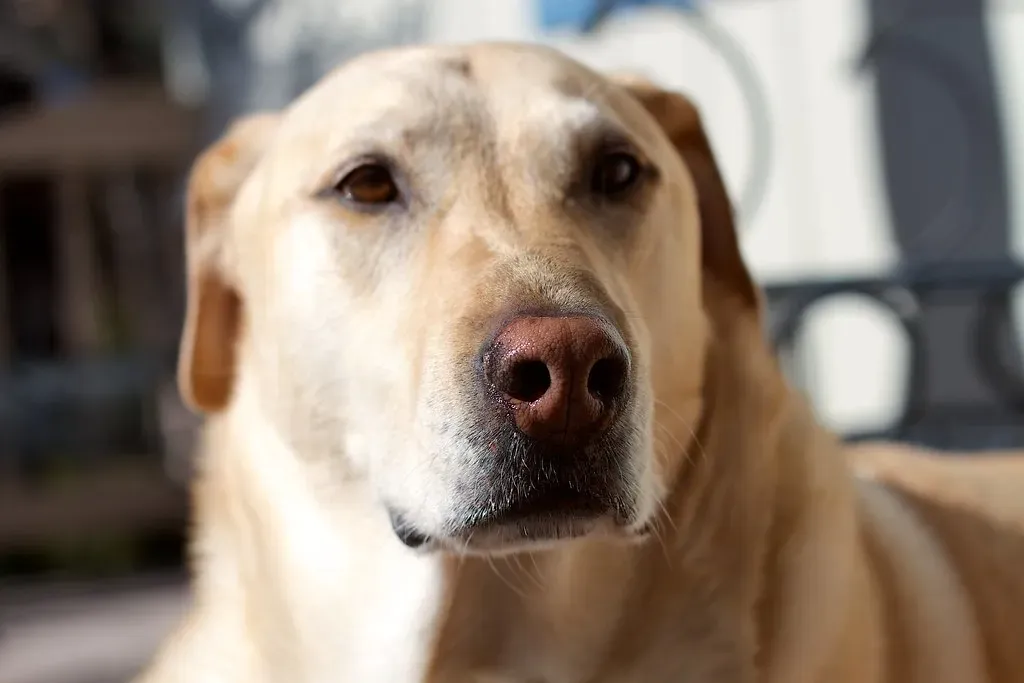
Even within high-risk breeds, not every dog will develop separation anxiety. So what else matters? The exact cause of separation anxiety in dogs is not usually known, but genetic and environmental factors or early negative experiences in a pup’s life may contribute. Your dog’s history plays a massive role.
Overbreeding and poor socialization can play a role in being clingy or having high separation anxiety, with dogs from irresponsible breeding practices potentially inheriting anxious traits. Some dogs in their prime may start having alone-time issues after a move or a death in the family, while others develop it suddenly for no obvious reason.
Gender and age can also influence things. Male dogs were more prone to aggression, hyperactivity, and separation-related behavior, while females had a higher prevalence of fearfulness. It’s also important to note that separation anxiety can develop at any age. I know it sounds crazy, but sometimes a perfectly content senior dog can suddenly develop anxiety after years of being fine alone.
Taking Preventative Steps Based on Breed Predisposition
If you’ve determined your breed is at higher risk, what can you do about it? Prevention is honestly your best friend here. Puppies should be well socialized with other animals and people, and need to learn how to have alone time and amuse themselves with their toys. Start this early, even when they’re tiny.
While separation anxiety in dogs can be treated, the process requires time, consistency, and patience, often involving a combination of behavior modification techniques, environmental adjustments, and sometimes professional help. Exercise is non-negotiable. Regular physical activity helps release excess energy and promotes overall well-being, with activities such as daily walks, interactive play sessions, and engaging games helping reduce anxiety levels.
Mental stimulation matters just as much. Mental stimulation is equally important for dogs prone to separation anxiety, as engaging activities that challenge their mind not only tire them out but also boost their confidence and reduce stress levels. Establishing a consistent routine is essential for dogs prone to separation anxiety, as dogs thrive on predictability and structure, with a set daily schedule helping alleviate anxiety by providing a sense of security.
Conclusion: Knowledge Is Your Greatest Tool

Understanding your dog’s breed predisposition to separation anxiety isn’t about labeling them as “problematic” or limiting what they can achieve. It’s about being prepared, informed, and compassionate. Not every dog within these breeds will develop separation anxiety, as socialization, training, environment, and individual personality also play a significant role.
Your breed-prone pup isn’t doomed to a life of distress. With early intervention, consistent training, and sometimes professional support, most dogs can learn to tolerate or even enjoy their alone time. The key is recognizing the signs early and responding with patience rather than frustration. Remember, your anxious dog isn’t giving you a hard time; they’re having a hard time.
What steps have you taken to help your dog feel more comfortable when you’re away? Share your experiences in the comments below.


