
Let’s be honest here. We all dream of that perfect family dog, don’t we? The one who’ll patiently sit through chaotic birthday parties, tolerate sticky toddler hands, and somehow manage to stay calm when the kids turn living room playtime into absolute mayhem. That magical creature exists in many breeds, honestly. Golden Retrievers, Beagles, and Labs have earned their reputations for good reason.
However, not every dog is cut out for family life. Some breeds were simply designed with different purposes in mind. They might be incredible working dogs, loyal companions to experienced handlers, or perfect for single adults or couples. The problem arises when families with young children bring home a breed that just doesn’t mesh well with the unpredictable energy and chaos of kid life. I think it’s crucial to understand these mismatches before they happen, because it’s heartbreaking for everyone involved when things don’t work out.
This isn’t about labeling any breed as “bad.” Every dog deserves love and a home that fits their needs. Still, certain breeds consistently show behaviors that make them challenging in busy family environments. Let’s explore six breeds, both big and small, that often struggle with the demands of family life.
The Tiny Terror: Chihuahua
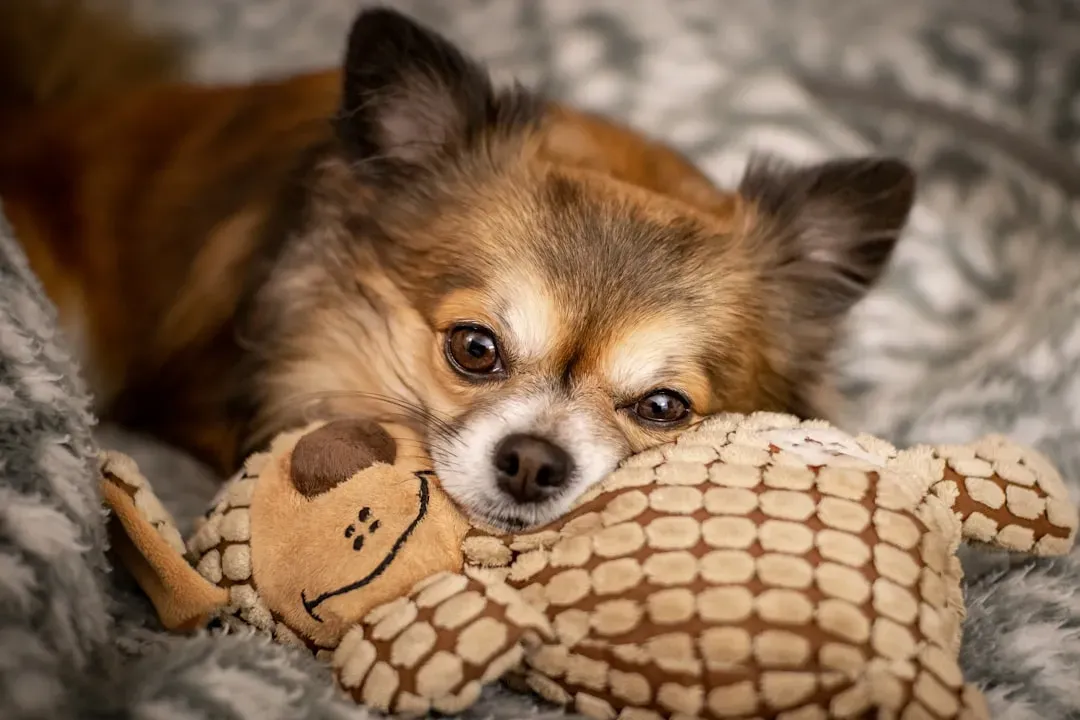
Chihuahuas can be affectionate with their owners, but they generally don’t do well with young children. These pint sized pups pack enormous personalities into bodies that weigh less than most house cats. They are potential bite risks for small children, especially if they feel a child is invading their space, can be very moody, and will show it by nipping if they aren’t in the mood for kids.
These tiny dogs shouldn’t engage in roughhousing, as they can be easily injured, and they can get defensive around children too young to understand boundaries. Their fragile bones mean even gentle play from a rambunctious toddler could cause serious injury. Chihuahuas may show defensive aggression if mishandled, making them nervous around the sudden movements and loud noises that naturally come with kids.
The Stoic Guardian: Akita
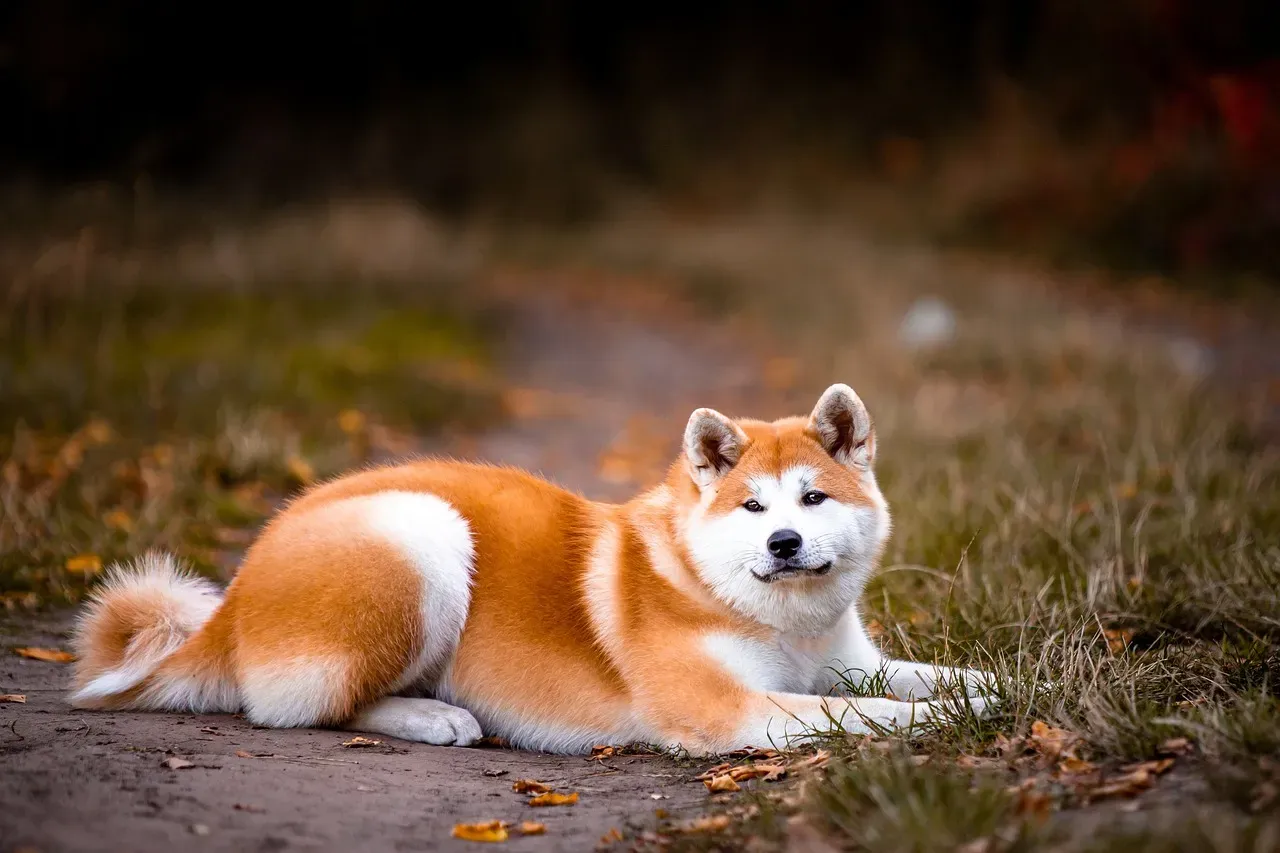
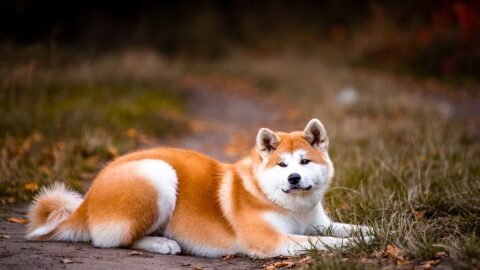
The Akita is a dignified Japanese dog that is extremely loyal, confident, and energetic. These magnificent dogs form incredibly deep bonds with their families. The challenge? Because Akitas are stern and somber, they don’t tolerate silliness or teasing very well, and if they think the children are being too erratic, they might not respond appropriately.
Here’s where things get tricky. If kids have friends over and they start roughhousing, your Akita may take it as a sign that their family is in danger, and they can respond viciously. That protective instinct, while admirable, becomes a liability when you can’t have playdates without worrying. They do not get along well with other dogs, and due to their protective nature, Akitas are not friendly around strangers.
The Aloof Ancient: Chow Chow
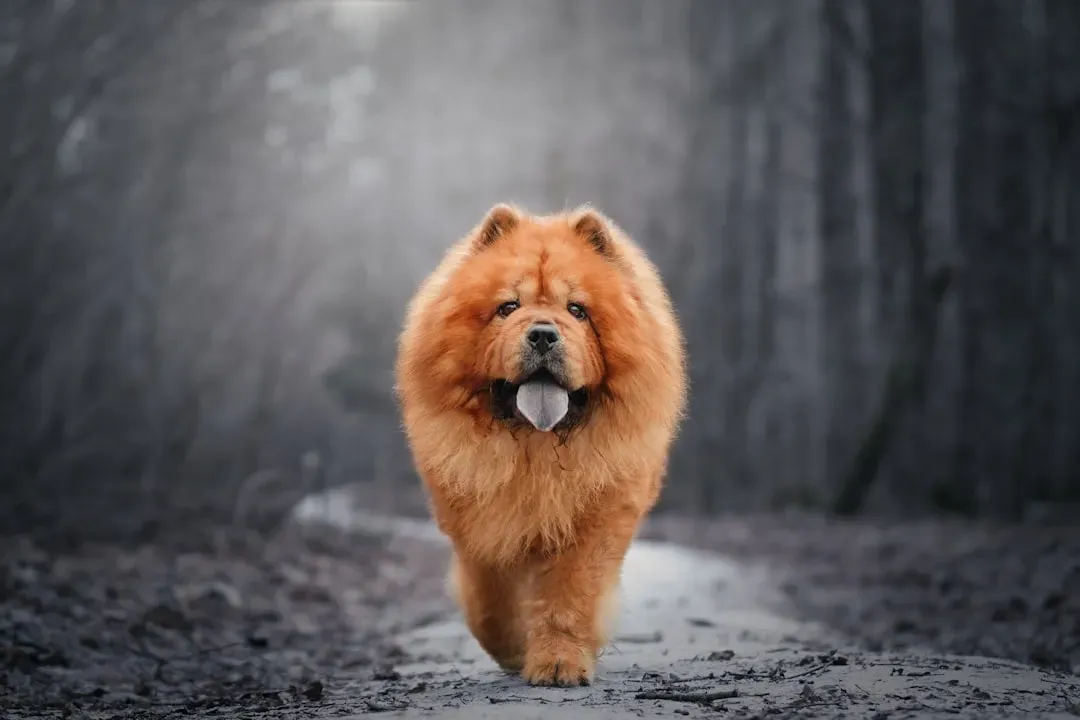
Aloof, serious, and intelligent, the chow chow is a unique breed with ties to ancient China, and they are affectionate with their humans but don’t get along well with other pets or young children. That fluffy lion mane might look cuddly, yet these dogs are anything but teddy bears in temperament.
While they are not generally an aggressive breed, chow chows may react badly to children yelling, being rough, and running around, and these dogs are also not very playful and have little patience. Think about typical kid behavior for a moment. Running, shrieking, sudden movements. Everything a Chow Chow finds irritating. Chows don’t like being messed with if they aren’t in the mood, and if they are lying down napping and a hyper child is bugging them, they may react unfavorably.
The Powerful Protector: Rottweiler

Rotties are loving, loyal, and eager to please, and while they can be courageous guard dogs, they have a silly and playful demeanor, and absolutely adore their owners. So what’s the issue? This breed requires early training and socialization to prevent aggressive behavior, and that’s a massive commitment for busy parents.
Some Rottweilers can be very loving and doting, but they are also muscular and thick, and your child might be a tripping hazard, plus a Rottweiler that isn’t fully trained yet might drag around kids on the leash. Their size alone poses risks. Since Rotties are big dogs, they mature slowly, making puppyhood last forever, long before they grow into their own feet, so you might have a constant battle of deciding which is worse, your puppy or kids.
The Reserved Runner: Greyhound
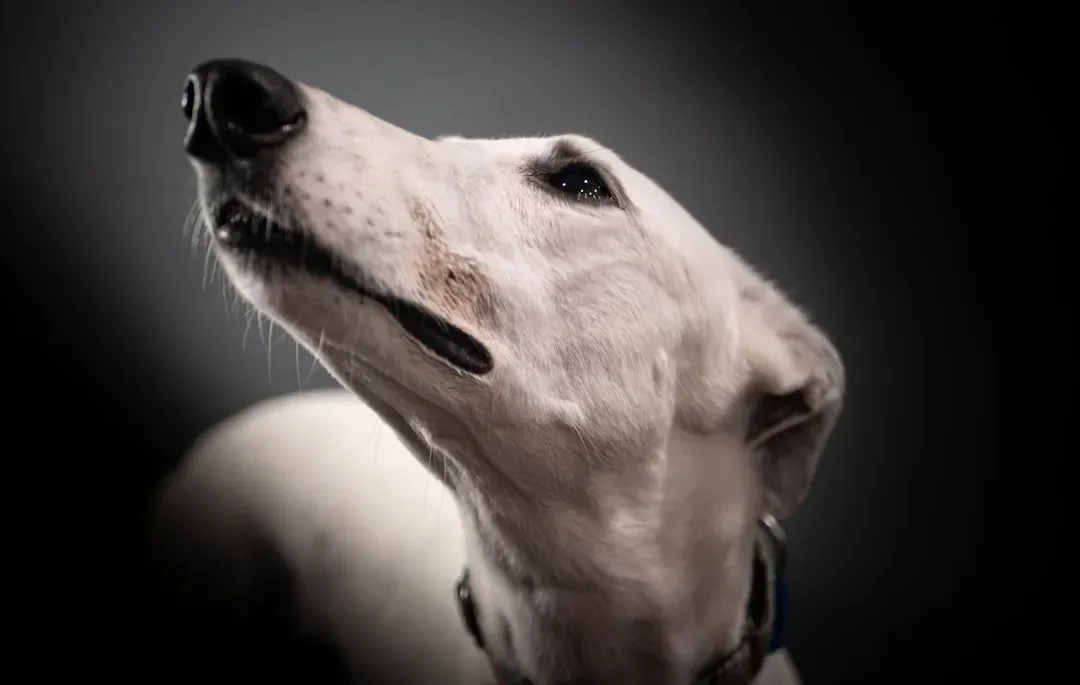
Greyhounds surprise many people on this list. Greyhounds are very pleasant, composed dogs with reserved personalities and are also one of the fastest runners of the canine kingdom, but while they make tremendous companions for older kids, they might not do so well with little ones. These elegant sight hounds are often retired racers looking for calm, peaceful homes.
Greyhounds don’t enjoy chaos or erratic behavior, and a small child might startle a Greyhound often, which can lead to nervous tendencies and potential biting, though they aren’t aggressive dogs, they do spook easily. Imagine a toddler suddenly running around a corner while a Greyhound naps. That startle response can trigger defensive snapping. Italian greyhounds, in particular, are very fragile, so rough children can accidentally injure them.
The Massive Guardian: Tibetan Mastiff
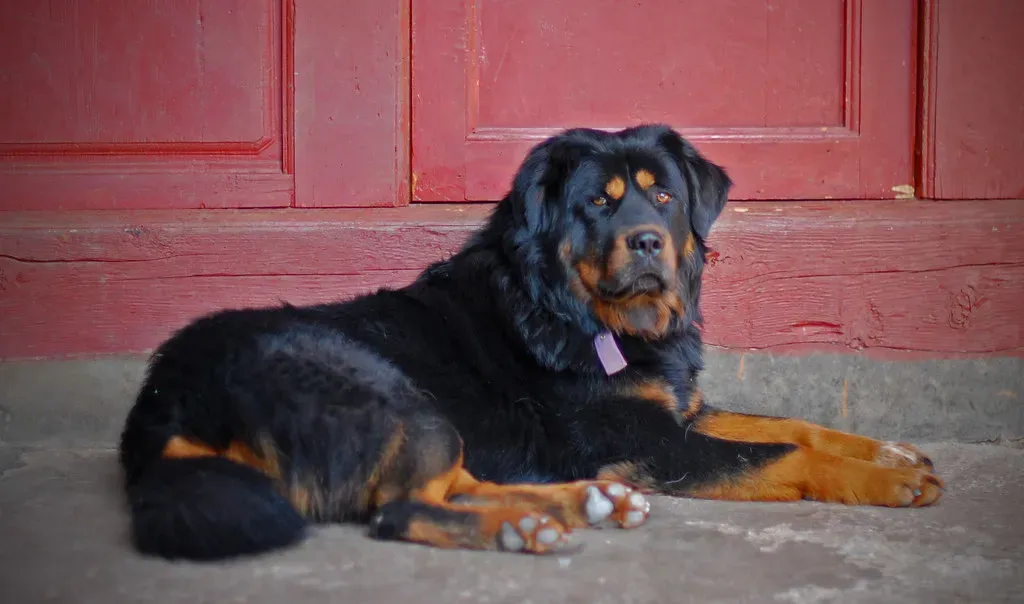
The Tibetan mastiff is self-willed, intelligent, and vigilant, and these dogs can be reserved and territorial and are natural guardians of their owners and property. These absolutely enormous dogs were bred to protect livestock from predators like wolves and leopards in the Himalayas. That should tell you something about their temperament right there.
While these qualities can be excellent for some, others, especially those with young children, may have difficulty with their personalities, and they can be affectionate with their families, but they are not friendly with strangers and can be skeptical around other dogs. This breed must be socialized early if you plan on keeping it in a social and family environment. Their independent nature and strong guarding instincts make them unsuitable for the typical family lifestyle filled with neighborhood kids, visitors, and playdates.
Final Thoughts
Choosing a dog for your family shouldn’t be taken lightly. Every breed mentioned here can be a wonderful companion in the right home. The key phrase there is “right home.” Most dogs can be great family pets with the right training and socialization, especially when done early, yet some breeds require levels of experience, time, and specific environments that busy families with young children simply cannot provide.
It’s not fair to the dog or the children to force a mismatch. Dogs deserve homes where they can thrive, not just survive. Children deserve to grow up with pets who enhance their lives, not create constant stress and worry. Before bringing any dog home, honestly assess your lifestyle, your children’s ages and temperaments, and whether you have the resources to meet that specific breed’s needs.
What surprised you most about this list? Did you expect to see any of these breeds here?


