

You’ve probably heard it before. That age-old phrase about “fighting like cats and dogs.” It’s not just a saying that got pulled from thin air. There’s real truth behind it, and honestly, if you’ve ever lived with both, you know exactly what I’m talking about.
Maybe your dog seems to lose all sense when a cat walks by. Or perhaps your neighbor’s friendly pup turns into a different creature the moment your kitty steps into view. Here’s the thing. Not all dogs are wired to see cats as friends. Some breeds are just naturally more… let’s say, challenged when it comes to feline friendships. But why? What makes certain dogs view cats as anything but housemates?
Let’s dive in.
That Ancient Hunting Instinct Never Really Goes Away
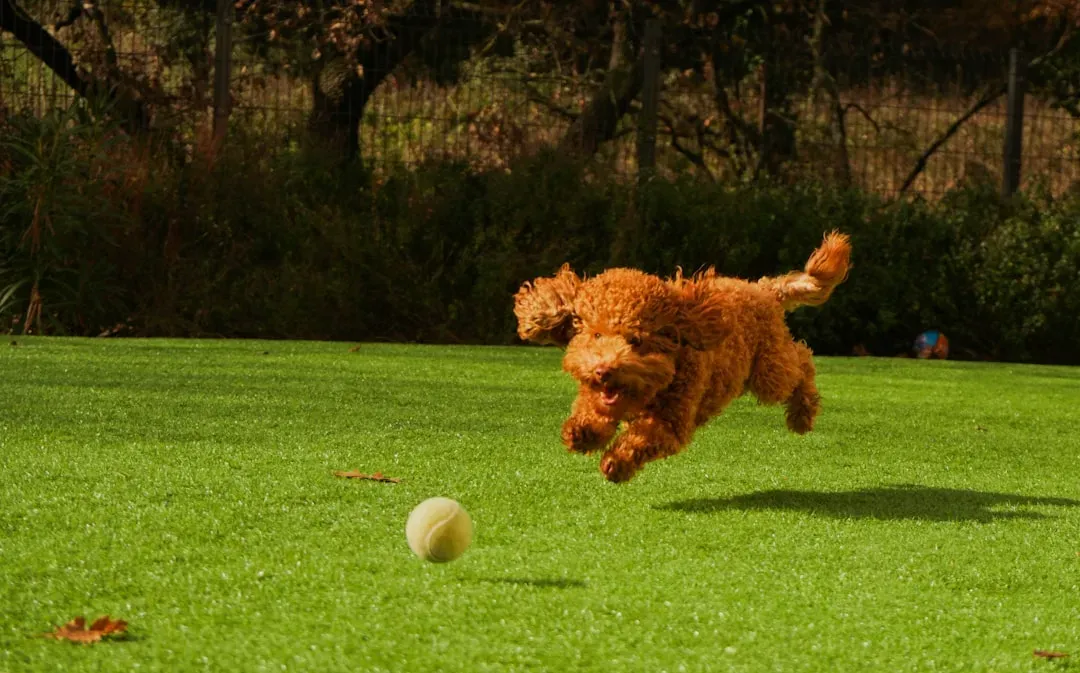
Some dogs are born chasers. Prey drive in dogs is a natural desire to chase and catch moving objects, whether that’s a cat, a squirrel, or even a tennis ball. This isn’t aggression. It’s instinct, plain and simple. Wolves are predators that rely on hunting, capturing, and killing prey in order to eat, and while domesticated dogs no longer have the same need to hunt for food, the instinct to chase and catch remains.
Terriers, hounds, and certain herding breeds were literally bred for jobs that required chasing. As people began selectively breeding dogs for specific roles – such as hunting, herding, or retrieving – they intentionally enhanced certain aspects of prey drive to suit different jobs, and as a result, some breeds are more hardwired to chase or stalk, while others have more subdued prey instincts. Think about Greyhounds, Beagles, or Jack Russell Terriers. They were designed to pursue small, fast-moving creatures. Your cat? Well, your cat fits that description perfectly.
A dog’s prey drive is triggered by movement, and things that quickly move past or away from him like balls, children playing, joggers, bicyclists, speeding cars and running cats, get an immediate reaction from your dog because nature programmed him to chase moving creatures. Even if your dog knows the cat well, the second that feline bolts across the room, that primal switch flips. It’s hard to say for sure, but this might be the single biggest reason dogs and cats clash.
Prey drive is a very instinctual behavior, so if your dog has it, you’re not going to successfully “train it out” of your dog as you might for other behaviors – and you should plan accordingly. Management and redirection become key, not elimination.
They Missed the Critical Socialization Window
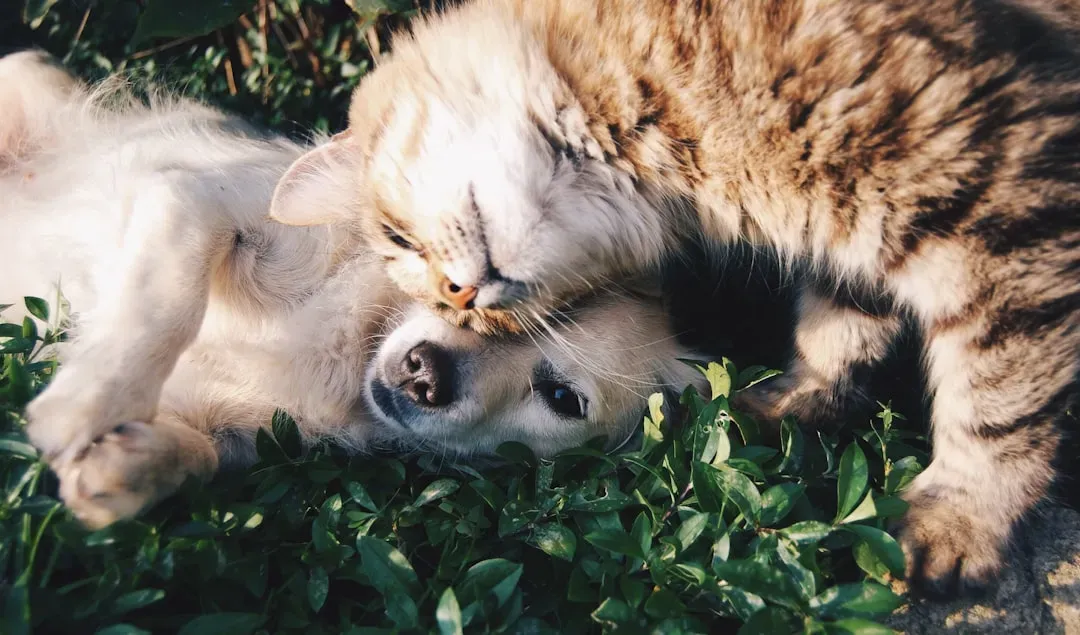
The best time to start the socialization process is between 3 and 14 weeks of age for puppies, and 3 and 9 weeks of age for kittens – when the animals are most open to learning about their environment, their littermates, people, and other animals of the same or different species. Miss this window, and you’re working uphill. Socializing puppies and kittens early within the socialization developmental period has been shown to decrease fear, aggression, and anxiety of new people, animals, or situations, while pets not properly socialized often have an increased sensitivity to new experiences and are often fearful of people or other animals, even within their own species, which can result in avoiding people or other animals, anxious behaviors, or even hostility or violence towards others.
Let’s be real. If your puppy never encountered a cat during those crucial early weeks, the chances of a smooth relationship later drop significantly. Most puppies will love a cat when introduced properly, but it may be a different story when your little puppy is two years old, and an adult dog that meets a cat for the first time may instantly consider the cat to be prey and this can lead to disastrous results. I’ve seen it happen. A dog who’s been around only dogs suddenly meets a cat at three years old, and confusion or fear turns into reactivity.
Socialization isn’t just about exposure. It’s about positive exposure. The quality of those early interactions matters just as much as the quantity. Puppies who had scary or overwhelming experiences with cats may carry that anxiety into adulthood, making peaceful coexistence nearly impossible.
Territorial Instincts Make Everyone a Potential Threat
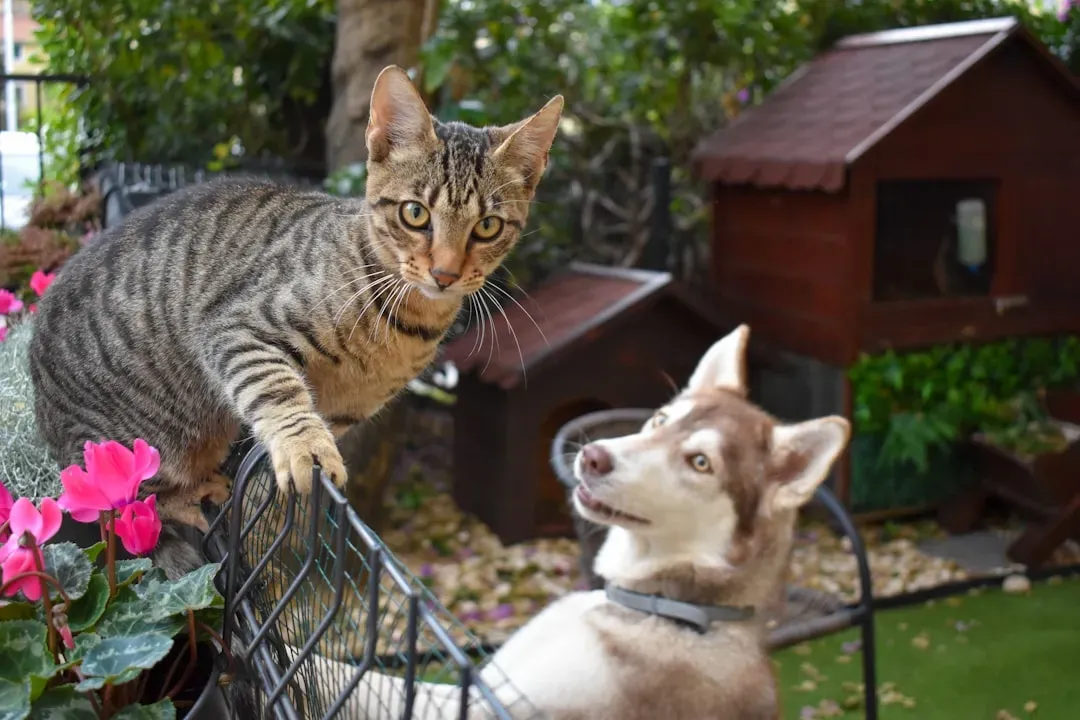
Territorial behaviors are a survival instinct, and guarding territory and hoarding resources like food, toys, and other items they value are behaviors that have been engrained in dogs for centuries because having these resources improves their odds of survival. Your home is your dog’s kingdom. Every corner, every couch cushion. When a cat enters that space, some dogs interpret it as an invasion.
While most forms of territorial aggression are likely to occur on the property, some dogs may protect areas where they are temporarily housed, and may protect family members regardless of the location. Cats have a strong sense of territory, and they carve out their own spaces and can see any intrusion, like your dog’s presence, as a challenge to their domain, and to your cat, her territory is her sanctuary, where she calls the shots. So it works both ways, honestly.
A clash happens when these territories overlap or are not defined. If your dog thinks the living room is his alone and the cat decides to nap on the sunny spot by the window, trouble can brew. Without clear boundaries and gradual introductions, territorial disputes become the norm rather than the exception.
They Literally Speak Different Languages
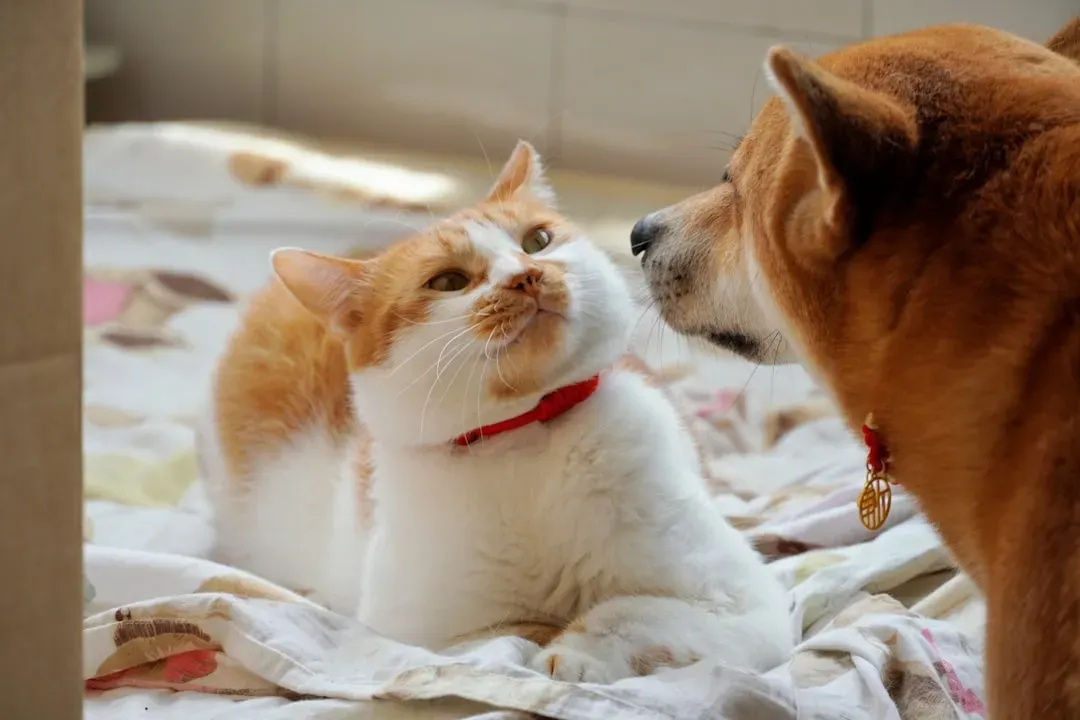
This one’s fascinating. Dogs and cats don’t communicate the same way at all. The problem may be that the two species don’t always speak the same language, and cats and dogs communicate – with us and with each other – through body language. The issue? The signals don’t always translate.
Friendly dogs wag their tail loosely back and forth at medium height, but when a cat’s tail begins to wag back and forth, an unfriendly encounter or predatory attack is likely to occur. See the confusion? A dog approaches with what he thinks is a friendly gesture, and the cat reads it as a threat. Tail positioning is different too: for dogs, a tail held high and moving quickly can mean aggression or excitement and a level relaxed tail can mean calmness and friendship, but for a cat it’s the opposite – a tail held high can signal friendship, while a lowered tail can signal trouble.
When a dog greets another dog, he/she will walk behind and sniff, but a cat greets by sniffing the face, and this can present a conflict for both the dog and cat when first meeting. The misunderstandings pile up. One species thinks it’s being polite, the other feels disrespected or threatened. Over time, these miscommunications can snowball into genuine conflict.
Poor First Impressions Set a Bad Tone

First meetings matter. A lot. An improper introduction can set the stage for future hostility, and when you bring a new pet into the home, keeping the first meeting controlled and brief can make a big difference – trust us; slow and steady wins this race. Throwing a dog and cat together without preparation? That’s asking for trouble.
I know it sounds crazy, but even one bad experience can cement a dog’s negative association with cats for years. Dogs that have already undergone a traumatic encounter with a cat, say getting scratched as a puppy, might start developing a lasting fear or defensive aggression, and the dogs have a strong memory to recall the experience while acting out to protect themselves against the perceivable threat, even if the present cat poses no danger.
The solution? Gradual, positive introductions. Let them smell each other’s scents through closed doors first. Use baby gates so they can see each other without direct contact. Reward calm behavior. It takes patience, sure, but rushing the process almost always backfires. Remember, you’re setting the foundation for a relationship that could last a decade or more.
Some Breeds Are Just Hardwired for Conflict
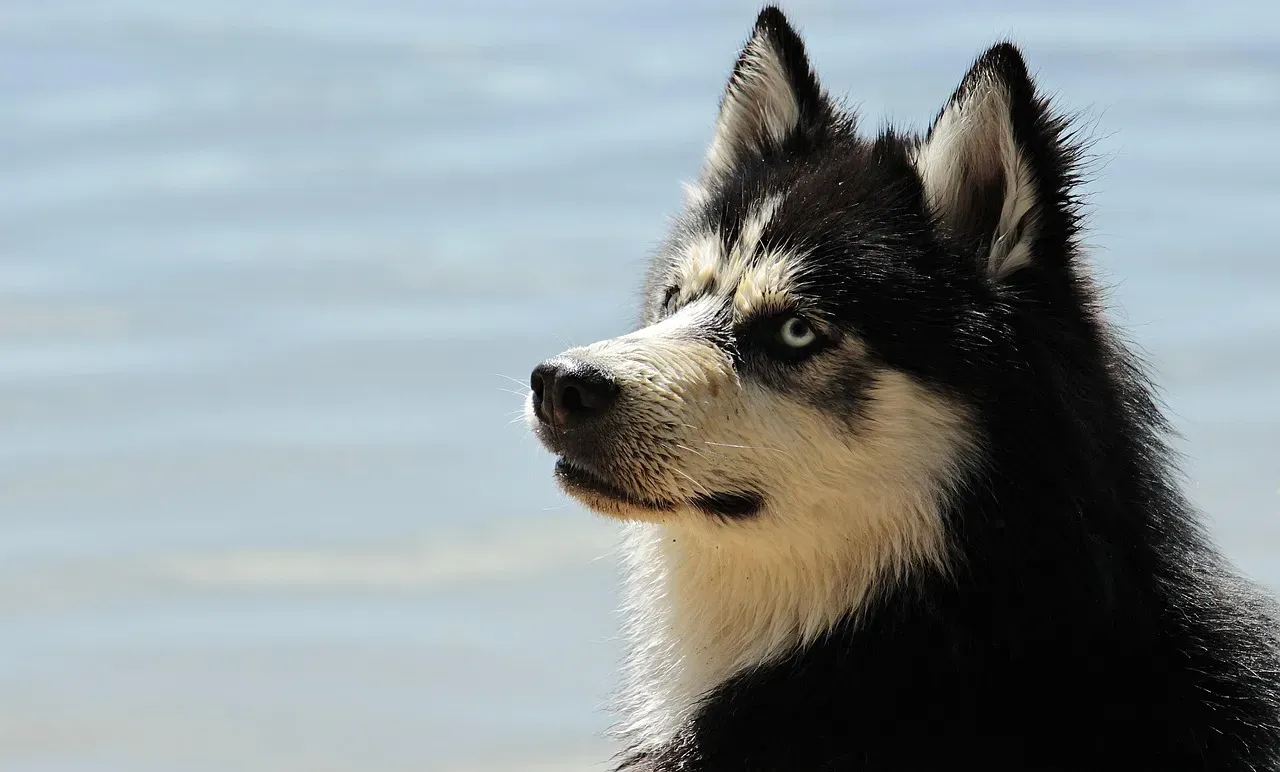
Not all dogs are created equal when it comes to cat compatibility. Today’s Huskies still love to chase – and they’re not picky about the target, and squirrels, rabbits, cats, even a rogue leaf blowing across the yard – if it moves, it’s fair game. Certain breeds were developed with traits that make peaceful coexistence with cats significantly harder.
Some working group breeds, such as Siberian huskies or boxers, although not specifically bred for hunting or herding, nevertheless possess a strong prey drive and may require close supervision around smaller pets. Breeds like Afghan Hounds, Beagles, Terriers, and Australian Cattle Dogs often have higher prey drives. Breeds like Mastiffs, Great Pyrenees, and Bulldogs tend to have lower prey drives.
This doesn’t mean a Husky and a cat can never live together. It means you need to be realistic about the work involved. Some dog-cat pairings require constant management, training, and supervision. Others? They click naturally. Understanding your dog’s breed tendencies helps set realistic expectations and prepares you for the road ahead.
Conclusion

Dog and cat relationships don’t have to be impossible. Even breeds with high prey drives or territorial instincts can learn to coexist with cats under the right conditions. Early socialization, proper introductions, understanding body language differences, and managing your dog’s natural instincts all play crucial roles in building harmony at home.
Here’s the thing. Some dogs will never be cat-friendly, and that’s okay. Knowing your dog’s limitations keeps everyone safe. Other dogs surprise us with their adaptability and gentleness. The key is patience, consistency, and realistic expectations. Not all cats and dogs are a good match, and certain dog breeds may have a high prey drive or be prone to territorial aggression, making it difficult for them to coexist peacefully with a cat, so making sure both pets stay safe should always be the top priority, with the goal of setting up the environment to avoid both cat and dog aggression, and with careful management and controlled exposures, cats can usually learn to co-exist happily alongside their canine housemates.
What’s your experience been with dogs and cats living together? Did your pets surprise you, or did things go exactly as you expected? Share your thoughts in the comments below.


