

You know that moment when your dog looks at you after you’ve called them for the third time and just… doesn’t budge? Your frustration builds. You call again, louder this time. Still nothing. It’s so easy in that moment to think they’re being stubborn, defiant, or just plain difficult. I get it. I’ve been there too, standing in the yard feeling ignored and frankly, a bit foolish.
Here’s the thing. What looks like stubbornness is almost never what it seems. Your dog isn’t plotting against you or testing your patience for fun. In fact, they’re probably trying desperately to communicate something you’re missing. Whether it’s confusion, discomfort, fear, or even pain, there’s always a reason behind the behavior we label as stubborn. Understanding what your dog is really saying can transform your relationship and make life better for both of you.
They Don’t Actually Understand What You’re Asking
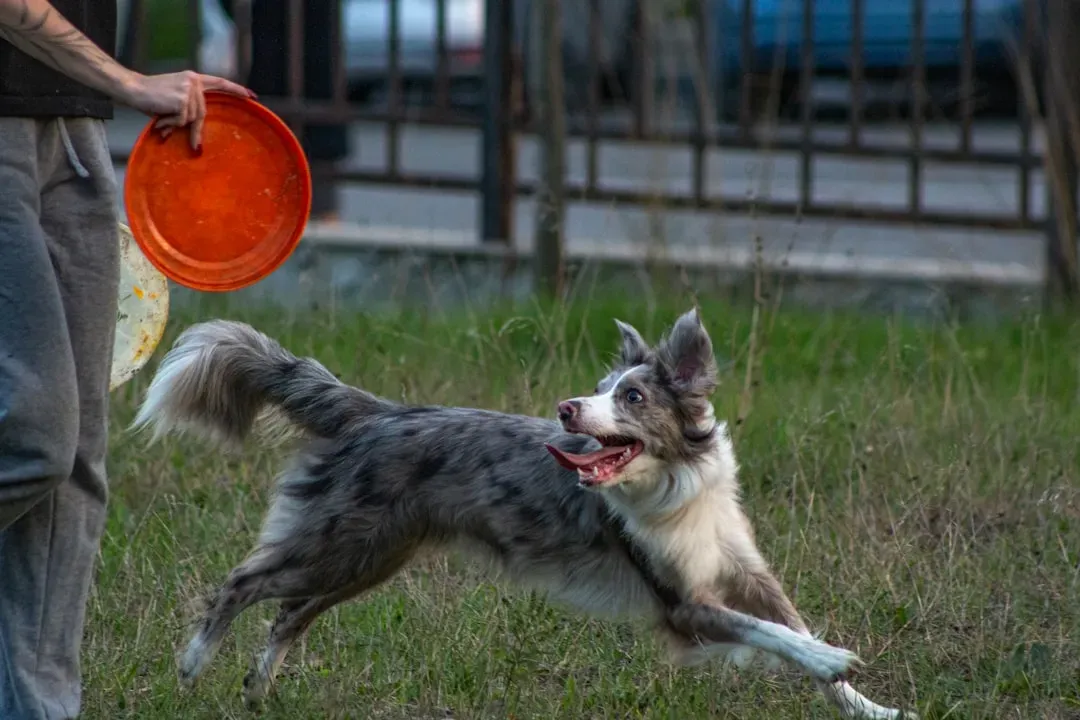
Dogs don’t generalize very well, meaning they usually understand how to perform specific behaviors in specific locations with specific cues, but struggle when asked to perform the same behavior in a brand new environment. Think about it like this: you taught your dog to sit in your living room with no distractions. That’s where they learned it, where they practiced it, where it makes sense. Now you’re at the dog park with squirrels darting past, other dogs barking, and new smells everywhere, and you expect the same response.
Inconsistent training can confuse dogs and make learning a new skill more difficult, and insufficient training means there hasn’t been enough practice to cement the skill being taught. Your dog isn’t being stubborn when they ignore your command at the park. They genuinely might not connect that “sit” means the same thing here as it does at home. This also applies to generalizing a skill to other contexts, such as a dog who comes when called in the house but not when outdoors where there are more distractions and exciting sounds and scents to investigate.
The solution? Practice everywhere. Vary your locations, gradually add distractions, and be patient. Your dog needs time to learn that commands apply universally, not just in controlled settings.
Physical Pain Is Changing Their Behavior

Behavioral changes due to pain often develop gradually, so being attentive to your dog’s daily habits is key, as subtle behavioral cues will be more readily detected early on by someone most familiar with the dog. Sometimes what we interpret as disobedience is actually a dog in discomfort. A dog in pain tends to behave differently than what’s usual for them, and just like us, dogs tend to be crankier when they are experiencing pain.
Arthritis is one of the most common diseases in old dogs, and signs your dog is trying to communicate its symptoms include licking or chewing at joints, sluggish stair climbing, changes in gait, appetite, and sleep, and more panting than usual. Let’s say your dog used to hop onto the couch eagerly but now hesitates or refuses entirely. You might think they’re ignoring you when you pat the cushion and call them up. Really, their joints hurt and jumping feels awful.
Sometimes a dog just physically can’t do what we ask them to, or an underlying physical problem has ignited the fuse on a behavior problem we want them to stop. A dog whose hearing is going will gradually stop responding to auditory cues, which can be misinterpreted as stubbornness, and dogs with vision and hearing problems can also startle easily, causing them to snap or jump if approached or touched from behind. If your usually obedient dog suddenly becomes “difficult,” a vet visit should be your first step, not more training.
Stress and Anxiety Are Overwhelming Them

People often interpret their dog ignoring them or being stubborn as disobedience, but the dog is actually expressing discomfort. Dogs experience stress just like we do, and when they’re anxious, their ability to focus and respond plummets. Stress signs to look for include whale eye (when dogs reveal the whites of their eyes), tucked ears or tail, raised hackles, lip-licking, yawning, and panting.
Think about a time you were incredibly stressed or anxious. Could you concentrate on complex tasks? Probably not. Your dog is the same way. Stressed dogs may have dilated pupils and blink rapidly, may open their eyes wide and show more sclera (white) than usual giving them a startled appearance, and their ears may be pinned back against their head. Calming signals can be seen in stressful situations and in exciting situations, as good and bad stress affect your dog the same way, and the top three calming signals owners should be on the lookout for are lip licking, yawning, and shaking off.
If you notice signs that your dog is stressed, first remove them from the stressor and find a quiet place to regroup. Rather than pushing them harder to obey, give them space to calm down. Once they’re relaxed, they’ll be far more capable of listening.
You’re Accidentally Rewarding the Wrong Behavior
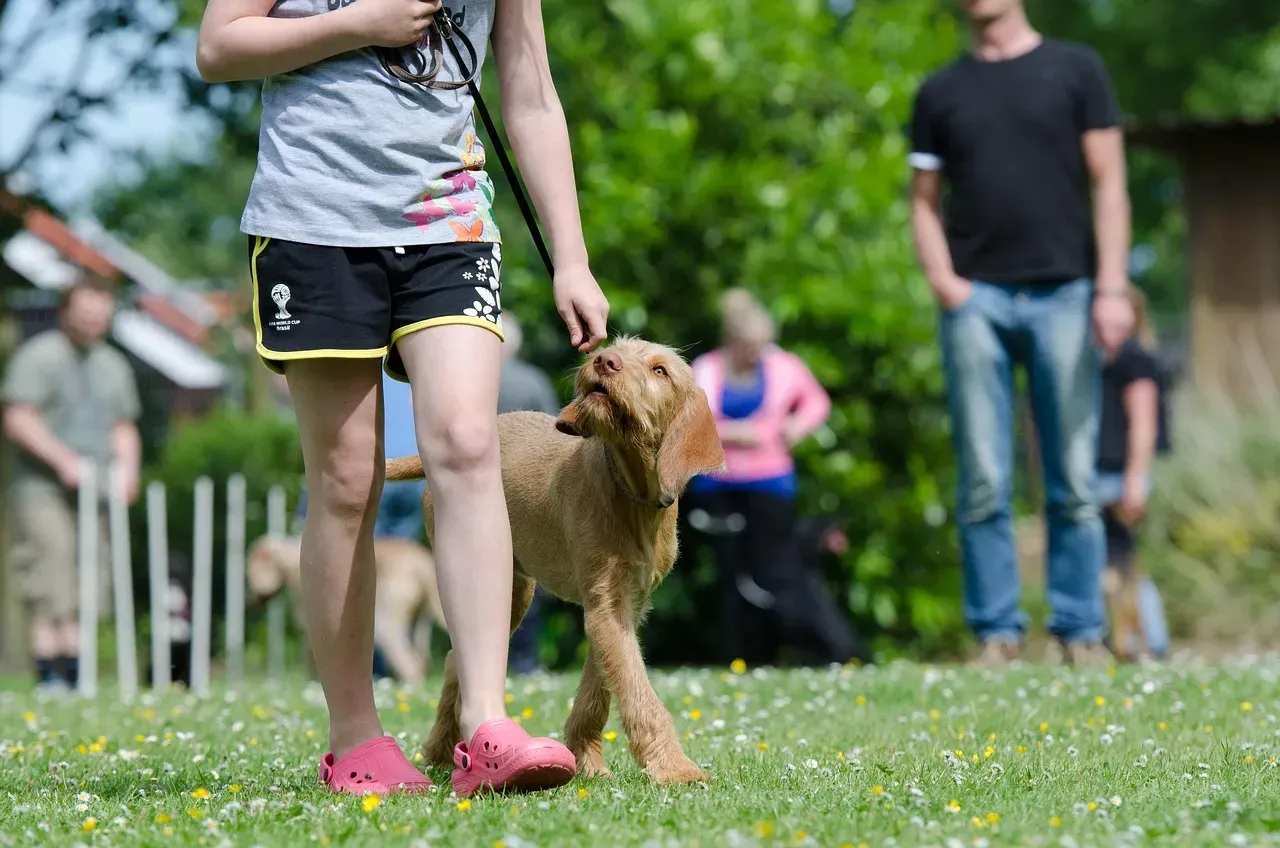
This one stings a bit because none of us want to admit we’re part of the problem. Yet we are the ones responsible for training our dogs, and our training and treatment of our dogs is what causes them to behave certain ways, and since dogs only understand black and white or yes and no, if we send mixed messages to our dogs then we can expect that they won’t be able to understand or obey. Honestly, we mess this up more than we realize.
Inconsistent training means not sticking to one set of rules and having different expectations from the dog, such as training your dog not to eat food off the table but then another family member gives them food while having dinner, which sends the dog mixed signals and breaks the pattern of good behavior. Your dog jumps on you when you come home. Sometimes you laugh and pet them. Other times you scold them. From their perspective, jumping gets rewarded randomly, so why wouldn’t they keep trying?
Disobedience in dogs is often linked to impatience in the owner, such as making several commands without waiting for your pup to respond, which can easily overwhelm and confuse your dog. We repeat commands over and over, which teaches dogs they don’t have to respond the first time. Or we give in when they ignore us, which teaches them persistence pays off. The fix requires us to be consistent, patient, and clear about what we actually expect.
Medical Conditions Are Masking As Behavioral Issues

Behavior depends directly on an animal’s health condition, and some behavioral problems are caused totally or partially by a medical condition, and these problems represent a diagnostic challenge for veterinarians because in many cases apart from behavioral changes there are no other clinical signs or evidence of illness. This is honestly one of the most overlooked reasons dogs seem disobedient.
Some dogs can become irritable to the point that they become aggressive when dealing with an illness, and one common way pets will express their discomfort is to be less tolerant of being disturbed or touched in areas that are sore. Diseases involving the Endocrine system such as Cushing’s Disease, Addison’s disease, and Hypothyroidism can all cause varying behavioral symptoms such as lethargy, weight change, increased thirst and urination, weakness, trembling, change in haircoat, vomiting, and diarrhea.
Maybe your dog has always come when called but suddenly stops. Certain endocrine or hormonal disorders such as Addison’s disease can result in appetite fluctuations, and eating disorders can be associated with inflammation of the pancreas, stomach, and intestines. These conditions don’t announce themselves with flashing signs. Instead, they show up as a dog who seems less interested, less responsive, or just “off.”
The most common sign of pain in animals is a change in behavior, and although the relation of pain to behavioral problems has been widely studied, it is not absolutely clear. If your previously responsive dog becomes what you think is stubborn, schedule that vet appointment. Your dog might be trying to tell you they don’t feel well, and ignoring that in favor of more training could make things worse.
Conclusion
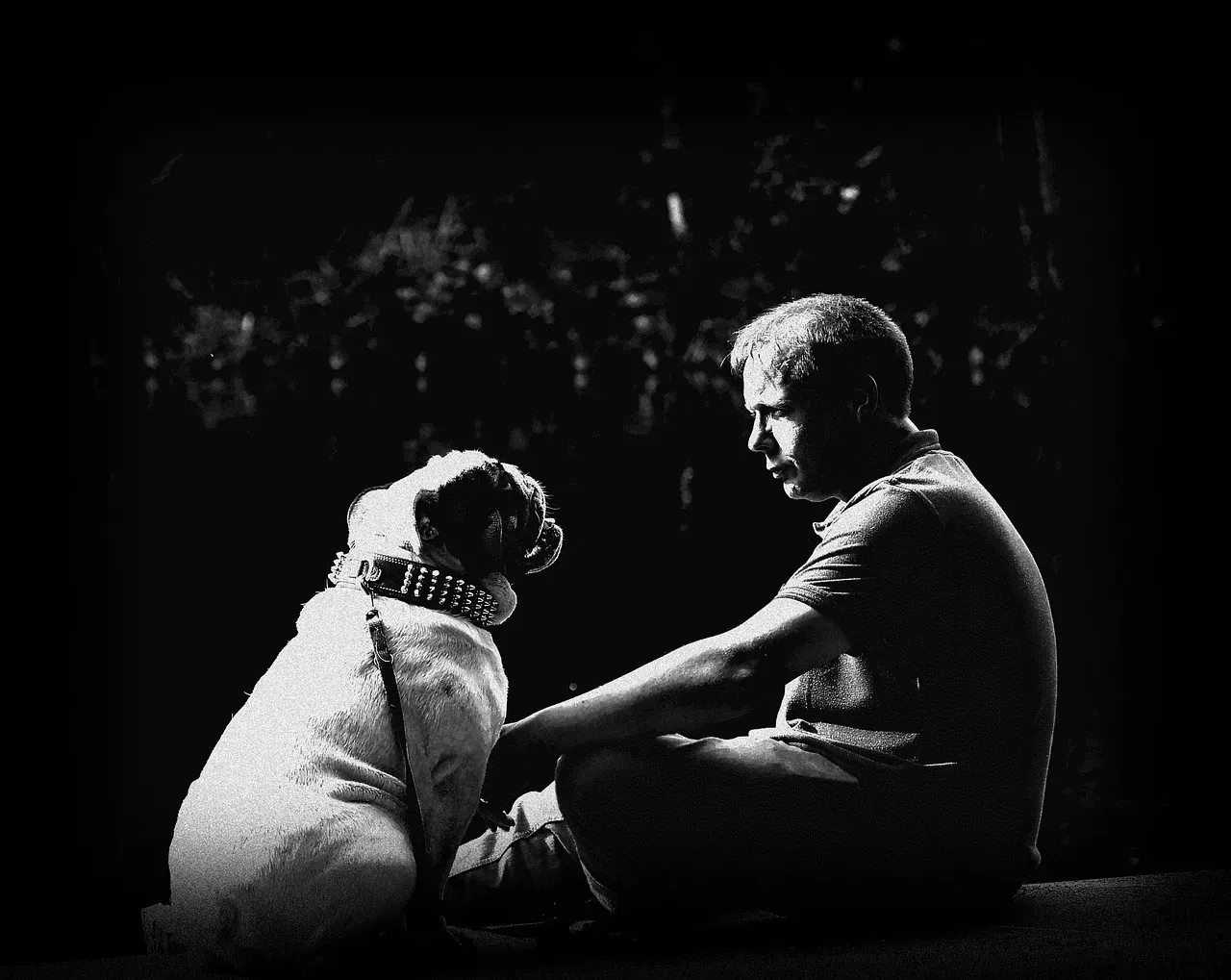
The next time your dog doesn’t respond the way you expect, take a breath before labeling them stubborn. Look closer. Are they stressed? Confused? In pain? Did you accidentally teach them this behavior? Your dog is “talking” to you all the time, and if you learn what your dog is saying you will develop a deeper bond of trust and respect, plus your newfound understanding of your dog’s emotional state can help you predict their behavior and prevent problems before they arise.
Our dogs are doing their best to communicate with us using the only language they have: their behavior and body language. They’re not being difficult for the sake of it. They’re trying to tell us something important. When we learn to listen, really listen, everything changes. The relationship deepens. The frustration fades. You become the advocate your dog needs.
What surprising thing has your dog taught you about communication? Sometimes the best lessons come from simply paying attention.


