
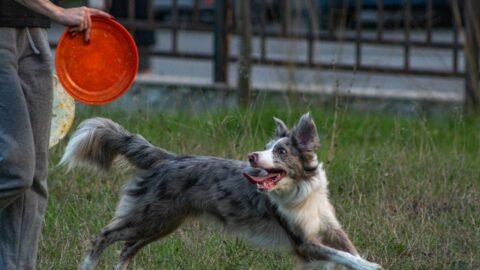
Picture this: you’ve just brought home the most gorgeous Border Collie puppy, all bright eyes and boundless enthusiasm. Two months later, your couch cushions are shredded, your shoes have mysteriously disappeared, and your once-pristine garden looks like a construction site. Sound familiar? Here’s the thing most prospective dog owners don’t fully grasp until they’re living it. Some breeds aren’t wired for lazy Sunday mornings and short evening strolls. They’re athletes, workers, thinkers. And if their needs go unmet, your home becomes their own personal obstacle course.
I’ve met countless dog lovers who assume any pup will adapt to their lifestyle with a bit of patience and training. While love and dedication matter enormously, certain breeds have exercise requirements that would exhaust even the most active humans. Let’s dive into what really happens when high-energy dogs don’t get what they desperately need.
The Working Dog Reality Most People Don’t See Coming
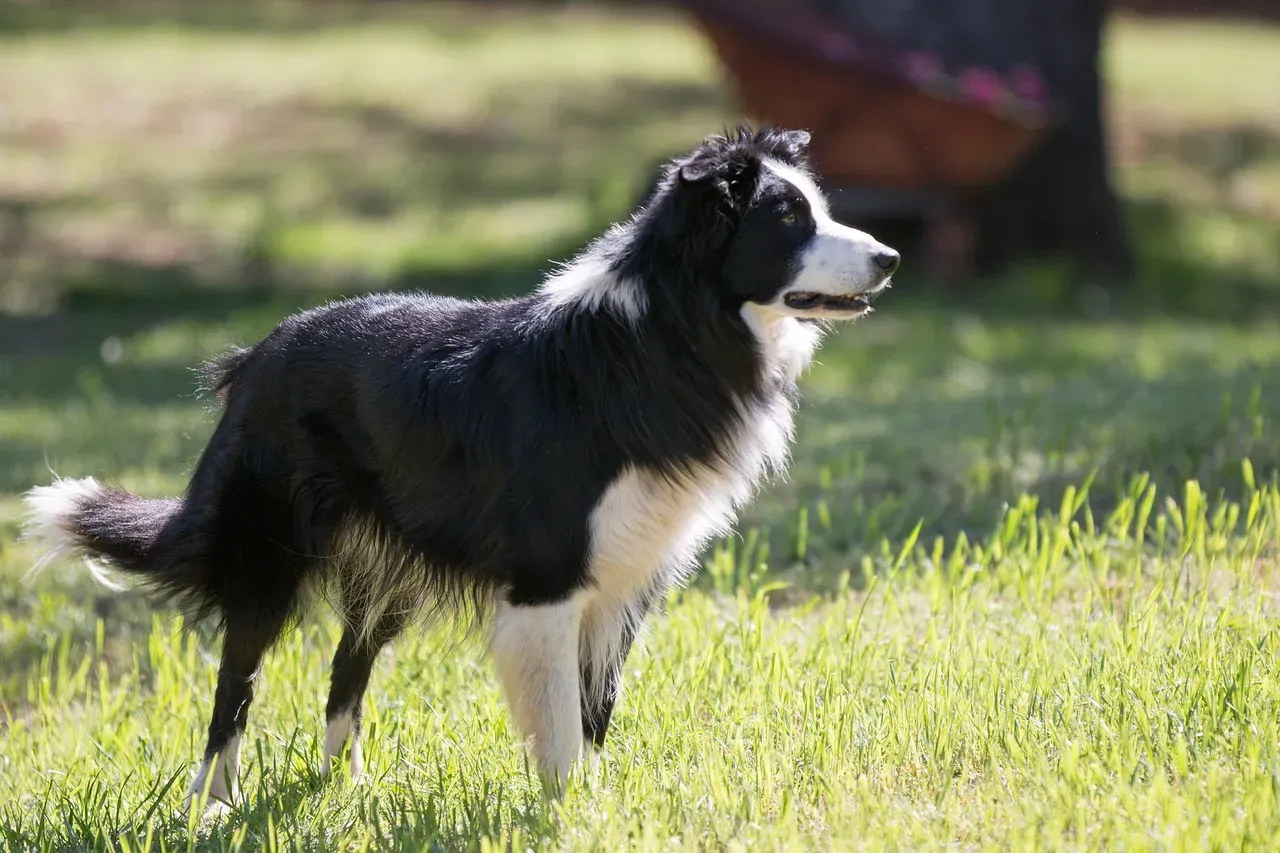
Border Collies are some of the most intelligent, energetic, and hardworking dogs, so energetic that it’s almost impossible to tire them out, with adult Border Collies needing around two hours of exercise daily. That’s not a typo. Two full hours. Not a leisurely neighborhood walk, either.
Herding dogs like Border Collies enjoy mentally and physically demanding exercise and play, as they are very intelligent dogs with high energy levels, and physical and mental stimulation is required for herding breeds. Think about what these dogs were originally bred to do. They spent entire days running across hills, making split-second decisions about livestock, working in all weather conditions.
Many people fall in love with how gorgeous these dogs look or how clever they seem in videos. What they don’t anticipate is the relentless drive these breeds possess. An exercise-deprived Border Collie may develop behavioral problems, depression, and separation anxiety. The sad truth is that behavioral issues in these breeds rarely stem from stubbornness or spite. They’re usually just bored out of their minds.
Sporting Breeds Need More Than Fetch in the Backyard
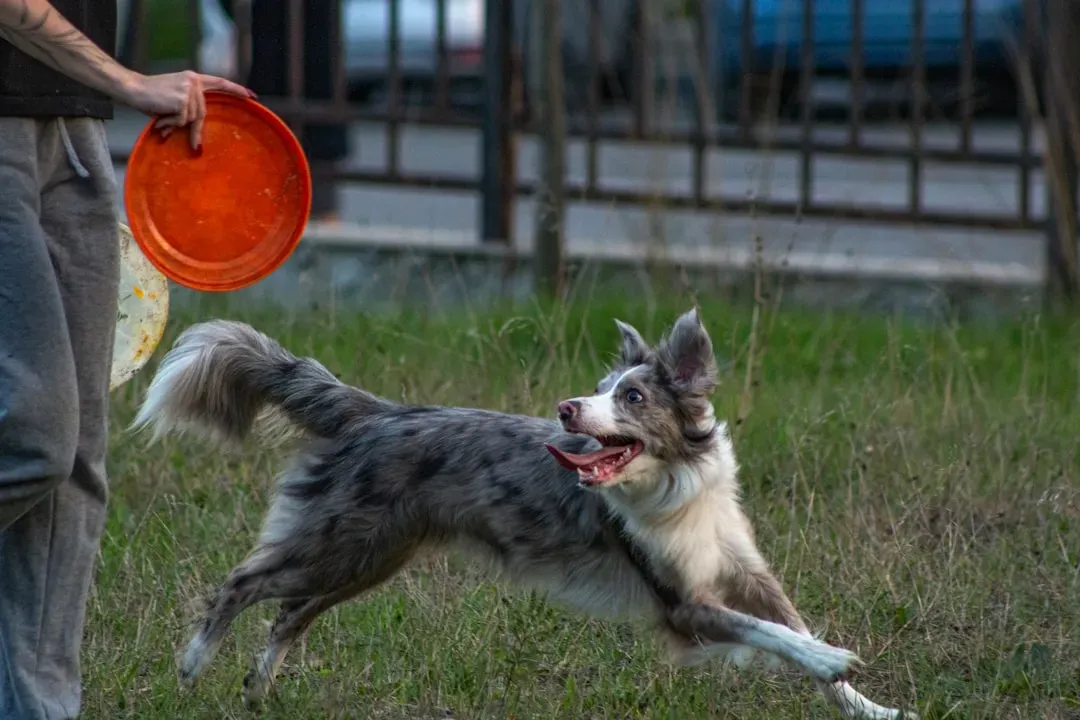
Typically, sporting breeds are energetic and athletic dogs who require at least an hour of exercise each day, and if you don’t give your gundog enough exercise, he may use up excess energy through destructive chewing, barking, digging, and other nuisance behaviors.
Golden Retrievers and Labrador Retrievers top the popularity charts year after year. They’re friendly, gorgeous, and seem like the perfect family dog. These happy-go-lucky dogs need between an hour and a half and two hours of exercise daily, and provide anything less than that, and your couch may become collateral damage.
Here’s where it gets tricky. Golden Retrievers are at elevated risk of obesity because Goldens really enjoy their dog treats and, though high energy, they won’t dash around and get exercise on their own like some zippy breeds. So you can’t just open the back door and expect them to handle their own fitness routine. They need you to be actively involved.
German Shorthaired Pointers need a full two hours of varied exercise every day, and though walking should be part of your GSP’s daily routine, leisurely walks aren’t enough activity for this athletic breed. I know people who’ve gotten Pointers thinking they’d make great jogging companions. Turns out, even dedicated runners sometimes struggle to keep up with these tireless athletes.
The Husky Phenomenon Nobody Warns You About
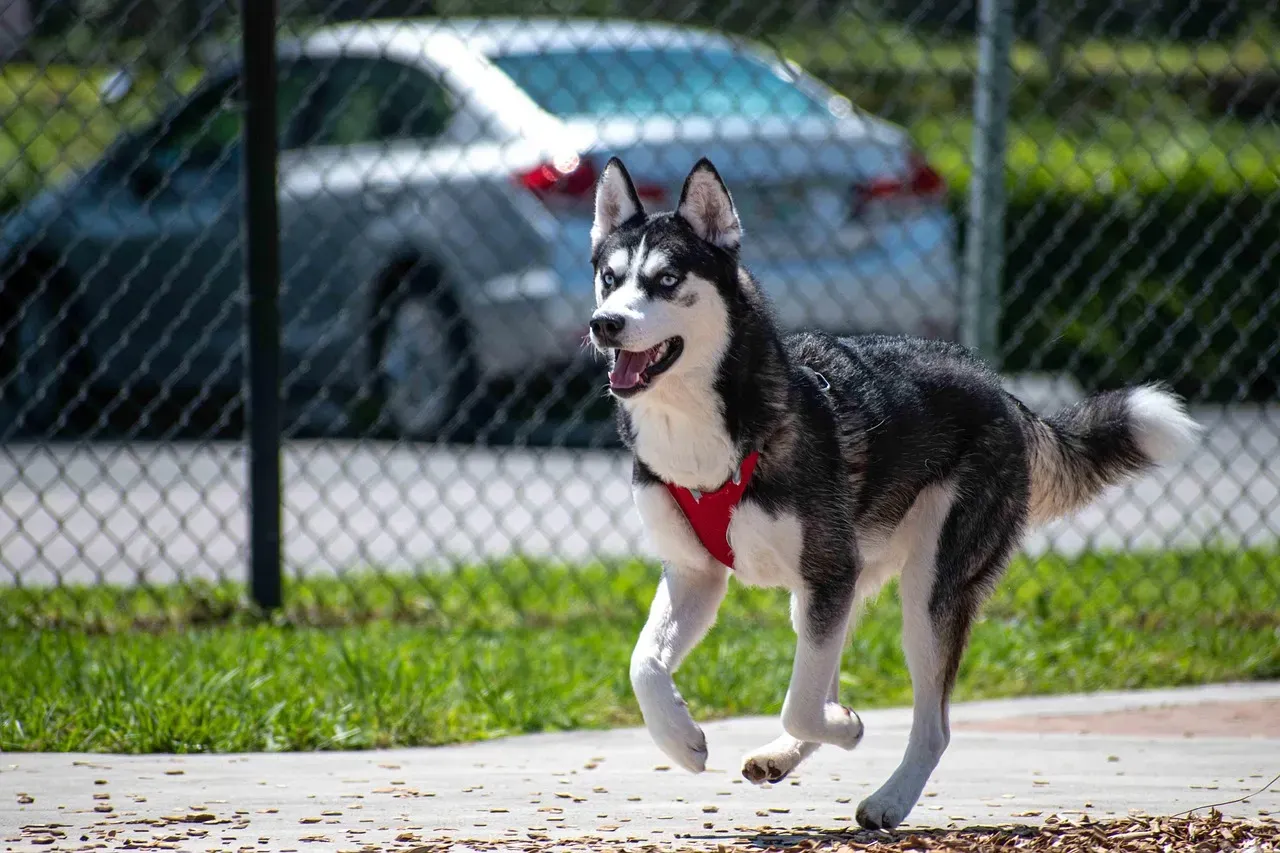
Siberian Huskies have become incredibly popular, probably because they’re absolutely stunning. Those piercing eyes, that thick coat, that wolfish appearance. Honestly, who could resist? High-energy breeds like Border Collies, Huskies, and Labrador Retrievers require at least one and a half to two hours of exercise daily, as these dogs are bred for work and have high stamina.
But let’s be real. Border Collie Husky mixes have substantial exercise needs, requiring two to three hours of daily physical activity combined with mental enrichment through activities like agility training, herding trials, and puzzle games. And that’s a mix. Purebred Huskies have similar intense requirements.
Regular exercise is crucial for your dog’s physical health, mental stimulation, and overall well-being, as it helps prevent obesity, reduces behavioral problems, and strengthens the bond between you and your dog. The problem is that Huskies are escape artists with legendary endurance. A tired Husky is manageable. An under-exercised one will find creative and often destructive ways to entertain themselves.
When Exercise Needs Go Unmet: The Warning Signs
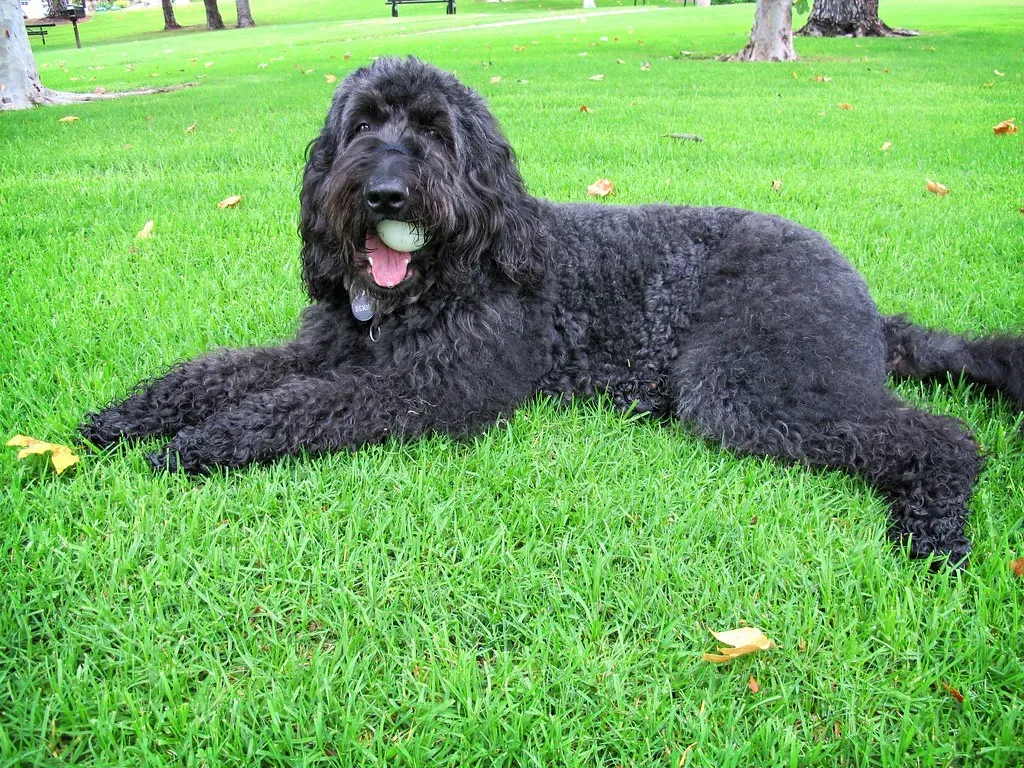
Behavioral problems, and especially destructive behavior, are commonly a result of not getting enough exercise, as many dogs, especially high-energy breeds, become bored and frustrated if they don’t get enough outdoor exercise and mental stimulation.
The signs aren’t always obvious at first. Destructive behavior is another sign that your pet pooch is lacking exercise, as all dogs need an outlet for their energy, and if they can’t release pent-up energy by walking, running, or exercising, your dog may start acting badly. We’re talking chewed furniture, destroyed shoes, shredded pillows, dug-up gardens.
Many dogs, especially high-energy breeds, become bored and frustrated if they don’t get enough outdoor exercise and mental stimulation, and if your dog is starting to chew things around the house, scratch or dig at doors, or raid the kitchen or trash can, the problem might be not enough exercise.
Weight gain is another telltale sign. If your dog has been getting a bit plump lately, it may be an indication that more exercise is needed. But it’s not just about physical health. Some dogs will become very withdrawn and depressed when they are lacking in mental and physical stimulation, as these dogs are more reluctant to engage with their human family and might need to get outside and moving to become more involved.
Creating a Realistic Exercise Plan That Actually Works
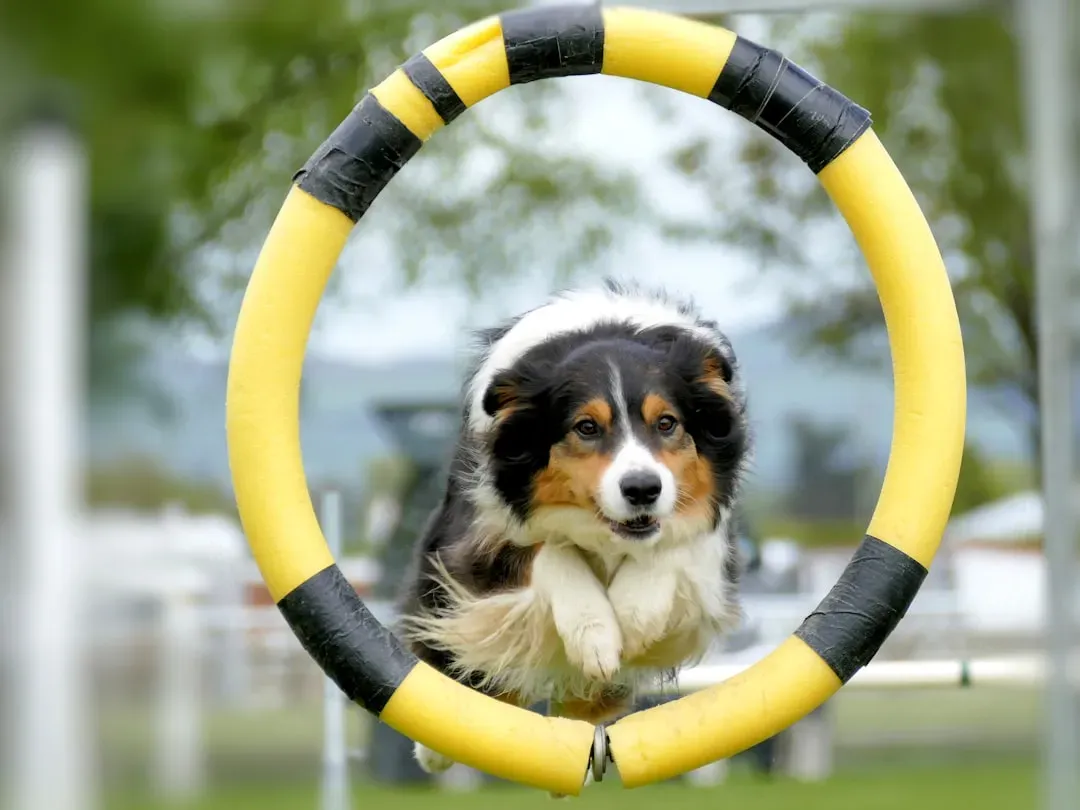
So what’s a dedicated dog owner supposed to do? First, understand that exercise isn’t just about duration. You should try to spend at least an hour, but preferably two hours with your Border Collie per day, and this time should not only be physical exercise but also mental exercise as well, as mental training can be just as exhausting as physical training.
Variety matters enormously. A twenty-minute walk repeated twice daily might work for some breeds, but high-energy dogs need more. On average, a Border Collie needs about one and a half to two hours of exercise each day, and this doesn’t mean just a quick walk around the block, as Border Collies need a variety of activities to keep them engaged.
Besides physical exercise, high-energy dog breeds need a lot of mental stimulation through scent games, herding balls, and learning new tricks. Puzzle feeders, nose work, agility courses, even simple training sessions all contribute to wearing out that brilliant brain. The beauty of mental stimulation is that it’s often more tiring than physical exercise alone.
Consistency is everything. Establishing a daily routine and sticking to it can be immensely beneficial in providing your Border Collie with a sense of stability and structure, as this breed thrives on predictability and knowing what to expect day-to-day, which helps reduce anxiety and hyperactivity. Dogs are creatures of habit. When they know their exercise needs will be met, they settle better during downtime.
The Bottom Line on High-Energy Breeds
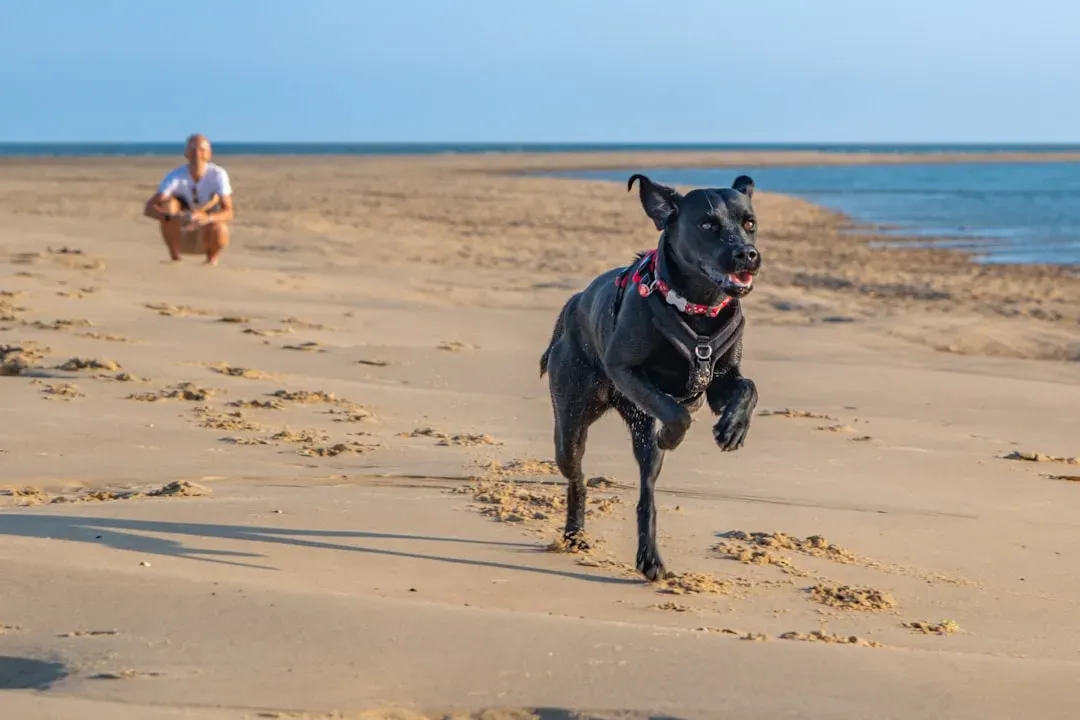
Choosing a dog based solely on appearance or reputation without understanding exercise requirements is setting everyone up for frustration. All dogs need exercise every day, but some dogs need even more, as a daily walk may well suffice for a middle-aged dog that is calm and settled, but young dogs and high-energy breeds need more – sometimes much more – with some breeds requiring several hours of exercise each and every day.
The good news? Lack of exercise also puts dogs at risk for behavioral problems which can be destructive, stressful, and sometimes lead pet parents to rehome their dogs, as pent-up energy with no outlet can turn into barking, chewing, digging, or even aggression, but a tired dog isn’t just a healthy dog; they are a happier and more well-behaved one, too.
If you’re considering one of these incredible working or sporting breeds, ask yourself honestly whether you can commit to their needs. Not just today or this week, but for the next decade or more. Can you handle early morning runs in the rain? Weekend hikes when you’d rather sleep in? Daily training sessions even when you’re exhausted from work?
These dogs will give you everything they have. Their loyalty, intelligence, and devotion are unmatched. They just need you to meet them halfway with the physical and mental stimulation their bodies and minds were designed to crave. When that match works, it’s magical. When it doesn’t, everyone suffers.
So what do you think? Are you ready for the commitment a high-energy breed truly demands? Drop your thoughts in the comments below.


