
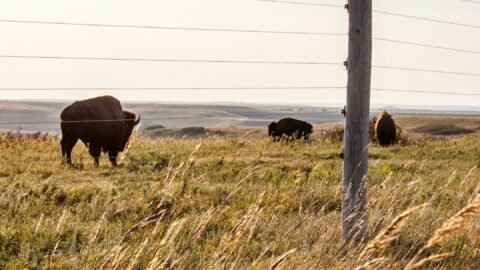
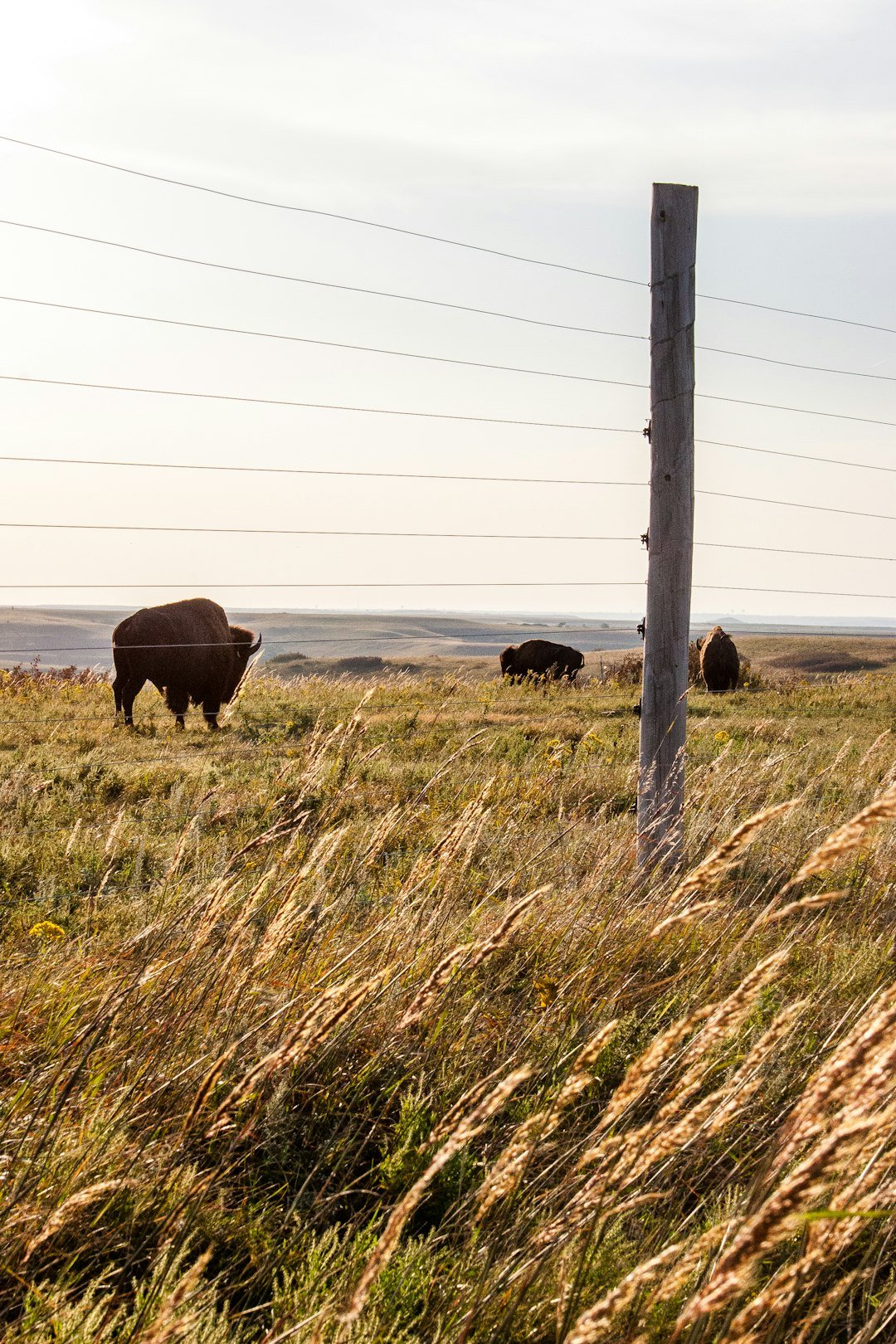
Once 60 Million Strong, Bison Nearly Vanished (Image Credits: Unsplash)
Indigenous nations across the Canadian prairies actively rematriate bison herds, reversing centuries of colonial devastation to revive ecosystems and cultural ties.
Once 60 Million Strong, Bison Nearly Vanished
Vast herds of up to 60 million bison once thundered across North American grasslands, stretching from Alaska’s boreal forests to Mexico’s western plains and from Banff to the Appalachian Mountains.[1][2]
Colonizers systematically slaughtered the animals in the 19th century as part of efforts to starve Plains Indigenous peoples, reducing populations to mere hundreds by the 1880s. This deliberate act disrupted not only wildlife but also the relational ways of life for nations dependent on bison for food, tools, and spiritual guidance. Today, remnants of those migrations persist in prairie roads and soil traces tamped down over millennia.
The Buffalo Treaty Forges a Unified Path Forward
In 2014, more than 50 Indigenous nations and tribes signed the Buffalo Treaty, committing to restore bison through conservation, partnerships, and advocacy.[3][4]
The agreement envisions ecological corridors allowing free migration, much like elk or deer, to maintain genetic diversity and prevent issues like overgrazing. Signatories span 10 provinces and states, emphasizing bison as a keystone species central to land health. Highways today often trace these ancient buffalo paths, worn by seasonal journeys for food and water.
Efforts coordinate transfers from ranches and parks, with groups like The Nature Conservancy aiding returns to tribal lands.
Spotlight on Grassroots Restoration Projects
Several First Nations lead hands-on reintroductions, blending traditional knowledge with modern science. At the National Bison Range in Blackfoot territory, Montana, herds graze freely near roads, drawing songs from community members who approach to connect.[3]
The Blackfoot Confederacy pushes for cross-border roaming bison and revived traditional hunts at sites like buffalo jumps on the Blackfeet Reservation. In Treaty 6 territory, Muskeg Lake Cree Nation’s Melissa Arcand studies soil recovery, noting, “Our prairie soils are actually made to house bison because they helped develop them through their grazing, through the grasses that are there, through the defecation.”[4]
- Blackfeet Nation: Guardians manage herds, revitalizing hunts.
- Kainai Nation: Elders observe returning birds and plants.
- Elk Island National Park: Supports diverse grasses sustaining bison.
- Wanuskewin Heritage Park: Features buffalo jumps like newo asiniak.
- Little Pine First Nation: Contributes to Cree-language storytelling on rematriation.
Healing Lands and Reviving Relations
Bison act as ecosystem engineers, their grazing fosters diverse grasses, prevents erosion, and enriches soils with nutrients – benefits persisting despite agricultural disturbances.[5]
Rematriation, a term rooted in Indigenous law from Sto:lo author Lee Maracle, honors past, present, and future by restoring balance. Nations report plants like smooth blue aster and goldenrod returning, alongside birds unseen for generations. Blackfeet Elder John Murray highlighted the herds’ scale, joking that a “bison” is merely what Australians use to wash their faces.[1]
Culturally, bison embody medicine, guiding sustainable living and ceremonies. For more, read the full feature at The Narwhal or Nature Canada.
- Buffalo Treaty unites over 50 nations for migration corridors and conservation.
- Bison restore soils, plants, and biodiversity as keystone species.
- Projects blend science, tradition, and cross-border collaboration.
These rematriation initiatives signal a profound reclamation, where bison footsteps echo ancestral resilience. What steps can non-Indigenous communities take to support such efforts? Share your thoughts in the comments.


