
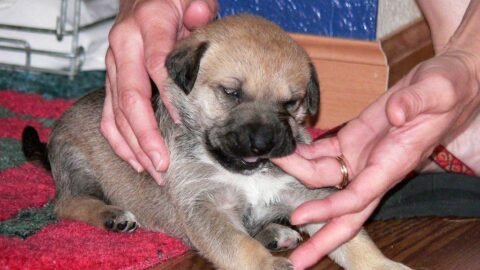
You reach down to greet your dog after a long day, and there it is again. That quick nip at your hand, the gentle teeth on your fingers, maybe even a little grab at your pant leg. Your heart sinks a bit. Is this aggression? Did you do something wrong? Or is your sweet pup just being, well, a dog?
Here’s the thing. Nipping is one of those behaviors that can leave even the most devoted dog lover feeling confused and maybe a little worried. It sits in this uncomfortable gray area between normal canine communication and something that needs addressing. The good news is that understanding where your dog’s nipping comes from can actually change everything about how you respond to it. Sometimes it’s written in their DNA, other times it’s about what they’ve learned along the way. Let’s dig into this together.
The Genetic Blueprint: When Nipping Is in Their Blood
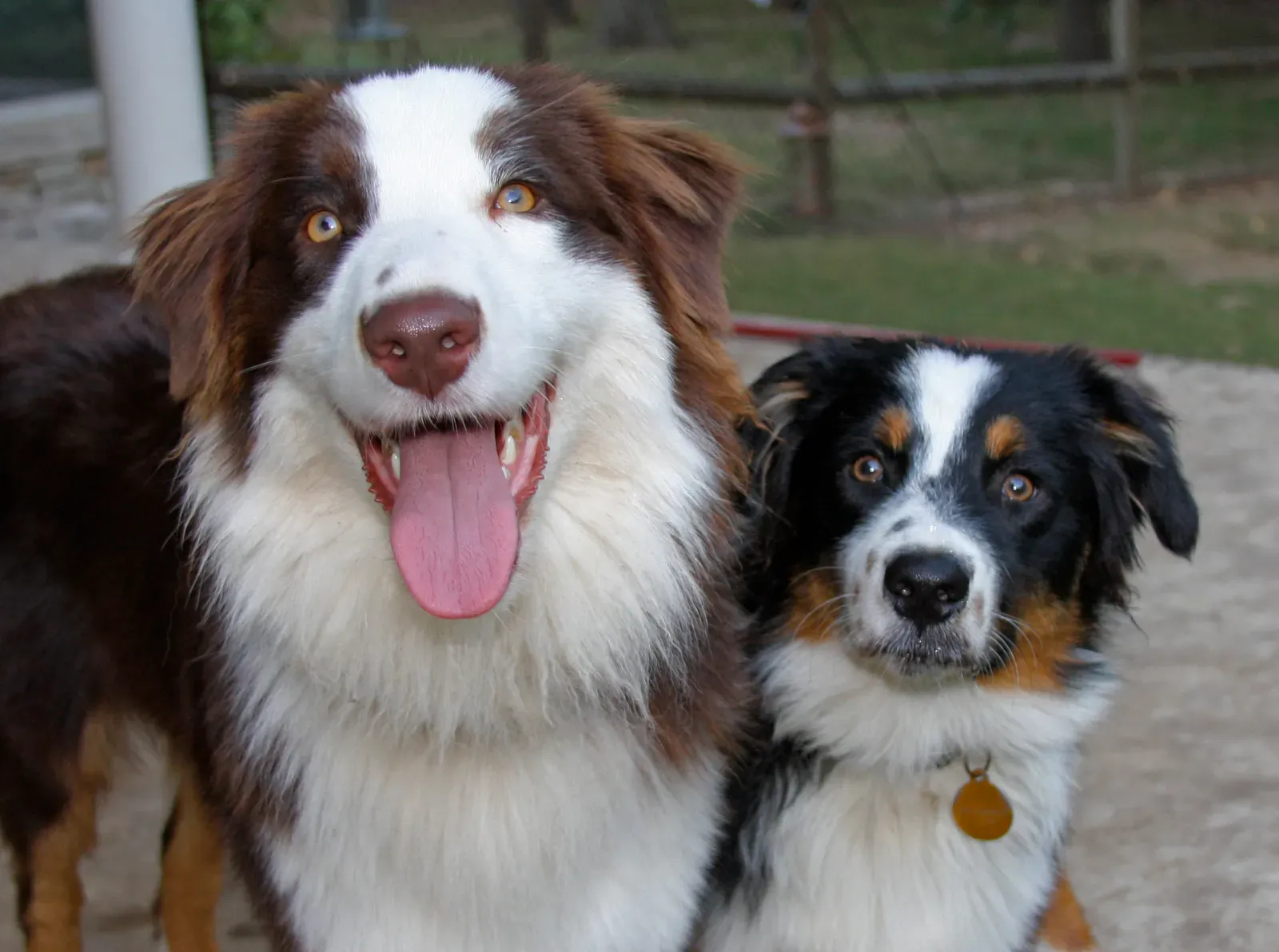
In breeds like Australian Shepherds and Corgis, this genetic motor pattern can manifest as nipping at heels, circling children, or “herding” other pets. This isn’t your dog being naughty. Herding is a modified version of predatory behavior, where dogs stalk and chase but the final “bite” is inhibited, and this isn’t bad behavior; it’s a deeply ingrained instinct that needs a proper outlet, like herding games or advanced obedience work.
Think about what these dogs were bred to do for generations. Some breeds, such as the Australian Cattle Dog, typically nip at the heels of animals (for this reason they are called heelers) and the Cardigan and Pembroke Welsh Corgis were historically used in a similar fashion in the cattle droves. When your Corgi nips at your ankles during playtime, she’s essentially doing what centuries of selective breeding taught her ancestors to do.
Certain breeds, such as breeds in the herding group, such as Corgis, Collies, and German Shepherds may have a higher incident due to them being bred to perform their original function for herding calves and sheep using their mouths to nip at the heels of calves and sheep in order to move the herd. Yet it’s worth noting that breed only tells part of the story. A landmark study published in the journal Science found that a dog’s breed explains only about 9% of the variation in an individual dog’s behavior.
So while your Border Collie might have the genetic tendency to nip, the dog curled up on your couch is still an individual with their own personality and learning history.
The Terrier Factor: Prey Drive and Quick Reflexes
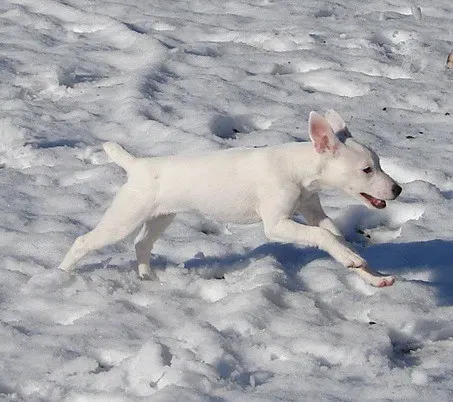
Terriers bring their own flavor to the nipping conversation. Prey drive is particularly strong in terriers and sighthounds, and a study on Pit Bull Terriers found that 53% showed a strong interest in chasing, highlighting this genetic component. These dogs were designed to hunt, chase, and capture small prey with lightning speed and determination.
Dog breeds in the Terrier breed group, including Jack Russell Terriers, Rat Terriers, and West Highland White Terriers, were bred to hunt and eliminate small rodents, and therefore were selected specifically for high prey drive. When your Jack Russell lunges at your wiggling toes under the blanket, he’s not trying to hurt you. His brain is wired to respond to fast movement with a grab and shake response.
The nipping from terriers often looks different than herding breed nipping. It can be quicker, more grabby, and triggered by movement rather than a desire to control or direct. Understanding this distinction helps you choose the right training approach. Small terriers were bred for vermin hunting and can be prone to dog aggression.
Managing this means giving your terrier appropriate outlets for that hunting drive, like puzzle toys, flirt poles, or games that let them chase and pounce safely.
Puppy Mouthing: The Universal Language of Young Dogs
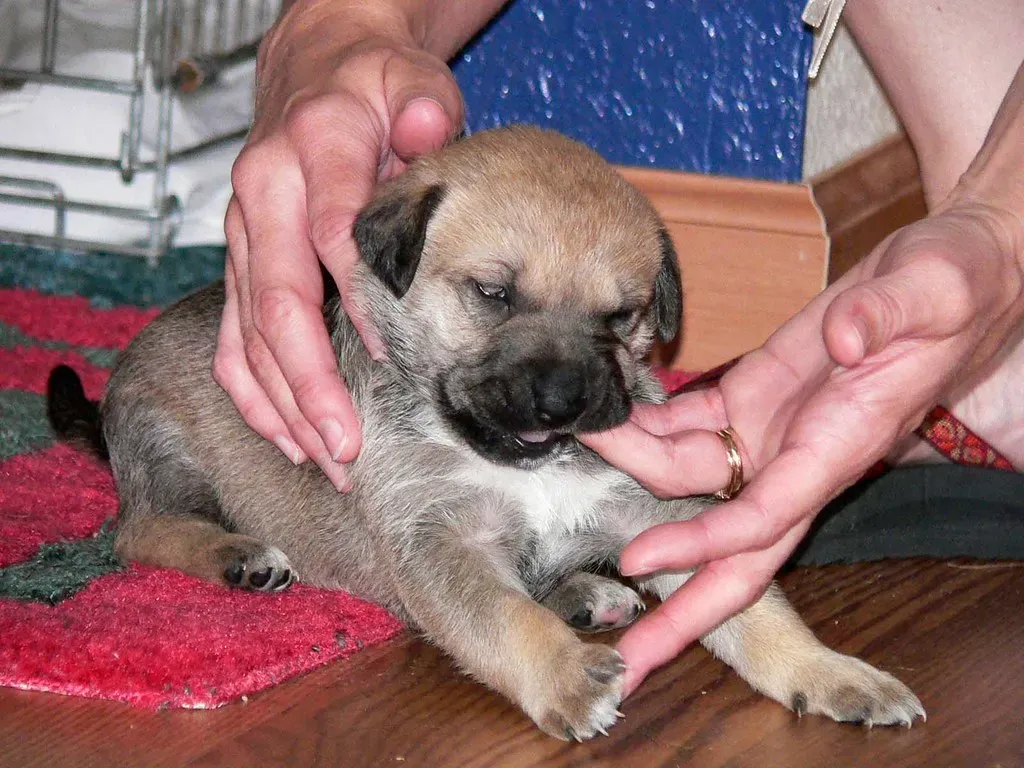
Let’s be real. Nearly every puppy goes through a nippy phase, regardless of breed. Puppy biting is normal, expected, and temporary when we meet it with clarity and intention, and it’s simply how puppies explore their world and learn the skills they need for a softer, more thoughtful mouth.
Teething and sore gums make chewing feel soothing. Between three and seven months, your puppy’s mouth is genuinely uncomfortable, and chewing provides relief. Movement triggers like wiggling hands, flapping sleeves, and shuffling feet can activate grabby instincts.
What matters most during this stage isn’t stopping the behavior instantly but teaching bite inhibition. Bite inhibition refers to a dog’s ability to control the force of his mouthing, and a puppy or dog who hasn’t learned bite inhibition with people doesn’t recognize the sensitivity of human skin, and so he bites too hard, even in play.
This is where littermates usually do the heavy lifting. When puppies play together, if one bites too hard, the other yelps and stops playing. That feedback loop teaches them pressure control. If your puppy missed out on this early education or was separated from their litter too soon, you’ll need to step in and provide that guidance yourself.
When Training Makes All the Difference
Honestly, I’ve seen plenty of herding breeds who never nip and terriers who are gentle as lambs. Why? Because someone took the time to teach them what was acceptable. These genetic predispositions are always shaped by a dog’s environment, training, and life experiences.
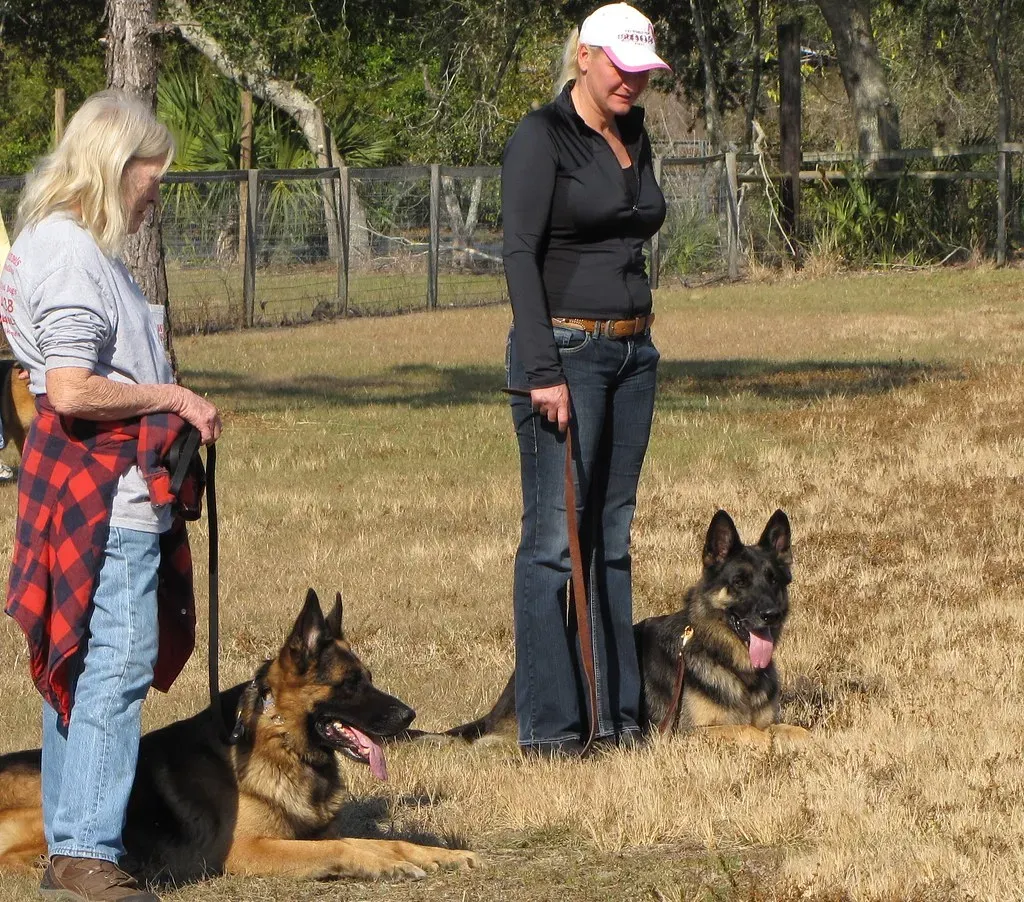
Herding dogs enjoy learning, being stimulated, and having a job or role within their families, and like most dogs they are very treat motivated and eager to please their guardians. Redirecting your dog’s nipping onto appropriate toys, teaching a solid leave it command, and rewarding calm behavior consistently can transform even the nippiest dog.
Most mouthing is normal dog behavior, but some dogs bite out of fear or frustration, and this type of biting can indicate problems with aggression. Pay attention to your dog’s body language. Is their body loose and wiggly when they nip? Or are they stiff, with ears back and eyes hard? That context tells you whether you’re dealing with playful mouthing or something more serious that needs professional help.
Training isn’t about fighting genetics. It’s about channeling those instincts into acceptable outlets and teaching self-control through consistency, patience, and positive reinforcement.
Reading the Signs: When to Worry and When to Relax
Not all nipping is created equal, and part of being a good dog guardian is learning to read what your dog is telling you. Mouthing is when a dog will put their mouth on someone’s skin, clothes, or shoes with varying pressure, typically when they’re frustrated, excited, or seeking attention, and while mouthiness can escalate, especially if left unaddressed over time, it typically does not lead to injury or intentional harm.
Watch for patterns. Does your dog nip when overtired, overstimulated, or during specific activities? Unclear expectations can turn into nipping very fast. Sometimes what looks like a training problem is actually a tired, overwhelmed dog who needs a break.
Some puppy nipping is not playful, but true aggression. Red flags include a stiff body, direct staring, growling, or nipping that seems calculated rather than playful. If you see these signs, it’s time to call in a certified professional dog trainer or veterinary behaviorist.
The vast majority of nipping, though, falls into the manageable category. It might be annoying or even painful at times, but it’s not dangerous. With the right approach, most dogs learn to keep their teeth to themselves or at least use their mouths gently.
Conclusion: Your Dog’s Story Is Unique
So is your dog’s nipping a breed thing or a training thing? The truth is, it’s probably both. Your Australian Shepherd might have a genetic predisposition to nip at heels, but whether she actually does it to your kids depends largely on what you teach her and what outlets you provide for that herding drive. Your terrier might be hardwired to chase and grab, but with consistent redirection and appropriate play, he can learn that toys are for teeth, not hands.
You must train the dog in front of you, not the dog you read about in a breed encyclopedia. Understanding your dog’s genetic background gives you a roadmap, but your daily interactions, training consistency, and willingness to meet their needs determine the destination.
What’s your experience been with your dog’s nipping? Have you found that breed tendencies play a big role, or has training been the game changer? Share your story in the comments below.


