
Don’t Fall for the ‘Gentle Giant’ Myth: Some Breeds Are a Handful
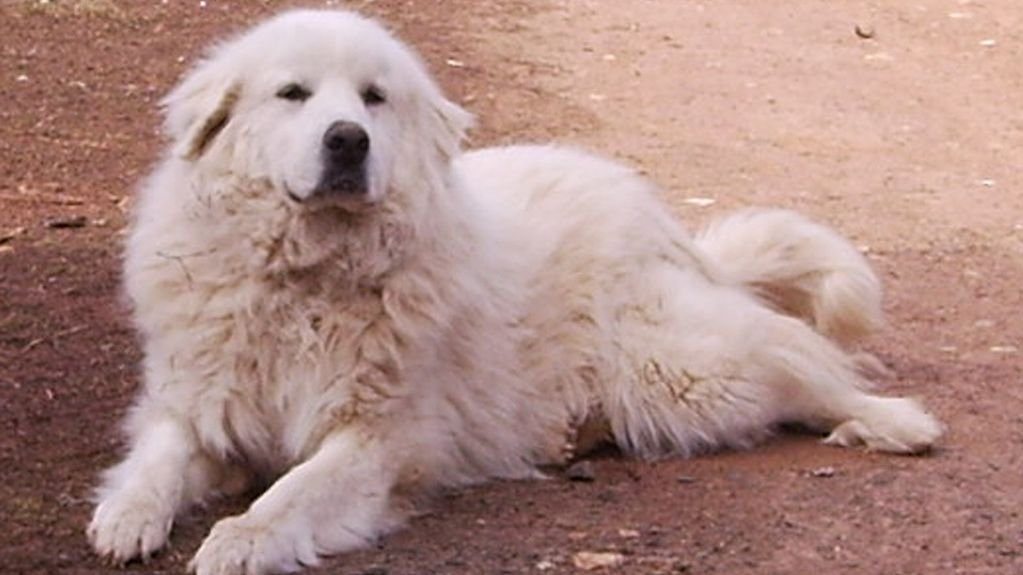
Let me tell you something that not enough people say out loud. Those massive dogs with the soulful eyes and the paws the size of dinner plates? They’re not always the cuddly teddy bears the internet makes them out to be. Sure, they look like they’d never hurt a fly. But here’s the thing: size doesn’t automatically equal sweetness, and good intentions don’t make up for a hundred-plus pounds of uncontrolled enthusiasm.
I know that sounds harsh. I get it, you see a Saint Bernard or a Great Dane and your heart melts. They’re beautiful, majestic even. The problem is, too many folks bring home these giants thinking love will be enough. It won’t. These dogs demand more than affection. They need structure, consistency, and an owner who understands that raising a gentle giant is a whole different ballgame.
When “Gentle” Needs Serious Training
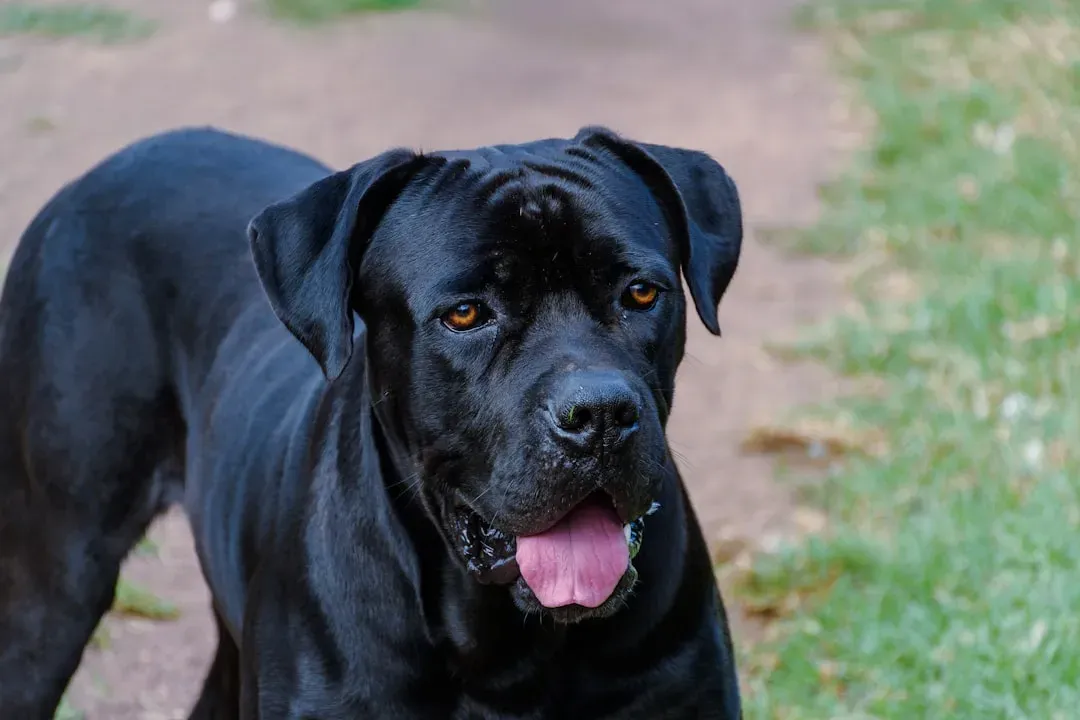
Their size necessitates responsible ownership, ensuring they are properly trained and socialized or they can become destructive. That’s not just a suggestion, it’s basically survival advice. Think about it: when a Chihuahua has bad manners, it’s annoying. When a Mastiff has bad manners, someone could end up in the emergency room.
These dogs have the potential to cause more harm than smaller dogs, and you really want them to learn polite leash walking and have a foundation of good manners before they are big and strong enough to overpower you (which may come as early as six or seven months). Let’s be real, a poorly trained giant breed isn’t just a household problem. They’re a liability. An excited jump that would be adorable from a Corgi can knock a kid flat when it comes from a two-hundred-pound dog.
Training and socialization programs need to start at eight weeks, which is critical for the giant breeds. Don’t wait. Don’t think you’ll get around to it later. By the time “later” arrives, you’ve got a beast on your hands that thinks pulling you down the sidewalk is totally acceptable.
The Reality Behind Those Sweet Eyes
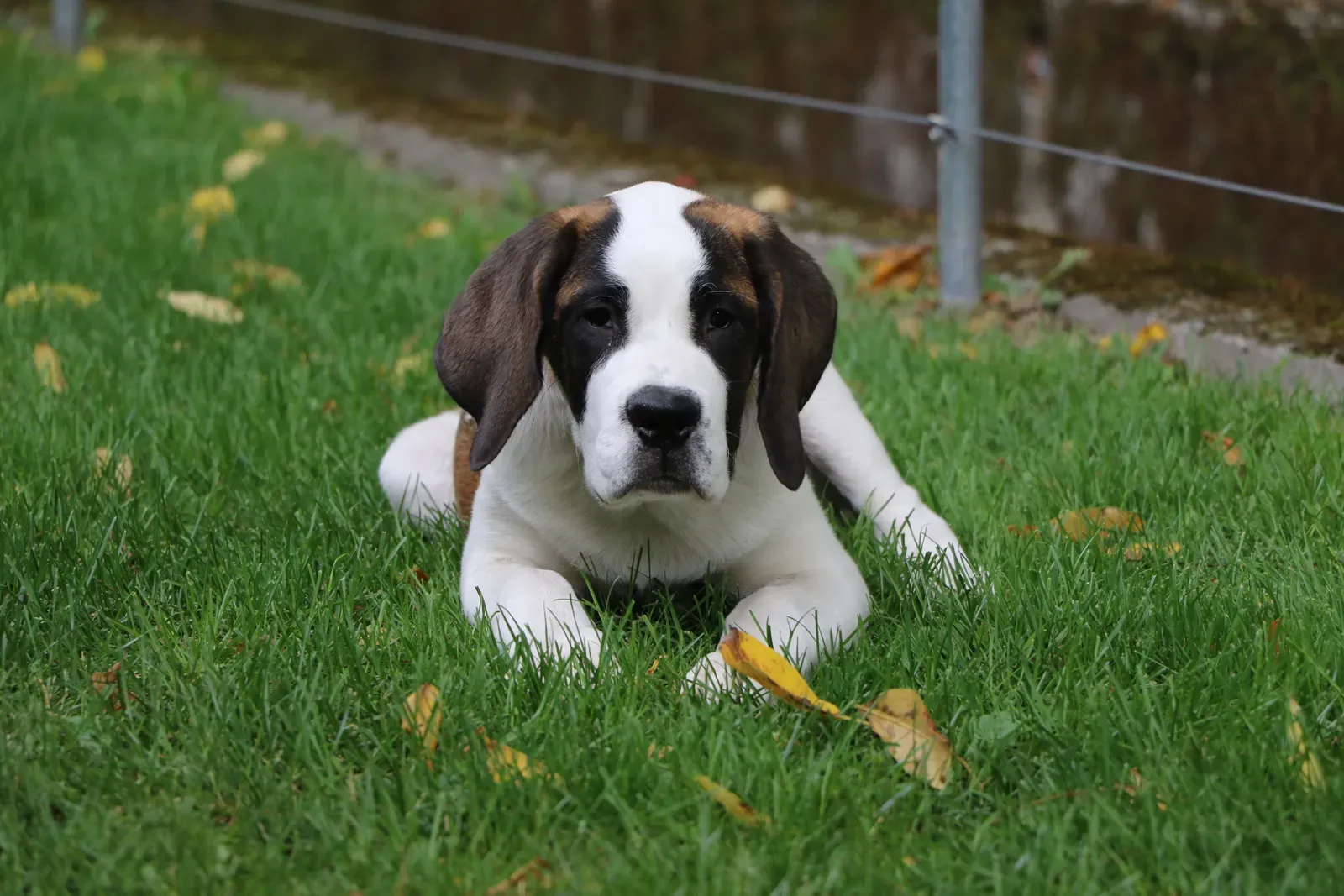
All giant dogs should be well-socialized and trained from a young age, and you should be prepared to stay consistent in your training even as your dog gets older, as some giant breeds can be rather stubborn. I think people forget this part. They focus on the puppy stage, do a bit of basic obedience, then assume the job is done. Nope. Large breeds often test boundaries their entire lives.
Some Saint Bernards may misjudge their own size during play, which makes early training important for setting basic boundaries. Picture this: your gentle giant sees a toddler, gets excited, and lunges forward for a sloppy kiss. What happens? The toddler goes flying. The dog had zero bad intentions, but the damage is done. This is the paradox of owning these breeds. They’re often sweethearts with the emotional intelligence of a kindergartener trapped in the body of a small horse.
Sometimes, those really big dogs can pose some really big behavior challenges for their owners. It’s not always aggression or meanness. Sometimes it’s just sheer, oblivious power combined with poor impulse control.
Health Challenges You Can’t Ignore
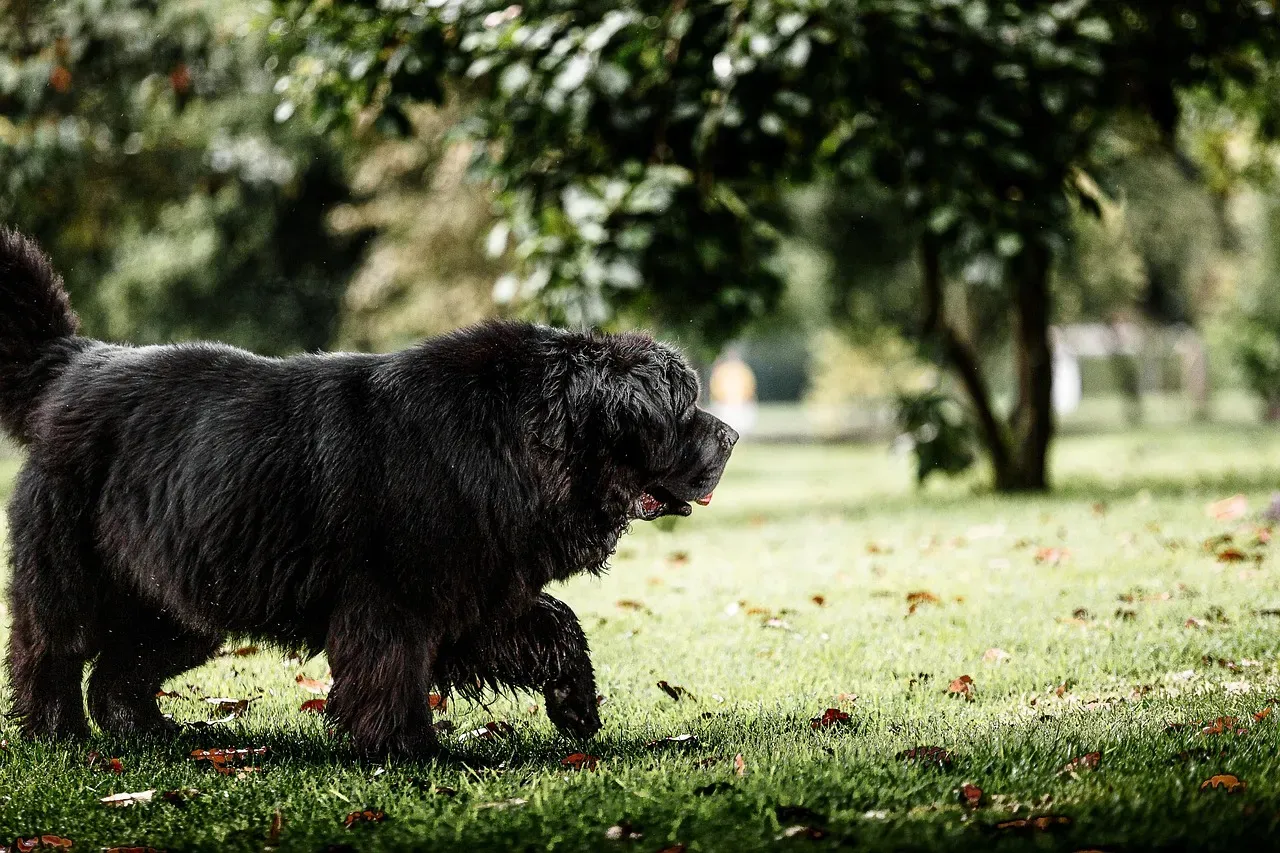
Here’s another uncomfortable truth: giant breeds come with giant vet bills. Large breed dogs are particularly susceptible to arthritis due to their size and weight. Joint problems aren’t an “if,” they’re a “when.” Hip dysplasia, elbow dysplasia, arthritis – these conditions are practically baked into the DNA of many large breeds.
Bloat is one of the scariest emergencies for deep-chested large breeds like Great Danes or Saint Bernards, where the stomach fills with gas and twists, leading to a swollen belly and restlessness. This isn’t something you can just wait out. It’s a life-or-death situation that requires immediate surgery. One minute your dog is fine, the next they’re in crisis. Honestly, it’s terrifying.
Giant dog breeds are more prone to certain health concerns and have shorter lifespans – an average lifespan of eight years versus nearly eleven years for a medium-sized dog. That hits hard. You’re committing to a dog that, if you’re lucky, might make it to ten. More often, you’re looking at six to eight years. It’s heartbreaking, and it’s something potential owners need to face head-on.
The Financial and Physical Commitment
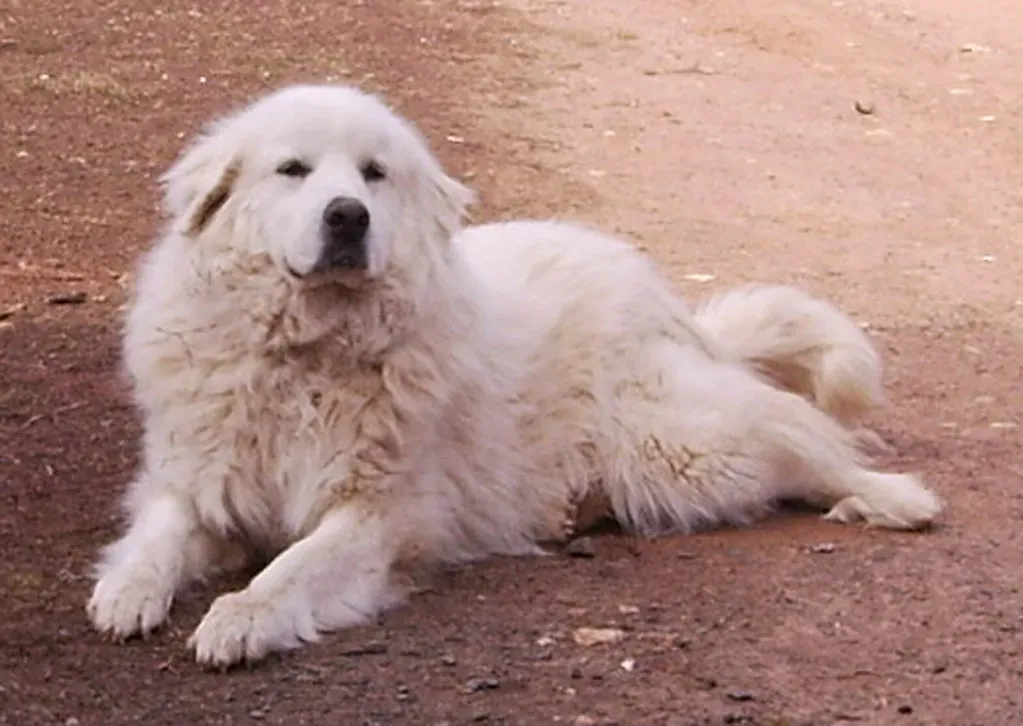
Giant dogs can weigh as much as some grown adults, so there is little margin for error when it comes to manners, and things small dogs might get away with, such as jumping on people, would be a significant safety concern if a giant dog did them. We’re not talking about a minor inconvenience here. We’re talking about a dog that can literally overpower you if they decide to chase a squirrel mid-walk.
Every aspect of ownership gets amplified. Food costs skyrocket. You’re not buying a small bag of kibble every few weeks; you’re hauling home bulk-sized bags constantly. Beds, crates, collars, leashes – everything needs to be heavy-duty and expensive. Vet visits? Medication doses are based on weight, so prepare to pay top dollar for heartworm prevention and flea treatments.
With great power comes great responsibility, and behavioral challenges can become a Herculean task when dealing with a colossal pup, so be proactive and start training and socializing your super-sized pooch immediately. I’m always saddened when families have to make tough decisions about a large breed dog due to aggression or anxiety problems simply because they cannot risk the dog hurting someone. It’s preventable, but it requires effort from day one.
Making an Informed Choice
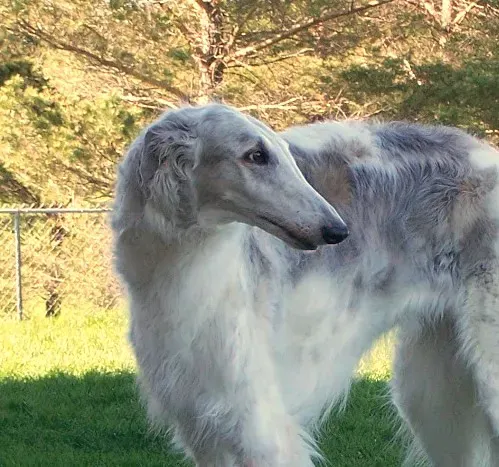
Look, I’m not trying to scare anyone away from these breeds. Giant breeds pair impressive frames with gentle interactions and a comforting approach to family life, and their temperament creates meaningful bonds that feel richer the more time you spend with them. When done right, owning a gentle giant is incredibly rewarding. They’re loyal, affectionate, and often surprisingly goofy.
Not every home, family, or lifestyle is compatible with the responsibility that comes with caring for these giant dogs. That’s the bottom line. If you work long hours, live in a small apartment, or don’t have the physical strength to handle a powerful dog, these breeds aren’t for you. If you’re not prepared to invest serious time and money into training, veterinary care, and daily management, walk away.
Training large dogs requires a commitment to consistent, positive reinforcement methods, as their size and strength can make them challenging to manage without proper guidance. It’s not impossible. It’s just hard work. Harder than most people realize when they’re falling in love with a puppy the size of a small bear cub.
So before you bring home that adorable Newfoundland or Leonberger, ask yourself: am I truly ready for this? Can I handle the physical demands, the financial costs, and the emotional commitment? Because these dogs deserve more than good intentions. They deserve owners who understand what they’re getting into and are prepared to do the work. Every single day. For their entire too-short lives.
What do you think? Are you up for the challenge, or does the reality check change your mind? Let us know.