
Forget Popularity: These Dog Breeds Demand Experienced Owners Only
Picture this. You see a striking dog walking down the street with an air of confidence and power. Your heart skips a beat. You think about bringing one home. Yet before you fall for those good looks and loyal reputation, let me be real with you. Some breeds are not starter packs for dog ownership. They’re advanced courses that require skill, patience, and sometimes a touch of courage. Honestly, certain dogs will test every ounce of your commitment.
These aren’t bad dogs. Far from it. They’re remarkable animals with extraordinary qualities, bred for demanding jobs that required independence, strength, and sharp instincts. Still, those very traits that make them exceptional working partners can turn into serious challenges in the hands of someone unprepared.
Let’s be honest here. Not every breed is meant for every person, and pretending otherwise does a disservice to both the dog and the owner. So let’s dive in and talk about the breeds that truly demand experience, dedication, and a lifestyle that can match their intensity.
The Belgian Malinois: A Hurricane in Fur
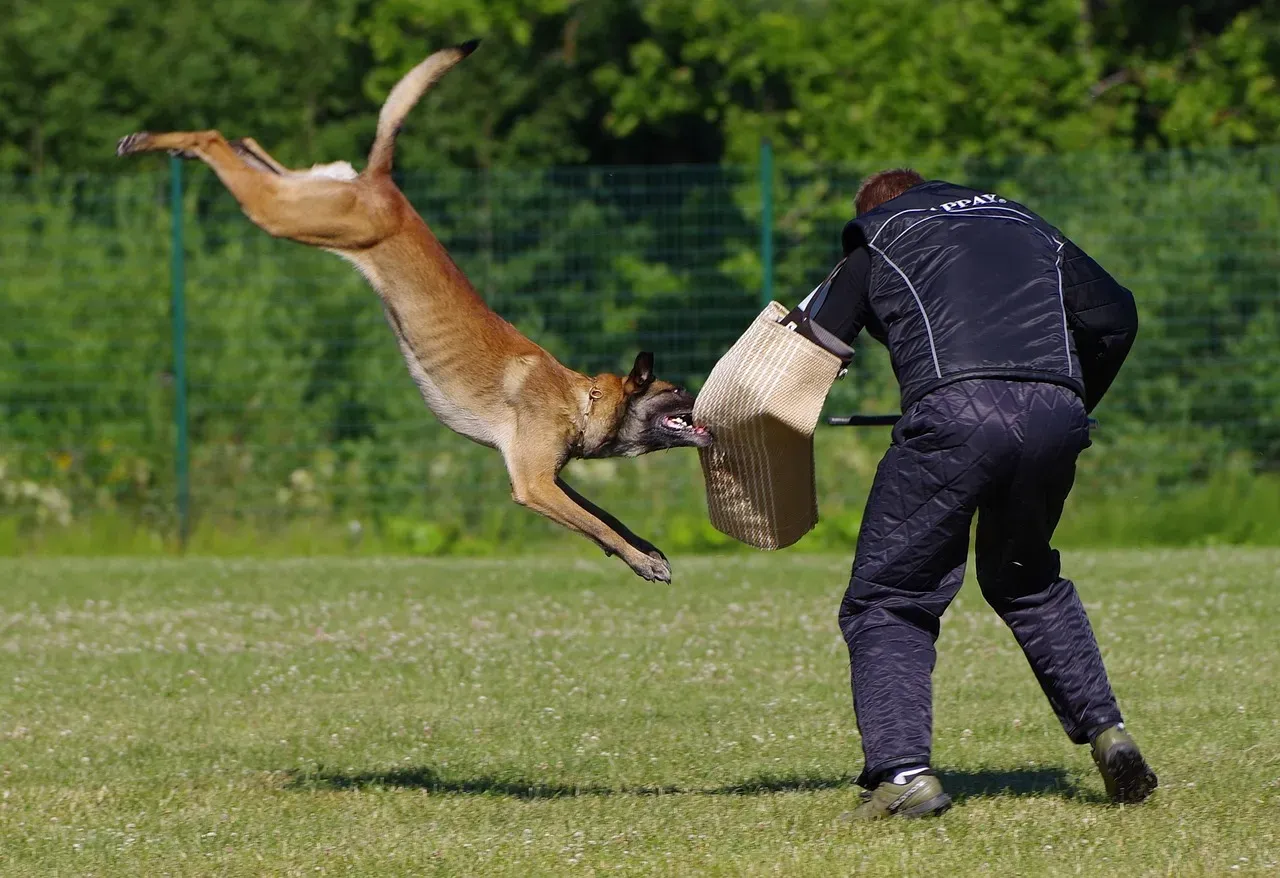
The Belgian Malinois is an intelligent, energetic breed well-suited to military and police work, and they require strong leaders and extensive physical and mental exercise. More and more people have been bringing them home, only to find out just how difficult these dogs can be, as they are very high energy and without training, this breed is prone to becoming destructive, noisy, and even aggressive.
They need a minimum of two to three hours of vigorous exercise daily, incorporating both physical activity and mental challenges, and insufficient exercise can contribute to anxiety, hyperactivity, or destructive tendencies. It’s hard to say for sure, but many owners underestimate this. They see a beautiful dog in a movie and think it’s cool, forgetting that these dogs were literally designed for war zones and high-stakes operations.
Belgian Malinois need extensive training and exercise, so they are not recommended for first-time dog owners. Think about it like this: imagine adopting a perpetual motion machine that also happens to be smarter than half the people you know. Without the firm training and guidance of an experienced pet owner, they’re prone to neurotic and destructive behavior.
The Akita: Loyalty Wrapped in Stubbornness
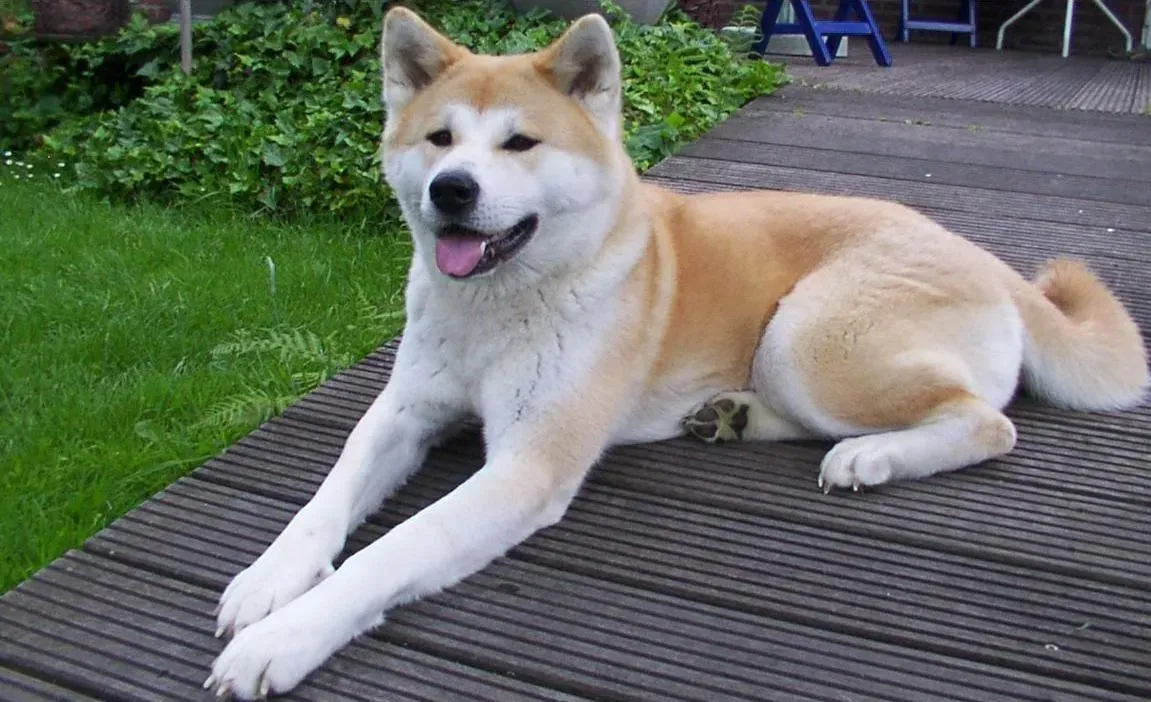
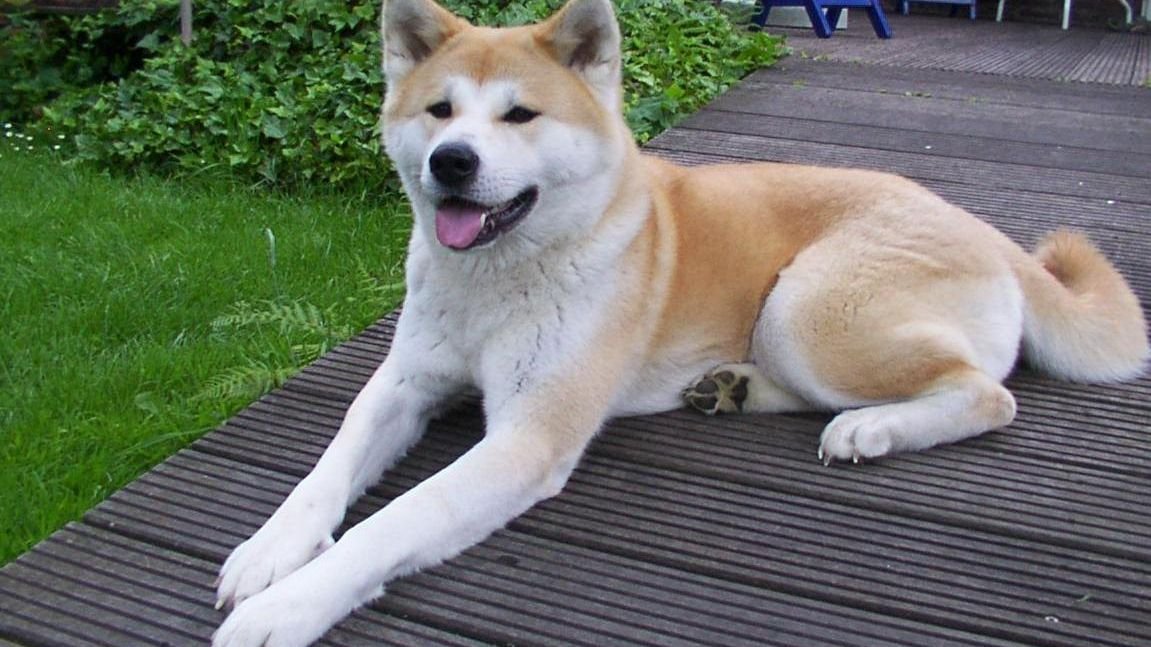
Akitas were bred to hunt big game, so they have a strong prey drive and can be aggressive if not adequately socialized and trained, and they are highly protective by nature, often wary of strangers and do not always get along with other dogs, requiring an experienced pet parent to keep them grounded. This isn’t a dog that will automatically love every person who walks through your door.
The large size of the Akita can make him difficult to control and so is not a breed suitable for everyone, as he has extreme strength and endurance and needs dedicated training to help him properly channel energy, yet being an intelligent breed, the Akita can easily become bored with training. Here’s the thing: Akitas are fiercely independent. While they are an intelligent breed, they are incredibly headstrong and can have a stubborn streak, requiring an experienced pet parent handler, and early training and socialization during puppyhood is a must.
Roughly about one in three Akita owners I’ve spoken to mention the challenge of managing their dog’s territorial nature. The Akita has a strong and dominant personality that not everyone can handle, especially first-time dog owners, and they need a family that can commit to lifelong training and strict home rules. You have to earn their respect, not demand it.
The Cane Corso: Gentle Giant With a Dominant Streak
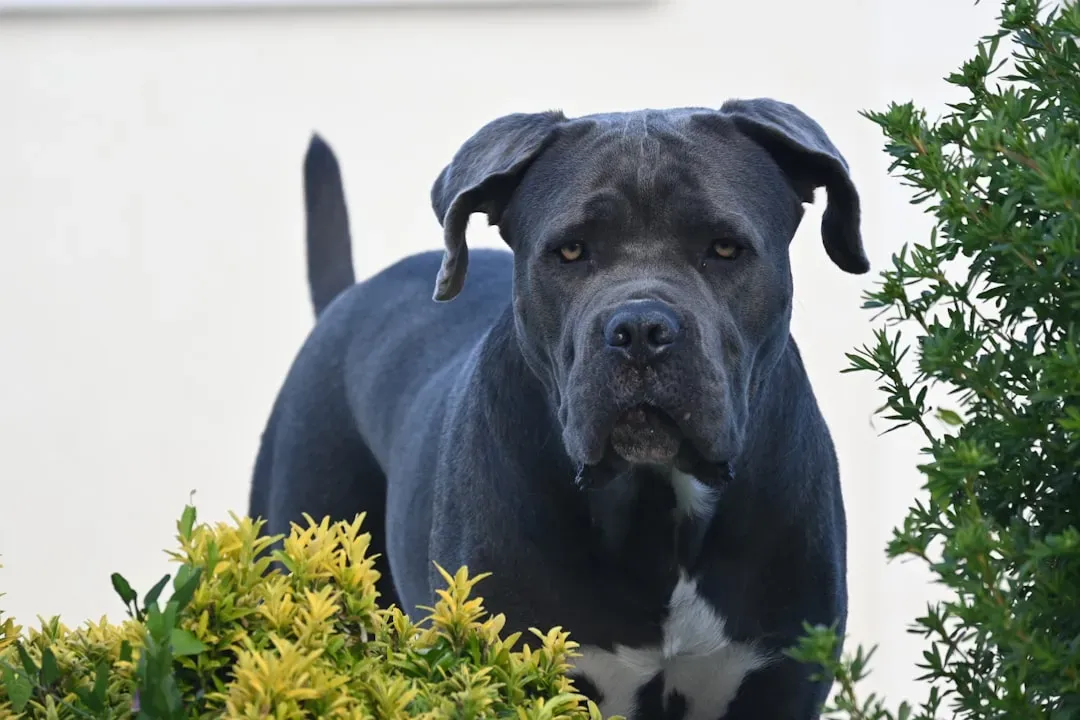
All Cane Corso puppies are sweet and adorable when you bring them home, but this darling little thing is going to grow very quickly into a large dog that can be strong willed and has a dominant nature, and you, as the new owner, must establish control and dominance at an early age, or this lovable little puppy can turn into a real problem in a very short time. Let me emphasize this: we’re talking about a dog that can weigh over 100 pounds with protective instincts hardwired into their DNA.
Cane Corsos are a challenging breed and are not generally a good fit for inexperienced dog owners, requiring a solid background in dog training, behavior, the laws of learning and canines, in general, to succeed. Without proper training and early socialisation, they can become overly aggressive or territorial, and Cane Corsos have a strong independent streak, so it’s important to establish leadership early.
Although smart, Corsos aren’t exactly known for being eager to please and they get bored quickly, so keep training sessions short, exciting and fun, reinforcing obedience and desired behavior with high-value treats and lots of praise. The vast majority of behavioral issues I’ve seen with this breed stem from owners who treated them like lap dogs during puppyhood. If you fail to be the Pack Leader with the Cane Corso, this can cause problems, as the Cane Corso by nature is not a push over and will gravitate toward being in charge given the chance.
The Australian Cattle Dog: Relentless Energy Meets Sharp Intelligence

The Australian Cattle Dog is known for its remarkable energy levels, originally bred for hard work, and these dogs thrive on physical activity and mental stimulation, requiring regular exercise to prevent boredom, which can lead to destructive behaviors, with daily walks, runs, and play sessions being essential to keep them happy and healthy. I know it sounds crazy, but these dogs can literally outsmart you if you’re not careful.
As a general guideline, an Australian Cattle Dog requires at least two hours of exercise each day. Without adequate physical activity and mental stimulation, these intelligent and energetic dogs may channel their pent-up energy into destructive behaviors such as chewing, digging, and excessive barking. They’re like having a toddler who never tires and also happens to be an Olympic athlete.
Typical ACDs are very smart, high energy dogs best suited to active people who view training and working with a canine companion as a way of life, and leisurely strolls around the neighborhood won’t satisfy the average cattle dog. Australian Cattle Dogs have a powerful herding instinct, which can manifest in various ways, including nipping at heels, chasing, or trying to herd children and other pets, and while this behavior is natural, it can be problematic if not properly managed. Picture your kids running around the backyard while your dog nips at their ankles trying to corral them. Not exactly the family scene most people envision.
The Common Thread: What Makes These Breeds So Challenging
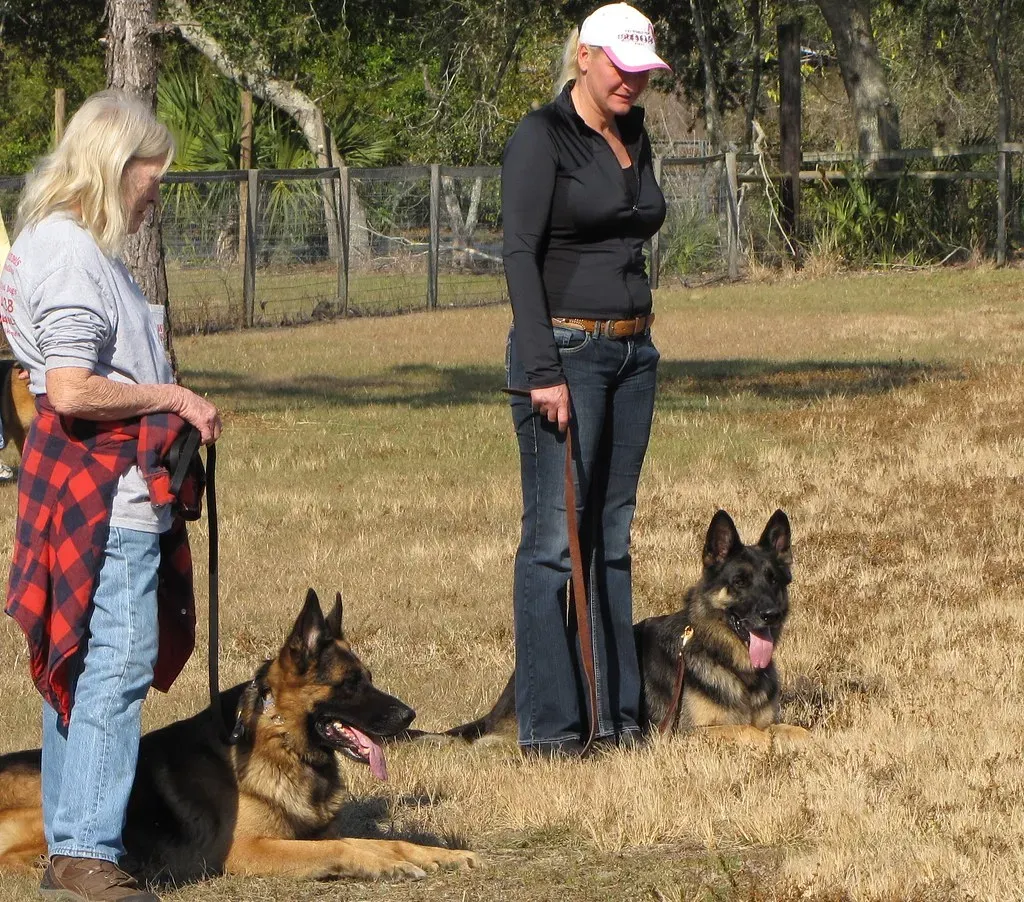
So what ties all these breeds together? Highly independent, task-oriented, stubborn, aggressive, or anxious dogs can be very challenging for first-time pet parents and require intense training and attention. They were all bred to work independently, make split-second decisions, and not back down from challenges. Those are incredible qualities when properly channeled.
Some dog breeds are best suited to experienced owners, as those very traits that make certain breeds so good at the jobs they were bred to do, like hunting big game and guarding their owners and property, can make them a challenge for someone who’s never trained a dog before. It’s not about these dogs being inherently problematic. Rather, it’s about matching the right dog with the right owner who can meet their unique needs.
Nearly half of the behavioral problems seen in these breeds stem from owners who weren’t prepared for the commitment. Early socialization, proper training, and providing adequate mental and physical stimulation are crucial for the well-being and overall behavior of any dog, regardless of breed. Still, with these particular breeds, the margin for error is razor-thin. You need consistency, confidence, and an understanding that training isn’t a phase but a lifestyle.
Conclusion
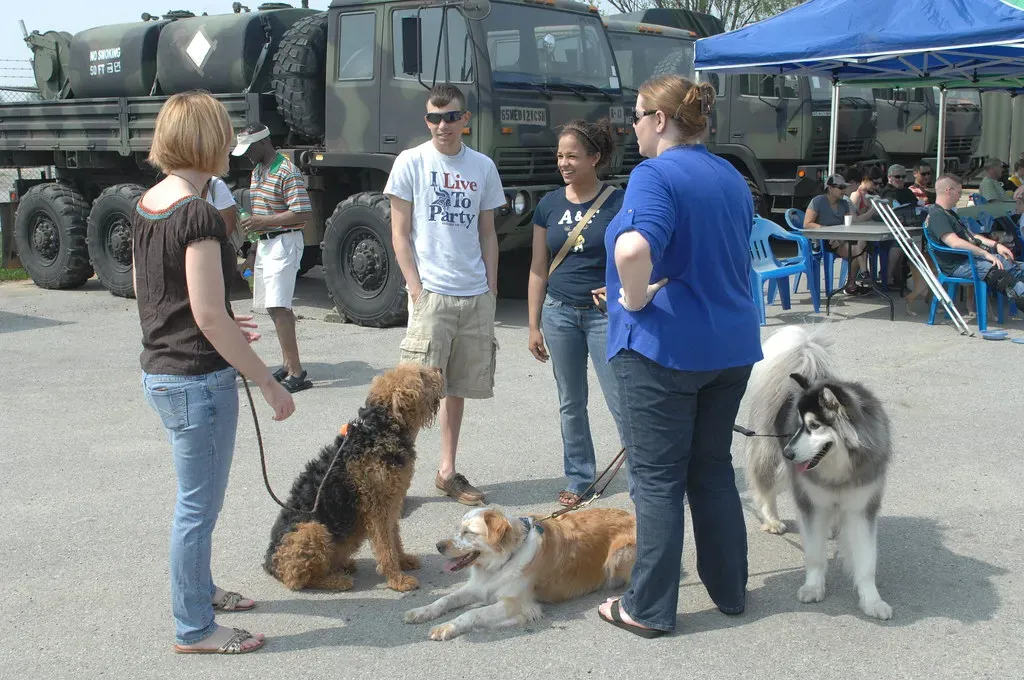
These magnificent breeds aren’t for the faint of heart or the casual dog owner looking for a couch companion. They’re for people who understand that owning one of these dogs means signing up for a partnership that demands respect, energy, and unwavering commitment. If you’re willing to put in the work, learn constantly, and adapt your lifestyle, the rewards are immeasurable. You’ll have a loyal, capable companion who challenges you to be better every single day.
Yet if you’re honest with yourself and realize your lifestyle doesn’t match what these breeds need, that’s perfectly okay. There are plenty of wonderful dogs out there who would be thrilled with less intense requirements. The question isn’t whether these breeds are good or bad. The question is: are you truly ready for what they bring to the table? What do you think? Could you handle the challenge?