
Why Some Dogs Prefer Certain Family Members Over Others: It’s Science!
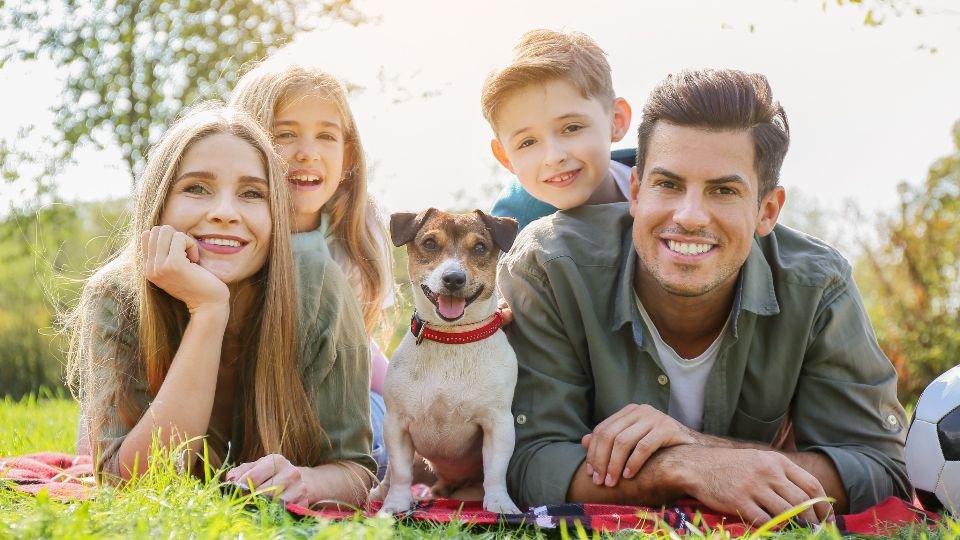
Have you ever wondered why your dog seems to light up when one particular person walks through the door? Maybe they dash straight past you to greet your partner, or they follow your mom around like a shadow whenever she visits. It can feel a little personal, right? You feed them, you walk them, you love them. Yet somehow, they’ve clearly picked a favorite.
Here’s the thing. This isn’t just random canine quirkiness. There’s real science behind why dogs gravitate toward certain people. Researchers have been digging deep into canine cognition, attachment styles, and social behavior to understand these preferences. What they’ve discovered is fascinating and might just help you understand your dog a little better.
The Socialization Window: Why Early Bonds Matter So Much
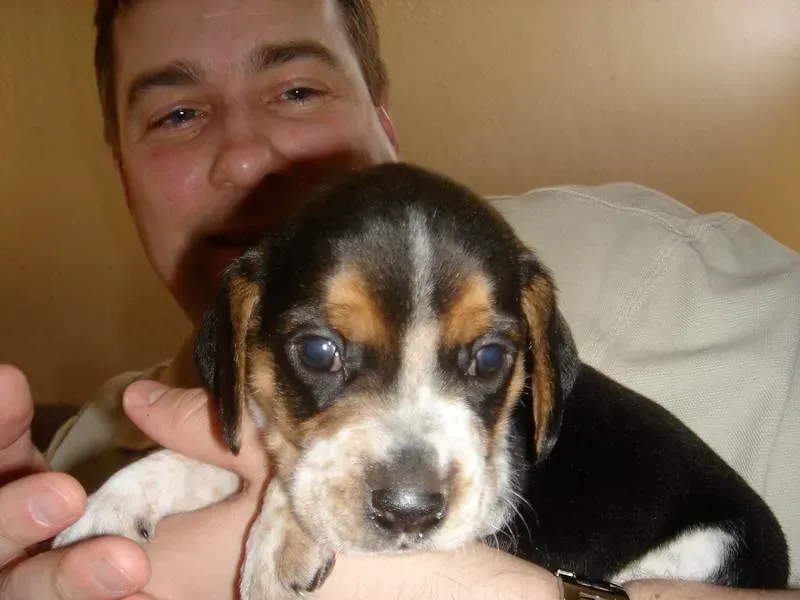
The first six months of a dog’s life represent the critical socialization period, when puppies’ brains are incredibly receptive and dogs often bond hardest with the person who was there for them during this time. Think of it like imprinting, but less dramatic than what you see with baby ducks. The experiences a puppy has in their first few months of life have an oversized impact on their development.
This explains why rescue dogs sometimes struggle to bond immediately with new families. They might’ve formed attachments during that crucial window with someone else entirely. During those first six months, the people they encounter can largely determine who they bond with later in life. If a puppy spent most of that time with one person, that person often becomes the gold standard against which everyone else is measured.
It doesn’t mean you can’t build strong bonds with adult dogs. You absolutely can. It just takes more patience, consistency, and understanding of what your dog needs to feel safe and loved.
Quality Time Trumps Everything Else
Let’s be real. It’s not always the person who feeds the dog or pays the vet bills who becomes the favorite. Dogs tend to build close ties with people who show them the most attention, and it’s not just the amount of attention and affection that matters but also the quality of time spent together.
Sitting on the couch scrolling your phone while your dog lies nearby? That doesn’t really count as quality time. It’s not just about the amount of time you spend with your pooch but also the quality of attention you give them, and sitting on the couch watching TV together isn’t really the same as playing fetch or tug-of-war in the backyard. Dogs know the difference.
A pup’s favorite person is the one who gives them the most high-quality time and attention and shares the most positive energy while showing they genuinely care. That might mean going on adventures together, playing interactive games, or simply being fully present during belly rubs. Dogs can sense when you’re engaged versus when you’re just going through the motions.
Positive Associations Build Lasting Bonds
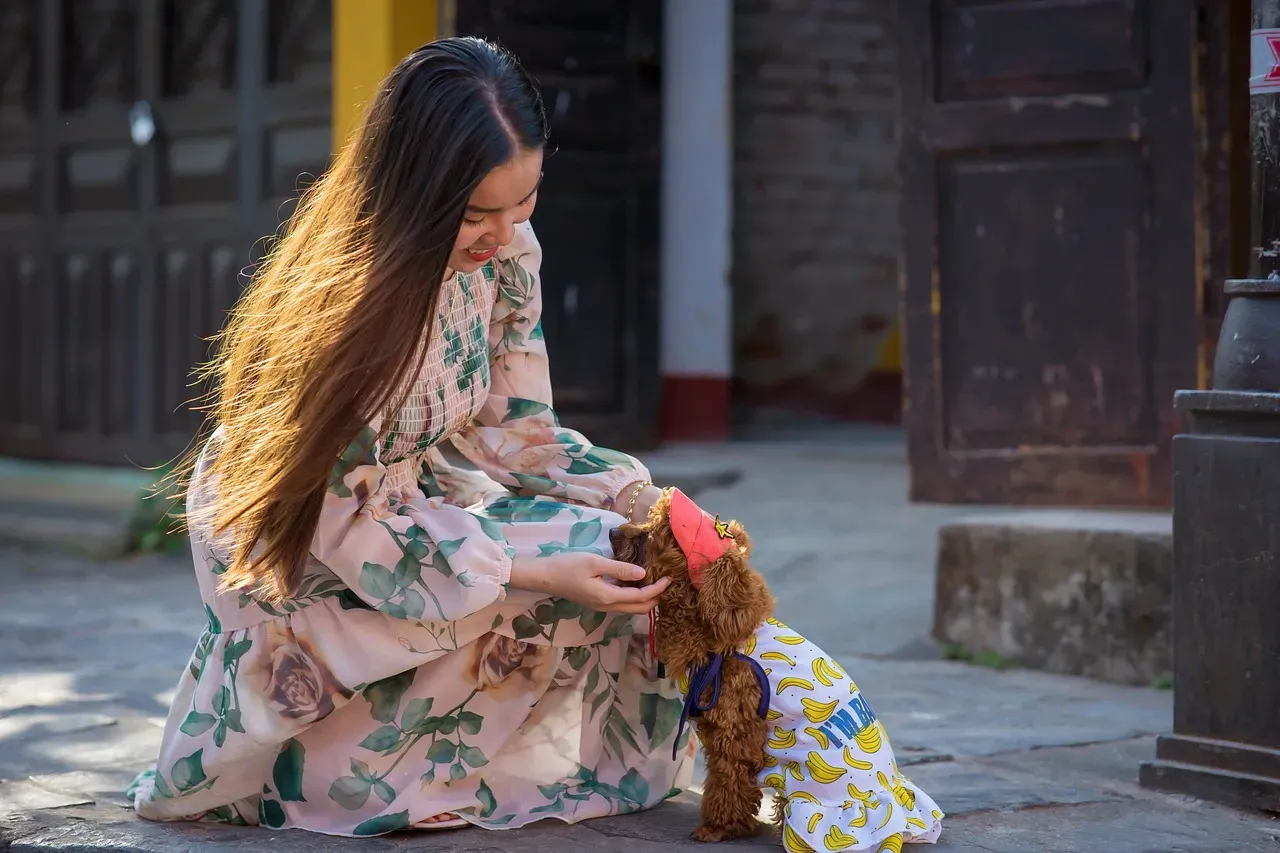
Dogs play favorites depending on associations, and when a person is the source of good stuff, the dog forms a bond, so a dog is going to love the person who always plays tug-of-war or gives them loads of their favorite treats. This isn’t manipulation on the dog’s part. It’s basic psychology. Positive associations are the foundation of cementing a dog’s choice of their favorite person, and a good owner gives their pet many reasons to form these associations, whether long walks, treats for behaving, or a safe place to sleep.
The science gets even more interesting here. One review of 69 studies concluded that the release of the hormone oxytocin in humans and dogs forms the basis of the interactions with our pets and is a factor in social bonding, and it also influenced tear formation when dogs were reunited with their owners. That’s right. Dogs literally have a hormonal response to the people they love most.
Conversely, negative associations stick too. Avoiding negative associations can be just as crucial for bonding with dogs, and it makes sense for a dog to shy away from someone who stepped on their tail or poked and prodded them, like the veterinarian. This is why the vet rarely makes the favorite person list.
Personality Compatibility Is a Real Thing
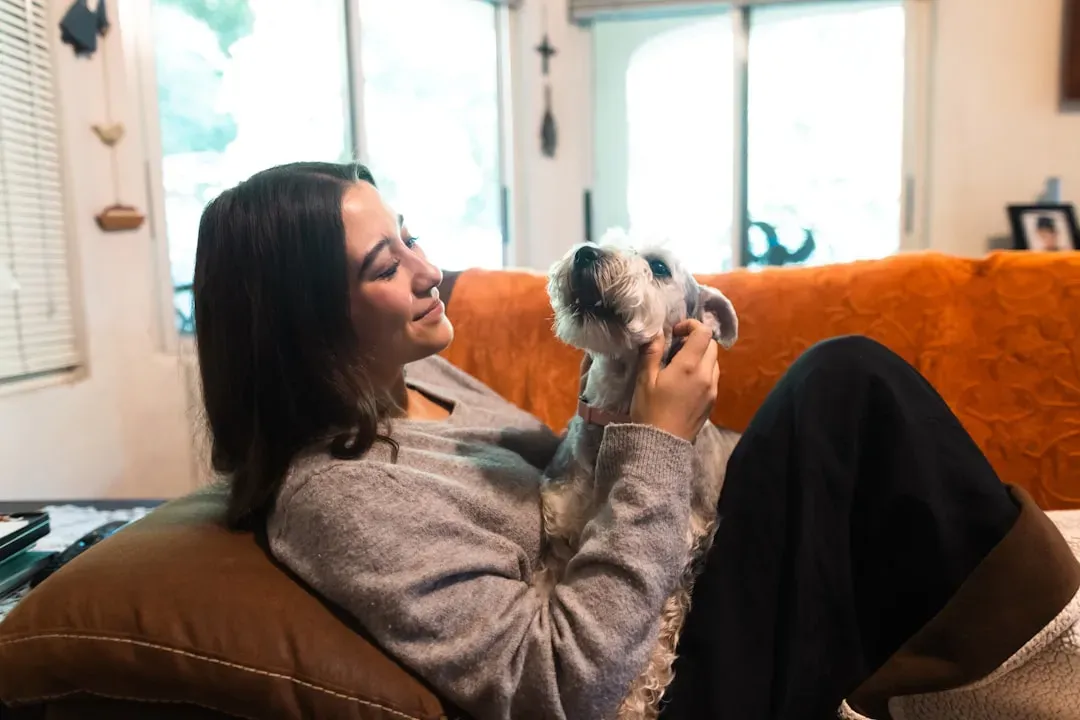
Ever notice how active people tend to have energetic dogs, while calm folks often pair well with mellow breeds? That’s not coincidence. A dog’s favorite person often turns out to be someone who matches their personality and energy levels, and a dog that gets excited by long country walks isn’t going to consider a devoted couch potato very good company.
Dogs are attracted to people who share their vibe and think the same way, so a cautious indoor dog usually prefers an introverted partner, while playful breeds pair up with active partners. It’s honestly kind of beautiful when you think about it. Dogs aren’t just looking for someone to take care of them. They’re looking for companionship that feels right.
Some research suggests dogs resemble their owners, and it makes evolutionary sense for canines to gravitate to someone who looks like them because they may perceive them to be friendly and not a threat. The science here gets a little fuzzy, but there’s something undeniably charming about the idea that dogs might recognize a kindred spirit in certain humans.
Your Emotional State Matters More Than You Think
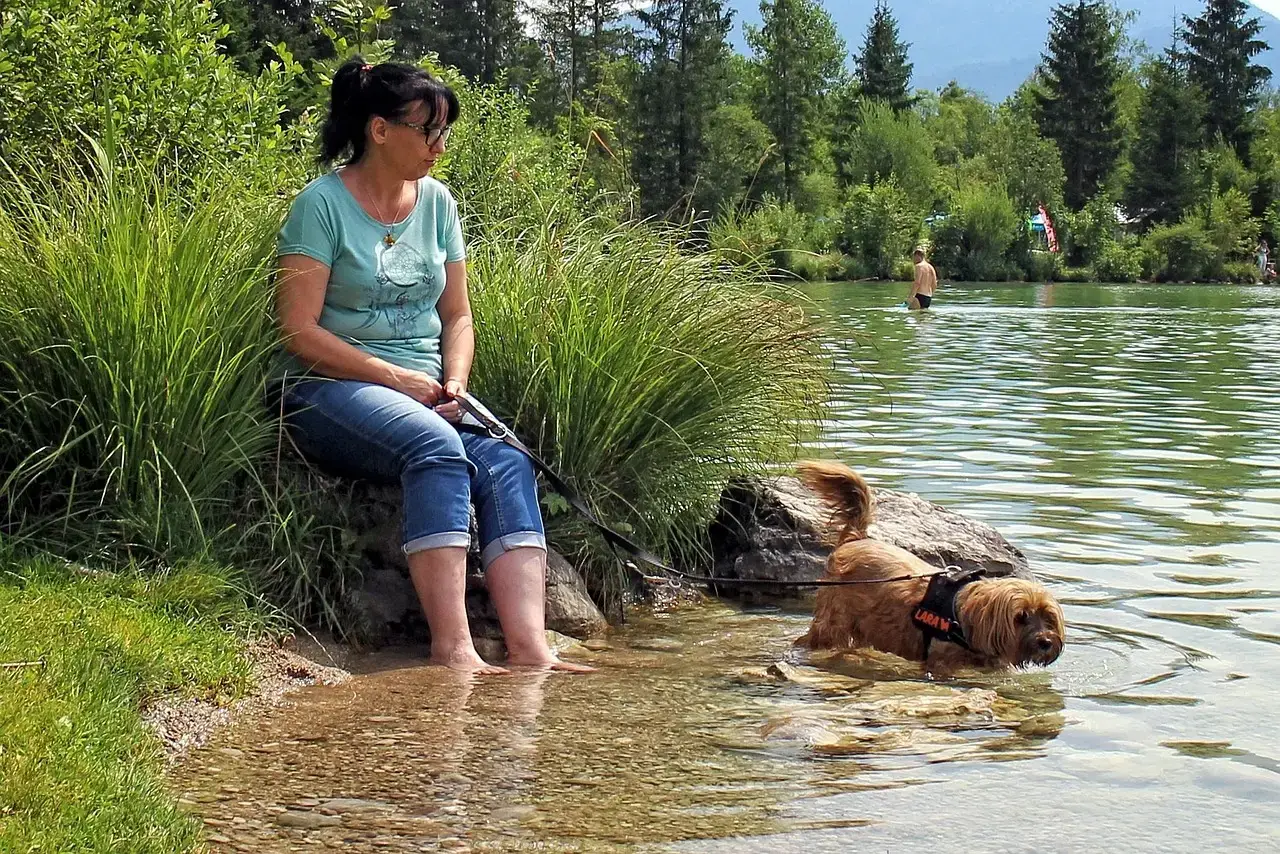
Dogs can sense our emotions, so anyone who is often anxious or nervous can unintentionally push them away. This one hits close to home for a lot of us. If you’re stressed, frazzled, or constantly on edge, your dog picks up on that energy. Dogs are very empathetic types of friends and can sense when something is off, and if you’re very often anxious, irritable, nervous, or too high-energy, it might be intimidating or overwhelming to your furry friend.
Dogs can sense emotions and intentions, which helps them form attachments, and there’s a theory that a person who consistently exhibits kindness, patience and positive reinforcement is likely to be favored by the dog. Calm confidence is what most dogs respond to best. They want someone who makes them feel safe and secure, not someone whose anxiety rubs off on them.
Human factors, including personality and attitudes, influence the dog-human relationship, and both positive attitudes and affiliative behavior seem to contribute to a strong dog-human bond. Honestly, I think this is one of those areas where dogs teach us to be better humans. They reward emotional stability and kindness in ways that feel pure and uncomplicated.
Conclusion
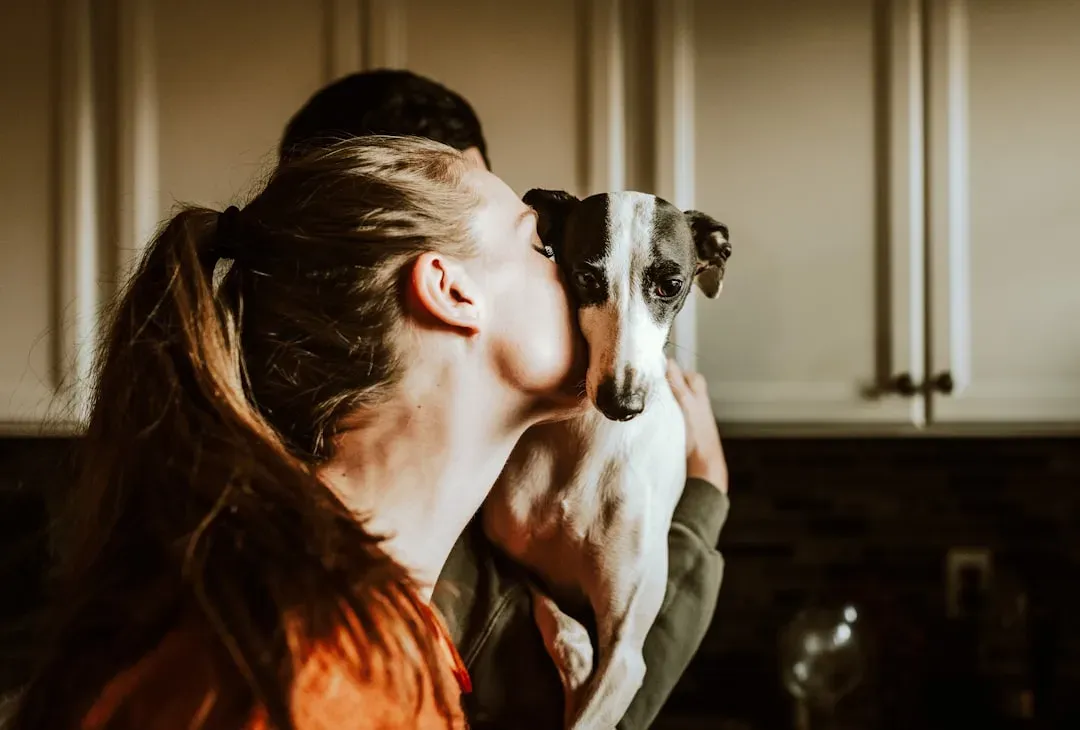
So what do we do with all this information? If you’re not currently your dog’s favorite person, don’t despair. Relationships with dogs are dynamic, just like human ones, so keep showing up, stay consistent, and chances are your bond will grow stronger. Focus on quality interactions. Be present. Match your energy to theirs. Build positive associations through play, training, and genuine affection.
The beauty of dogs is that their capacity for love isn’t limited. They can form deep bonds with multiple people, each relationship unique and special in its own way. The science simply shows us how to nurture those connections more intentionally. What’s your dog teaching you about connection and presence? Have you noticed patterns in who they gravitate toward? Share your experiences in the comments.