
6 Crate Training Myths Vets Wish Owners Would Stop Believing
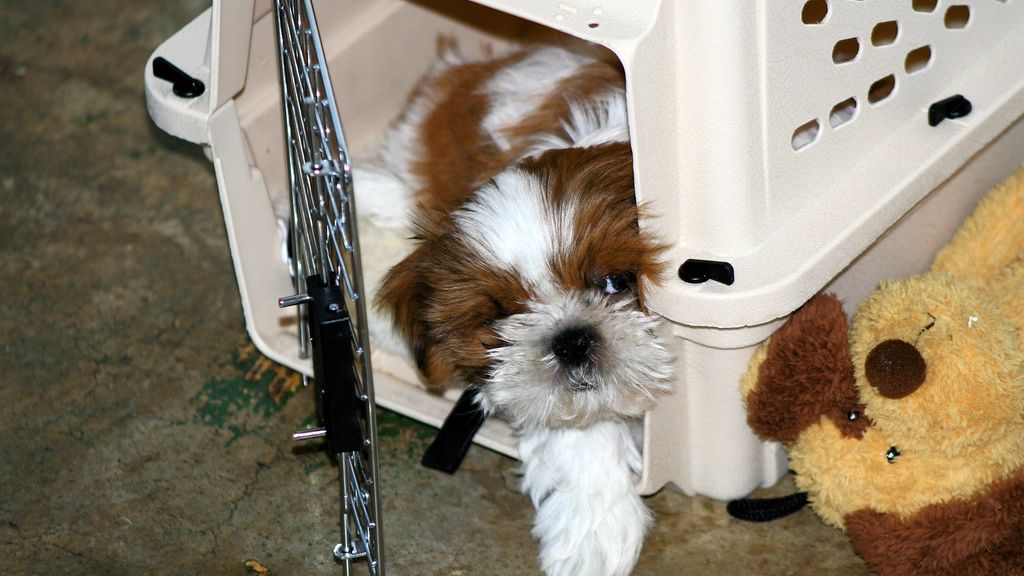
You’ve seen the debates rage on social media, heard the conflicting advice at the dog park, and maybe even felt a pang of guilt every time you close that crate door. Let’s be honest, crate training can feel controversial. Some people swear by it. Others call it cruel. Somewhere in the middle, veterinarians are pulling their hair out trying to dispel myths that just won’t seem to die.
Here’s the thing. When used properly, crates aren’t prisons. They’re tools. Yet misconceptions continue to spread like wildfire, leaving well-meaning dog owners confused and sometimes making choices that actually harm their pups. So let’s clear the air once and for all. Ready to discover which crate training beliefs are holding you back?
Myth: Crate Training Is Cruel and Inhumane
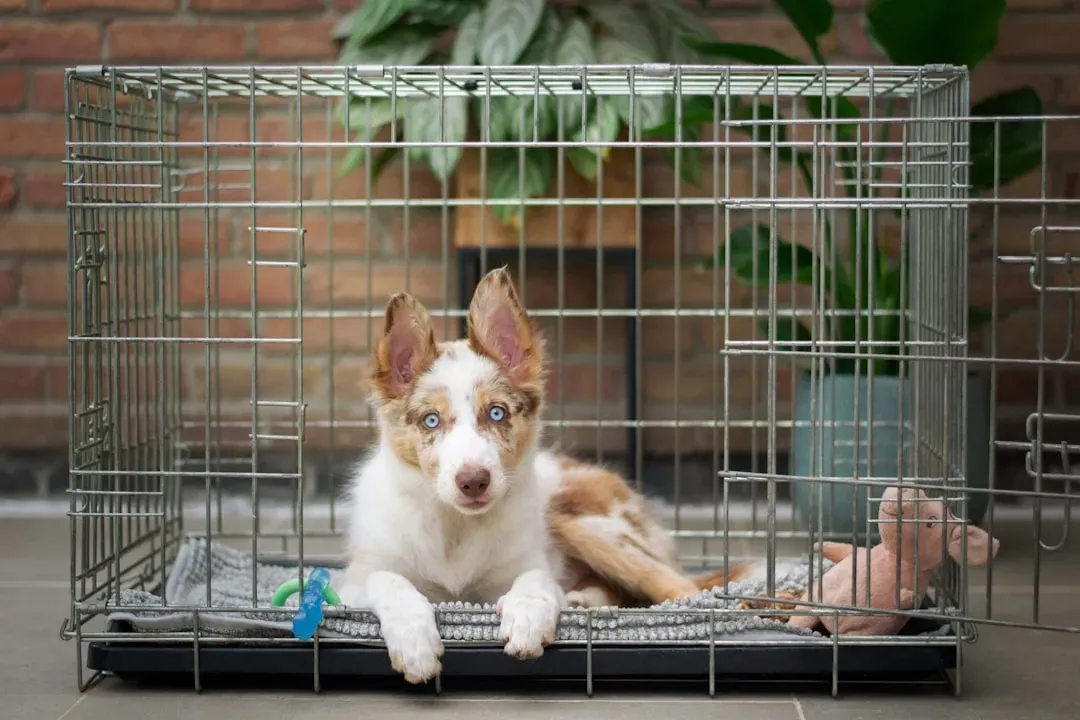
This is probably the most stubborn myth floating around, particularly among first-time dog owners. When introduced properly, a crate acts as a retreat for a dog – a safe place where they can feel secure and relaxed. Think about it from your dog’s perspective for a moment. Dogs are den animals by nature. In the wild, they seek out small, enclosed spaces where they feel protected.
In the wild, dogs naturally seek out dens for sleeping quarters presumably because they are closed with only one entrance, giving the dog a sense of security. Your dog isn’t thinking about freedom the way you are. They’re thinking about safety, comfort, and having their own special spot. The cruelty doesn’t come from the crate itself. It comes from misuse, like leaving a dog confined for excessive hours or using it as punishment.
When done correctly, crate training is not cruel; it provides a safe space for dogs and should never be used as a punishment. Many dogs actually choose to retreat to their crates on their own when they need a break from household chaos. That’s not the behavior of a traumatized animal. That’s a dog who’s learned their crate is a sanctuary.
Myth: Dogs Will Automatically Love or Forever Hate Their Crate
There’s this strange assumption that dogs either take to crates instantly or they’re doomed to despise them forever. Neither is true. Crate training can take time. Some puppies walk right in and curl up for a nap. Others need weeks of patient, gradual introduction before they feel comfortable.
Maybe you brought home a rescue who’d never seen a crate before, or perhaps your puppy is freshly separated from their littermates and everything feels scary right now. It’s very likely that your dog won’t love their crate at first and that’s okay! This isn’t a reflection of failure on your part or a character flaw in your dog.
The key is building positive associations slowly. Feeding meals in the crate, giving special chews like bully sticks or raw rib bones, and giving indestructible toys like benebones in the crate create positive associations. You’re not forcing compliance. You’re teaching your dog that amazing things happen in this space. With consistency and patience, most dogs come around beautifully.
Myth: Crate Training Is Only for Puppies

If you’ve got an older dog, you might think you’ve missed the boat on crate training. Nope. All dogs benefit from crate training as being comfortable and calm in a crate is a crucial life skill for all ages and stages. Life has a way of throwing curveballs, doesn’t it?
Consider this scenario. Your senior dog needs surgery and the vet prescribes crate rest for recovery. Or maybe you need to evacuate during an emergency and shelters require dogs to be crated. Even if your dog does well loose in your home, there are many other scenarios where they may need to be crated – at the groomer waiting for pick up, at the vet before or after a medical procedure, boarding overnight with a trainer or at a kennel facility.
While crate training is commonly associated with puppy training, it can be beneficial for dogs of all ages as older dogs can benefit from crate training for various reasons such as managing anxiety or providing a secure space when needed. Starting earlier is easier, sure, but it’s never too late to help your dog develop this valuable skill. Adult dogs are perfectly capable of learning new routines when approached with kindness and proper technique.
Myth: Crates Should Only Be Used When You Leave Home
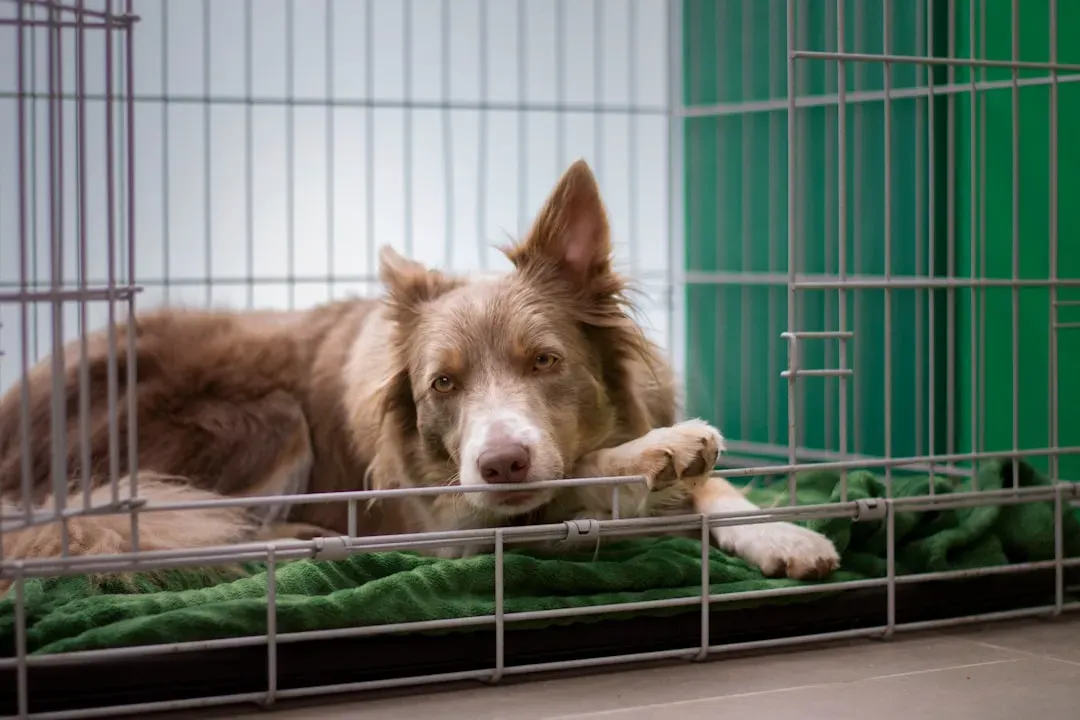
Here’s where a lot of owners accidentally create problems without realizing it. Crating only when you leave the house or when your dog has done something naughty can create or exacerbate separation anxiety as well as build negative associations. Your dog is smart. They pick up patterns faster than you’d imagine.
If the crate only comes into play when you’re grabbing your keys and heading out the door, your dog learns that crate equals abandonment. That’s a recipe for anxiety, not comfort. If you want your dog to be calm and comfortable in the crate, you need to use it regularly as part of your routine, even when you’re home.
Think about times when your dog would normally be resting, and if your dog always dozes after you go on a walk, put them in the crate during this time. Maybe they nap after dinner or relax while you’re watching television. These are perfect opportunities. You’re teaching your dog that the crate isn’t a signal of your departure. It’s just a normal, peaceful part of their day where good things happen, whether you’re around or not.
Myth: Crate Training Will Cure Separation Anxiety

Let’s get real about this one because it’s genuinely harmful when misunderstood. Crate training does not cure separation anxiety, and for some dogs, it can support a larger plan by limiting frantic movement and creating predictability. There’s a massive difference between support and solution.
Dogs with separation anxiety can be extremely difficult to crate train – the crate should feel like a safe and secure space, but being kept away from us can make them feel the opposite. If your dog is already panicking when you leave, confining them to a small space can actually intensify that panic. Some dogs will injure themselves trying to escape.
Signs that crate-based work is not appropriate include self-injury, frantic escape attempts, refusal of food when left, or escalating distress even with very short absences. True separation anxiety requires a comprehensive behavior modification plan, often involving desensitization training and sometimes medication. Having a crate-trained dog won’t solve the problem of separation anxiety as it can only really be solved via counterconditioning and desensitization practices, so consult a veterinarian if you’re running into issues like this. The crate might be part of the toolkit, but it’s never the whole solution.
Myth: Crate Training Delays Housebreaking

You might have heard someone say that crating actually makes potty training harder. That’s backwards. Puppy and dog owners often turn to crate training as an aid to housebreaking, and it produces good results because dogs do not like to urinate and defecate in their den, so they are hesitant to soil the crate.
Now, there’s a caveat here about realistic expectations. Puppies do not develop full bladder control until they are about 6 months old. That means you can’t expect a tiny puppy to hold it for eight hours just because they’re in a crate. That’s setting everyone up for frustration and accidents.
Dogs soon learn that going outside after confinement in the crate overnight gives them the opportunity to relieve their bladder and bowels, but what actually delays housebreaking is giving an untrained dog the run of the house and allowing it to eliminate anywhere. The crate creates clear boundaries. Your dog learns where it’s acceptable to go and where it isn’t. Pair appropriate crate time with regular potty breaks, and you’ll see faster progress than with almost any other method.
Conclusion
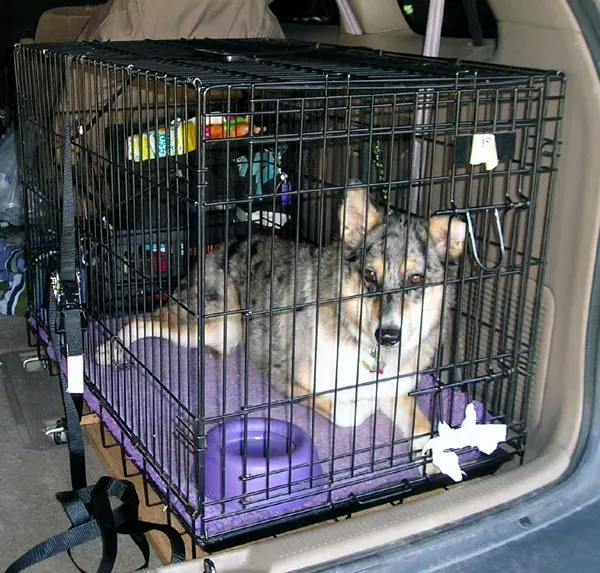
Crate training isn’t the villain it’s sometimes painted to be, nor is it a magic cure-all for every behavioral challenge. It’s a tool, one that works beautifully when used with patience, consistency, and genuine understanding of your dog’s needs. The myths we’ve explored today often stem from misuse or misunderstanding, not from any inherent problem with crates themselves.
Your dog deserves to have a safe space they can truly call their own. Whether it’s for travel, recovery from surgery, or simply a quiet retreat during a hectic day, a properly introduced crate can become one of your dog’s favorite places. Take your time with the training. Watch for your dog’s signals. Never use the crate as punishment.
What’s your experience been with crate training? Did any of these myths surprise you? Your dog is counting on you to see past the noise and give them the tools they need to thrive.