
The Simple Reason Your Dog Follows You Everywhere: It’s Adorable!
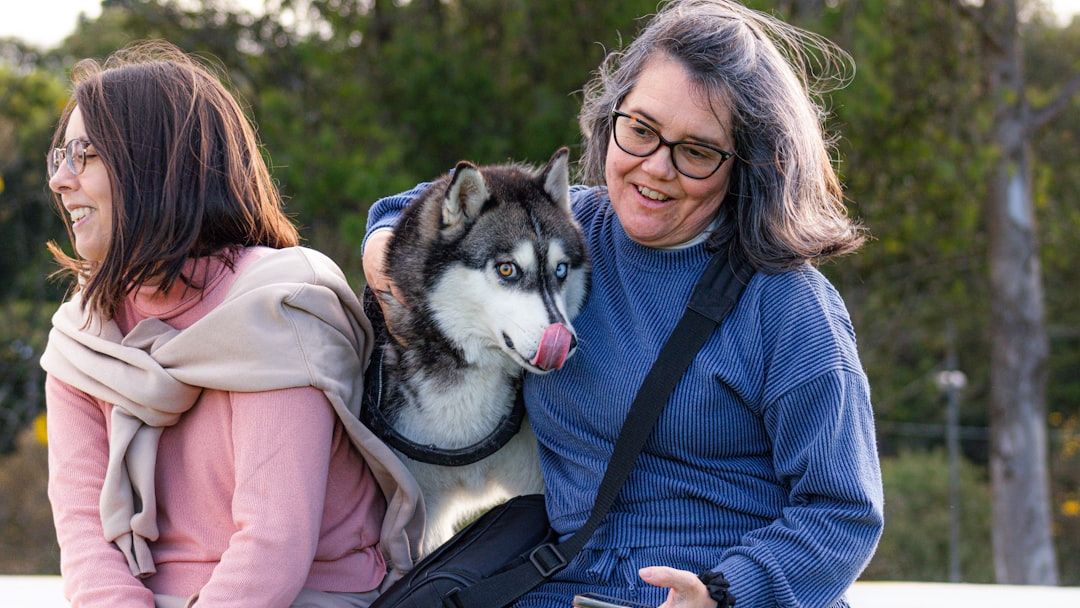
Have you ever tried to take a shower in peace, only to find your dog staring at you through the glass door? Or maybe you’ve gone to the bathroom and noticed a familiar snout pushing under the door. If you’re nodding right now with a smile and maybe an eye roll, welcome to the club. You’re living with a dog who thinks you’re their entire universe, and honestly, there’s a fascinating science behind this behavior that goes way deeper than you might imagine.
It’s easy to assume your pup is just being needy or even a little odd. The truth is far more heartwarming and rooted in thousands of years of evolution, brain chemistry, and the incredible bond we share with our four-legged companions. Let’s dive into why your dog shadows you from room to room and what it really means.
Love Written in Their DNA
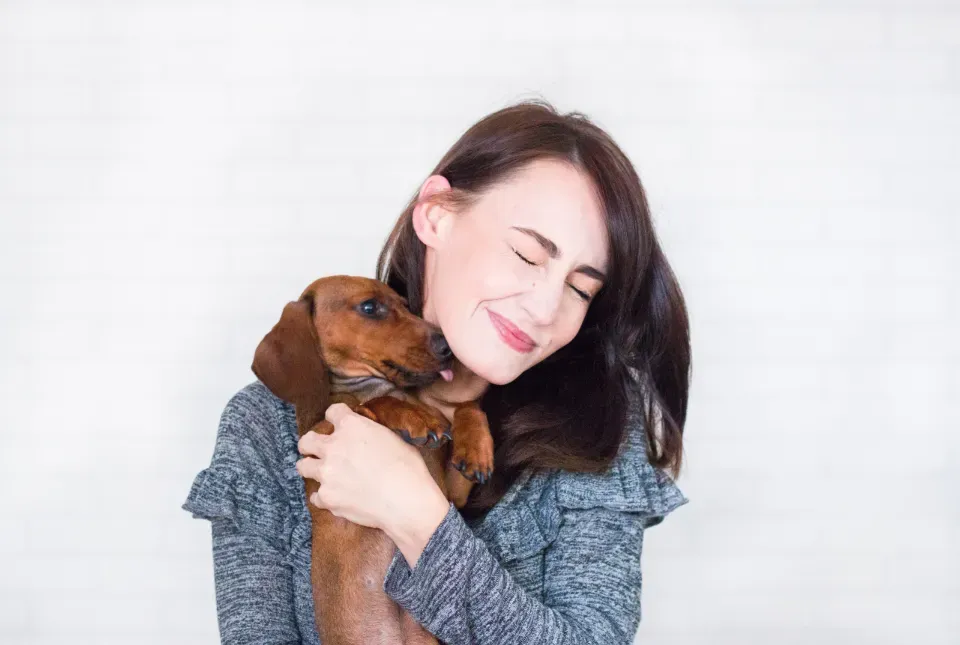
When dogs interact with someone they like, the hormone oxytocin is released, often referred to as the ‘love hormone’. This is the same hormone that floods a mother’s body when she gazes at her newborn baby. Think about that for a second. Your dog isn’t just hanging around you out of boredom or habit – they’re experiencing a genuine, biological rush of affection.
Research shows that when our canine pals stare into our eyes, they activate the same hormonal response that bonds us to human infants. It’s a feedback loop of love, really. Your dog looks at you, oxytocin surges through both of your systems, and suddenly you both feel warm, connected, and safe. Thanks to 15,000 years of domestication, dogs’ attachment has shifted from other dogs to humans. That’s right – your dog has been genetically wired over millennia to see you as their family, their pack, their everything.
It’s not manipulation or dependence in the way we might worry about. It’s pure, unconditional connection. You are your dog’s whole world and being with you is a big part of their life. They’re not just following you because they’re needy. They’re following you because being near you literally makes them feel good on a chemical level.
Pack Mentality Meets Modern Living
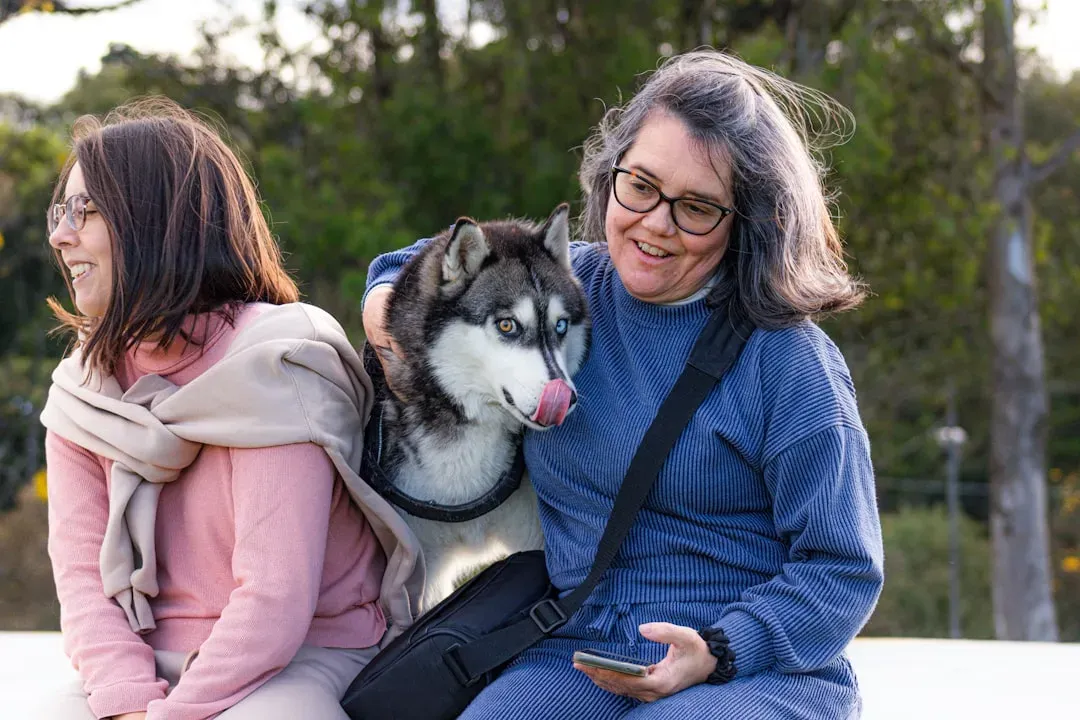
Dogs in the Working Group or Herding Group are bred to work side-by-side with humans, and that instinct doesn’t just vanish when they’re lounging on your couch. If you’ve got a Border Collie, Australian Shepherd, or even a Golden Retriever, their desire to stick close isn’t accidental. It’s a trait that’s prized and bred into their genetic history.
But here’s the thing – even mixed breeds and lap dogs can become your shadow. Dogs are inherently social creatures. In the wild, canines travel in packs for safety, food, and companionship. Following around the ‘alpha’ dog is a key survival instinct that comes from wolves travelling in packs, and your dog staying close to you means in their eyes, you are the leader. You’re not just their person – you’re their guide, protector, and source of stability.
It’s honestly kind of humbling when you think about it. Your dog doesn’t see you as someone who just feeds them and opens doors. They see you as the center of their social world, the one they trust most. So when you head to the kitchen at midnight for a snack, don’t be surprised if you’ve got a furry companion trailing behind. They’re not being clingy – they’re being loyal.
You Might Be Rewarding the Behavior Without Realizing It
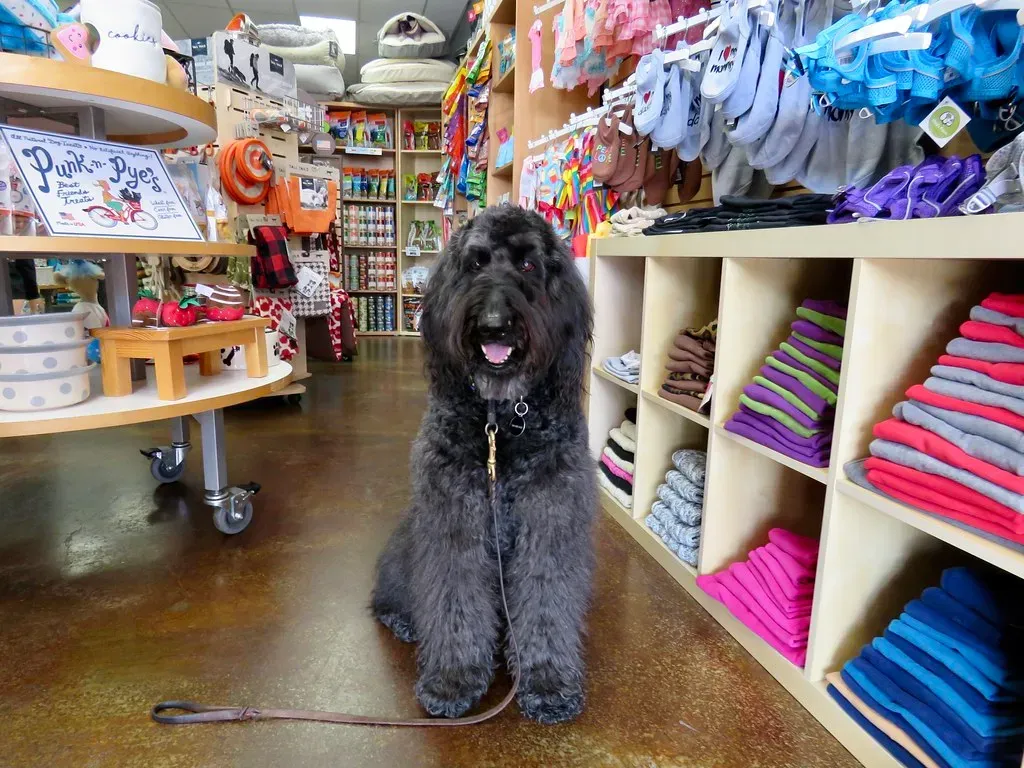
Let’s be real for a second. How often do you give your dog a little pat on the head when they follow you into the living room? Or maybe you slip them a treat when they’re sitting adorably at your feet while you cook dinner. It’s possible that your dog has learnt that if they follow you around then they get good things, and giving them reassurance, attention and treats every time they follow you encourages them to keep doing it.
You’ve basically trained them, without meaning to, that sticking to you like Velcro equals rewards. And dogs are smart – they pick up patterns fast. Dogs remember their daily routines and will get excited around those times and will likely follow your every move in anticipation of his reward. If you always feed them at the same time or take them for a walk every morning, they’ll start shadowing you in anticipation.
This isn’t a bad thing, by the way. It just means your dog is observant and motivated by the good stuff that comes from being near you. Still, if the constant companionship is getting overwhelming, it might be worth reassessing how and when you’re offering attention. Ignoring the following behavior and rewarding independent relaxation can help create a healthier balance for both of you.
Sometimes It’s About Anxiety, Not Just Affection
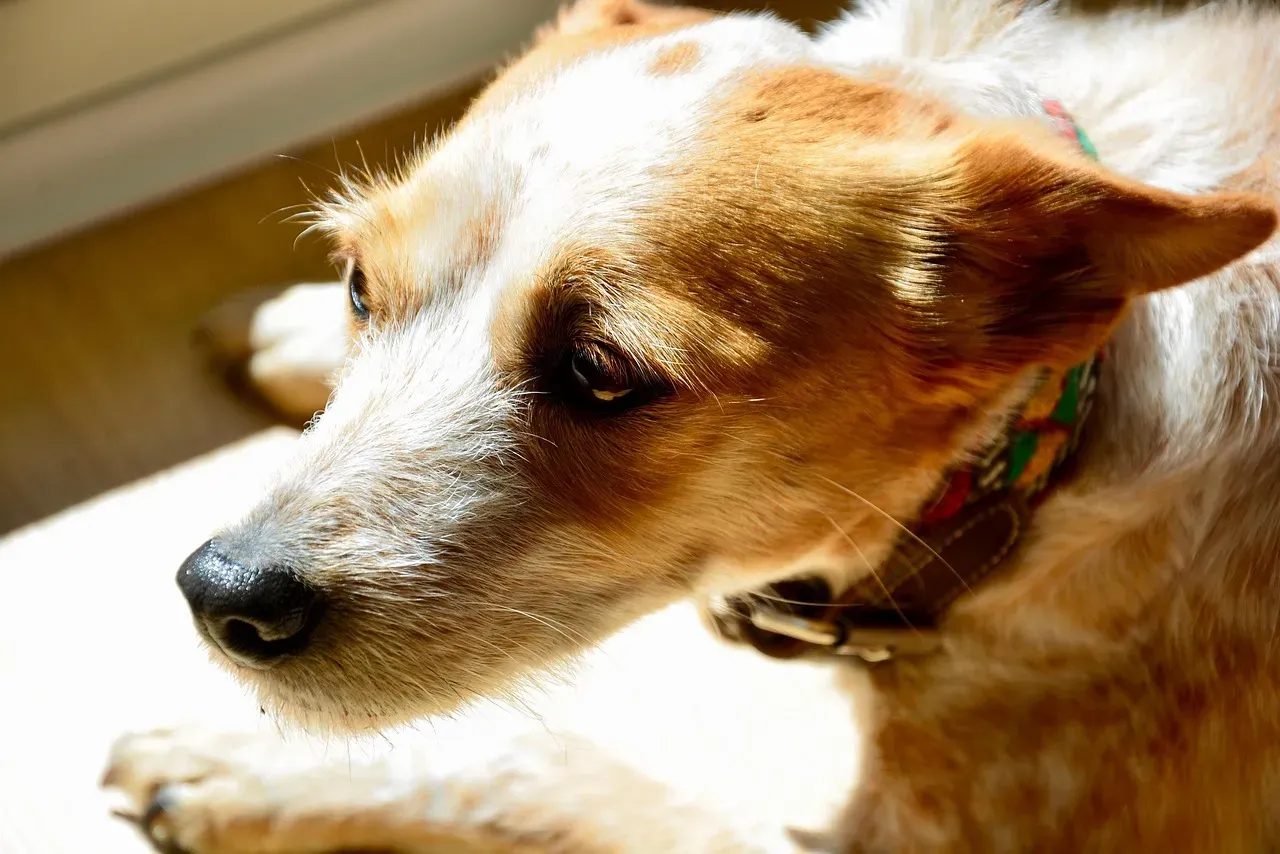
There’s a fine line between your dog following you around in a healthy, calm way, and separation anxiety, where your pooch is distressed and won’t let you out of their sight because they’re nervous and fearful of being alone without you. Not all shadow dogs are anxious dogs, but it’s worth paying attention to how your pup behaves when you’re not around.
A velcro dog might be a bit put out when you leave the house, but one with separation anxiety will experience emotional distress and panic when left alone. Signs include destructive chewing, excessive barking or howling, accidents in the house, and even self-harm like obsessive paw licking. Anxiety and the need to feel supported by their owner is the No. 1 reason dogs follow their humans, according to some veterinary behaviorists.
If your dog panics when you close the bathroom door or becomes frantic when you grab your keys, that’s different from a dog who just prefers your company. If your dog panics when they are separated from you, this is concerning and should be treated. A vet or certified behaviorist can help you figure out whether your dog’s clinginess is harmless affection or something that needs intervention.
The good news? Separation anxiety is treatable. Desensitization exercises, where you gradually increase the time your dog spends alone, can work wonders. Some dogs also benefit from calming supplements or medication prescribed by a vet. The key is recognizing the signs early and not dismissing them as “just being attached.”
What to Do If It Becomes Too Much
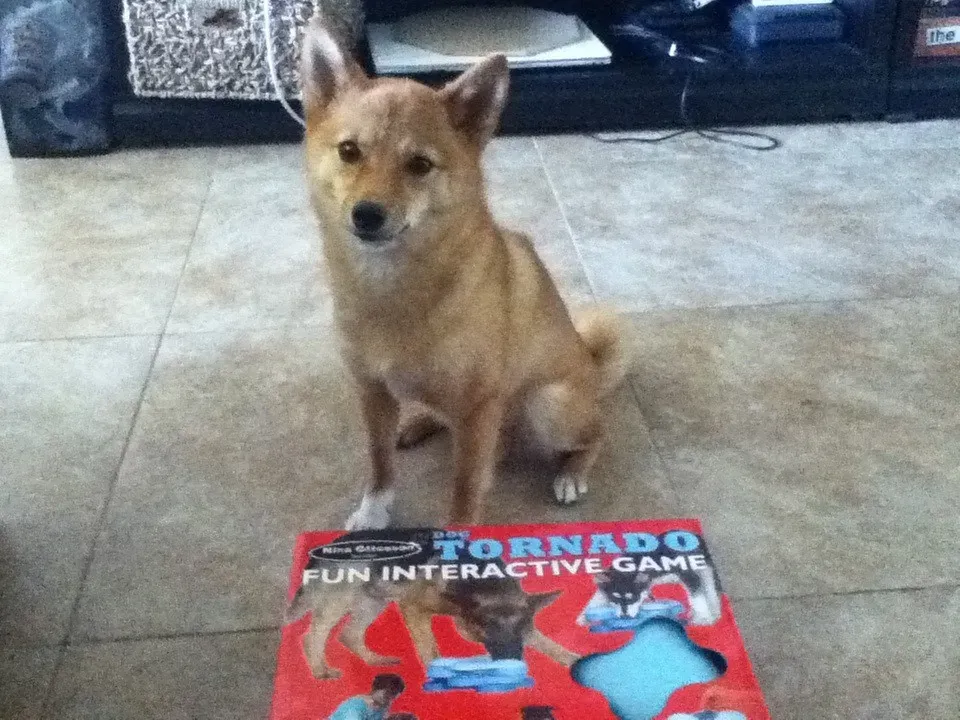
Look, I get it. As adorable as it is to have a devoted companion, sometimes you just need five minutes alone without a furry audience. The first step is to make sure your dog is getting plenty of exercise, as a tired dog is usually a content dog and less likely to continually follow their owners. A good walk or play session can do wonders for settling a restless pup.
Providing your dog with food-filled toys, treat dispensers, and puzzle toys helps stimulate his brain and alleviate boredom. Mental stimulation is just as important as physical exercise. A bored dog will follow you around looking for something to do, but a dog with a puzzle toy or a long-lasting chew is happily occupied.
You can also teach your dog that it’s okay to have their own space. If you switch your expectations and totally ignore your dog while they are following you and only pay attention or give treats once your dog has settled in another area, you will start to break the habit of trailing you. It might feel a little harsh at first, but you’re teaching them independence, which is healthier in the long run.
Setting boundaries doesn’t mean you love your dog any less. It means you’re helping them become more confident and secure, even when you’re not in the same room. And honestly? A dog who can relax on their own is a happier, more well-adjusted dog.
Conclusion
Most of the time, when your dog follows you around, it’s just a sign of love, loyalty, and a desire for companionship. It’s one of the purest expressions of the bond you share – a bond that’s been thousands of years in the making. Your dog isn’t trying to annoy you or invade your personal space. They’re simply doing what their heart, their history, and their brain chemistry tell them to do: stay close to the person they love most.
If the behavior crosses into anxiety territory, there’s help available. But if your dog is just a happy shadow who trails you from the couch to the kitchen and back again? Embrace it. Those little paws padding behind you are a daily reminder that you matter more to someone than almost anything else in the world.
What do you think – do you love having a velcro dog, or do you crave a bit more space? Tell us in the comments!