
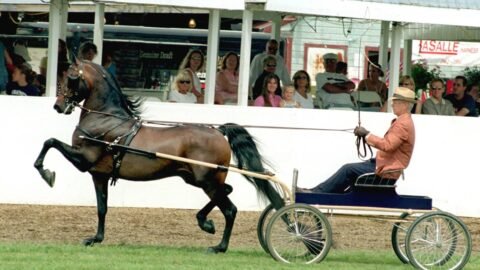
Stepping into the world of horseback riding can be both exhilarating and honestly a bit nerve-wracking. Finding a horse that won’t startle at every leaf rustling in the wind or, worse yet, leave you wondering if you’ve made a terrible mistake is crucial. Here’s the thing though. The relationship between a new rider and their first horse can define an entire equestrian journey.
Some breeds have earned reputations among trainers for being patient teachers. These horses don’t just tolerate beginners. They genuinely seem to understand the learning curve and work with you rather than against you. So let’s dive into the breeds that experienced horse professionals consistently recommend to first-time owners and riders who are just finding their footing.
American Quarter Horse
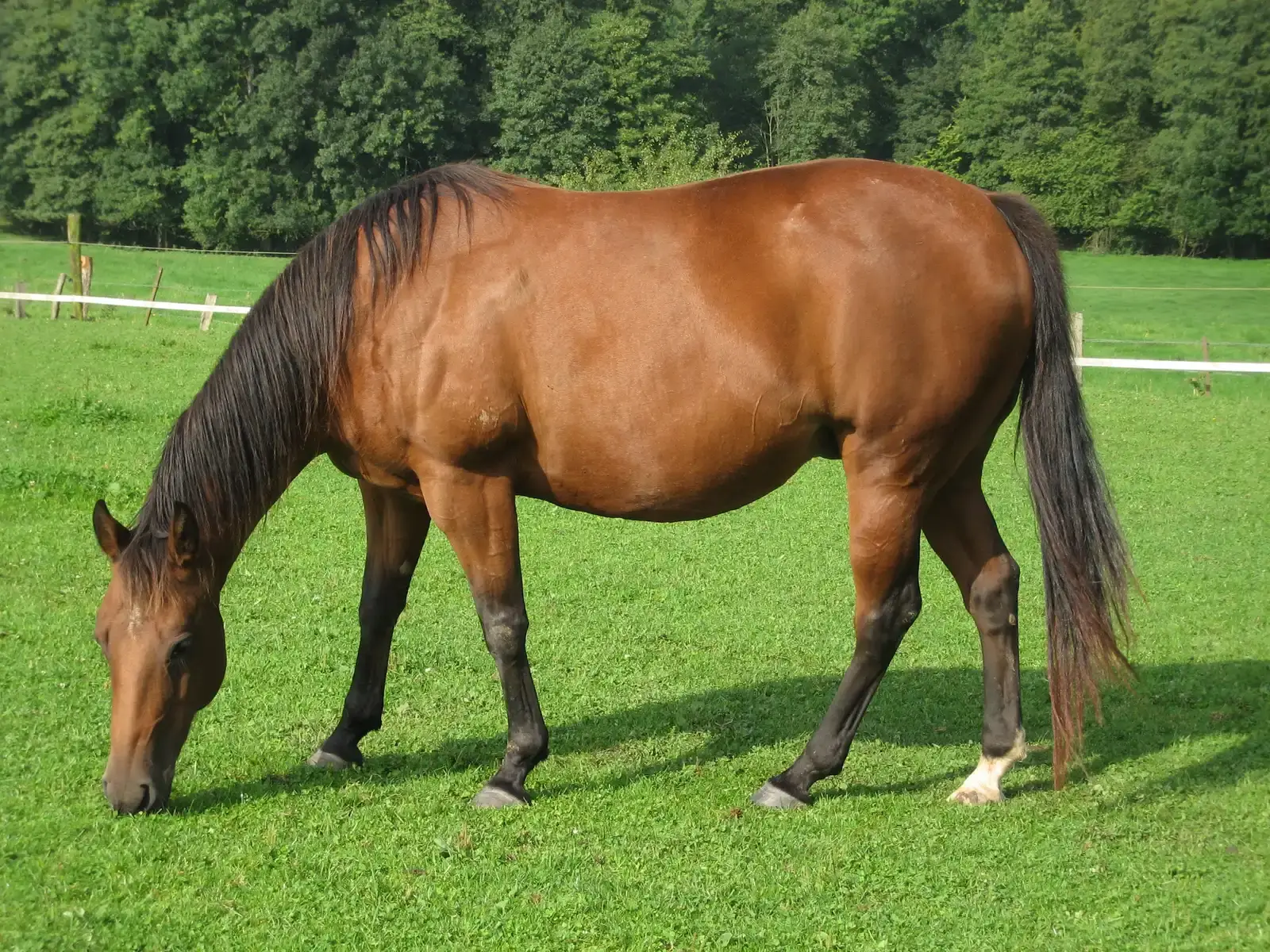
The American Quarter Horse is arguably the most popular breed in the United States, and for good reason. They are renowned for their calm, steady demeanor and versatility. These horses are practically the gold standard when it comes to beginner mounts.
Quarter Horses are famously level-headed and gentle. They are dependable and tend to form strong bonds with their owners, making them a fantastic choice for a first horse. Their intelligence makes them quick learners who genuinely seem to want to please.
What’s remarkable is their adaptability. They excel in a variety of disciplines, from western pleasure and trail riding to ranch work. Whether you’re interested in exploring trails or working on basic arena skills, a Quarter Horse will likely keep pace with your interests. Their intelligence and desire to please make them one of the easiest breeds to train.
Morgan Horse
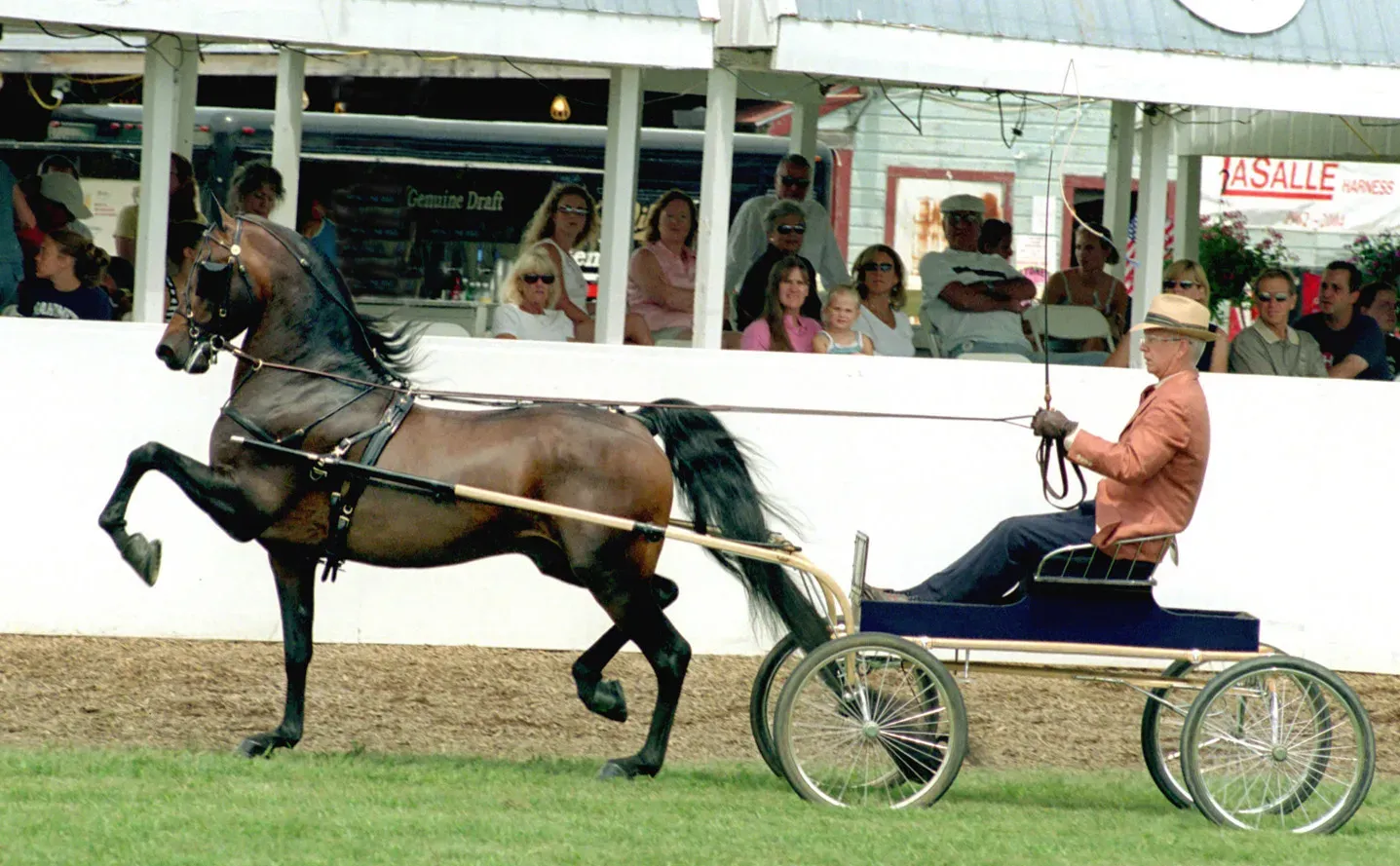
The Morgan horse nearly always tops the list of recommended breeds for newer riders. Considered America’s first breed in the 18th century, the Morgan is known for being kind and courageous. I think what sets Morgans apart is their genuine enjoyment of human company.
Morgans are known for being spirited but sensible. They are brave and good-natured, making them reliable partners on the trail or in the arena. They don’t just tolerate you fumbling through learning to tack up or mount. They seem to actively participate in the process with patience.
This breed is smart and learns quickly. Their cooperative nature means they willingly take to new tasks, whether it’s learning dressage, navigating an obstacle course, or simply being a dependable family horse. They are generally hardy and have strong feet, often requiring less intensive care than more delicate breeds. That’s a blessing when you’re already learning the ropes of basic horse care.
American Paint Horse
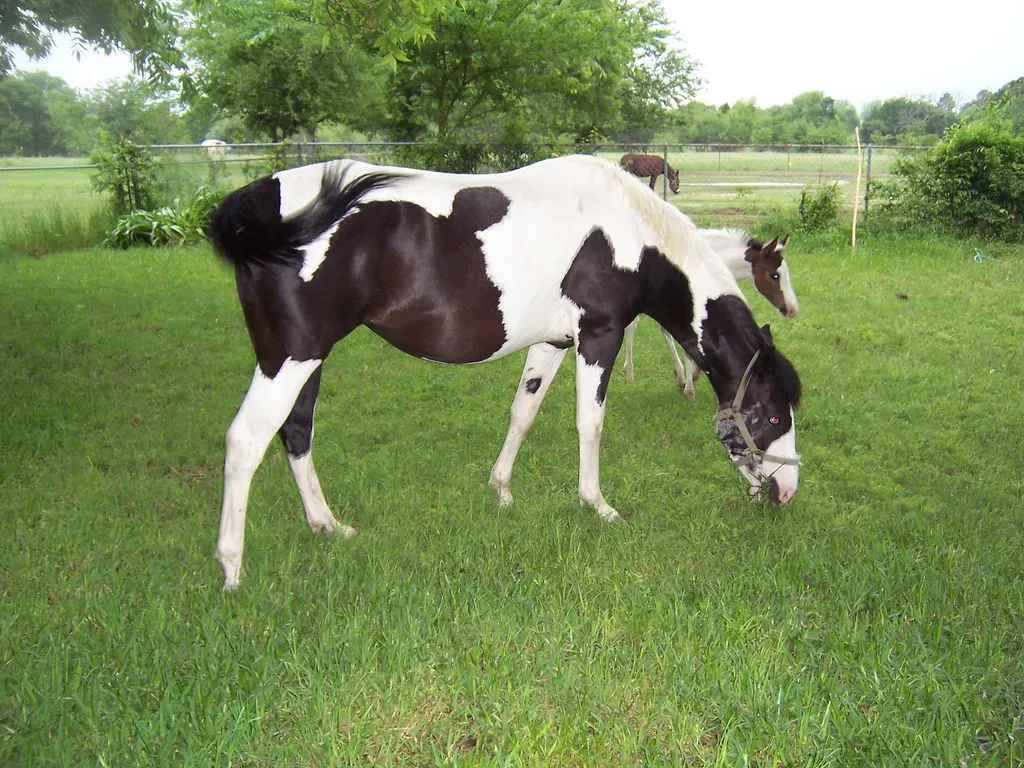
Paint Horses are known for being friendly, calm, and sociable. They are generally laid-back and make wonderful partners for beginners and families who want a reliable riding companion. Let’s be real, their stunning coat patterns don’t hurt either. It’s hard not to fall for a horse that looks like a work of art.
Paint horses have a strong mix of American Quarter Horse in their pedigree. They typically have a calm, easygoing temperament and tend to do well with children and young riders. Their friendly nature makes them easy to train and handle. This makes them particularly well-suited for families where multiple people might be interacting with the horse.
With a mix of Quarter Horse personality and eye-catching color, Paint Horses are as calm and trainable as they are pretty. Their easygoing nature makes them ideal for families, and they often excel in both Western and English riding. The versatility means you’re not locked into one riding style as you develop your skills and interests.
Appaloosa
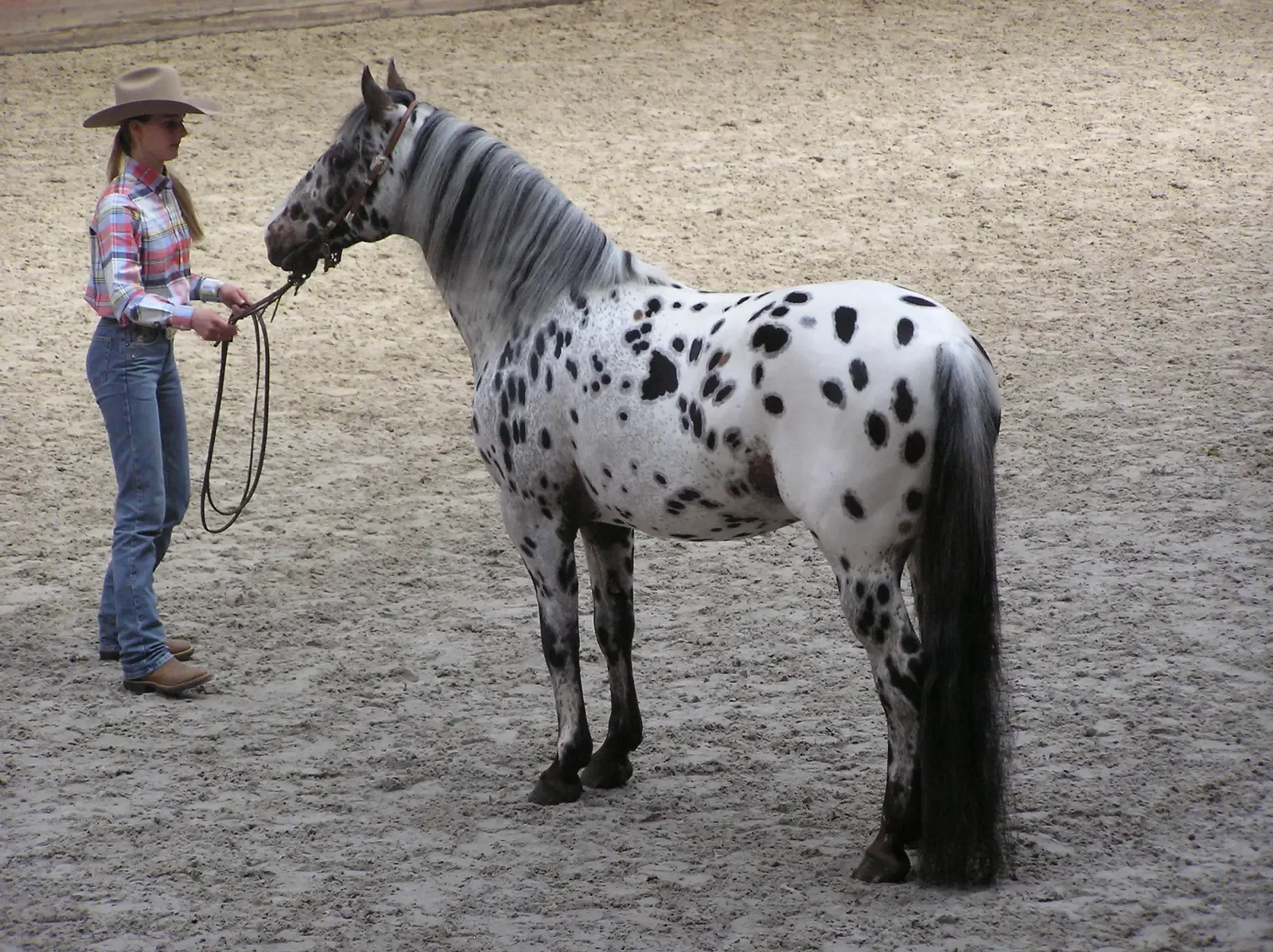
The Appaloosa is another American breed famous for its spotted coat and gentle nature. Developed by the Nez Percé tribe, these horses are known for their loyalty, intelligence, and versatility. Their distinctive markings make them instantly recognizable wherever you go.
Appaloosas are prized for their calm minds and loyal personalities. They are known to be patient with new riders and form strong, trusting relationships with their families. This bond is something special that makes the entire learning experience more rewarding.
What surprises many beginners is just how capable these horses are. Their intelligence makes them highly trainable for a wide range of activities. From western games to trail riding and even jumping, an Appaloosa is often up for any task you give it. They grow with you as your skills develop rather than outgrowing your needs.
Tennessee Walking Horse
If comfort is high on your list, a Tennessee Walker is worth considering. These horses are gaited, which means their movements are smoother than most other breeds, perfect for beginners who are still building balance and confidence. That ultra-smooth gait can be a game-changer for nervous riders.
The Tennessee Walking Horse is known for its smooth gait and friendly nature. They’re easy to train and are suitable for both trail riding and show competitions. They’re also relatively calm, making them a good option for nervous riders.
For people with back concerns or those who simply want a more comfortable ride, these horses are excellent for riders who may have back or joint issues and need a comfortable gait. The breed’s gentle temperament combined with that signature smooth movement creates an ideal environment for building confidence in the saddle.
Icelandic Horse
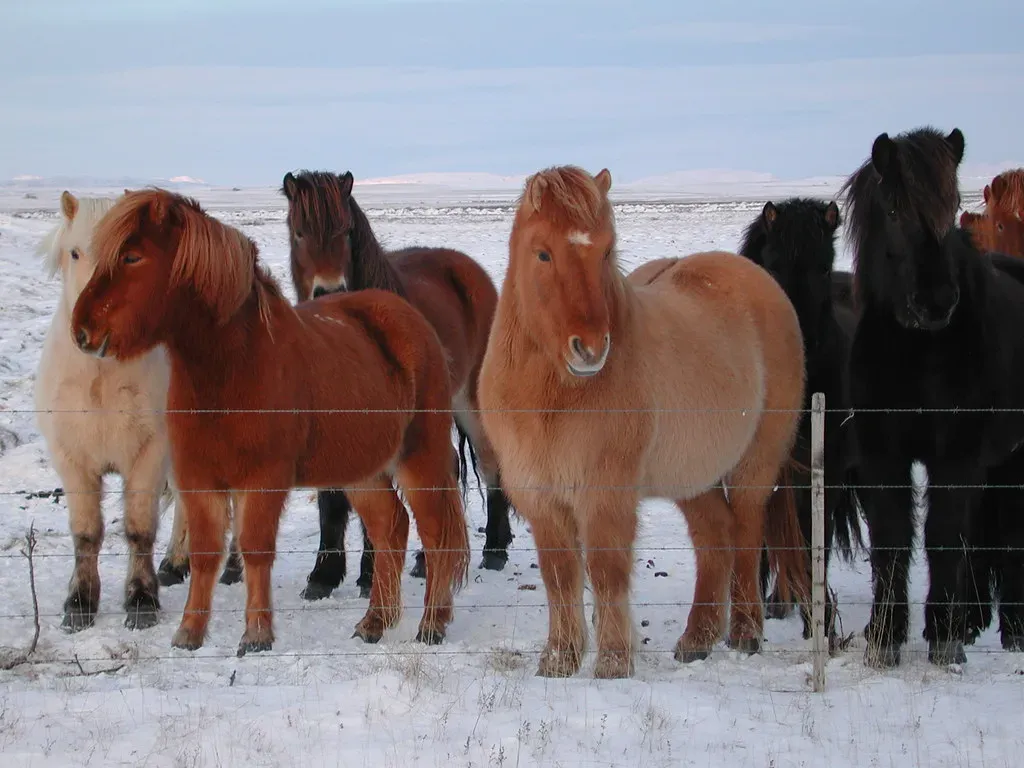
Many novice riders are nervous about riding horses that are too big, so the Icelandic horse, related to the Shetland pony, is a nice compromise. This small breed typically stands about 13 to 14 hands, so they are a good choice for anxious or shorter riders. Don’t let their compact size fool you though.
Icelandic Horses are known for their toughness and smooth ride. They have a unique gait called the tölt, which is incredibly comfortable for beginners. Despite their smaller size, they easily carry adults and have a friendly, easygoing nature.
Because of the climate and terrain where they originate, Icelandic horses do well in harsh weather, and they are sure footed as well. One of the best features of the Icelandic breed is its “tolt” gait, which is a super smooth version of a very fast walk. Their hardiness means they’re relatively low maintenance, which helps when you’re still figuring out the basics of horse care.
Conclusion

Choosing your first horse is one of those life decisions that stays with you forever. The breeds we’ve explored here have consistently proven themselves in the hands of beginners, not because they’re perfect but because they’re forgiving, patient, and genuinely seem to enjoy working with people still learning the ropes.
Remember that within any breed, individual personality matters tremendously. A calm, well-trained horse of almost any breed can make a wonderful first partner with proper guidance. The key is finding that special connection where both horse and rider feel comfortable learning together.
Working with an experienced trainer when selecting your first horse makes all the difference in finding the right match. They can spot the subtle signs of temperament and training that might escape a beginner’s notice. Did one of these breeds catch your attention? What qualities matter most to you in your future equine partner?


