
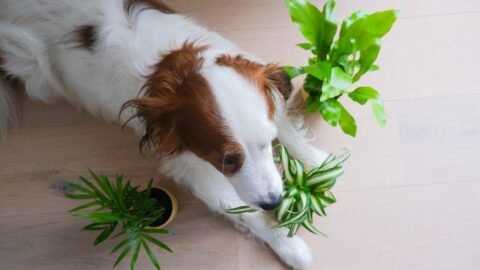
You know that feeling when you walk into the living room and find your dog gleefully chewing on your favorite pair of sneakers? Or worse, that heart-dropping moment when you catch them mid-lick of something they absolutely shouldn’t be eating? Our homes are designed for human comfort, not canine safety. The truth is, what seems perfectly harmless to us can spell disaster for a curious pup with a nose like a detective and a mouth ready to investigate every interesting smell.
Whether you’ve just brought home a bouncing puppy or adopted an adult dog with detective-level snooping skills, dog-proofing your home isn’t optional, it’s essential. Let’s be real, even the most well-behaved dogs have their moments of curiosity that can lead them straight into trouble. From that forgotten chocolate bar tucked in a purse to electrical cords dangling like tempting chew toys, danger lurks in places we rarely consider. So let’s dive in and transform your home into a safe haven where your furry friend can explore without you holding your breath.
Secure Those Tempting Trash Cans and Food Storage
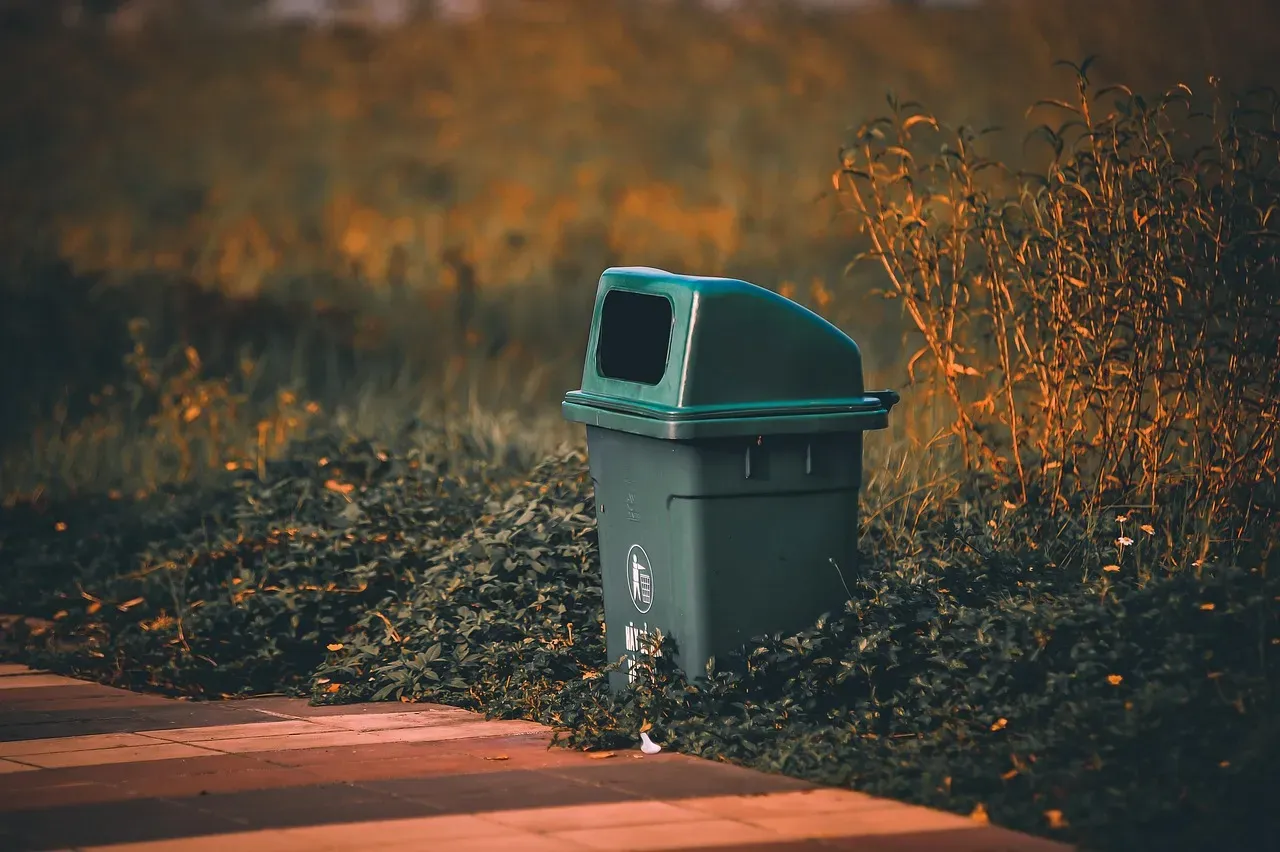
Picture this: you leave the kitchen for just two minutes, and suddenly your dog has their entire head wedged into the trash can, tail wagging triumphantly. Puppies are naturally curious and may explore trash cans, which can lead to ingestion of toxic foods or suffocation in snack bags. The kitchen might smell like heaven to your pup, but it’s honestly one of the most hazardous rooms in your home.
Trash cans are best hidden inside cabinets or use locking lidded trash cans. Think of it like childproofing, because in many ways, dogs are permanent toddlers with better hearing. Those supposedly secure cabinet doors? Some pets can learn to open doors, drawers, and cabinets, and you’ll need to prevent them with baby-proofing latches.
Store all human food in containers with tightly sealed lids, not just sitting on counters where a determined jumper can reach them. All onion-family foods including chives, garlic, and leeks can cause a dangerous form of anemia when ingested in sufficient amounts. Even seemingly innocent snacks like grapes can be deadly. Keep chip bags, popcorn bags, and any food packaging out of reach or better yet, cut them open flat after use to prevent suffocation hazards.
Tackle Electrical Cords and Small Chewable Objects

Hanging electric cords are an attraction to dogs who like to chew, and when chewed through the outer covering, the live cord can severely burn your dog’s mouth. I know it sounds dramatic, but electrical shock injuries happen more often than we’d like to admit. Puppies especially see dangling cords as interactive toys begging for attention.
Bundle cords together and run them through cord protectors or behind furniture where curious noses can’t reach. Puppies are known for chewing, so you will want to puppy-proof the wires in your home before your puppy can get their teeth near them, and fish tank tubing is fairly chew-proof and works well to run electric cords through. Unplug appliances when not in use, especially in rooms where your dog spends unsupervised time.
Shoes, socks, and other small clothing items make tempting chew toys for many dogs, and if your dog swallows these items, they could end up with an intestinal obstruction. Hair ties, coins, batteries, and children’s toys all pose choking or poisoning risks. Make it a household rule to keep floors clear and closet doors shut. It’s hard to say for sure, but consistency really is everything when it comes to keeping your dog safe.
Store Medications and Household Chemicals Out of Reach
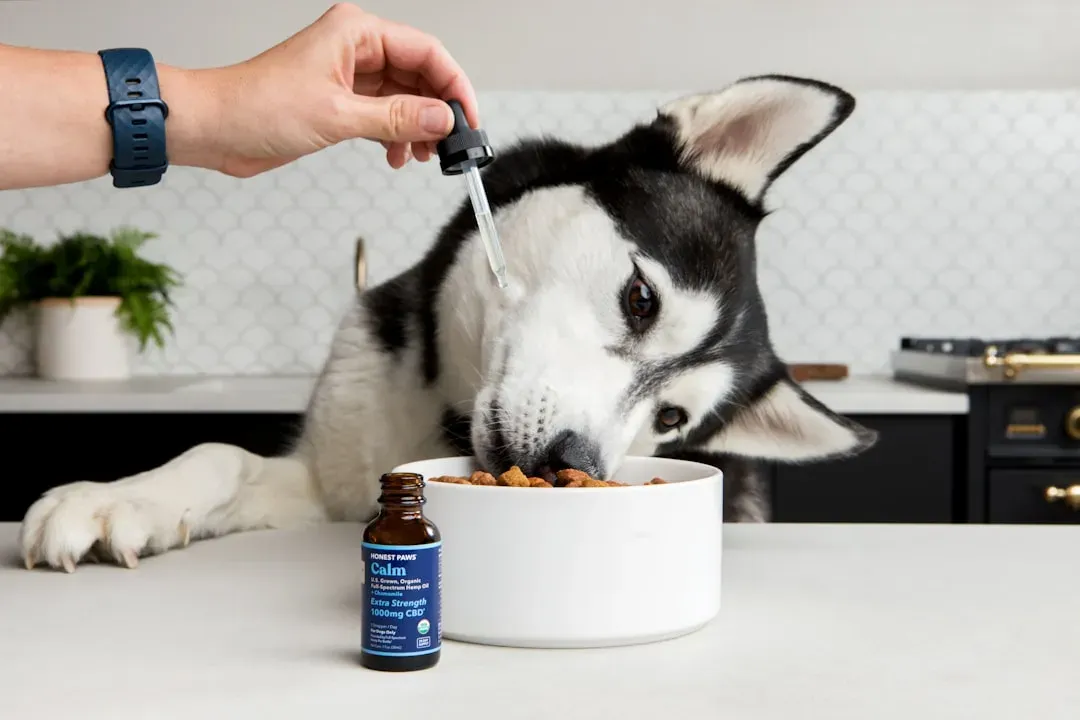
Here’s the thing: dogs don’t understand that medicine bottles aren’t treat containers. Enthusiastic pets may enjoy medication flavorings so much that they seek out the medication and eat a toxic dose, so ensure you store it carefully and don’t underestimate your pet’s ability to sniff out items they want or to chew through plastic packaging. Even those supposedly childproof caps don’t stand a chance against determined canine jaws.
Many human foods and medications are toxic to pets and should never be left out where pets can swipe them from countertops, and household cleaners and chemicals should always be stored securely out of your pet’s reach. That means high shelves or locked cabinets, not just under the sink where a clever pup can paw open the door.
Cleaning products made with chemicals like bleach, chlorine, and phenols can have a corrosive effect on your dog’s skin, eyes, and lungs if they inhale it, and artificial fragrances like phthalates can irritate your dog’s lungs too. Always ventilate rooms well when cleaning and keep dogs out until surfaces are completely dry. Honestly, switching to pet-safe cleaning products might give you better peace of mind.
Identify and Remove Toxic Plants
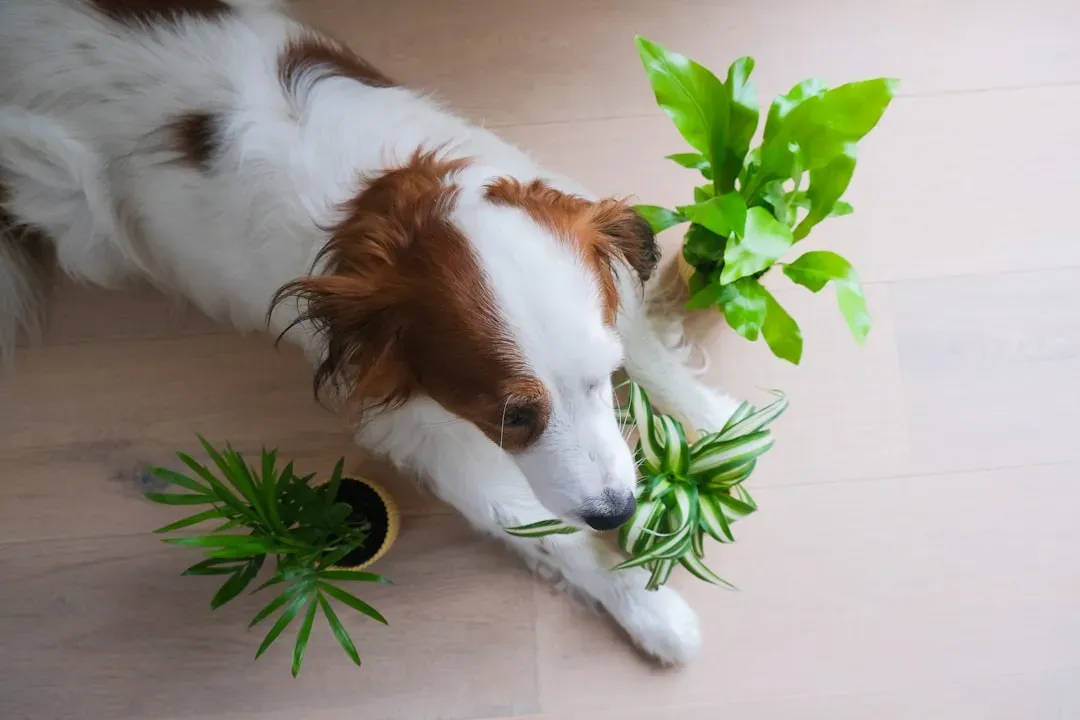
That gorgeous houseplant collection you’ve been curating? It might be a buffet of danger for your dog. Many dogs and cats enjoy chewing on greenery and often ingest plant material, and many of the most beautiful plants contain toxic compounds which can cause a range of symptoms from mild drooling or stomach upset to seizures, kidney failure, or death. Lilies, sago palms, azaleas, and oleander are particularly deadly.
Houseplants generally aren’t harmful to dogs unless they ingest them, so it’s wise to keep any that might be toxic well out of your dog’s reach, or better yet, consider replacing poisonous houseplants with plants that are safe for dogs. Spider plants, peperomia, and certain orchids make beautiful, dog-safe alternatives.
Check your outdoor space too. Autumn crocus, tulips, and daffodils might look stunning in your garden, but they’re toxic if munched on during a backyard adventure. Place plants on high shelves indoors or in hanging planters where even the most athletic jumper can’t reach. The ASPCA maintains a comprehensive list online of toxic and non-toxic plants, which is worth bookmarking.
Create Safe Zones and Manage Slippery Surfaces
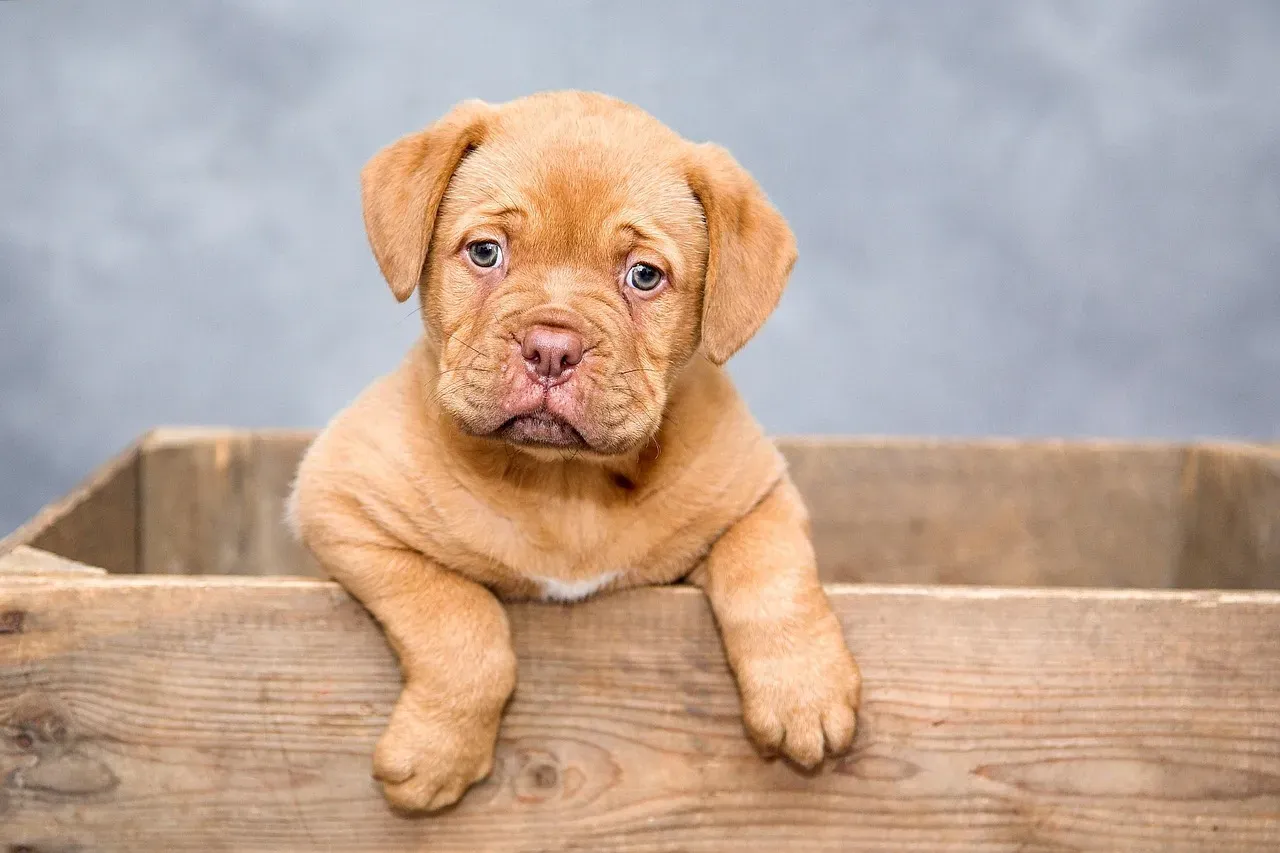
If you’re welcoming an older or a large-breed pet, consider outfitting your slippery floors with rugs and runners to increase traction and prevent falls. Hardwood and tile floors might look gorgeous, but to a dog, they’re ice rinks waiting to cause injury. A topple results in a soft tissue injury or misaligns the spine.
Use gates to block off certain off-limit rooms or areas, and use pet gates to keep them in dog-proofed and safe areas or keep doors closed to rooms where they shouldn’t wander unsupervised. Baby gates are lifesavers, especially for stairs. Dog gates can also be used to block off stairs because puppies are notoriously clumsy about stairs, and you don’t want your new pup to go head over tail down the full flight.
Designate one or two rooms as completely dog-proofed safe zones where your pup can stay when you’re not home. Make these spaces comfortable with beds, toys, and water. Establishing a safe place for your pet to sleep ensures they stay out of trouble during the night and while you’re away, and crate-training your dog provides a sense of security and a quiet retreat. Think of it as their personal sanctuary, not a punishment.
Conclusion
Dog-proofing your home might feel overwhelming at first, like you’re transforming your entire living space into one giant safety zone. Yet here’s the beautiful truth: these simple adjustments create a space where your dog can be a dog, exploring and playing without constant worry. You’ll sleep better knowing that curious sniff session won’t end in an emergency vet visit.
Remember, no matter how well you think you’ve pet-proofed your home, your pet will find something you missed. Stay vigilant, keep learning about potential hazards, and adjust as your dog grows and develops new habits. The effort you invest now pays dividends in years of happy, healthy companionship. What’s one thing in your home right now that you hadn’t considered could be dangerous to your pup? Take a look around today.


