
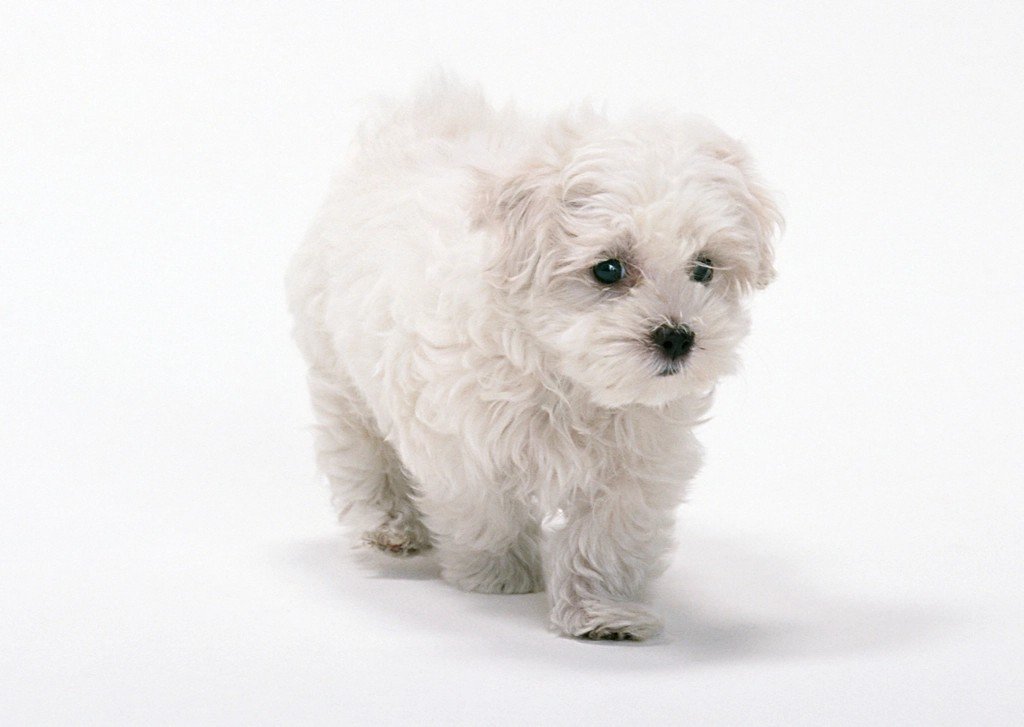
You’ve probably seen them at the dog park or on social media. Those fluffy white clouds bouncing around with their teddy bear faces and cheerful dispositions. The Bichon Frise looks like the perfect companion, and in many ways, they are. They’re friendly, playful, and endlessly charming.
Here’s the thing though. Behind that adorable exterior lies a breed with some very specific needs that not every dog lover is prepared to meet. Loving a Bichon is easy, but living with one successfully takes commitment, time, and an understanding of what makes this breed tick. Let’s explore why this delightful little dog might not be the right match for everyone.
That Gorgeous Coat Demands Serious Maintenance
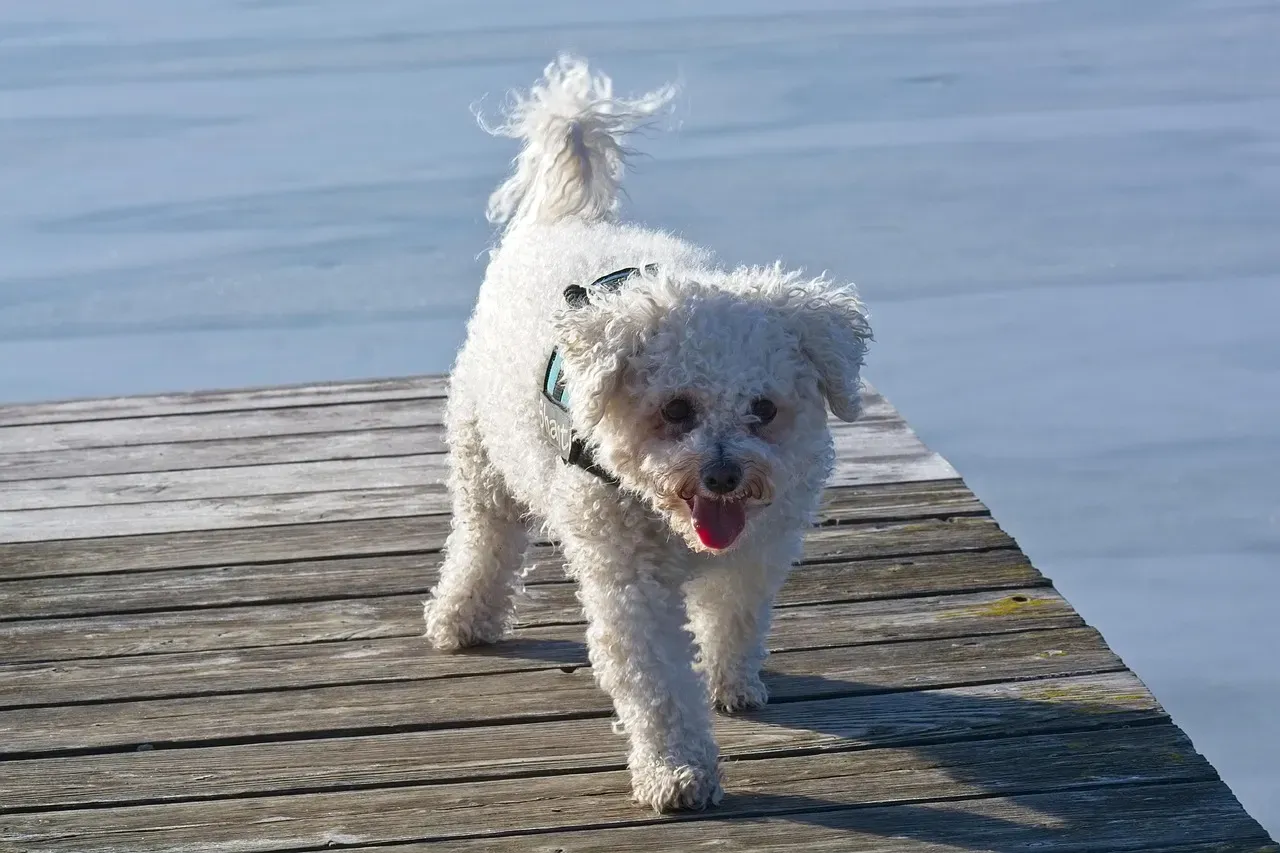
The Bichon Frise has a thick, curly, high maintenance double coat with very low shedding, but this low-shedding coat comes at a cost – lots and lots of grooming. You’ll need to brush their coat daily with a slicker brush to prevent their corkscrew curls from getting matted and tangled.
Professional grooming is necessary every four to six weeks to maintain their powder puff coat, which will include a bath, haircut, nail trim and the opportunity for a groomer to spot anything that might need your vet’s attention. If you’re picturing yourself squeezing grooming sessions into an already packed schedule or wincing at the ongoing expense, this breed might test your patience. Upkeep of the coat can be challenging, as it tends to mat if not brushed and combed down to the skin at least every other day.
Separation Anxiety Can Be Overwhelming

Let’s be real about something many Bichon owners discover the hard way. Prone to separation anxiety, Bichon Frises can exhibit unwanted behaviours such as barking, whining, scratching and chewing if they are left alone for too long, so they need lots of human interaction. Loyalty and an incredibly affectionate nature come at the cost of an inability to be left alone for too long, and while forming very close bonds with their owners is a wonderful trait that every pet owner adores, it can lead to separation anxiety.
Bichons frises are particularly prone to separation anxiety because they are companion dogs, a sub-category of dogs that grow very attached to their owners, and Bichons are on the extreme end of the spectrum when it comes to this issue. If you work long hours away from home or travel frequently without your dog, a Bichon might struggle significantly. The emotional toll on both you and your pup can be heartbreaking.
Housetraining Challenges Require Extra Patience
Housebreaking is the breed’s greatest behavioral challenge. They’re eager to please and learn quickly, but can be a little harder to house train than other breeds. Many first-time Bichon owners are surprised to find that their otherwise intelligent and trainable pup struggles with potty training.
It’s hard to say for sure why this particular breed has more difficulty, but it often requires consistency, patience, and more time than you might expect. If you’re someone who gets easily frustrated with setbacks or doesn’t have the time to establish and stick to a rigorous bathroom schedule, this challenge could become a constant source of stress. These little ones can be tricky to housetrain, and that’s something you need to be prepared for from day one.
Health Issues Come With Long-Term Commitments
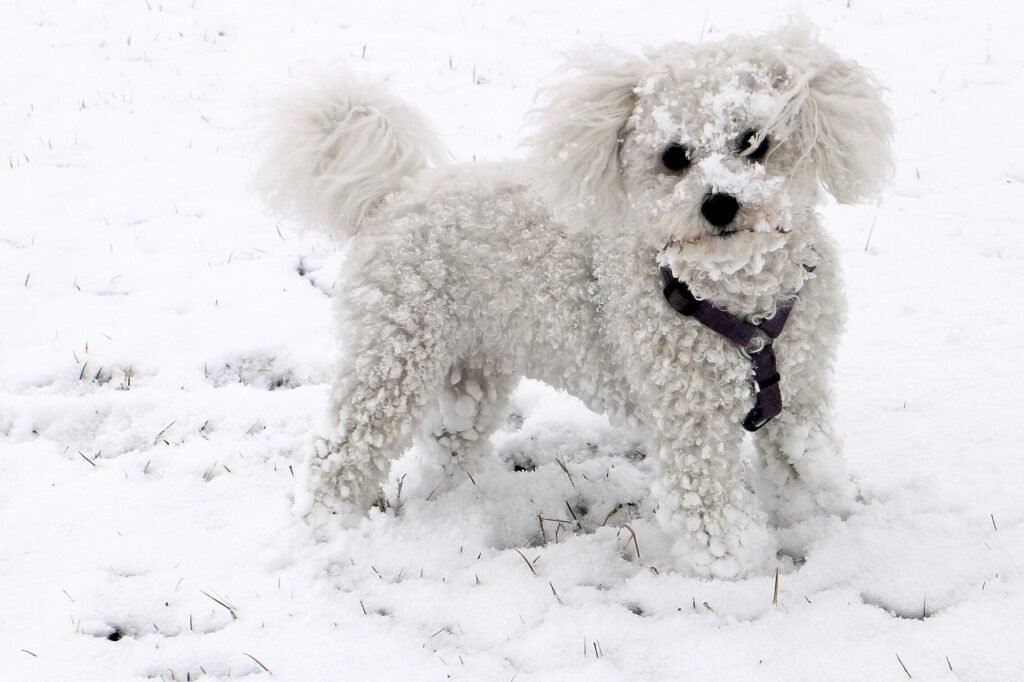
Like many beautiful purebreds, there are some specific health issues for Bichon Frises. Bichons have a higher risk of developing diabetes, with symptoms including excessive thirst, urination, and weight loss, though early detection and management through diet control, regular exercise, and insulin therapy can allow a Bichon with diabetes to live a normal life.
If there’s one health issue Bichon Frise owners frequently deal with, it’s gum disease, as small breeds are especially prone to dental problems because of crowded teeth, with plaque and tartar building up quickly, leading to infection, bad breath, and even tooth loss. Bladder stones occur when stones made of various minerals form in the bladder, and can be hereditary, secondary to urinary infections, or diet-related, with symptoms including bloody urine, urine with a strong odor, or straining to urinate. The costs of managing these conditions over a lifetime can add up quickly, making pet insurance almost essential.
They Need Constant Companionship and Attention
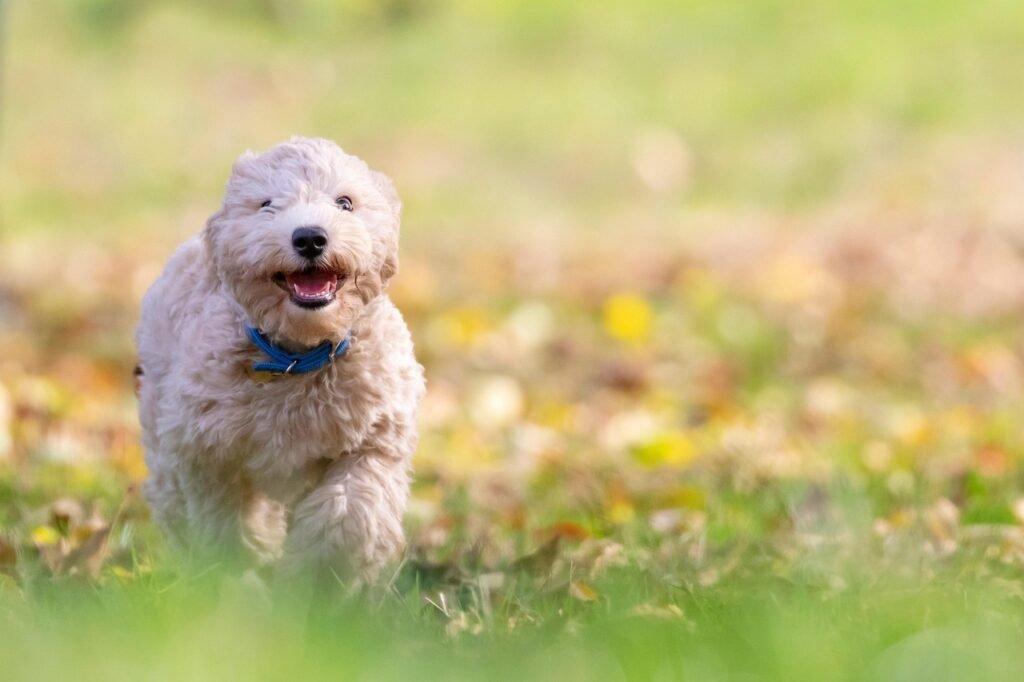
Bichons love to play and need lots of attention and affection to be happy, and if they’re bored or lonely, they may turn to undesirable behaviors like excessive barking or chewing in an effort to entertain themselves. Bichons are happiest when they feel included in daily life, as they want to be near their people and take part in household routines.
This isn’t a dog that’s content to quietly entertain itself while you work from home all day or binge-watch your favorite shows. They want to be involved, constantly. They love to be the center of your world, and separation anxiety can be an issue if they’re left alone for too long. If you value your independence or prefer a more low-key pet relationship, the Bichon’s neediness might feel suffocating rather than endearing.
Conclusion
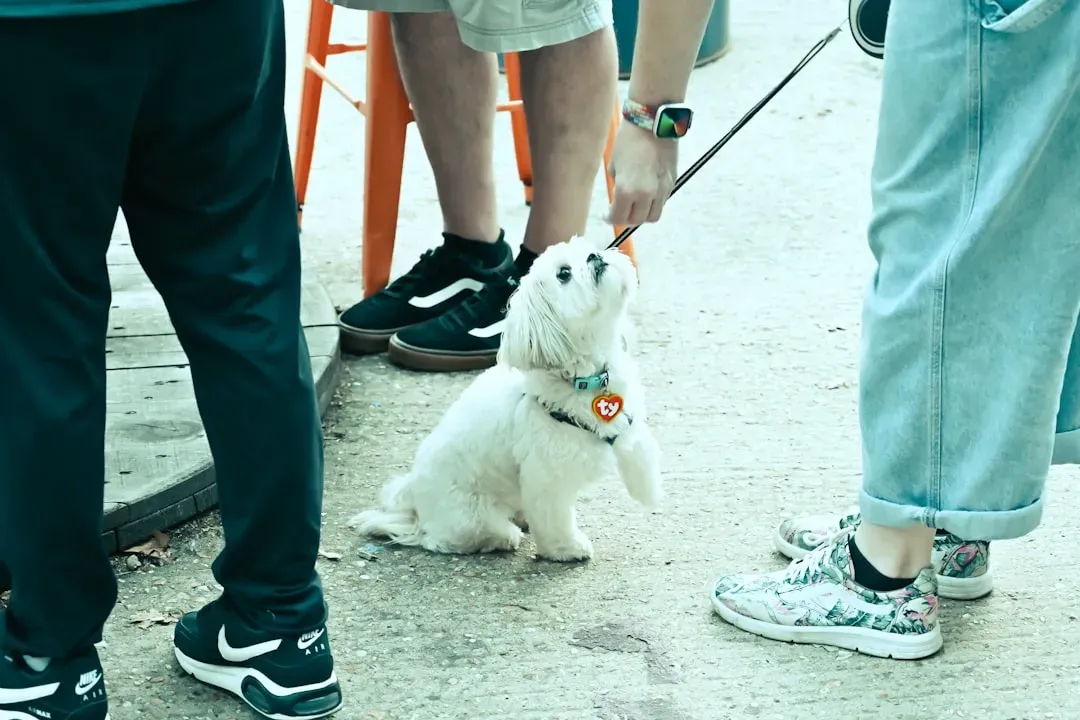
The Bichon Frise is undeniably special. Their joyful personalities, playful nature, and loving hearts make them wonderful companions for the right person or family. However, they’re not a low-maintenance breed by any stretch of the imagination.
Between the demanding grooming schedule, potential for serious separation anxiety, housetraining difficulties, breed-specific health concerns, and constant need for attention, a Bichon requires significant time, energy, and financial resources. If you’re someone who travels frequently, works long hours, or simply wants a more independent dog, this breed will likely frustrate you both. Honestly, it’s better to recognize these challenges upfront than to struggle later.
What matters most is finding the right match for your lifestyle. Are you ready for the level of commitment a Bichon Frise truly needs?


