
8 Dogs That Get Along Great With Cats (And 5 That Will Chase Them Forever)
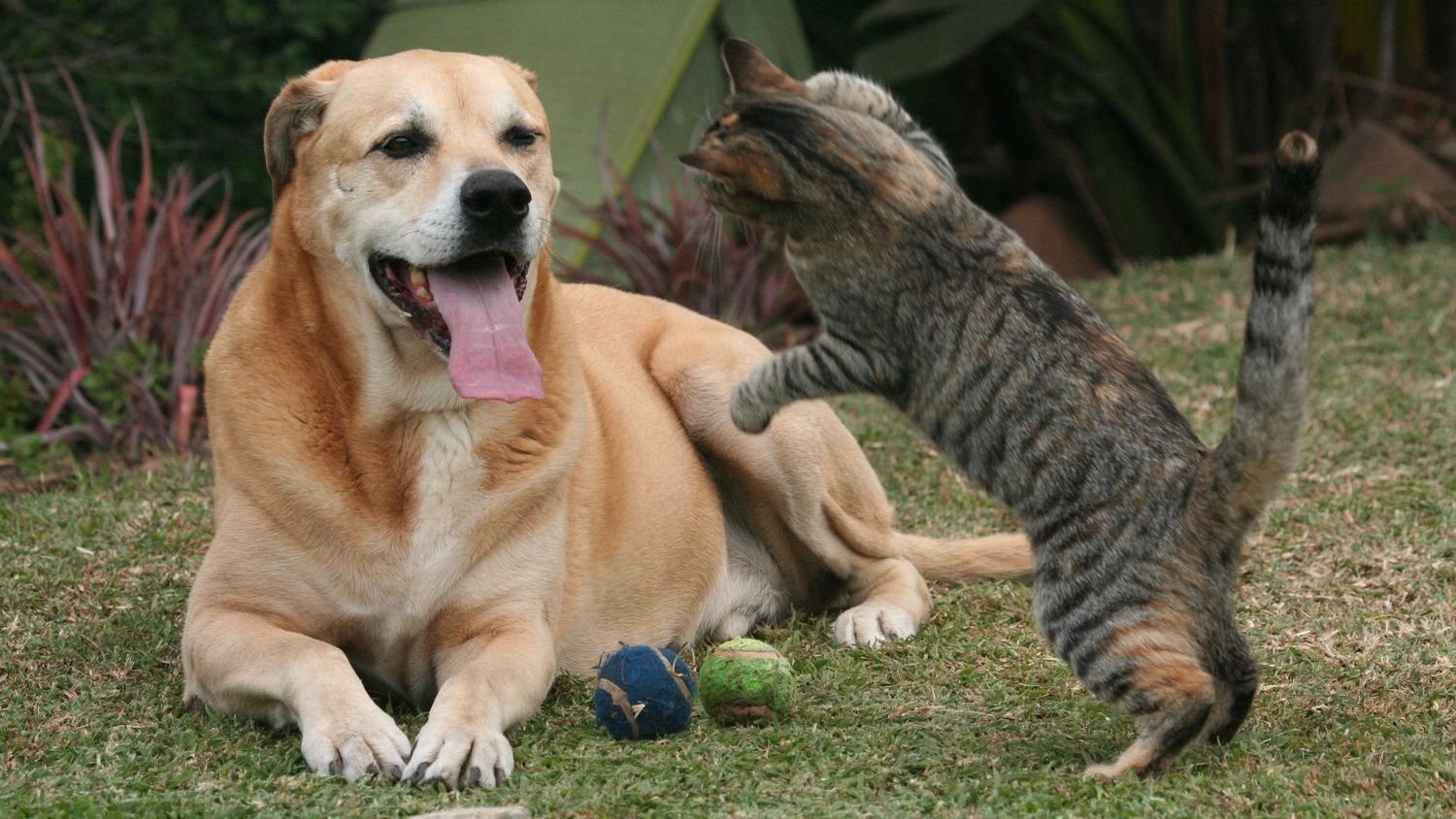
You’ve probably heard the phrase “fighting like cats and dogs” tossed around a hundred times. It’s become this common assumption that these two species are destined to clash, that bringing both into your home is asking for chaos.
But here’s the thing I know to be true after years of watching dog behavior: the right dog can absolutely coexist peacefully with cats. Some breeds are natural companions for felines, showing patience, gentleness, and genuine respect for their whisker-twitching housemates. Others, well, they’ve got instincts so deeply wired that a sprinting cat is basically an invitation to the greatest game of tag ever invented. It’s not about being mean or aggressive. It’s just who they are.
This guide will walk you through eight dog breeds that tend to get along wonderfully with cats, followed by five breeds whose prey drive might make feline friendship a constant uphill battle. Let’s dive in.
Golden Retrievers: Gentle Giants With Hearts of Gold
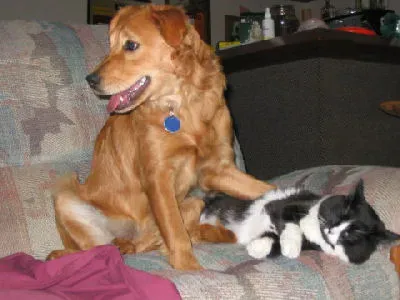
Golden Retrievers are one of the best dogs for cats, and their kind and empathetic nature makes them accept cats readily as part of the family. Honestly, if there was ever a breed designed to love everyone and everything, it’s the Golden. These dogs have such an easygoing temperament that they often form strong bonds with cats, showing patience even when a curious kitty swats at their tail.
While Golden Retrievers are playful and might be tempted to chase things that move, this chasing instinct isn’t always aggressive but can be a result of their playful nature or mild prey drive. With proper training from puppyhood, they learn quickly to respect boundaries. Their soft, gentle demeanor means they’re unlikely to see a cat as prey, especially when socialized early.
Labrador Retrievers: The Lovable People Pleasers
Labrador Retrievers are kind and outgoing and are known to get along with everyone they meet, regardless of species, and they are gentle, intelligent, and eager to please. Labs basically want to be best friends with every living thing. Their friendly disposition extends to cats without much fuss.
Labs are known for their friendly and easygoing nature, and they typically have a low prey drive and are often welcoming to cats when properly introduced. Sure, their enthusiasm can sometimes be a bit much for a more reserved cat, but that’s more about exuberance than aggression. Their trainability means you can teach them to respect the cat’s space with consistency and patience.
Beagles: Pack Mentality Meets Feline Friendship
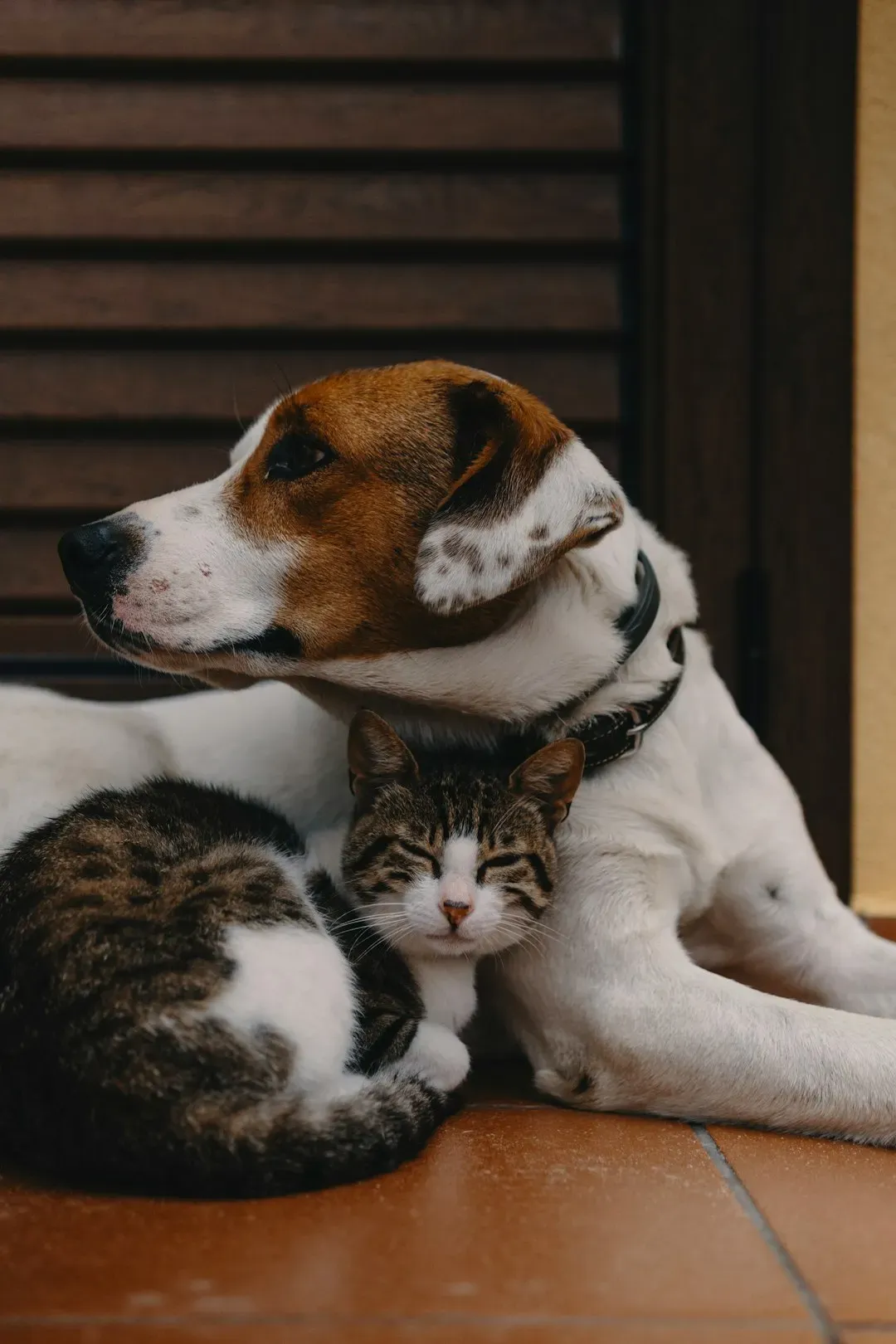
The amiable Beagle seems to enjoy feline company, perhaps because it was bred to hunt in packs, and therefore views a cat sibling as a fellow member of the group. This pack mentality is genuinely helpful when integrating a Beagle with cats.
Beagles were bred to work together in a pack as hunting dogs, which typically makes them friendly and sociable to other animals, and although beagles do tend to have a high prey drive, with proper socialization, it shouldn’t be a problem. Their social nature and curiosity usually win out over any hunting instinct, especially if they’re raised around cats from an early age.
Cavalier King Charles Spaniels: Affectionate Companions

These silky-haired dogs aren’t much larger than cats themselves, so they aren’t likely to terrorize a cat based on size, and Cavaliers are gentle, affectionate and patient. Their sweet temperament makes them wonderful for multi-pet households.
Cavalier King Charles Spaniels are a docile and amiable breed that generally exhibits harmonious relationships with all individuals, including felines, and they are not excessively energetic, which might be beneficial when acquainting them with a more relaxed feline. They’re genuinely one of the easiest breeds to introduce to cats because they don’t have that overpowering energy or prey instinct.
Basset Hounds: Low Energy, High Tolerance

Basset Hounds embrace a laid-back, easygoing life, and their calm disposition and willingness to share space with other animals make them excellent housemates for cats, with low energy levels and non-aggressive behavior contributing to peaceful coexistence. These slow-moving hounds are pretty much the definition of chill.
Their patient nature and pack mentality mean they’re generally accepting of cats in their space. Because they move at a leisurely pace, they’re less likely to trigger a cat’s flight response. Let’s be real, a Basset Hound probably won’t chase much of anything unless there’s food involved.
Maltese: Small, Sweet, and Gentle
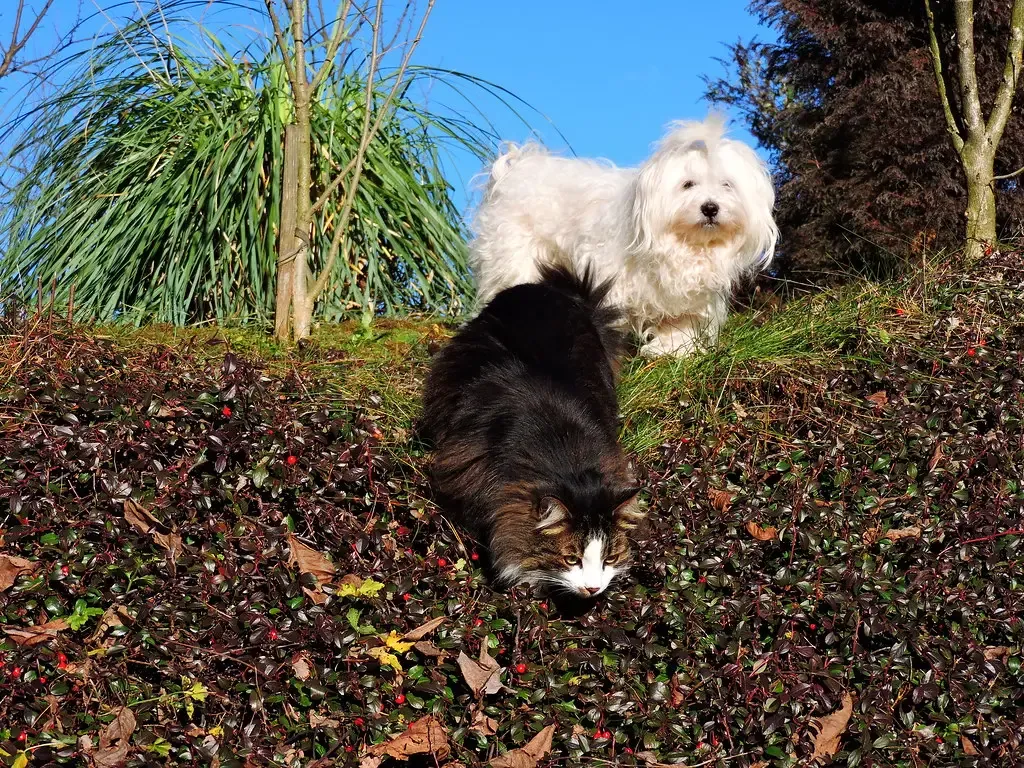
Maltese dogs are gentle and affectionate and often get along well with cats, and their small size and non-threatening demeanor put cats at ease, fostering positive relationships between the two. This tiny breed is more interested in snuggling on the couch than causing trouble.
The Maltese is sure to be kind toward the cat, especially because this mellow dog breed is often preoccupied with lying on the couch rather than meddling in the cat’s business. Their laid-back personality and compact size make them ideal companions for cats who might be intimidated by larger dogs.
Pugs: Compact Companions With Big Hearts
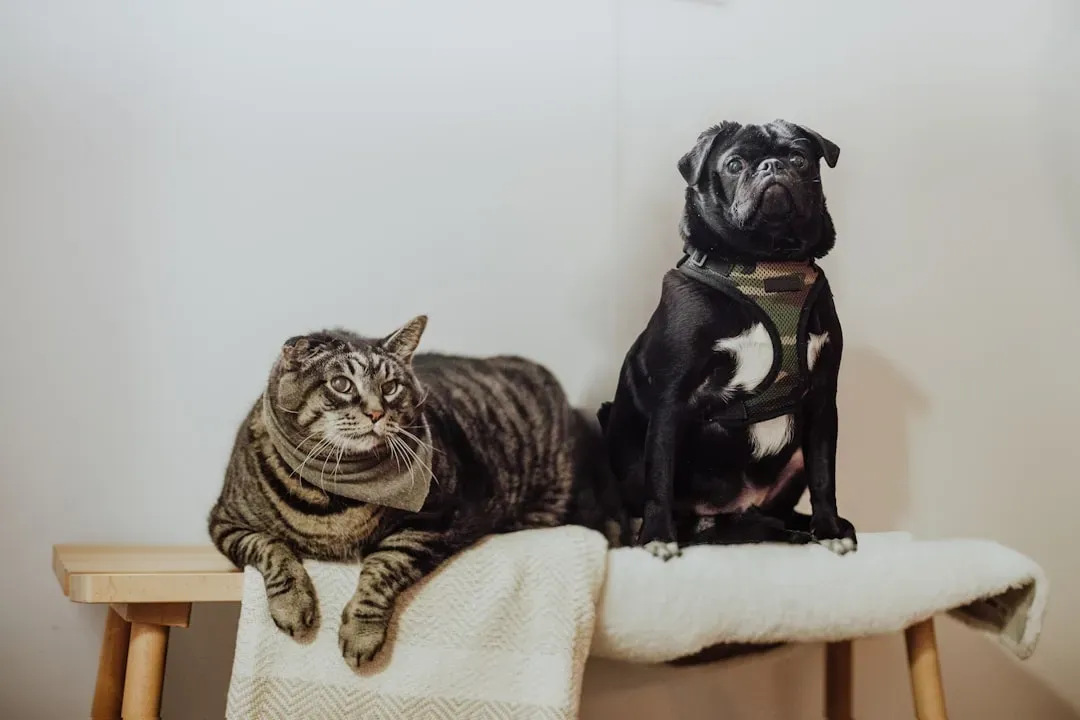
Pugs are undoubtedly full of love, and cats can make their perfect, unlikely friend that matches their size, and pugs are usually calm and easy to please, but able to stand their ground firmly against their bossy cat friends. Pugs have enough personality to hold their own without being aggressive.
Their sociable nature means they usually accept cats as part of the family dynamic. They’re sturdy enough not to be pushed around but gentle enough not to cause harm. It’s a good balance that works surprisingly well in most households.
Boston Terriers: The Friendly Exception
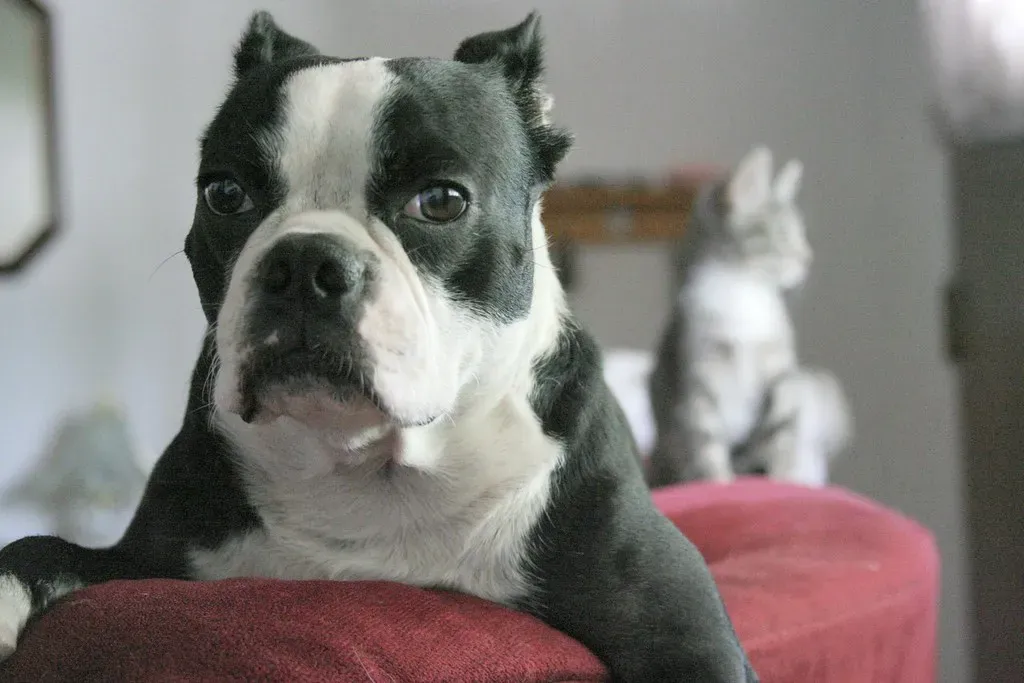
While Terriers are not typically compatible with cats, the Boston Terrier is an exception, and although Bostons may engage in chasing the cat, this is usually out of fun, not prey drive, and the good-tempered Boston Terrier is polite to kitties as well as other animals. This is one of the rare terrier breeds where the prey drive isn’t overwhelming.
Their playful chasing is more about interaction than hunting. With supervision and training, Boston Terriers and cats can form genuine friendships. Their compact size and friendly disposition help smooth the path to peaceful coexistence.
Jack Russell Terriers: Relentless Hunters
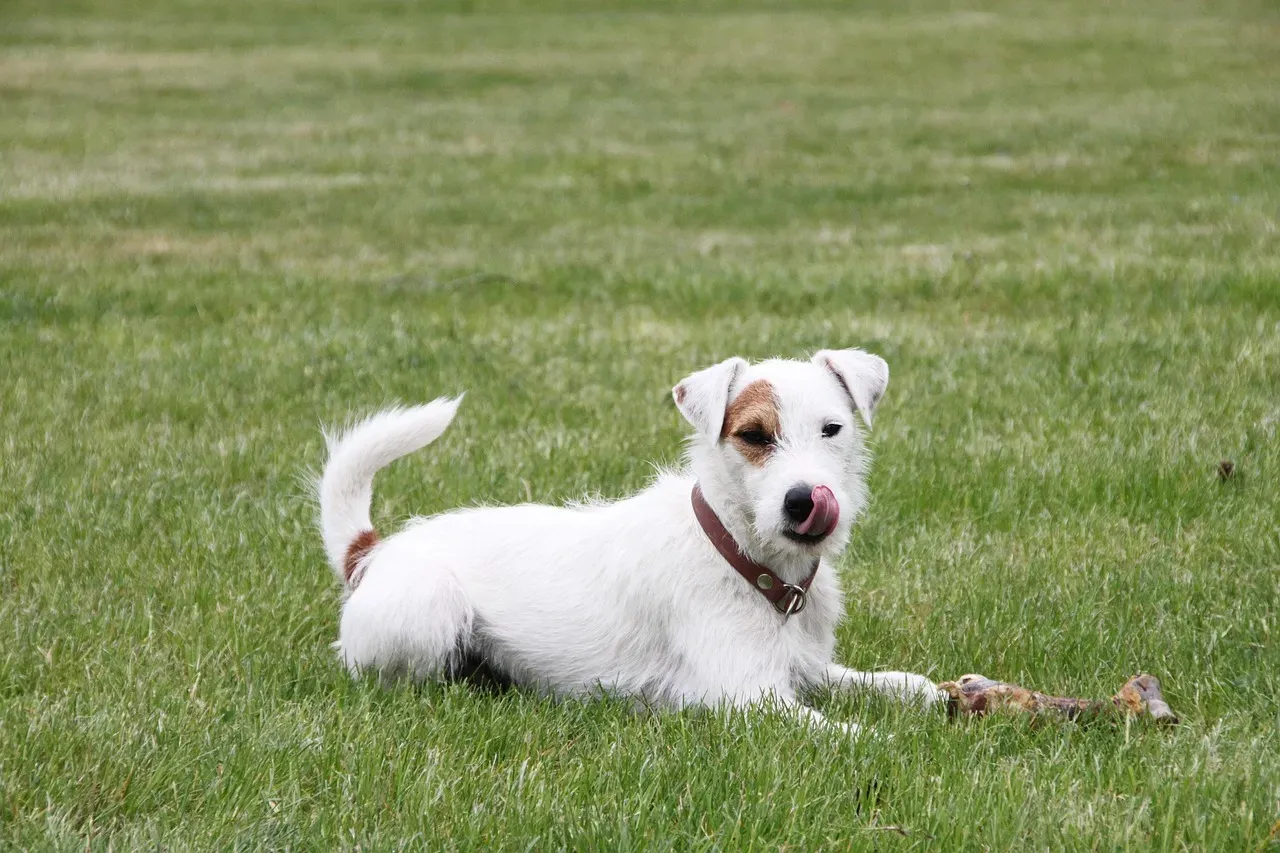
Jack Russell Terriers are high-energy hunting dogs with a natural instinct to pursue anything that moves, and originally bred for fox hunting in England, Jack Russells have an intense drive to chase, dig, and explore. These little powerhouses were literally designed to chase small prey into dens.
Their prey drive is so strong that it’s almost impossible to train out completely. A moving cat triggers their hunting sequence instantly. Even with extensive socialization, many Jack Russells will view cats as something to chase rather than befriend. If you have cats, this breed requires extremely careful management.
Siberian Huskies: Beautiful But Driven
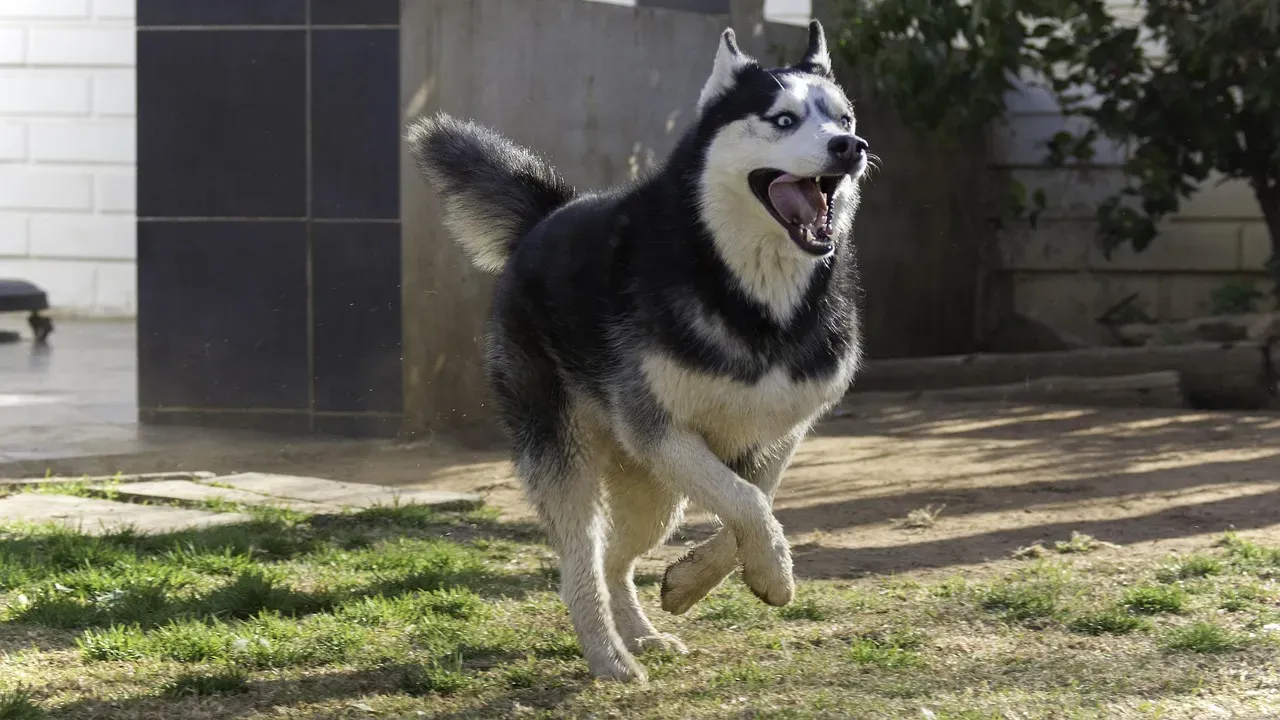
Beneath the fluffy fur and striking blue eyes lies a serious prey drive, and when they weren’t working as sled dogs, Huskies often roamed freely and hunted small animals to supplement their diets, and today’s Huskies still love to chase, with squirrels, rabbits, cats, even a rogue leaf blowing across the yard being fair game. That instinct is alive and well.
Their prey drive is rooted in survival behavior. Even well-fed Huskies often can’t resist the urge to chase smaller animals. Keeping cats safe around a Husky requires vigilance, high fences, and acceptance that the instinct may never fully disappear.
Australian Cattle Dogs: Herding Gone Wrong
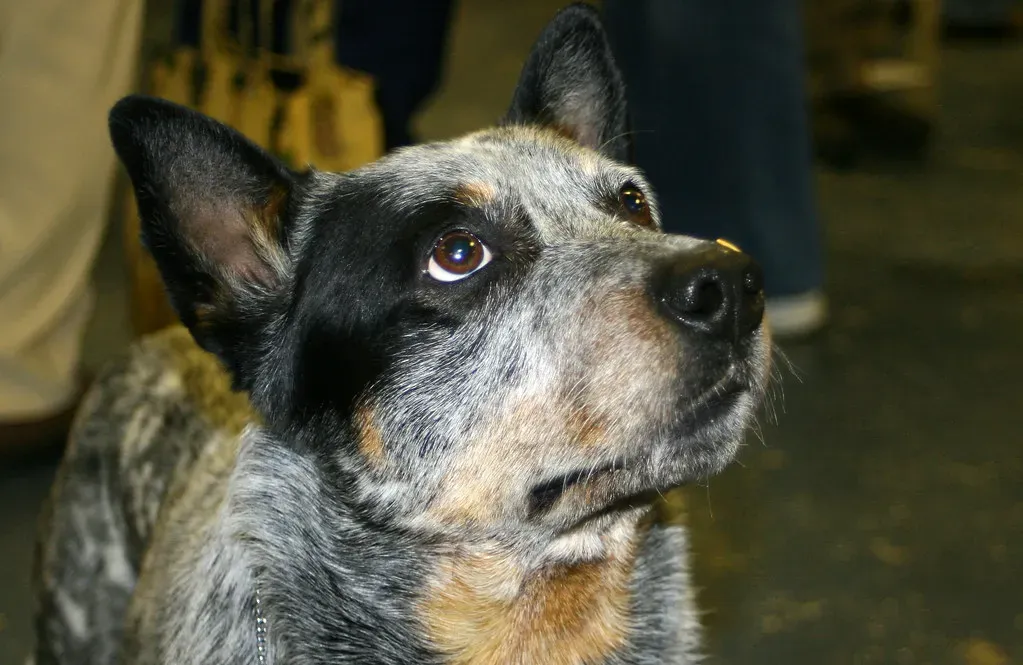
Originally bred to control cattle in the vast Australian outback, this breed has unmatched energy and determination, and its instincts run deep, as it will chase, nip, and circle anything that moves, whether it’s sheep, small animals, or even a bouncing ball. That nipping behavior is problematic with cats.
These dogs were originally bred to herd cattle by nipping at heels to guide the herd, and that instinct doesn’t disappear in a household setting, as they may attempt to herd small children or chase small pets. Cats won’t appreciate being nipped or herded, and this can lead to stress and potential injury.
Greyhounds: Built for Speed and Chase
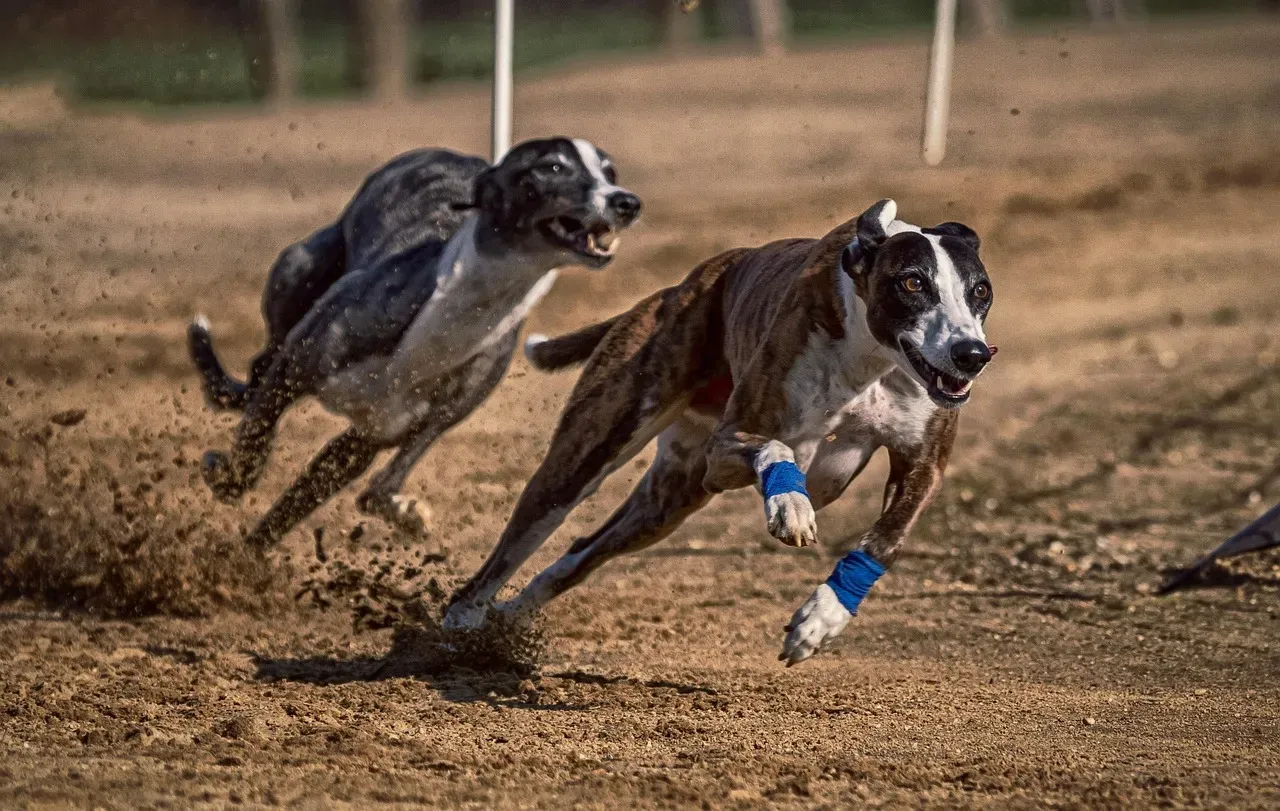
When it comes to prey drive, the Greyhound is the undisputed champion, and as classic sighthounds, they were bred to spot movement across great distances and launch into action, chasing down hares, rabbits, and just about anything that dared to run, with a top speed of over 35 miles per hour. Once they lock on, there’s no catching them.
Their entire breeding history centers on chasing fast-moving prey. A fleeing cat triggers this instinct immediately. Even retired racing Greyhounds often retain this drive, making them risky companions for cats despite their gentle indoor temperament.
German Shepherds: Protective Instincts

German Shepherds make excellent police and guard dogs, and they will unleash that high prey drive on other people, kids, other animals, and especially cats if they are not raised together, and it is best to adopt them as a puppy to be with kids or cats. Their protective nature can translate into chasing behavior.
Once a German shepherd can injure or kill another animal, it will have a taste for blood, and instinct takes over. This makes proper early socialization absolutely critical. Without it, cats are often viewed as intruders or prey rather than family members.
Rhodesian Ridgebacks: Lion Hunters at Heart
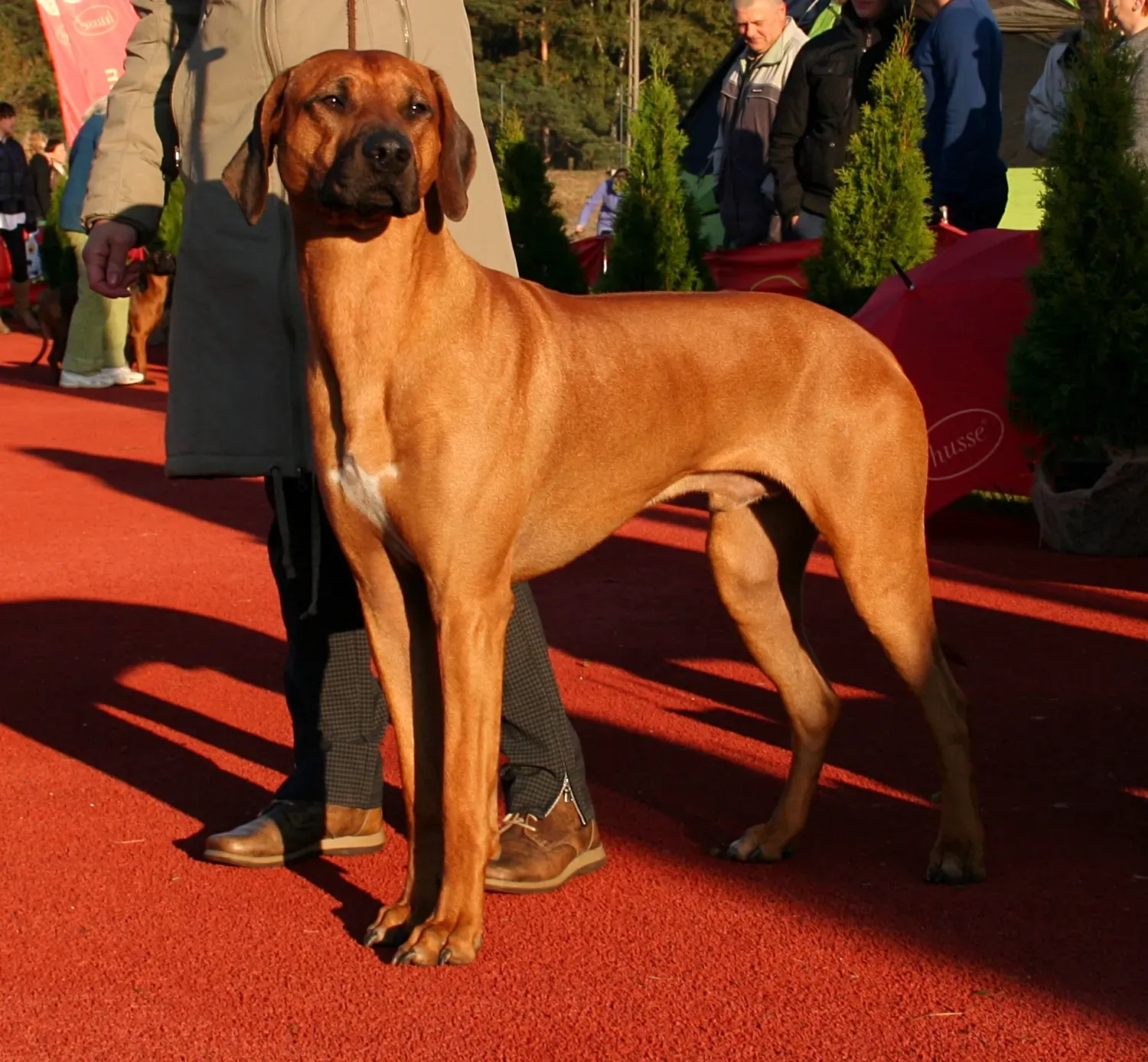
Rhodesian Ridgebacks were named for the unique line of fur on their backs that goes in the opposite direction of the rest of their fur, and they have a high prey drive because they were initially bred to hunt lions. Yes, lions. That tells you everything you need to know.
Rhodesian Ridgebacks are athletic hounds with a natural instinct to pursue fast-moving animals, and their strong prey drive is rooted in centuries of hunting and tracking big game in Southern Africa, as they were originally bred to track and hold large game and still possess a vigorous prey drive that makes them likely to chase cats, squirrels, and other small animals. Managing this breed around cats requires constant supervision and acceptance that the instinct may always be present.
Conclusion: Choosing Wisely for Your Household
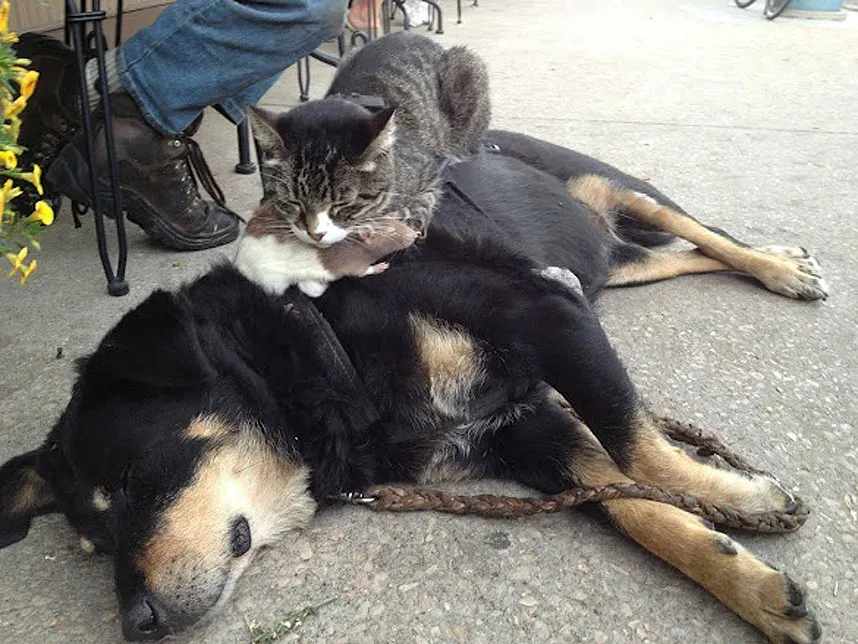
The truth is, breed tendencies matter, but they’re not the whole story. Individual personality, early socialization, training consistency, and how you manage introductions all play massive roles in whether a dog and cat become friends or foes. I’ve seen exceptions to every rule.
If you’re bringing a dog into a home with cats, consider breeds with lower prey drives and gentler temperaments. Take your time with introductions, supervise interactions, and never force the relationship. Some dogs and cats will curl up together within weeks. Others will simply learn to coexist peacefully with mutual respect and distance.
What’s your experience been with dogs and cats living together? Have you seen unlikely friendships bloom, or have you learned the hard way about prey drive? The journey to a peaceful multi-species home takes patience, but when it works, it’s genuinely magical.