
6 Surprising Dog Breeds That Are Prone to Separation Anxiety (And What To Do)
You know that feeling when you walk through the door after being out for just an hour, and your dog acts like you’ve returned from a year-long voyage? The frantic tail wagging, the excited jumping, the sheer relief in those eyes. It’s adorable, right? Sometimes. Other times, it’s a sign of something deeper – something that might be causing your beloved pup genuine distress when you’re not around.
Separation anxiety is reported to affect approximately 17% of the 78 million dogs in the United States. The numbers tell one story, but the reality in your living room tells another. Torn cushions. Scratched doors. Neighbors complaining about the howling. It’s heartbreaking for everyone involved, especially your dog. Let’s be real, you probably didn’t expect your sweet, tail-wagging friend to struggle this much with alone time. What might surprise you even more is that some of the breeds most prone to this anxiety aren’t the ones you’d expect. Let’s dive in.
Cavalier King Charles Spaniels: The Royal Velcro Dogs
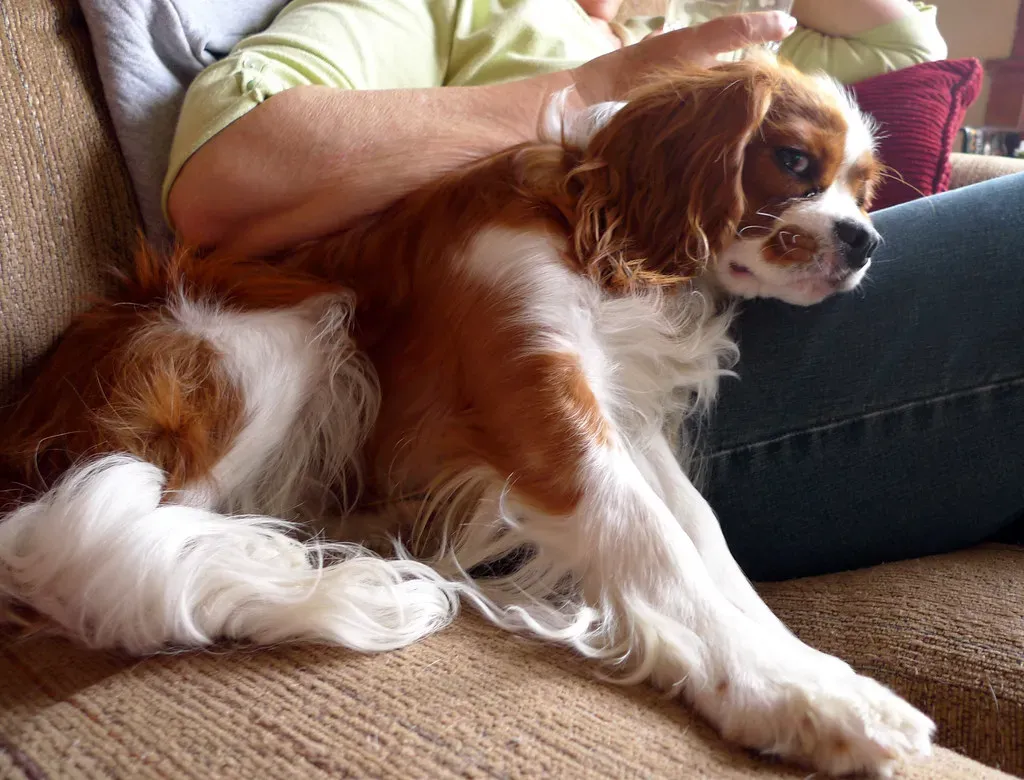
Cavalier King Charles Spaniels are companion dogs and have been bred to enjoy spending lots of time with their human parents. When you leave them alone for longer periods they may suffer anxiety. These regal little dogs weren’t bred to herd sheep or guard property. They were bred for one singular, beautiful purpose: to be your constant companion, your lapdog, your shadow.
Picture this. You’re sitting on the couch, and there’s your Cavalier, nestled right against your leg. You get up to grab a glass of water, and they follow. You go to the bathroom, and they wait outside the door. This breed also tends to be slightly more anxious in general and can develop barking and other problematic habits. That deep attachment is lovely until it becomes a problem. Their breeding history means they genuinely struggle when their person isn’t around. It’s not stubbornness or bad behavior – it’s genetic wiring that tells them being alone is deeply unnatural.
Jack Russell Terriers: Small Dogs, Big Anxiety
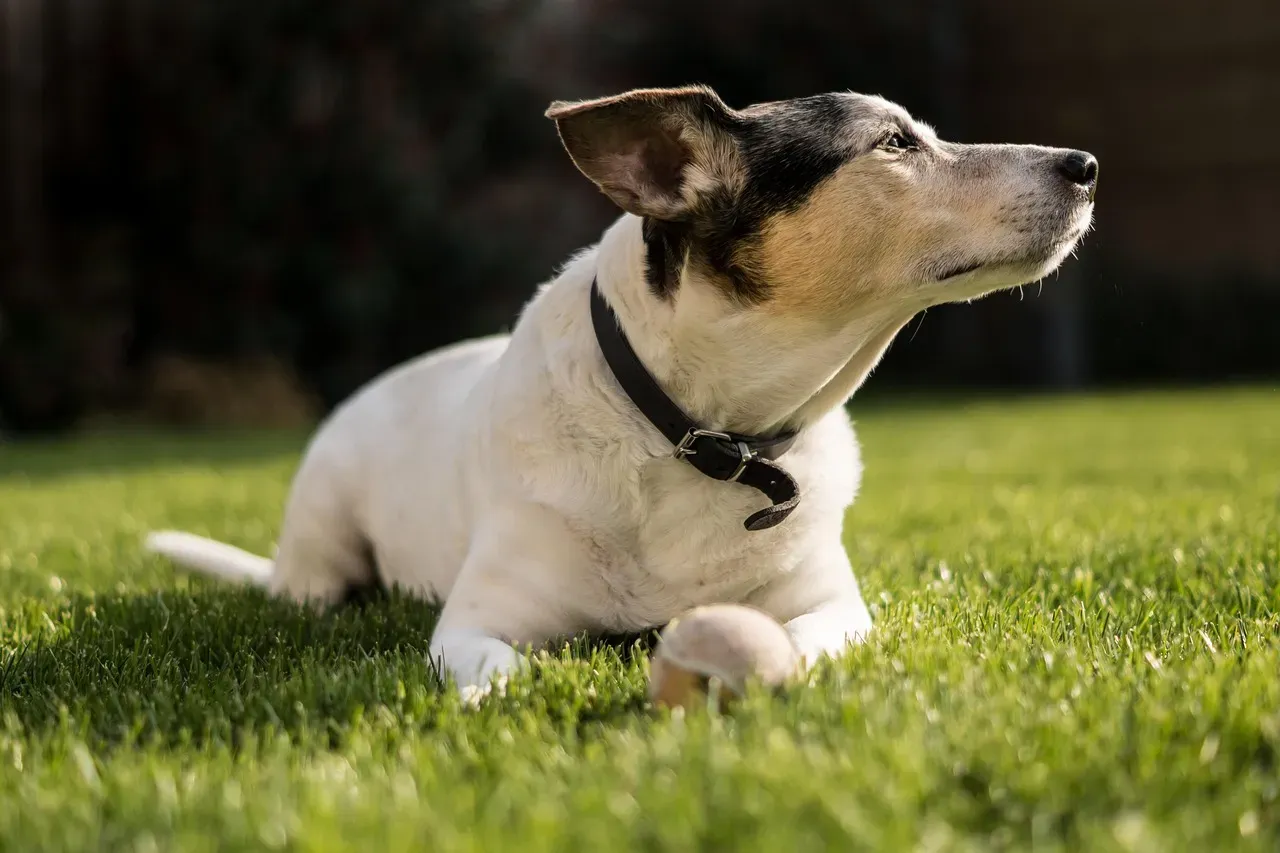
I know, I know. You think of Jack Russells as those fearless, feisty little dynamos that chase after everything that moves. They’re bold, right? Well, yes. Jack Russell Terriers are bundles of energy that quickly become bored and need lots of entertainment as well as lots of physical activity. They can quickly go awry if there isn’t a human around to help them out and to keep them engaged.
Here’s the thing about Jack Russells. Their minds never stop. They can also do a surprising amount of damage for a small dog. Without someone to direct all that energy and intelligence, they spiral into anxious, destructive behavior. Think of them as tiny, furry overachievers who literally cannot relax without a job to do. When you leave, their world loses structure, and that’s when the real trouble starts. Torn furniture, relentless barking, frantic pacing. It’s not rebellion. It’s anxiety looking for an outlet.
German Shorthaired Pointers: Hunting Dogs Without a Hunt
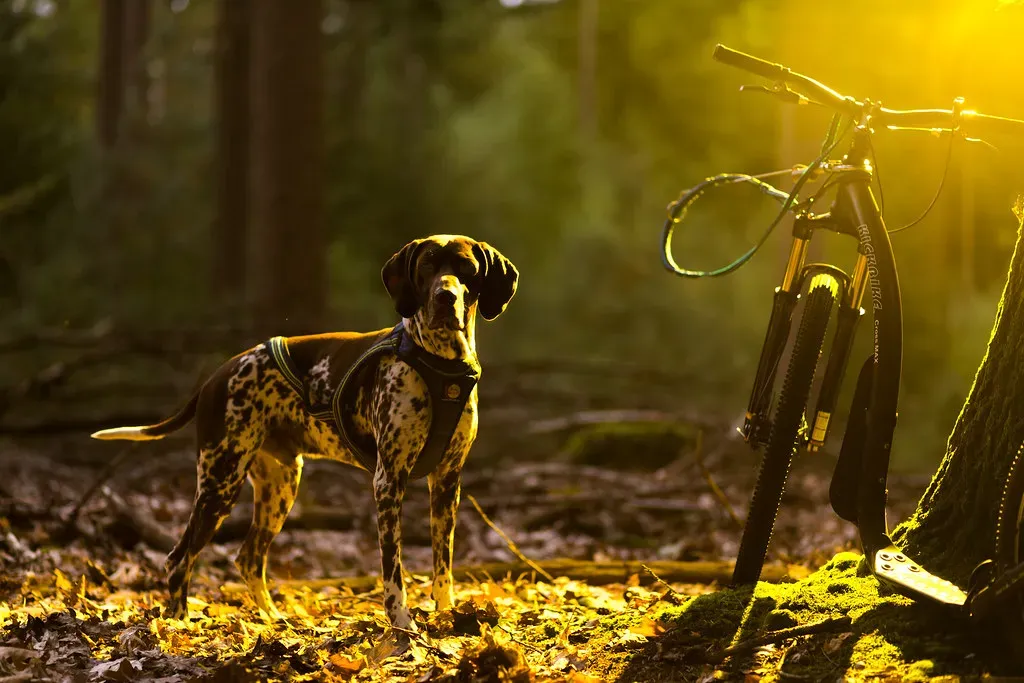
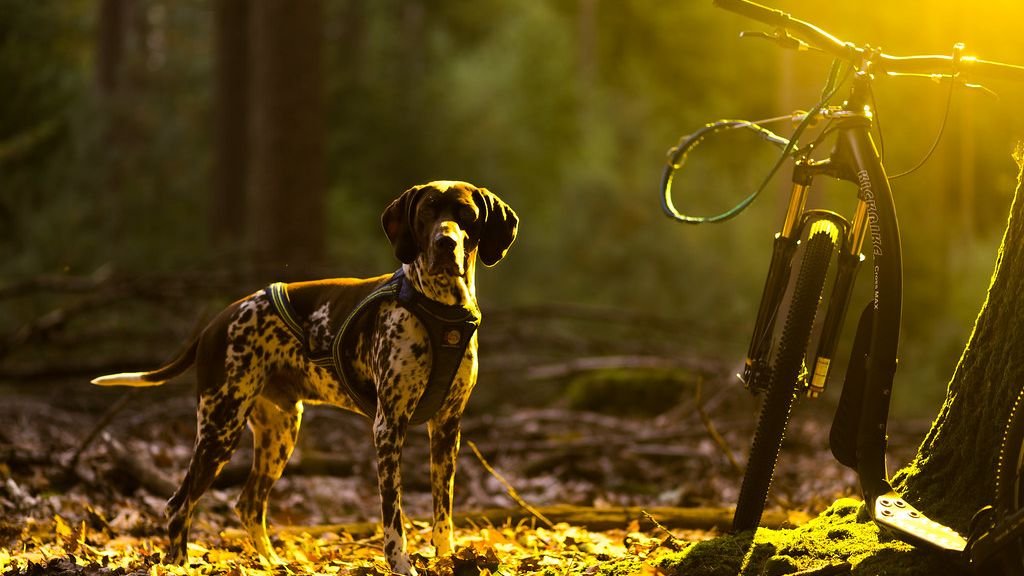
German Shorthaired Pointers are another dog that has been created to hunt with humans. Because they are bred to be around people and to stay active, they can quickly become bored and anxious. These dogs are athletes. They were meant to work alongside hunters, reading cues, running through fields, staying intensely focused on both the task and their human partner.
Now imagine taking that instinct – that need to work closely with a person – and asking them to spend eight hours alone in an apartment. It doesn’t compute for them. Their separation anxiety isn’t just about missing you emotionally. It’s about losing their purpose. Some surprising breeds also made the list, such as Vizslas and German Shorthaired Pointers. Without physical and mental stimulation, these dogs don’t just get bored – they get genuinely anxious. They need something to do, and if you don’t provide it, they’ll find their own way to cope, and trust me, you won’t like it.
Australian Shepherds: Overachievers With Attachment Issues
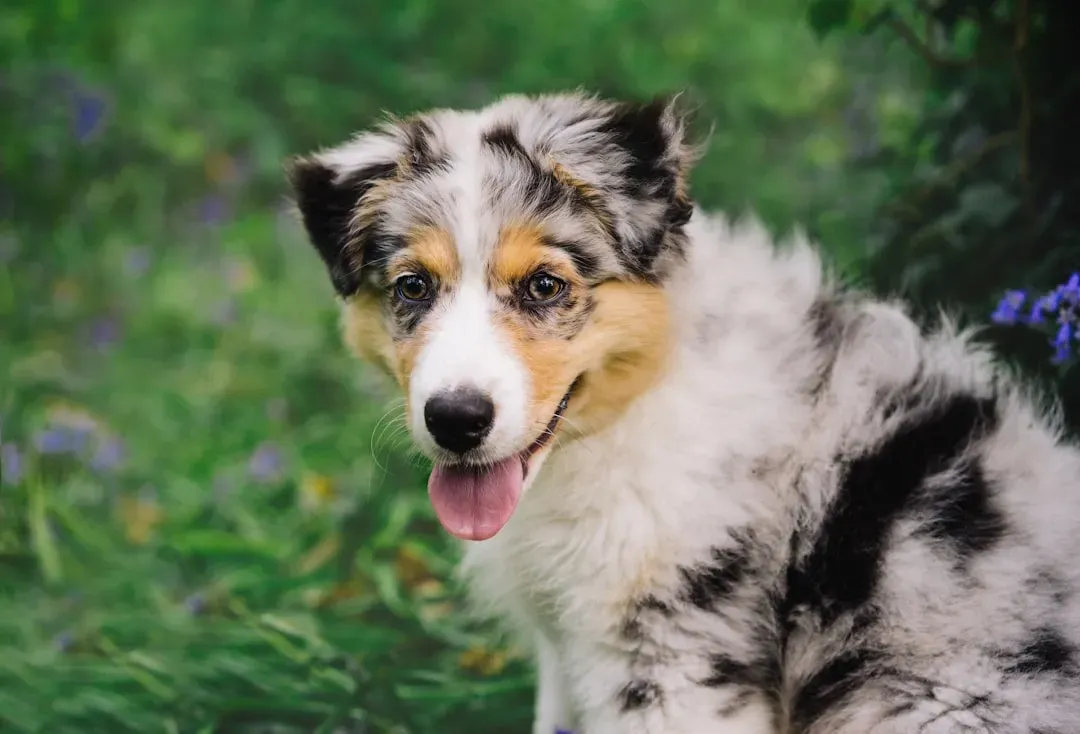
Australian Shepherds are herding dogs bred for work. They are social and do poorly when left alone with nothing to do. Aussies are brilliant. Honestly, they’re probably smarter than most of us on a bad day. They thrive on structure, consistency, and having a job that challenges their brains and bodies.
Time without physical activity and without their people family can lead to distress and anxiety. These aren’t couch potatoes. They’re problem solvers, strategists, herders. They need to feel useful. When that need isn’t met, or when their favorite person suddenly disappears for hours, they don’t just feel lonely – they feel purposeless. Anxiety creeps in fast. Pacing, whining, destructive chewing, even self-harm in severe cases. Their attachment to you is deep, and their sensitivity to change is profound.
Toy Poodles: Tiny Companions With Big Emotions
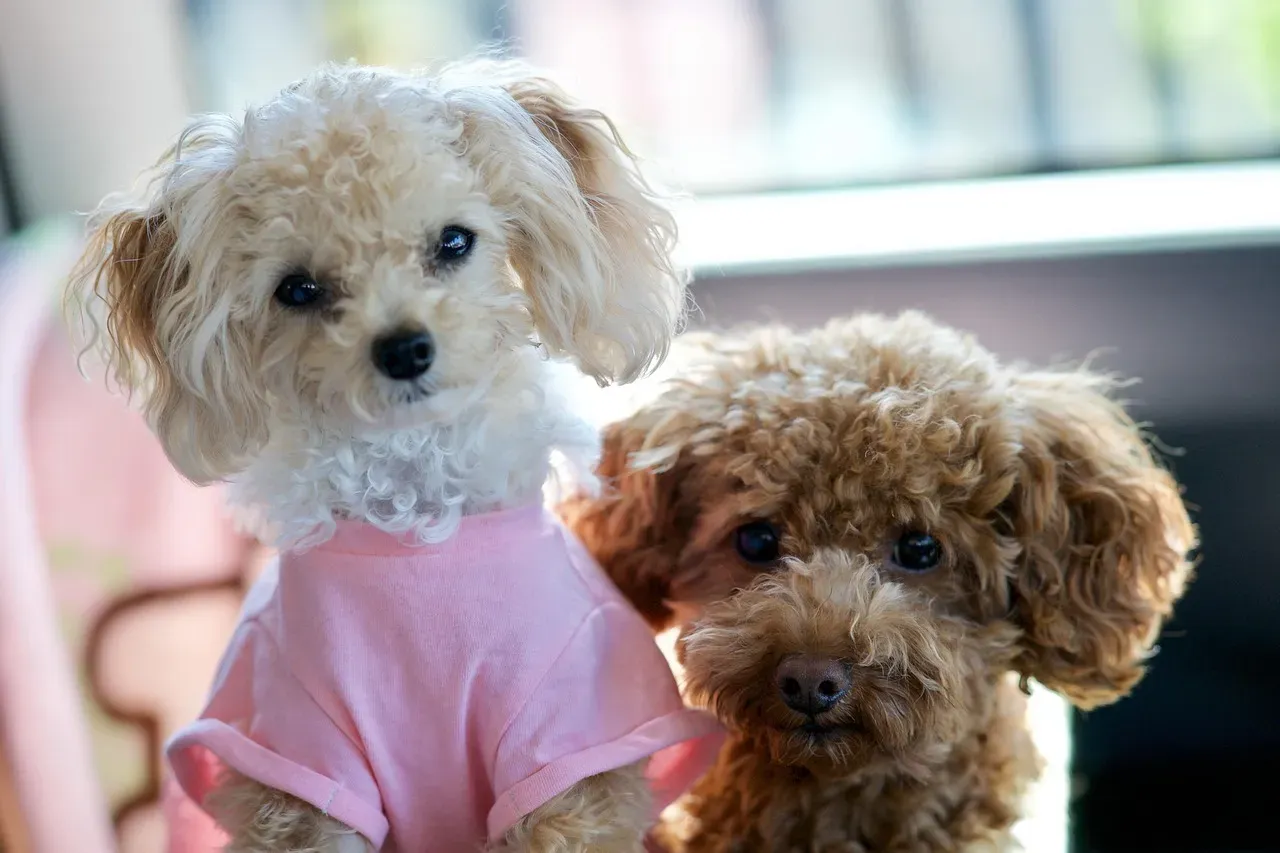
Toy Poodles have a gentle temperament and have been bred as a companion dog. As such, they need time and love from their human family. Don’t let their fancy haircuts fool you. Poodles – especially the toy variety – are incredibly intelligent and deeply emotional dogs. When they don’t get it, they can suffer from significant separation distress.
Toy poodles tend to be one of the more clingy dog breeds. They form incredibly strong bonds with their owners, often latching onto one person in particular. That loyalty is touching, but it also makes them vulnerable. When you’re gone, they’re not just bored – they’re heartbroken. Their small size can also make them feel more vulnerable, which compounds their anxiety. Imagine being that tiny and feeling like your protector just vanished. No wonder they panic.
Labrador Retrievers: The Surprising Social Butterflies
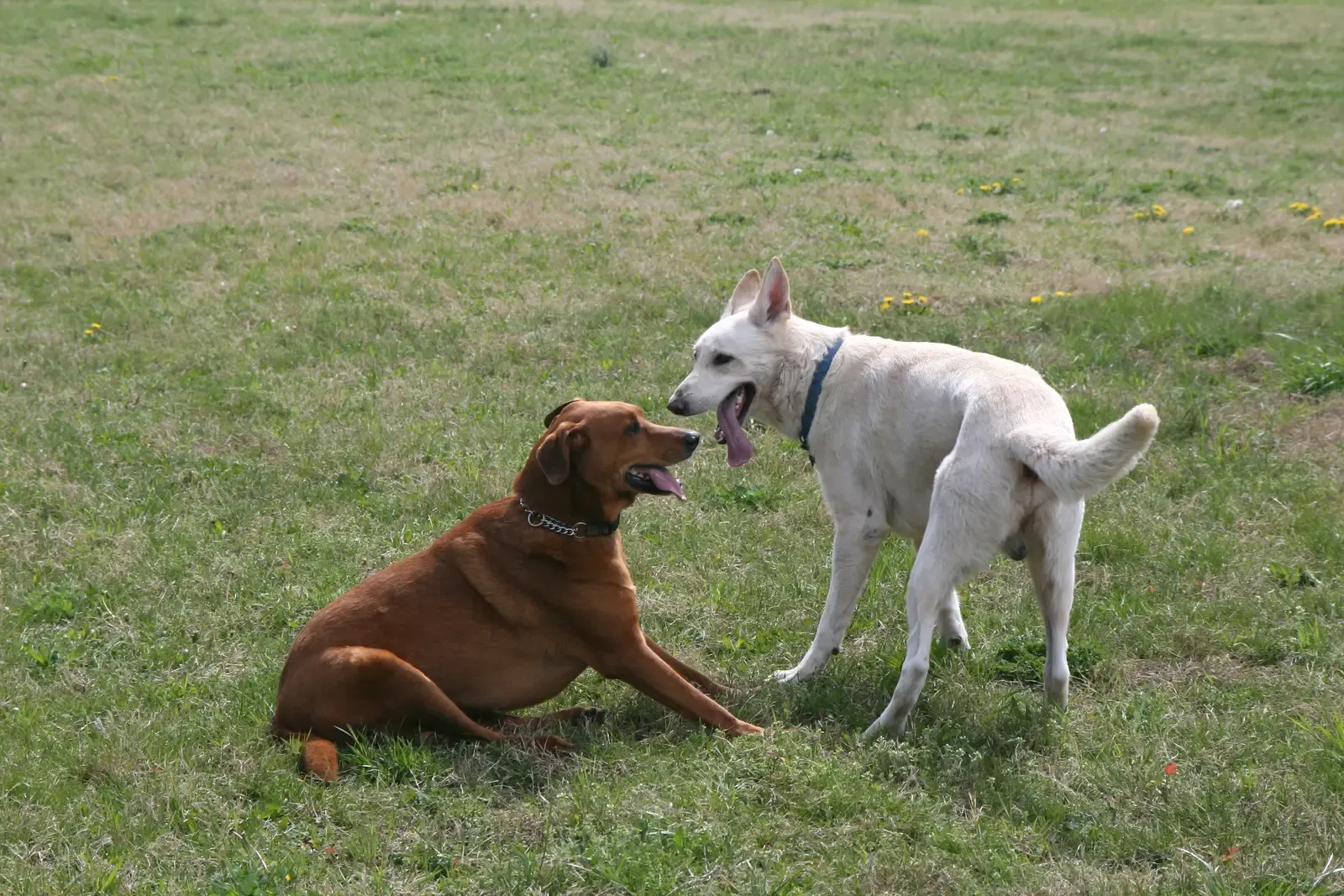
Wait, Labradors? The friendly, easy-going, everybody’s-best-friend breed? Yes. Labrador Retrievers have recently declined in health and temperament, and this can make them more prone to separation anxiety and behavioral challenges. The Lab is still currently the most popular family dog breed and generally has a relaxed disposition.
However, because they are so social, they can struggle if left alone for long periods of time. Labs are people dogs. They love you, they love your neighbor, they love the mail carrier. Their entire existence revolves around social interaction. So when you leave them alone, it’s not just boring – it’s isolating in a way that cuts deep. They might not destroy your house like a Jack Russell, but they’ll pace, whine, drool, and feel genuinely miserable. Their anxiety is quieter, but it’s just as real.
Conclusion: Building Confidence, One Departure at a Time
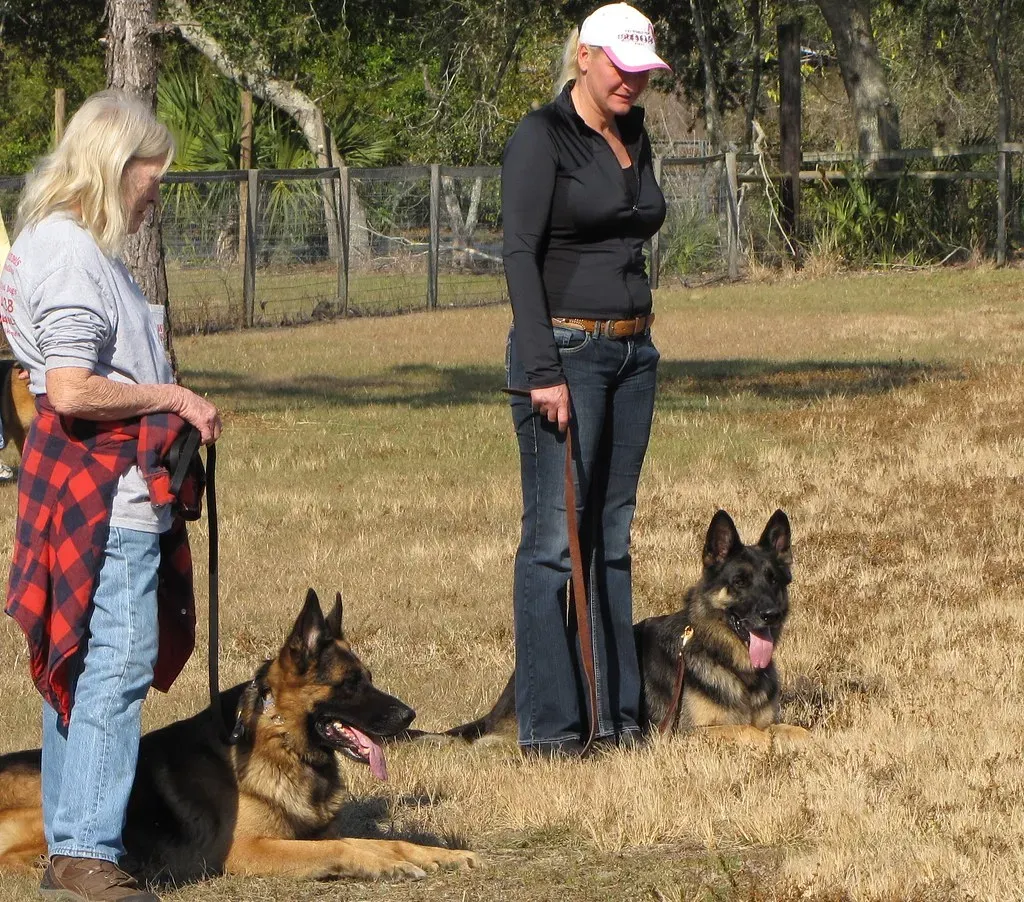
Here’s the truth. Separation anxiety isn’t something that can be cured – there’s no quick fix or one-size-fits-all medication – but it can be successfully managed with patience and training. It takes time. Sometimes it feels like you’re moving at a snail’s pace, celebrating the fact that your dog stayed calm for five extra seconds. That’s okay. Progress is progress.
Counterconditioning is a treatment process that changes an animal’s fearful, anxious or aggressive reaction to a pleasant, relaxed one instead. It’s done by associating the sight or presence of a feared situation with something really good, something the dog loves. Over time, the dog learns that whatever he fears actually predicts good things for him. Start small. Practice leaving for just a minute. Come back before the anxiety kicks in. Gradually build up the time. Use puzzle toys, frozen Kongs, calming music. Create positive associations with your departure. Keep your goodbyes low-key. Make your arrivals even more low-key. Consistency is everything.
If things feel overwhelming, reach out to a certified separation anxiety trainer or a veterinary behaviorist. Sometimes medication can help take the edge off while you work on behavior modification. There’s no shame in that. You’re not failing your dog – you’re helping them heal.
What’s your experience been with separation anxiety? Have you found strategies that work for your pup? Share your story in the comments – your insight might be exactly what another dog parent needs to hear right now.