
6 Common Mistakes Dog Owners Make When Introducing Their Dog to Strangers

You’ve been there. Someone spots your dog during a walk and immediately rushes over with bright eyes and open arms, ready to greet your pup like a long-lost friend. Your stomach tightens as you watch your dog freeze or pull backward, and before you know it, an awkward encounter unfolds.
These moments happen more than we’d like to admit. Even with the best intentions, many dog owners unknowingly make missteps when introducing their furry companions to new people. The truth is, what seems friendly to us can feel overwhelming or even frightening to our dogs. Let’s unpack the most common mistakes that happen when strangers meet our beloved pups, so you can help your dog feel safe, confident, and happy in social situations.
Allowing Strangers to Approach Without Permission
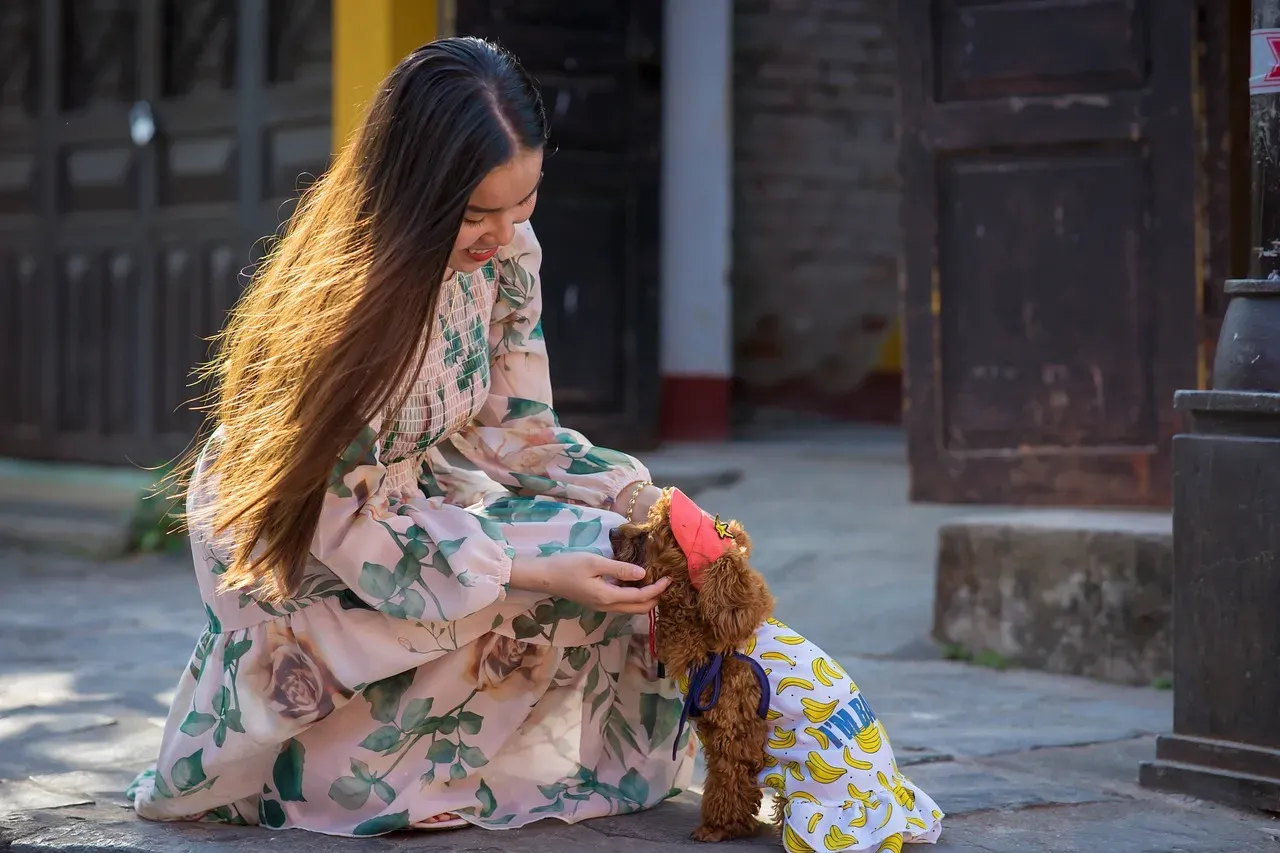
Parents need to advocate for their dogs, which often means not letting random strangers approach them. Think about it: would you want someone you don’t know walking straight up to you without any warning? Dogs feel the same way. Strangers should never approach your dog; they need to let the dog approach them if the pup is ready, as approaching a dog too quickly can scare them and make them feel they need to defend themselves with a growl or a bite.
Here’s the thing. It’s completely fine to avoid interactions on walks and even cross the street to give your dog space. You know your dog better than anyone else. If they’re having an off day or showing signs of hesitation, speak up. It’s not rude to politely decline a stranger’s request to pet your dog. A simple, “I’m sorry, they’re still learning how to meet new people,” does wonders.
Ignoring Your Dog’s Body Language
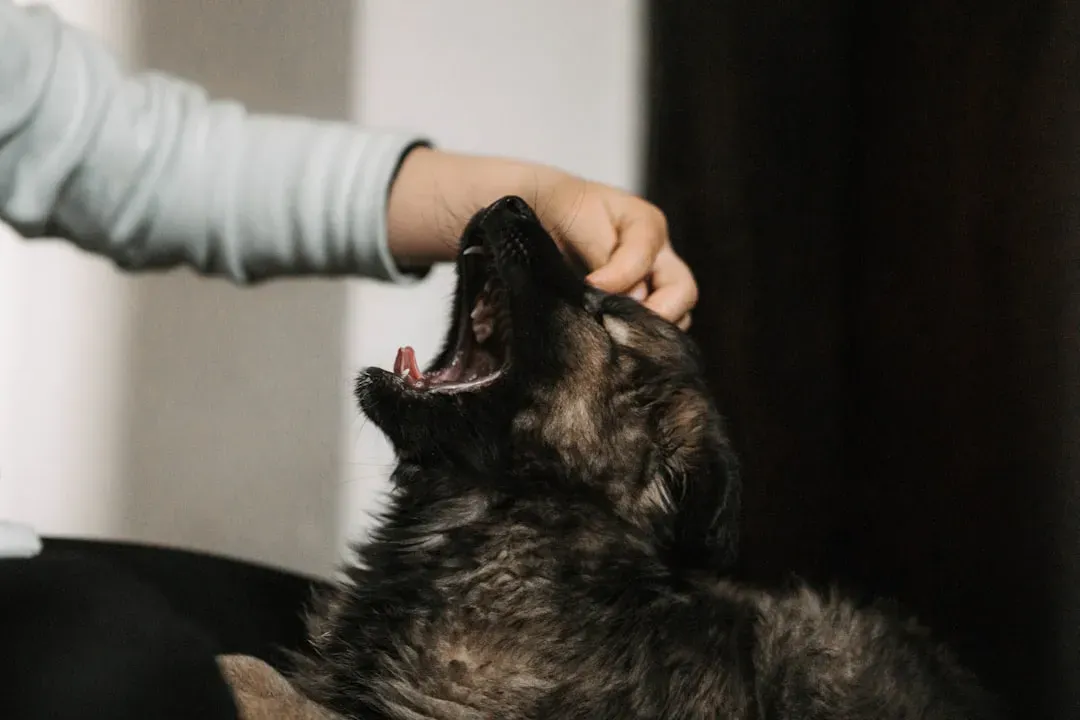
This one breaks my heart because dogs communicate constantly through their bodies, yet so many signals go unnoticed. Stressed dogs may have dilated pupils and blink rapidly, often opening their eyes wide and showing more white than usual, giving them a startled appearance. Their ears may be pinned back against their head.
Dogs yawn when they’re stressed, and according to Turid Rugaas, dogs use yawning to calm themselves in tense situations and to calm others. Lip licking is one of the most frequent stress signals dogs display, and it’s a calming signal that dogs use to self-soothe when feeling anxious. Watch for these subtle cues when someone new approaches. If your dog backs away, turns their head, or stiffens, they’re telling you they’re uncomfortable. If they show zero interest in meeting someone or back away, respect their boundaries, as fearful dogs need space and time to build trust.
Forcing Interaction When Your Dog Isn’t Ready

Let me be real: pushing your dog toward someone they’re clearly uncomfortable with never ends well. Don’t force your dog to receive petting or touch when showing fearful body language like moving away, tucking their tail, cowering, or trembling; move your dog away from the person and don’t continue the introduction.
Let your dog initiate interaction, and if they show zero interest in meeting someone or back away, respect their boundaries. Honestly, some dogs are naturally introverted. Not every pup wants to be the life of the party, and that’s okay. For most dogs, socializing with strangers is difficult and stressful, like forcing a shy person to spend time with an outgoing person or worse, hang out at a crowded party where they don’t know anyone. The goal should be helping your dog feel comfortable, not forcing them into situations that terrify them.
Allowing Strangers to Lean Over, Hug, or Crowd Your Dog
Leaning over, hugging, or crowding can be stressful, so give your dog space to move away if and when needed. Don’t let people put their face close to the dog’s face, as this can cause them anxiety. I know it sounds crazy, but what humans perceive as affection can feel threatening to dogs.
Humans greet each other by standing face to face, making eye contact, and perhaps shaking hands or hugging. Dogs, on the other hand, prefer more subtle approaches. Instruct the inquiring human to stop, lower their body, and wait for the dog to approach them, which may feel awkward at first but is incredibly important. This simple adjustment makes a world of difference for anxious dogs.
Not Teaching Strangers the Proper Way to Greet Your Dog
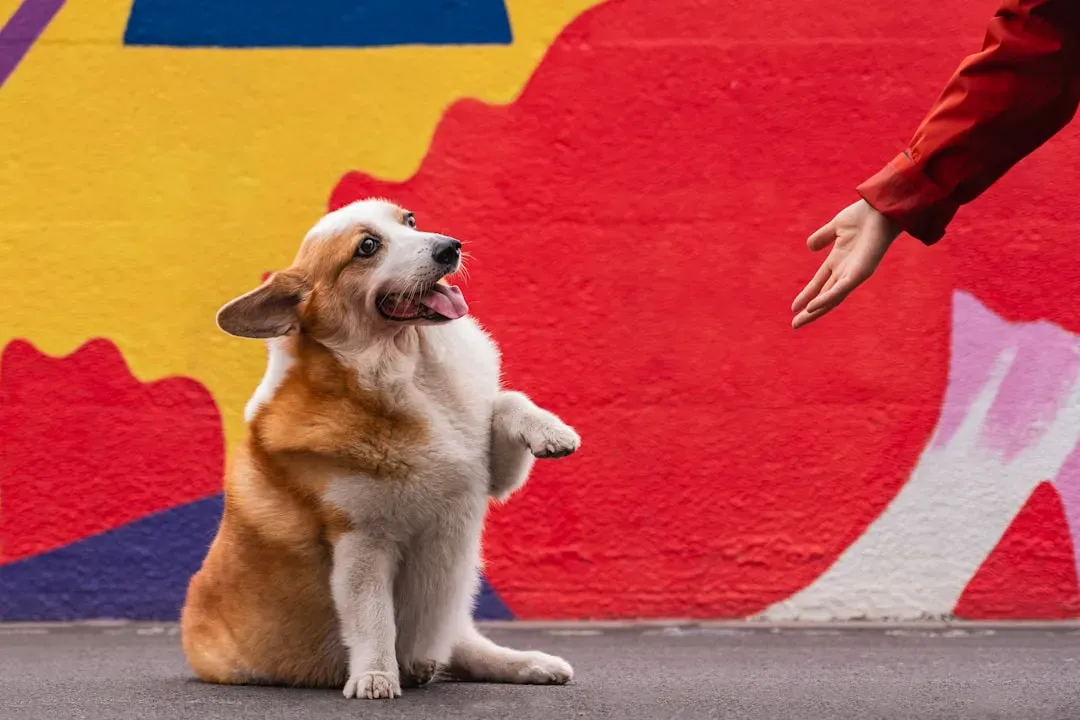
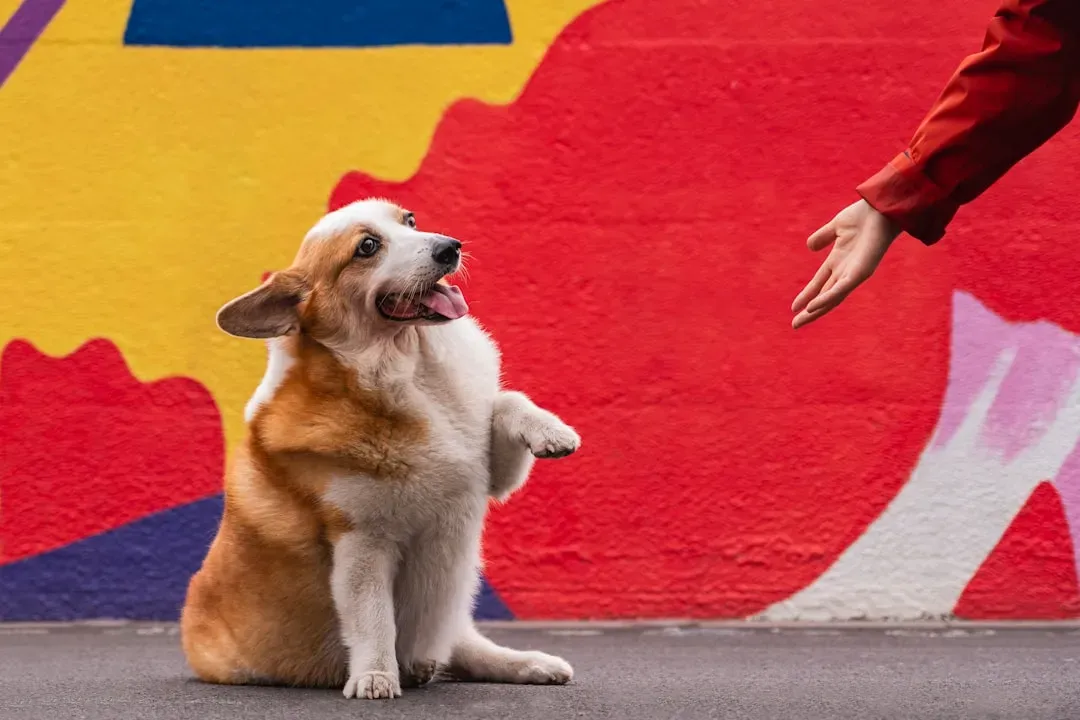
Most people mean well, but they simply don’t know how to greet a dog correctly. You should share information with your friends and family before introducing them to your new addition, making sure they understand they should never approach your dog and need to let the dog approach them. When you introduce your puppy or dog to strangers, ensure they understand how their actions will influence your dog’s behavior, with general tips including: don’t squeal with delight, don’t rush at the dog, and remain calm and speak softly.
Giving strangers clear instructions ahead of time prevents awkward or scary encounters. It might feel like you’re being overly cautious, but you’re actually being a responsible advocate for your dog. Before guests arrive, you can kindly request that they remain calm and avoid sudden movements, greet you first before acknowledging the dog, and avoid petting or making eye contact with the dog.
Mistaking All Wagging Tails for Happiness
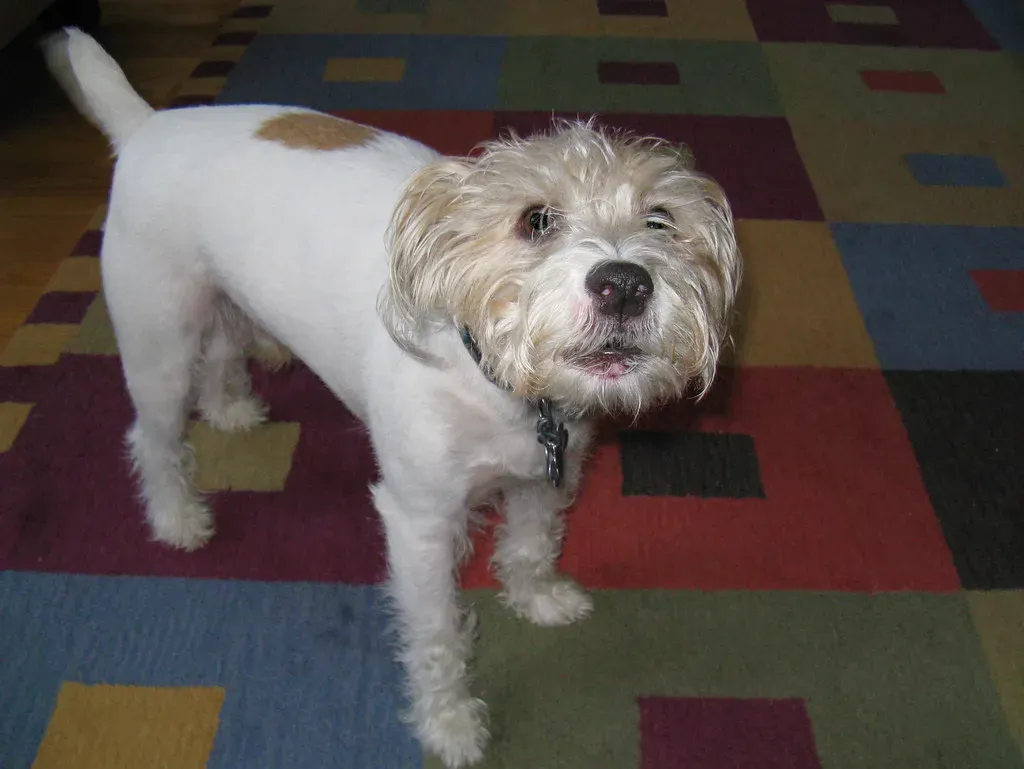
Tail-wagging seems like an obvious body language signal, and many think a wagging tail means the dog is happy, but all a wagging tail means is that the dog is emotionally aroused. That arousal could mean excitement, yes, but it could also signal stress, anxiety, or even impending aggression. A twitching tail held high, when paired with other aggressive body language cues, could indicate offensive intentions.
It is your job to always keep a close eye on their body language to keep both your dog and other people safe, and if your dog is especially anxious or fearful, it is imperative that you manage every interaction with people. Don’t assume a wagging tail means everything is fine. Look at the whole picture: ears, eyes, mouth, body posture, and tail position all work together to tell you how your dog truly feels.
Conclusion
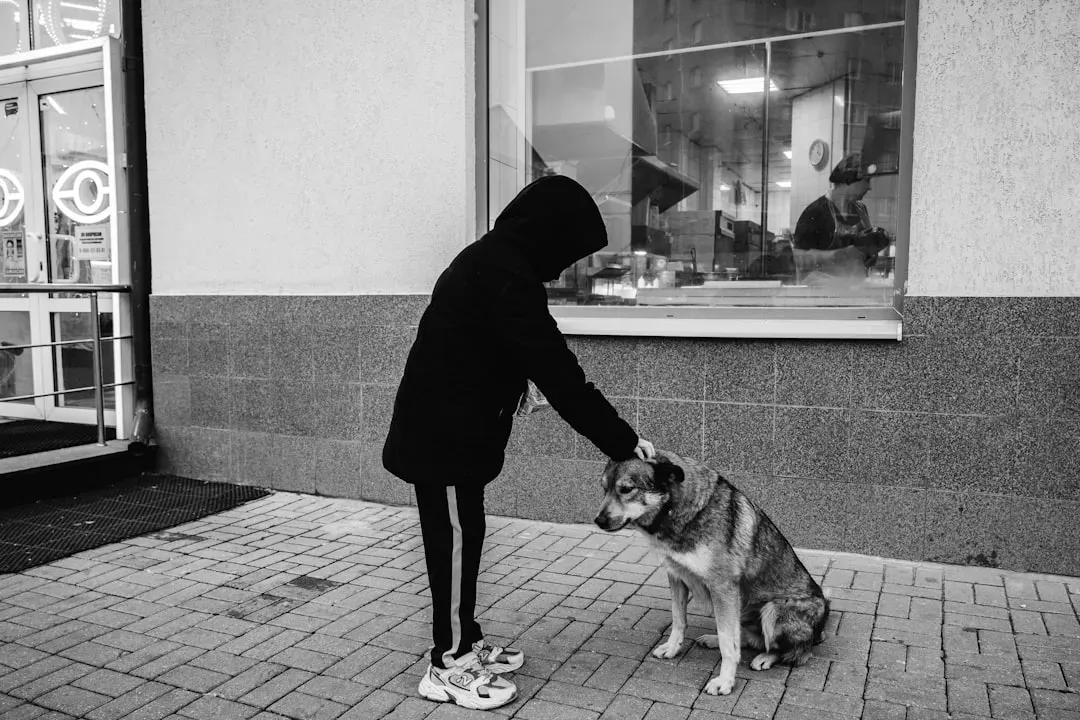
Here’s what I’ve learned over the years: introducing your dog to strangers doesn’t have to be stressful if you know what to watch for and how to advocate for your pup. Meeting new people may be fun and exciting for you, but it can be extremely uncomfortable or even frightening for your dog, so be sure to familiarize yourself with canine body language to recognize early stages of discomfort.
The mistakes we’ve explored today are incredibly common, but they’re also preventable. By respecting your dog’s boundaries, reading their body language, and educating strangers on the right way to approach, you’re setting your dog up for positive social experiences. Remember, not every dog needs to love every person they meet. Some dogs will always be cautious, and that’s perfectly okay.
What’s your biggest challenge when introducing your dog to new people? Have you experienced any of these mistakes firsthand? Share your stories in the comments below.