
Some Dog Breeds Were Bred Specifically to Be the Ultimate Family Companion

You know that feeling when you walk into a room and your dog’s entire body wiggles with joy? That unconditional love isn’t just chance. While many breeds started out with jobs like herding sheep or hunting game, some dogs were created with one mission only: to be right by your side, offering comfort and companionship. These are the breeds that warm laps, lift spirits, and remind us why dogs have earned their place as our best friends.
Throughout history, humans realized we needed more than working animals. We needed furry friends who existed purely to share our lives, our homes, and yes, our couches. These companion breeds weren’t accidents of nature or happy byproducts of other breeding programs. They were intentionally developed, carefully selected generation after generation, for temperament, affection, and that magical ability to just get us. Let’s explore the breeds that were born to be family companions and what makes them so incredibly special.
The Royal Roots of Companion Breeding
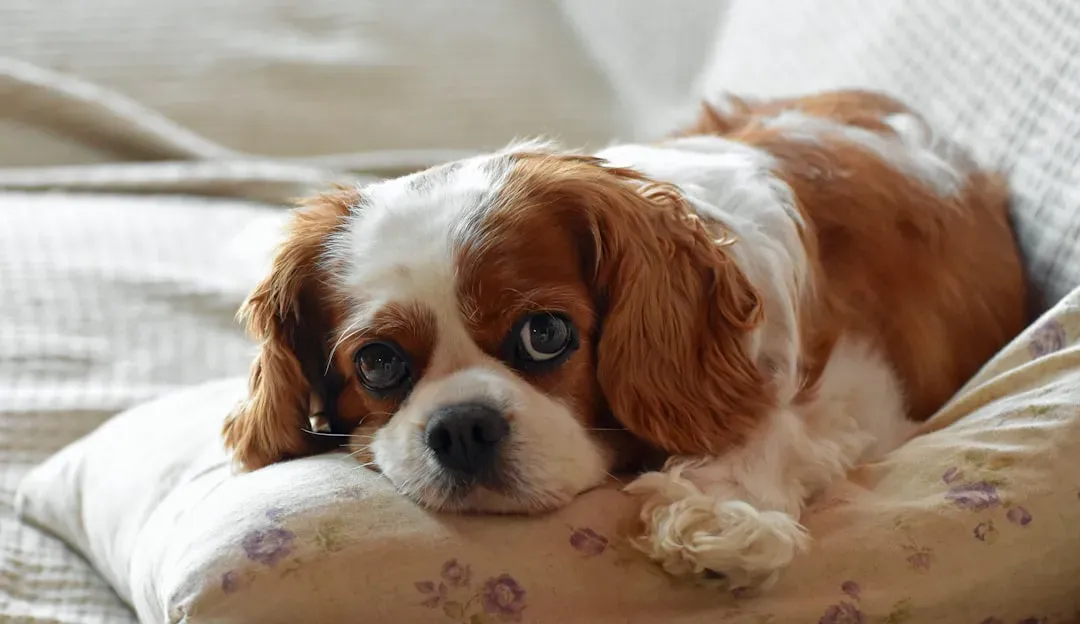
The Cavalier King Charles Spaniel got their name from British royalty in the 17th century, when King Charles I and his son Charles II were so fond of this breed that they took their dogs with them everywhere, including Parliament. Think about that for a moment. These little dogs weren’t guarding castles or hunting foxes.
The Cavalier King Charles spaniel was bred to warm laps in drafty castles or on chilly carriage rides. Their entire purpose was companionship and comfort. Cavalier King Charles Spaniels are intelligent and eager to please, and though developed from larger sporting spaniels, they were always intended as a companion dog breed.
They are known to be tolerant and patient, which allows them to get along well with children, cats, and other dogs, and the breed was created to be a companion, preferring to stick by your side or be in your lap. Their gentle nature hasn’t changed over centuries.
Small Dogs With Giant Hearts

The Maltese dog was bred specifically for companionship, and their silky white coats have charmed humans for thousands of years. These tiny treasures weren’t meant to pull sleds or retrieve birds. Maltese are incredibly affectionate with their human families and are happiest with caretakers who have plenty of time, affection, and attention to dedicate to them.
Pugs date back to the 16th century in China where they were companion dogs to royalty, and were later imported to Europe as pets. Pugs first served as companion dogs for Chinese royalty, and they’ve never lost their love of lounging on laps. Honestly, if you’ve ever met a Pug, you know they still act like royalty today.
Shih Tzus are affectionate lap dogs bred specifically to be companions, and their loyalty lies in their love of being near their people. They were palace pets who existed simply to bring joy.
When Temperament Became the Top Priority

Here’s the thing about companion breeds: breeders weren’t selecting for speed, strength, or hunting drive. While beloved breeds like German Shepherds and Labrador Retrievers were developed for specific jobs, companion dog breeds generally have no working history and are bred simply to provide love, comfort, and support to their families. That’s a fundamentally different breeding goal.
Companion breeds like the Cavalier King Charles Spaniel, Bichon Frise, and Havanese were specifically bred for human connection. Every trait was evaluated through one lens: will this dog be an amazing family member? The Cavalier King Charles Spaniel, named after King Charles II of England, is one of a very few historic breeds that was designed purely as a lap dog, and their even temperaments, affectionate natures, and constant playfulness have won them the hearts of many owners.
The Bichon Frise was developed to be a companion dog, and their temperament reflects that role, being friendly, charming, and eager to please, thriving on attention and human contact. It’s hard to say for sure, but these dogs seem genuinely happiest when they’re with their people.
Not Just Lap Dogs: The Bigger Companion Breeds

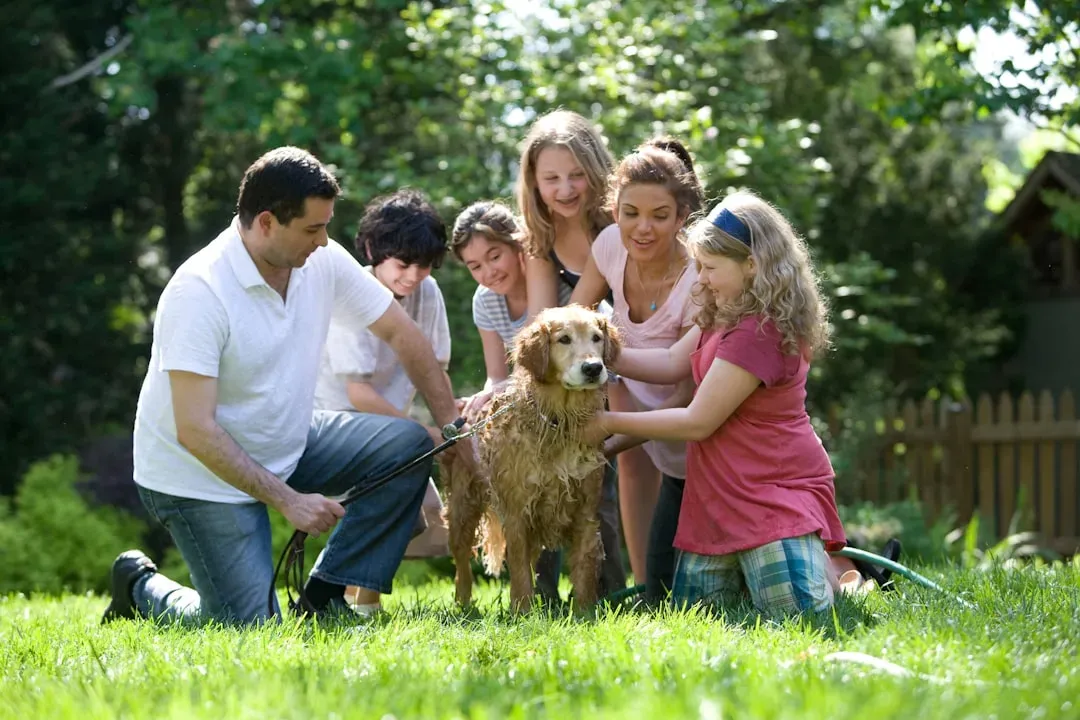
Let’s be real, companion breeds aren’t all tiny lapdogs. Golden Retrievers are often the first breed that comes to mind when we think of loyal family pets, and with their sunny disposition and gentle nature, they thrive in family environments, being highly affectionate and loving to be around people, which makes them excellent companions for children and adults alike. They may have retriever in their name, yet their modern role is overwhelmingly as devoted family members.
Labrador Retrievers are one of the most popular dog breeds in the world because they are affectionate, patient, and incredibly loyal, bonding deeply with their families and rarely leaving their owners’ side. Both breeds have hallmarks of kind nature with all humans, from infants in a stroller to seniors in a long-term care environment, and everyone in between, also getting along well in groups of other dogs.
Golden Retrievers are one of the most loving and eager to please of all dog breeds, and are regularly used in Assistance Dog roles, making them the perfect companion for a family home. Their size doesn’t diminish their companion credentials one bit.
What Makes a True Companion Breed Today
So what does it really mean to be a companion breed in 2026? Some pups have been primarily bred to fulfill their duty as man’s best friend, and many dogs are commonly referred to as companion breeds, especially those classified as miniature or toy breeds, as these pipsqueak pups have only known life as lap dogs because that was their original purpose starting out. Their entire genetic history points toward one goal.
There are a number of breeds that are considered companion breeds, and these good natured dogs thrive in human company, preferring to sit on your lap and cuddle rather than chase and guard. They aren’t wired for independence or solitary work. Cavalier King Charles Spaniels need human interaction and companionship to thrive and should not be left alone for long periods of time.
These breeds remind us that sometimes the most important job is simply being there. Did you expect that a dog’s entire breeding purpose could be just to love you? What would you have guessed their original role was?