
Dogs Thrive on Routine and Predictability for a Sense of Security

You know that feeling when your morning starts exactly as expected? Coffee brews at the same time, your favorite mug is waiting, and the world just feels a little more manageable. That quiet sense of comfort isn’t just a human thing. Your dog craves that too, probably even more than you do. Dogs are wired differently when it comes to structure and predictability. While we can rationalize chaos and adapt with a cup of coffee and a deep breath, our four-legged friends don’t have that luxury.
Dogs thrive on structure and predictability, and routine helps them feel secure, reduces anxiety, and creates a foundation for consistent training and better behavior. Think about it. They don’t check calendars or read clocks. Instead, they read us, the world around them, and the patterns that unfold daily. When those patterns shift without warning, it can shake their entire world. Let’s dive into why your dog might be silently asking for a little more rhythm in their day and how you can provide it.
Why Dogs Are Hardwired for Routine
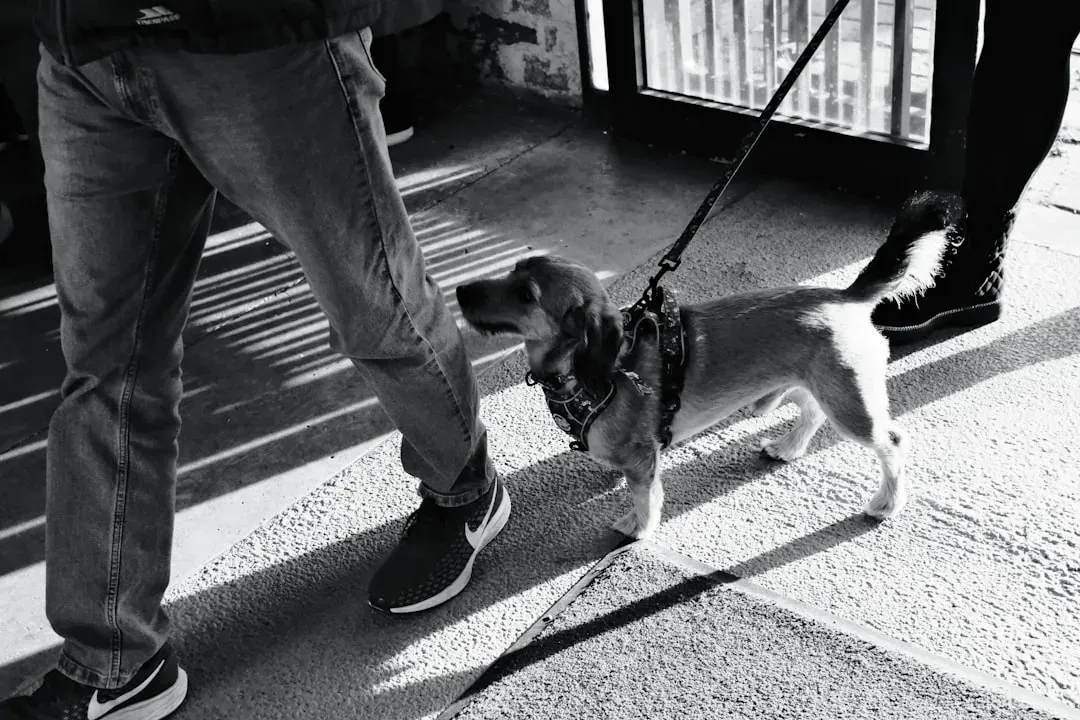
Unlike humans, dogs don’t tell time by the clock. They observe daily cues – like daylight changes, your body language, and household activity patterns – to anticipate what’s coming next. When those cues follow a consistent pattern, your dog learns to expect what happens when, which provides emotional stability and reduces reactivity.
It’s honestly pretty remarkable how attuned they are to subtle shifts in our daily lives. Your dog knows when it’s time for a walk not because they have a built-in alarm clock, but because you put on those sneakers, grab your keys, or stand by the door at roughly the same time every day. Those small rituals mean the world to them. When life becomes unpredictable, it sends a message that their environment might not be stable, which can trigger stress responses.
Routine affects the hypothalamus, a part of the brain that controls many of your dog’s instincts and emotional responses. A steady, predictable schedule helps regulate this regulation makes your dog more emotionally stable and easier to train. Picture a nervous puppy who finally settles into your home because dinner arrives at six, walks happen every morning, and bedtime follows a gentle pattern. That predictability becomes their anchor.
The Science Behind Canine Calm

Let’s talk about what’s happening inside your dog’s body when routine is present or absent. Uncertainty and inconsistency elevate cortisol, the stress hormone. A 2021 study published in Animals found that shelter dogs on consistent schedules had significantly lower cortisol levels than those without a routine. Predictability signals safety. And when dogs feel safe, they’re more relaxed, focused, and responsive.
Dogs with consistent routines and positive interactions generally exhibit lower cortisol levels, as these factors provide stability and reduce stress. Consistent routines refer to a predictable daily structure, including regular feeding times, exercise schedules, and rest periods, which help reduce uncertainty and create a stable environment for the dog. It’s not just about feeling good. Lower stress hormones mean your dog’s immune system functions better, their digestion runs smoother, and behavioral issues like excessive barking or destructive chewing become less likely. Your daily schedule might feel mundane to you, but to your dog, it’s a lifeline.
Feeding Time as a Foundation of Trust
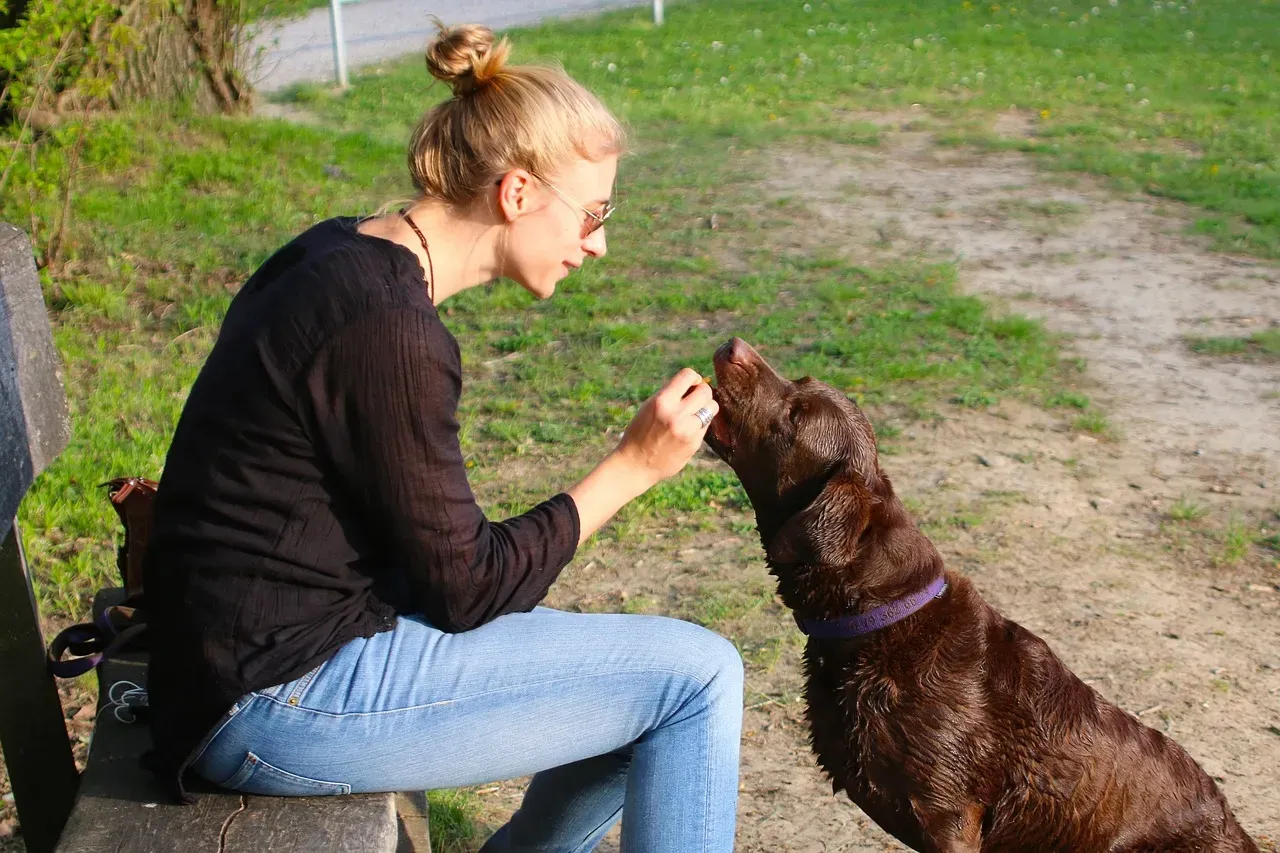
When your dog eats – and how consistently – has a major impact on their mood, energy, and training success. A dog who knows food is coming at the same time each day is less likely to become stressed, agitated, or overly focused on food throughout the day. I think we’ve all seen that frantic dog who shadows their owner’s every move near mealtime, whining and pacing with anxiety.
One of the most basic ways to provide structure for your dog is through regular feeding times. Dogs feel secure when they know when food is coming, and it helps regulate their metabolism, digestion, and bathroom habits. Whether you feed once or twice a day, do your best to stick to a consistent schedule. Honestly, this is one of the easiest changes you can make. Set a timer if you have to. Your dog will notice, and their body will thank you. Regular feeding also makes house training more predictable, as bathroom needs become easier to anticipate.
Exercise, Play, and Mental Stimulation on a Schedule

Regular physical and mental exercise are important elements of a daily routine. Dogs need to move their bodies, explore their environment, and solve problems to feel truly fulfilled. Incorporating scheduled walks, playtime, and training into your daily structure helps meet these needs and reduces excess energy that might otherwise be channeled into misbehavior.
Here’s the thing. A tired dog is usually a happy dog, but a mentally stimulated dog on a predictable schedule is even better. A structured schedule can help reduce your dog’s anxiety by providing predictability and stability, making them more comfortable and focused during training. Dogs thrive on routine, and when they know what to expect, they feel more at ease and secure. This can be especially beneficial for dogs that are naturally anxious or have a history of trauma. Training sessions that occur at the same time daily offer a sense of control and familiarity, helping reduce stress-related behaviors such as barking, chewing, or pacing. Think about it like this: your dog isn’t just waiting for a walk, they’re waiting for that daily adventure that becomes a dependable part of their identity.
Managing Anxiety Through Predictable Departures and Returns

Predictable departures and returns reduce stress. When you leave at consistent times, your dog begins to expect and accept your absence. Departure cues like putting on shoes, grabbing keys, or saying goodbye become less emotionally charged when they’re always followed by the same sequence of events. Separation anxiety is heartbreaking for both dogs and their humans, but routine can ease this challenge significantly.
They know meals will come, walks will happen, and sleep time will be peaceful. This predictability is incredibly comforting for dogs, especially those who have experienced trauma, have been adopted from shelters, or struggle with separation anxiety. I’ve seen dogs transform from trembling wrecks at the door to calm companions who settle into their bed when their person leaves. It takes time, patience, and consistency. Create a departure ritual that signals safety: a special treat, a calm phrase, and then leave without fanfare. Over time, your dog learns that your absence is temporary and predictable, not something to fear.
Conclusion: Building a Life Your Dog Can Trust
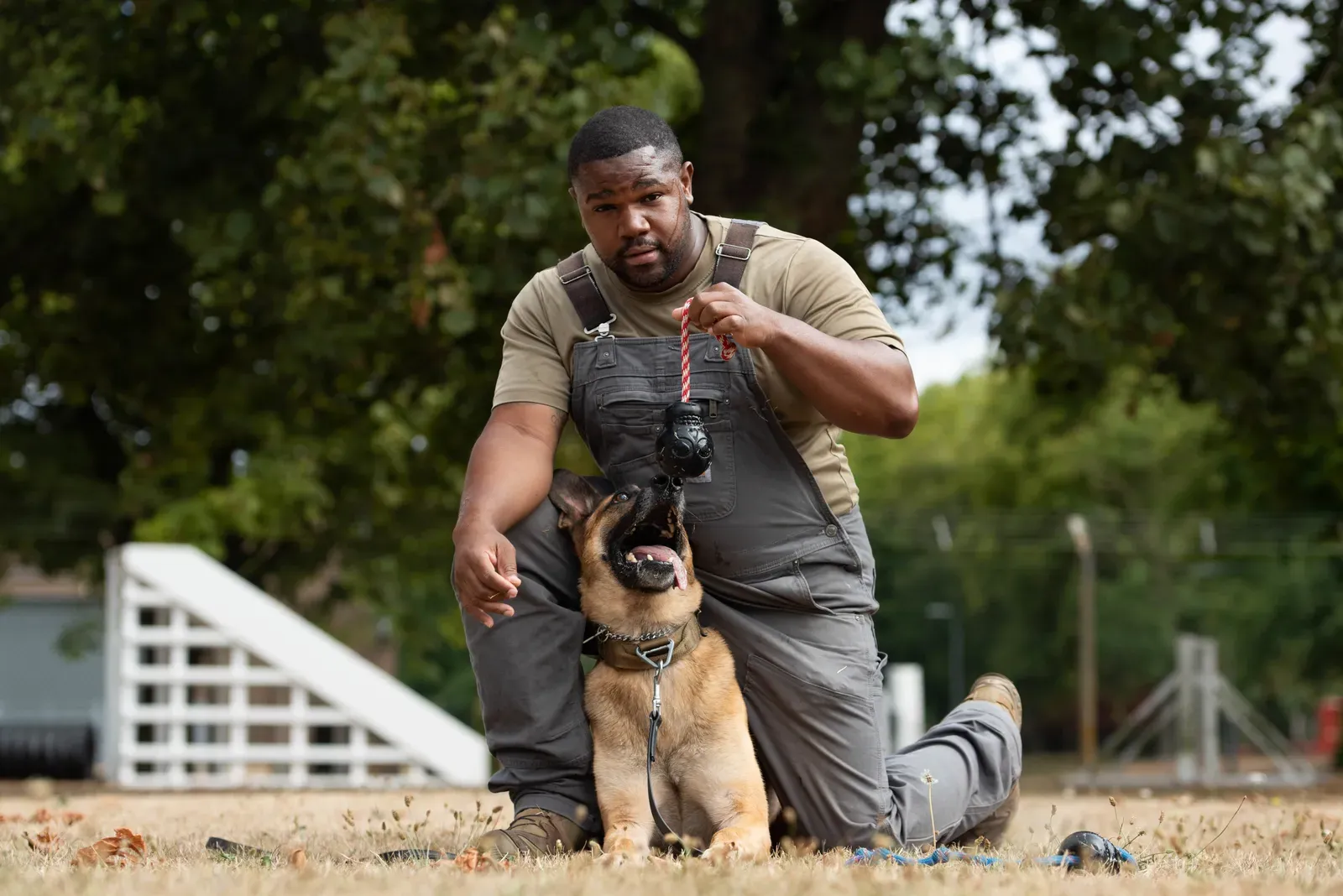
It is essential to develop a routine for your dog to help give them a more predictable, happy life. What seems to work best is predictability. If dog does X, then Y happens. It sounds simplistic, but it really seems to help dogs know what happens when. It’s not about rigid schedules or never deviating from the plan. Life happens. Things change. That’s okay.
The goal is creating a framework that your dog can rely on most days. This consistency helps reduce anxiety, build trust, and prevent behavioral issues in dogs. When your dog knows what to expect, they can relax into their role as your companion instead of constantly scanning for threats or trying to predict the unpredictable. So, what do you think? Could a little more routine make a big difference in your dog’s world? Tell us in the comments.