
Your Dog’s Happy Dance When You Get Home Is Pure, Unconditional Love
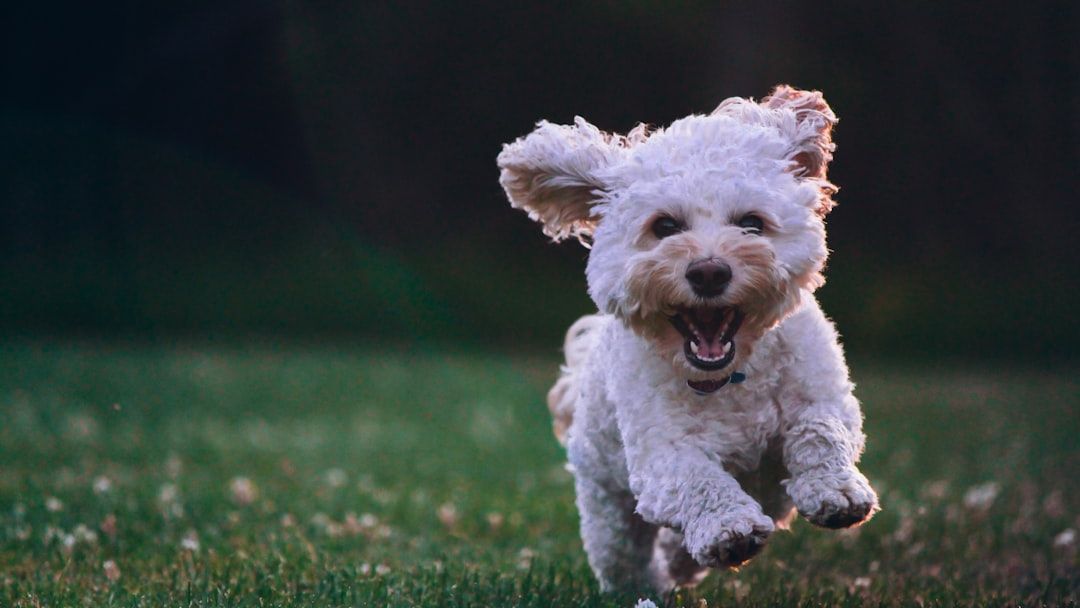
You know the moment. The second your key hits the lock, before you’ve even pushed open the door, something magical is already happening on the other side. The scramble of paws on hardwood, maybe a joyful bark or two. Then you step inside, and there they are, your loyal companion, wiggling from nose to tail like they haven’t seen you in months. It might have only been a few hours, maybe even just twenty minutes. Yet here’s your dog, absolutely losing their mind with pure, unfiltered joy.
This greeting isn’t just cute. It’s actually a window into one of nature’s most remarkable bonds, built over thousands of years between two very different species. Let’s be real, no other creature on this planet greets us quite like dogs do. So what’s really going on in that furry little head when you walk through the door? Why does your absence, no matter how brief, spark such an explosion of happiness? Let’s dive in.
The Science Behind That Tail-Wagging Welcome
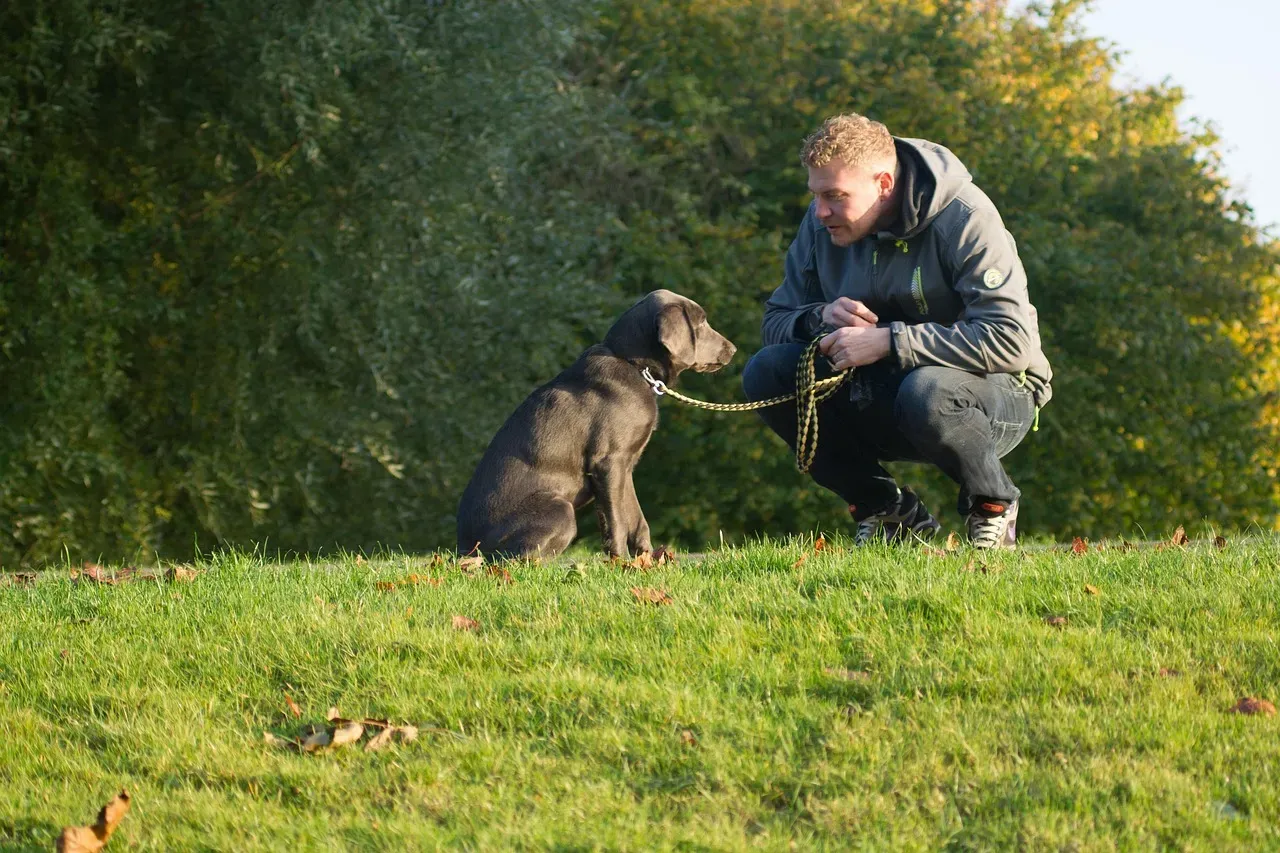
When dogs and humans interact with each other in a positive way, both partners exhibit a surge in oxytocin, a hormone commonly called the love hormone. This isn’t just some fluffy idea, it’s real biology at work. Mutual gazing increased oxytocin levels, and sniffing oxytocin increased gazing in dogs, creating a powerful feedback loop between you and your pup.
Here’s where it gets really interesting. Of the duos that had spent the greatest amount of time looking into each other’s eyes, both male and female dogs experienced a 130% rise in oxytocin levels, and both male and female owners a 300% increase. That’s massive. Think about it, your dog’s brain is literally rewiring itself to bond with you more deeply every single time you come home.
The scent of a familiar human evokes a reward response in the brain. Before you even appear, your dog’s incredible sense of smell has already detected you, triggering that reward center and flooding them with feel-good chemicals. Their excitement isn’t manufactured or trained, it’s a genuine neurological response to your presence.
Pack Mentality and the Relief of Reunion
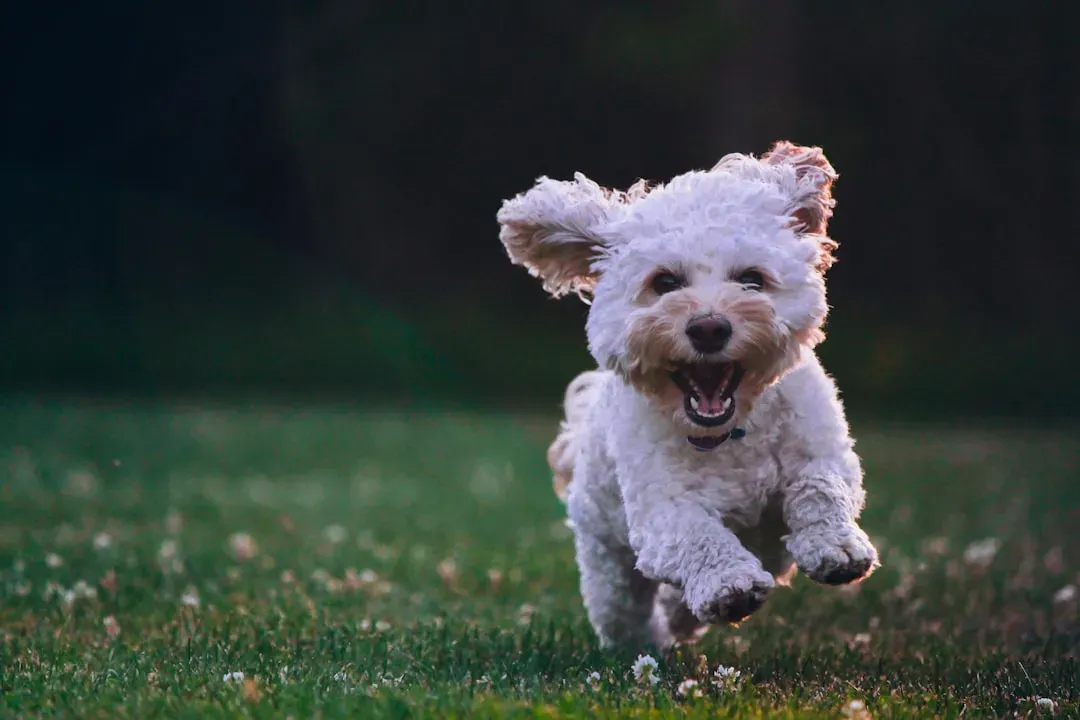
Dogs descend from wolves, and so their pack mentality is built-in, transferred to their human family, who they consider members of the pack. When you leave, even for a grocery run, your dog experiences a form of separation from their pack leader. When a dog is excited to see their owner, it might be partly because they’re relieved a member of their pack has returned home safe.
Honestly, I think this is one of the most touching aspects of dog ownership. Your pup doesn’t know you’re just at work or running errands. For all they understand, you could be facing dangers out there in the world. The dog is a social animal, it needs to live in group and doesn’t tolerate loneliness well, predisposed to communicate by being able to interpret the emotions and language of man.
For a dog, its reunion with one or more members of the pack is a time of joy because, by its very nature, it likes to relate and share space. That wiggling, jumping, face-licking greeting isn’t just excitement. It’s relief, celebration, and reconnection all rolled into one furry package.
Reading Your Dog’s Greeting Body Language
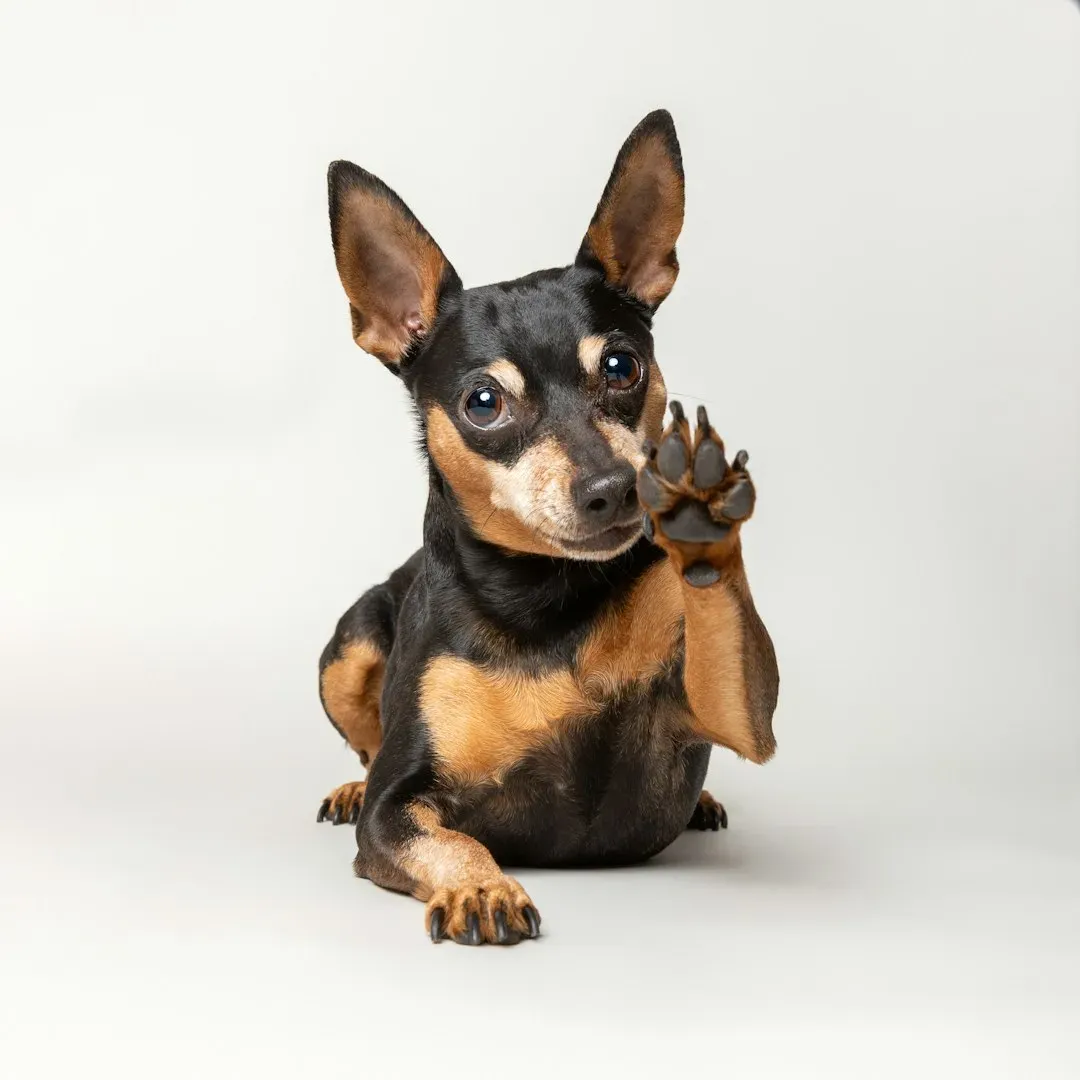
Not all excited greetings look the same, and understanding the nuances can deepen your bond with your dog. A wide, fast-moving tail wag usually indicates excitement and happiness, displayed when they see their favorite humans. Pay attention though, because tail language is surprisingly complex.
Dogs wag their tails to the right when they are happy or confident and to the left when they are frightened. Yeah, the direction actually matters. Those long, slow, side-to-side tail sweeps your dog makes when greeting you, the type that wags the dog’s whole body, that’s a relaxed dog. Some dogs even do what’s called the helicopter tail, where their entire tail spins in a circle. That one’s unmistakable, pure joy.
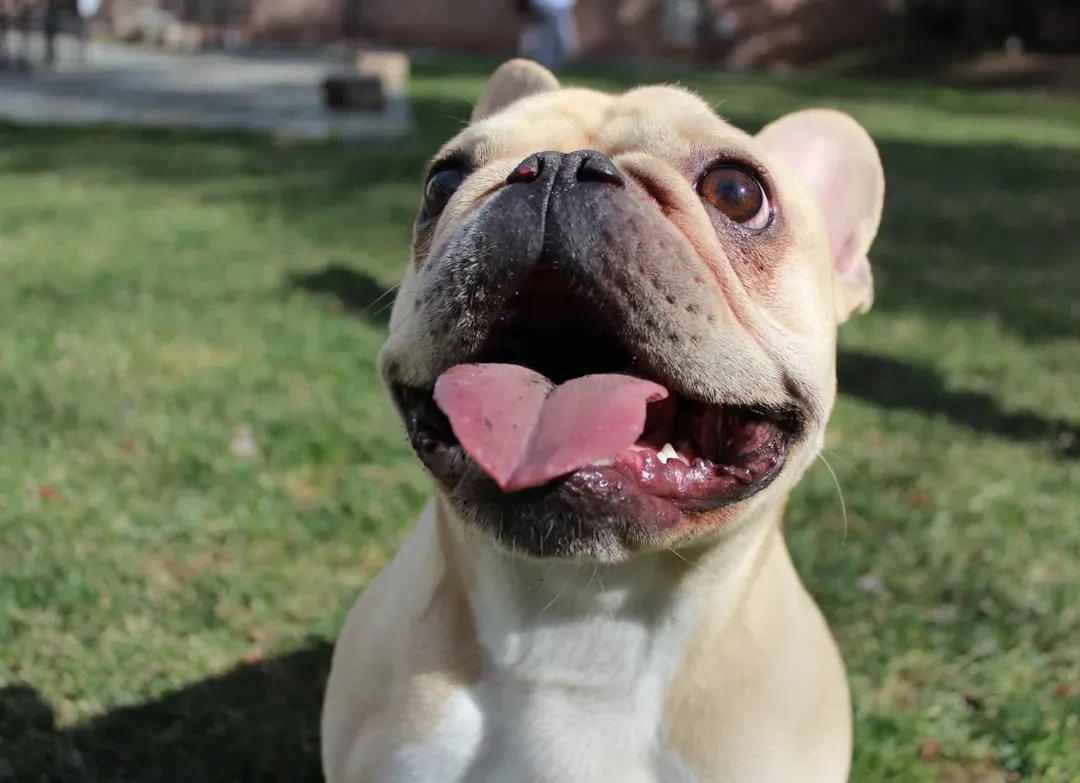
The pet me dog is animated and wiggly, with soft eyes and an inviting open-mouth grin, sometimes her whole body seems to wag. Look for these signs alongside the tail action. Bright eyes, relaxed mouth, that whole-body wiggle, these tell you your dog isn’t just excited, they’re genuinely happy and comfortable in this moment of reunion.
When Excitement Becomes Anxiety
Here’s something important to understand. In dog language excitement is not the same as happy, if they are overly excited then they are also experiencing stress or anxiety. Sometimes that frantic greeting can actually signal separation anxiety rather than simple joy. Dogs with separation-related problems tend to engage in excessive excitement when the owner returns.
How do you tell the difference? Dogs with true separation issues often show distress before you leave, pacing, whining, or following you from room to room. Dogs with separation anxiety are also often quite excited and aroused when the owner returns, but their behavior may include submissive urination, destructive activities while you’re gone, or refusing to calm down for extended periods after your return.
The good news? Research indicates that high excitement and playful levels of owners during departures and arrivals is not associated with the development of increased separation-related behavior in newly adopted dogs. So greeting your dog warmly won’t create anxiety issues. Still, if your dog seems distressed rather than joyful, consulting with a veterinary behaviorist can help address underlying anxiety.
Strengthening Your Bond Through Homecomings
The return of a familiar human had a positive effect on the dog, increasing oxytocin and decreasing cortisol. Even better, dogs that received both physical and verbal interaction had a significantly higher level of oxytocin, that was maintained for much longer, with cortisol levels significantly lower for longer. This means your greeting ritual actually matters for your dog’s emotional wellbeing.
You don’t need to make it a huge production every time. Simple consistency works wonders. Our pet gets used to seeing us go out and return at certain times, its confidence is cemented by a sort of cognitive map, a timetable built through secondary signals. Your dog learns your patterns and builds security around them.
Dogs recognize their pet parent, and they behave really differently with that pet parent upon reunion, including a lot more affiliative behaviors like nudging or nuzzling. These interactions strengthen human connections, and the same applies to your relationship with your dog. Let them greet you, return their affection, engage with their joy. It’s not spoiling them, it’s nourishing an incredible interspecies bond that science shows benefits both of you.
Conclusion
That happy dance your dog performs when you walk through the door isn’t just learned behavior or a bid for treats. It’s a profound expression of genuine love, built on evolutionary biology, neurochemical bonds, and the deep pack mentality that makes dogs our most devoted companions. Every wiggle, every tail wag, every joyful leap represents millions of years of coevolution between humans and canines, culminating in this one perfect moment of reunion.
Next time your dog greets you like you’ve been gone for years when it’s only been an hour, remember what’s really happening. Their brain is flooding with oxytocin, their relief at your safe return is genuine, and their joy at being reunited with their favorite pack member is as real as anything they feel. So go ahead, embrace that chaos, laugh at those zoomies, and soak in that unconditional love. Your dog certainly is.
What do you think about your dog’s greeting style? Does it make you feel differently about those homecoming celebrations?