
Every Dog Has a Unique Personality Just Waiting to Be Understood
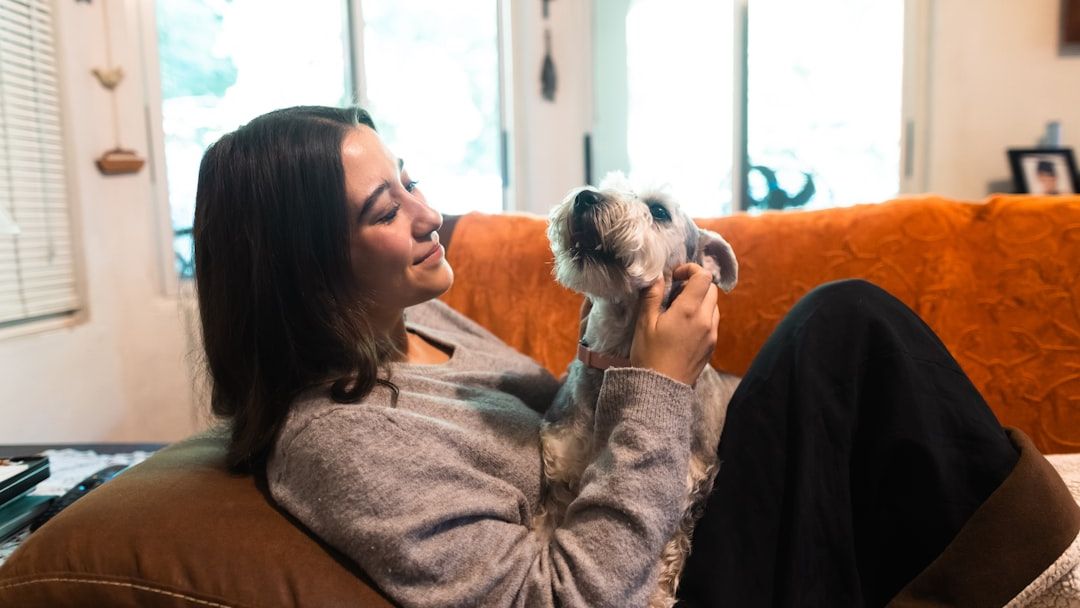
Have you ever wondered why your neighbor’s Golden Retriever acts nothing like yours, even though they’re the same breed? Or why that rescue dog you brought home surprised you with traits you never expected? Here’s the thing: dogs aren’t cookie cutters of their breed stereotypes. Each one is an individual, shaped by a tapestry of experiences, genetics, environment, and yes, even a dash of mystery we haven’t fully unraveled yet.
The more time you spend with dogs, the more you realize they’re not so different from us. They have moods, preferences, fears, and quirks that make them wonderfully, sometimes frustratingly, unique. Understanding your dog’s personality isn’t just about better training or fewer behavioral hiccups. It’s about truly seeing them, meeting them where they are, and building a relationship rooted in trust and empathy. So let’s dive in.
Personality Goes Beyond Breed Labels
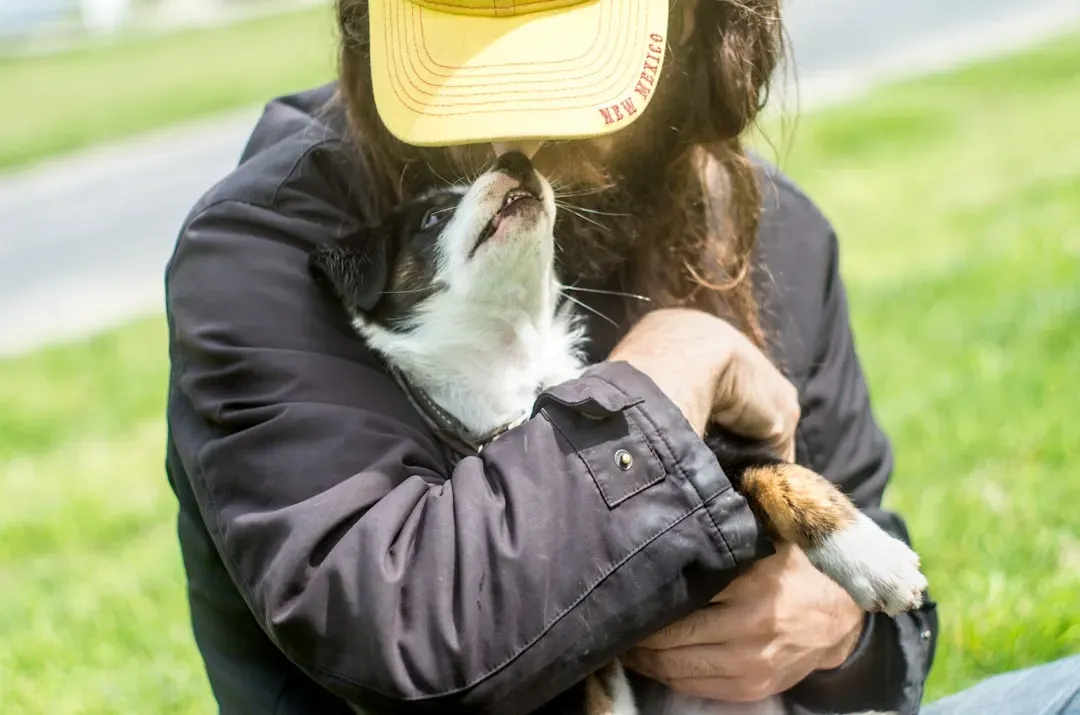
Let’s be real: we all fall into the trap of assuming a Labrador will be friendly or that a Chihuahua will be yappy. Breed explains only about nine percent of behavioral variation among different dogs, according to recent research involving thousands of pups. That leaves a massive chunk of personality up to individual factors.
Breed and age had the strongest associations with dog personality traits, though some environmental factors, especially puppyhood socialization, were also associated with personality. Still, honestly, even those connections are surprisingly subtle. You might get a Beagle who never howls or a Border Collie who’d rather nap than herd.
All factors had small effect sizes, highlighting that a lot of variation in personality remains unexplained. What does that mean for you? Simple: don’t judge a book by its cover. The pup in front of you deserves to be understood as an individual, not a breed brochure.
What Actually Shapes Your Dog’s Unique Character
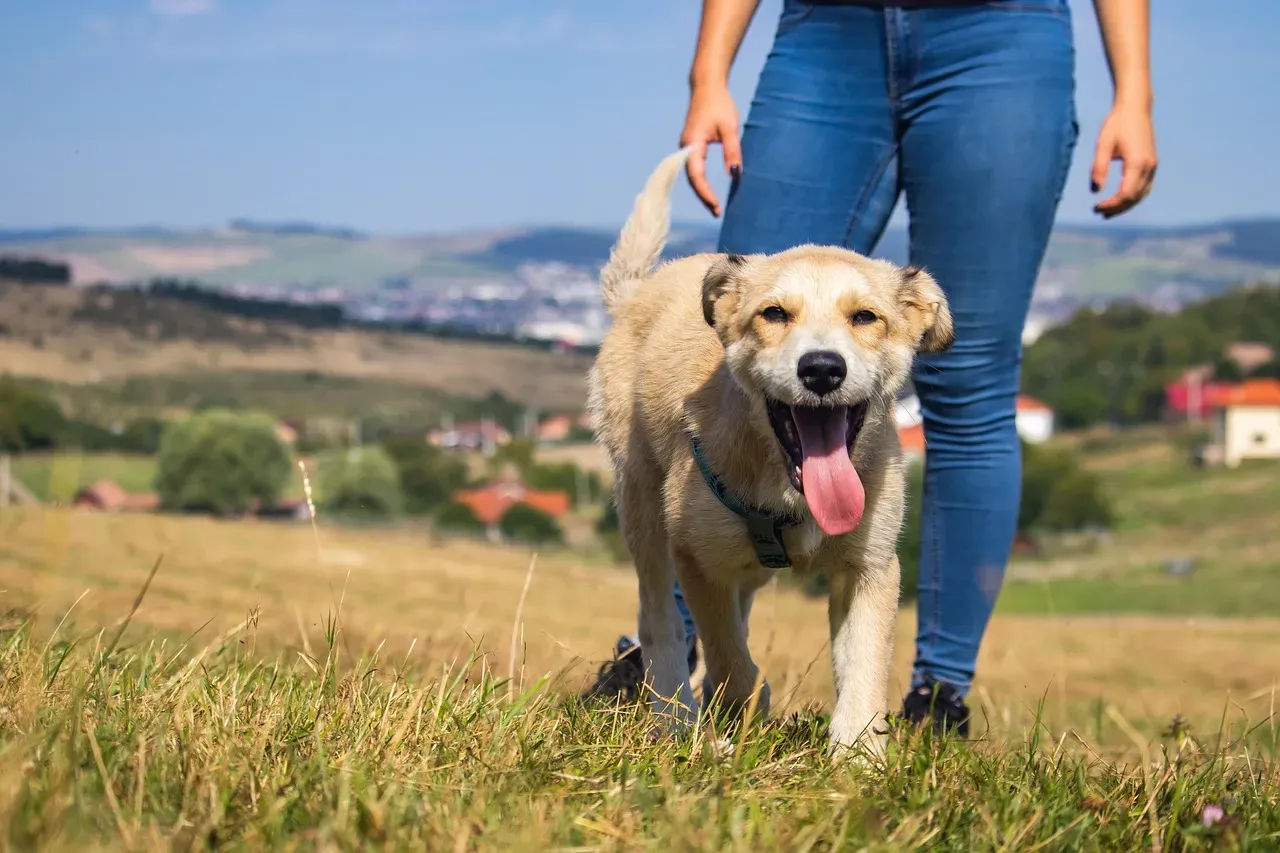
So if breed isn’t everything, what else is going on? Personality traits included insecurity, energy, training focus, aggressiveness/dominance, human sociability, dog sociability, and perseverance. These traits emerge from a mix of inherited tendencies and life experiences.
Think about it like this: genetics lay the foundation, but your dog’s early weeks, their socialization experiences, the stability of their home, and even their physical health all add layers. Both genetics and environment shape a dog’s character, while biology establishes the groundwork, early experiences, surroundings, and overall wellness contribute significantly to canine behavior.
The size of a dog can also influence temperament, and bigger dogs have bigger brains. Larger dogs tend to have expanded neocortices, making them generally more trainable and less anxious. Meanwhile, smaller dogs or those with certain skull shapes may face different behavioral challenges. Your dog’s brain structure, their early handling by breeders, their first months of life – all these puzzle pieces matter.
A dog’s personality can change over time due to life experiences, much like humans. That rescued pup who arrived fearful and withdrawn? Give them time, patience, and consistency, and you might meet an entirely different dog six months down the road.
Reading the Behavioral Cues Your Dog Is Giving You
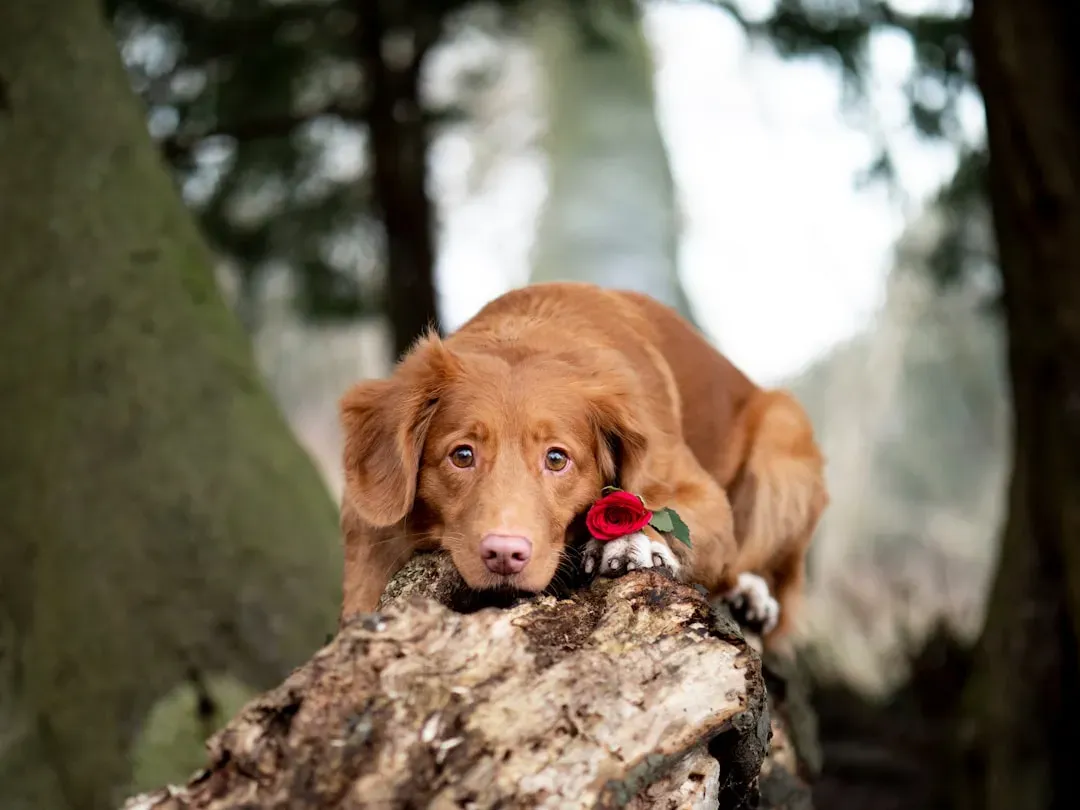
Here’s where things get practical. Your dog is always communicating, even when they’re silent. Everyday behaviors are an effective way of gauging a dog’s emotional state and their state of physical health. Watch how they greet new people, how they react to unfamiliar noises, whether they tuck their tail or wag it high.
Watch for a fixed stare, bared teeth, or a furrowed brow, which can signify discomfort or readiness to act defensively, while a high, stiff tail can indicate aggression and a low or tucked tail suggests fear. These aren’t just random signals – they’re your dog’s way of telling you how they’re feeling in that moment.
Pay attention to changes, too. A usually playful dog who suddenly becomes withdrawn might be signaling pain or illness. Increased anxiety around strangers could point to a negative experience. Dogs don’t have words, so they rely on body language, vocalizations, and behavioral shifts to communicate their inner world. The more you tune in, the better you’ll understand what your dog truly needs.
Tailoring Your Approach to Your Dog’s Temperament
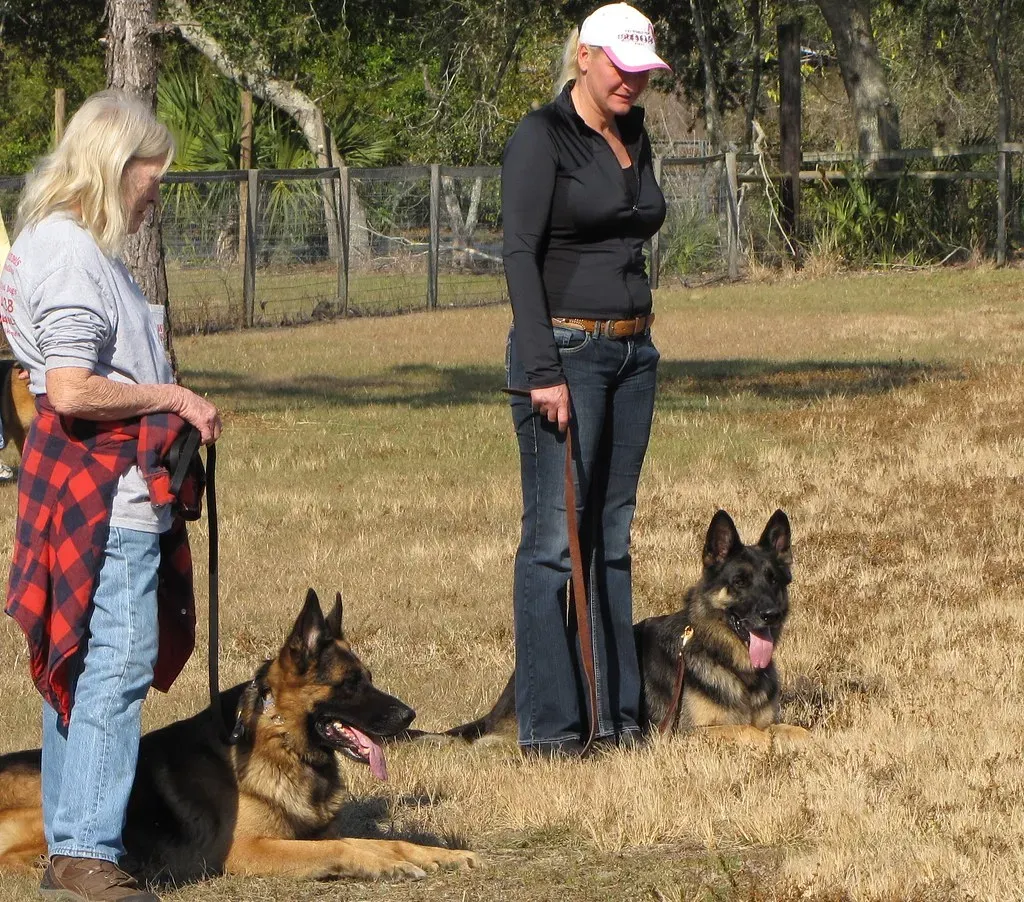
Temperament refers to the innate traits that shape how a dog reacts to various situations, distinct from behavior, which is the visible expression of temperament and can be influenced by learning, training, socialization, and the environment. This distinction matters because you can’t change temperament, really, though you can absolutely shape behavior.
If your dog is naturally cautious or insecure, forcing them into chaotic social situations won’t magically make them confident. Instead, gradual exposure, positive reinforcement, and creating safe spaces work wonders. Dogs raised with understanding, clear limits, and enriching experiences tend to be more confident, social, and responsive, whereas harsh or inconsistent treatment can trigger anxiety or aggressive behaviors.
Different dogs thrive with different training styles. An energetic, easily excitable dog might benefit from short, dynamic sessions with lots of interactive games. A more cautious, sensitive dog might need slower, patient introductions to new experiences paired with plenty of treats and praise. There’s no one-size-fits-all formula.
Physical wellness greatly impacts temperament, as dogs feeling pain, discomfort, or illness often become irritable, withdrawn, or reactive, and certain medications may influence behavior as well. Always rule out health issues before assuming a behavior is purely personality-based. Sometimes what looks like stubbornness is actually a dog in pain.
Building a Relationship Based on Trust and Understanding
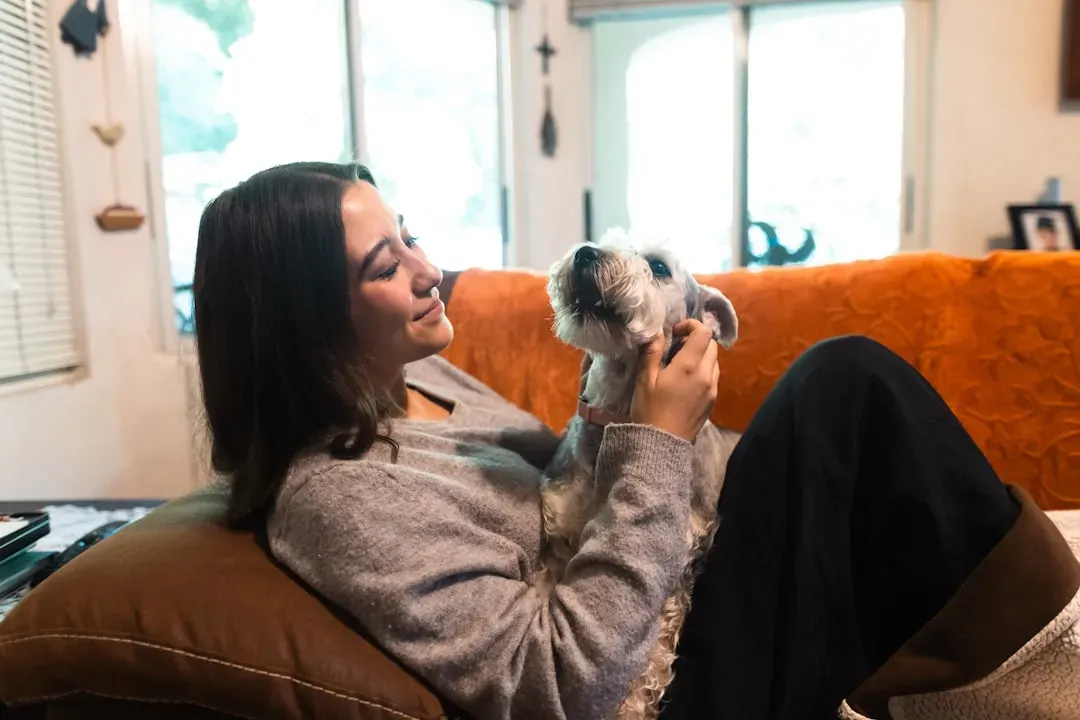
I know it sounds simple, but meeting your dog where they are – not where you wish they’d be – changes everything. By meeting your dog’s needs rather than imposing your expectations, you strengthen your relationship, fostering a bond built on trust, mutual understanding, and lasting success. That’s the real goal, right? Not perfection, just connection.
Observe your dog in different situations. Notice what makes them light up and what makes them shut down. Some dogs are social butterflies; others are homebodies who’d rather spend time with just you. Some thrive on learning new tricks and commands; others are happiest with routine and predictability. None of these preferences are wrong – they’re just different.
Understanding dog behavior, especially in the context of the human social environment, is critical to maintaining positive interactions, and behavior can be an important indicator of health and welfare, as behavioral change can signal transitions in life stages or alert caretakers to potential illnesses. When you truly understand your dog, you’re not just a better trainer – you’re a better companion.
Remember that understanding takes time. Your dog’s personality unfolds gradually, especially if they’ve had a rocky past or limited early socialization. Patience, consistency, and empathy go further than any training technique ever could.
Conclusion
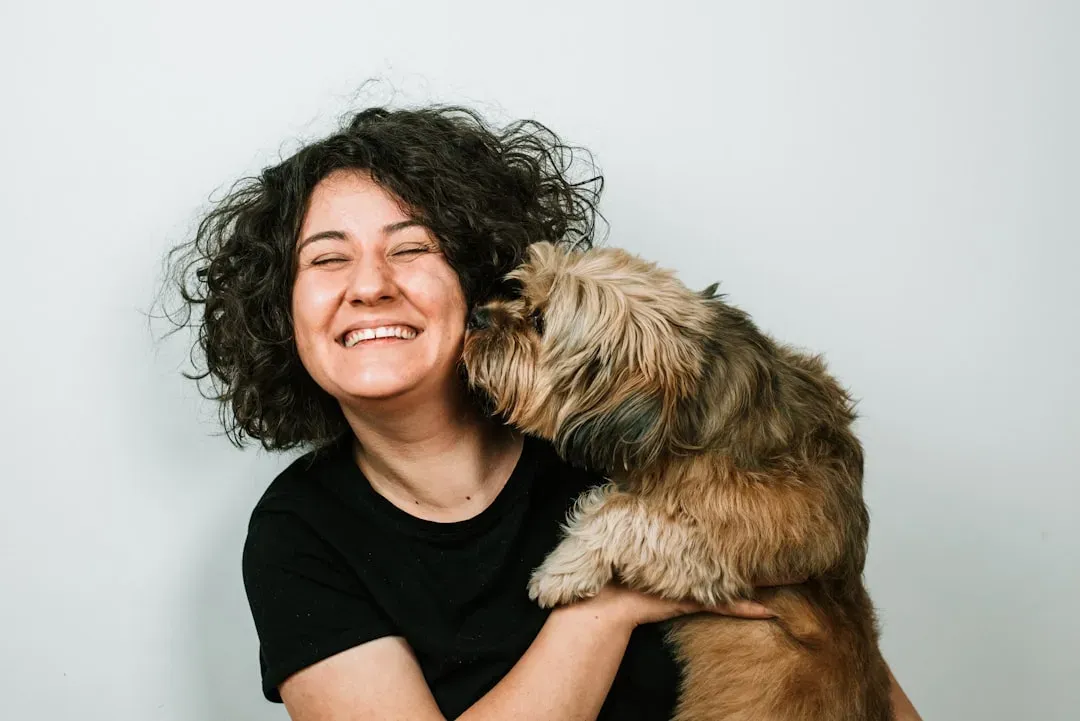
Every dog carries their own story, their own constellation of traits, fears, joys, and preferences. Whether you brought home a puppy with a known lineage or rescued a mystery mix, the journey of understanding their personality is one of the most rewarding parts of sharing your life with them. Forget the stereotypes. Set aside the breed expectations. Look at the dog in front of you – really look – and listen to what they’re telling you.
When you approach your dog with curiosity instead of assumptions, you open the door to a deeper, richer relationship. You become the person they trust, the one who sees them for who they truly are. What’s your dog trying to tell you today? Maybe it’s time to find out.