
Dogs Often Mirror Our Energy Levels, So Stay Calm for a Calm Dog
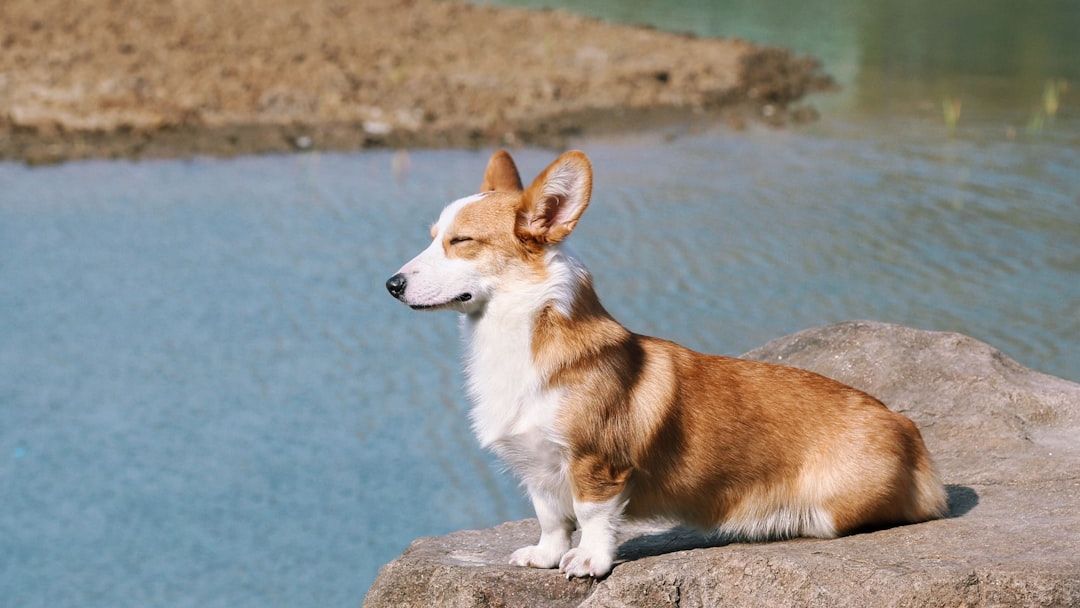
Ever notice how your dog seems to sense when you’re stressed, even before you realize it yourself? That uncanny awareness isn’t just your imagination. Your dog is reading you like an open book, picking up on every subtle shift in your mood, body language, and energy. The truth is, our canine companions don’t just share our homes and routines. They actually absorb and reflect the emotional atmosphere we create around them.
This connection runs deeper than simple observation. Research has revealed something remarkable: dogs actually mirror the stress levels of their owners, with owner personality traits significantly affecting dog cortisol levels. When we’re anxious, they become anxious. When we’re calm, they settle too. Understanding this powerful bond isn’t just fascinating science, it’s also a practical tool that can transform your relationship with your dog. Let’s explore how your energy shapes your dog’s world and what you can do to create a calmer, happier life for both of you.
The Science Behind Emotional Mirroring
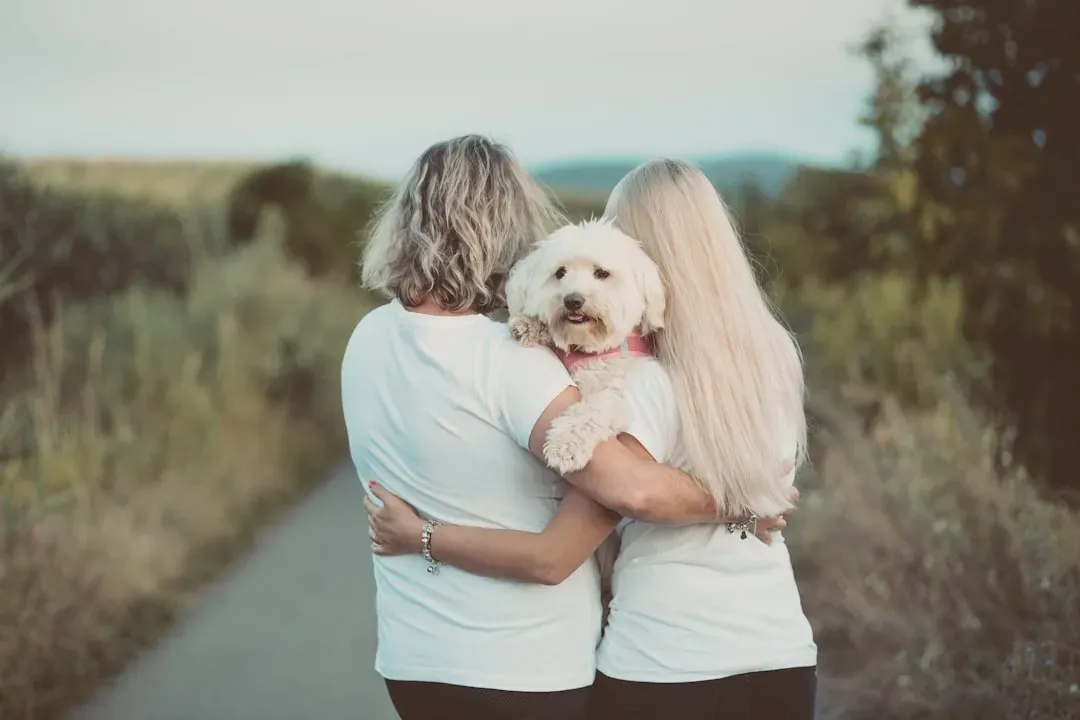
This represents the first time researchers have documented interspecies synchronization in long-term stress levels. Scientists measured cortisol, the primary stress hormone, in the hair of both dogs and their owners over several months. What they discovered was striking: the stress hormone levels moved in tandem.
Cortisol is stored in the hair of dogs which means each hair shaft is essentially a record of that particular individual’s stress. Think of it like tree rings that tell a story over time. Surprisingly, researchers found no major effect of the dog’s personality on long-term stress, but the personality of the owner had a strong effect, leading them to suggest that the dog mirrors its owner’s stress.
Here’s the thing: dogs are highly attuned to human emotions, perceiving subtle cues through body language, tone of voice, scent, and overall energy. It’s hard to say for sure, but this incredible sensitivity likely evolved over thousands of years of living alongside humans. Your dog doesn’t need you to speak. They’re watching your shoulders tense, noticing the pitch of your voice rise, and possibly even detecting chemical changes in your scent when anxiety kicks in.
How Your Anxiety Becomes Your Dog’s Anxiety

When you’re feeling stressed or overwhelmed, your body releases cortisol and adrenaline. Stress and fear trigger the release of these hormones, and dogs can detect the minute changes in body odor caused by these chemicals. Your dog is essentially reading your stress through their nose, which is exponentially more sensitive than ours.
It can take up to 72 hours for cortisol levels to return to normal, which means stress can trickle down into behavior for days. This is crucial to understand. That stressful Monday morning doesn’t just affect your dog on Monday. For dogs who regularly experience overwhelming or over-arousing events, cortisol levels stay elevated long term, creating a more touchy and edgy dog in general who is quicker to overreact to things.
Picture this common scenario: you’re running late, frantically searching for your keys, tension radiating from every movement. Your dog watches this unfold and their own stress response activates. If you’re tense on a walk or frustrated during training, that energy transfers right through the leash, and a dog that’s leash-reactive might be responding not just to the environment, but to a tense or anxious handler.
The emotional contagion goes both ways too. You mirror your dog as well, and when your dog is anxious, unwell, or in pain, you often feel it in your own body and mind. This mutual influence creates a feedback loop that can either spiral into heightened anxiety or settle into peaceful coexistence.
Behavioral Signs Your Dog Is Picking Up Your Stress
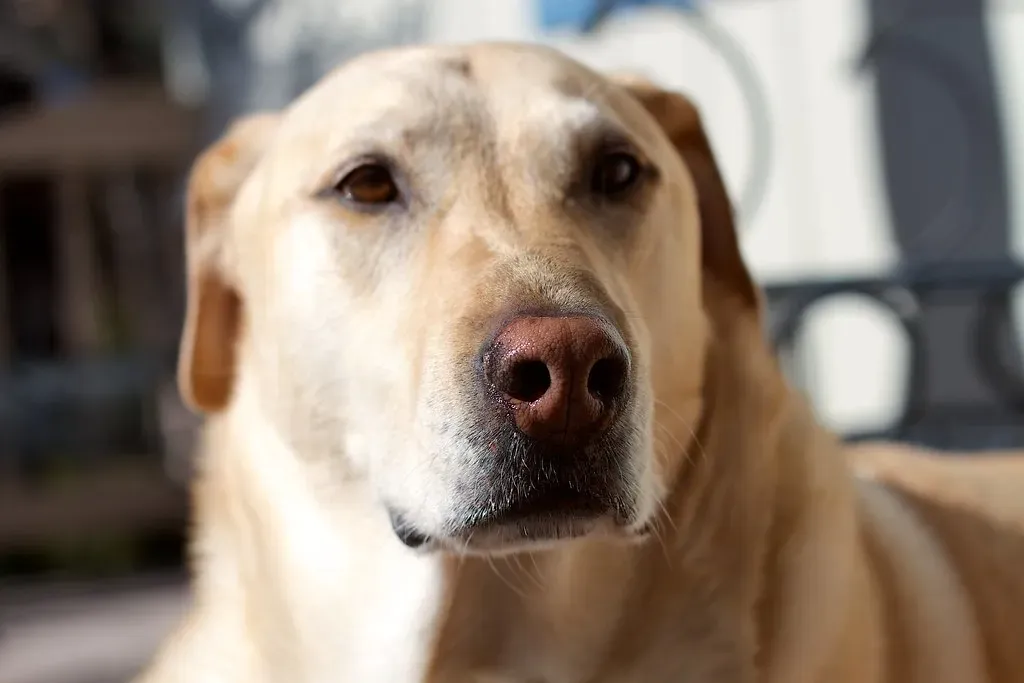
Changes in their energy such as clinginess, restlessness, appetite changes, or mirrored physical ailments may all be signs of emotional mirroring. Let’s be real, sometimes we miss these signals because they can be subtle at first.
Watch for pacing, excessive panting when it’s not hot, or sudden destructive behavior. High cortisol levels in dogs can lead to increased thirst and urination, weight changes, hair loss or thinning coat, increased appetite, and behavioral changes such as anxiety, restlessness, and aggression. Honestly, if your normally relaxed dog suddenly starts chewing furniture or barking more than usual, examine your own stress levels first.
Dogs suffering from anxiety-related behaviors are often found to have elevated baseline cortisol levels, and anxious dogs tend to exhibit higher salivary cortisol levels, particularly during separation from their owners. Your dog might follow you from room to room, unable to settle, or they might withdraw and hide. Both extremes tell you something important: they’re absorbing the tension in your household.
I know it sounds crazy, but even your dog’s sleep quality can suffer when you’re stressed. They might have trouble settling at night or wake more frequently. Their digestive system can also react, leading to loose stools or loss of appetite during particularly stressful periods.
Practical Ways to Cultivate Calm Energy
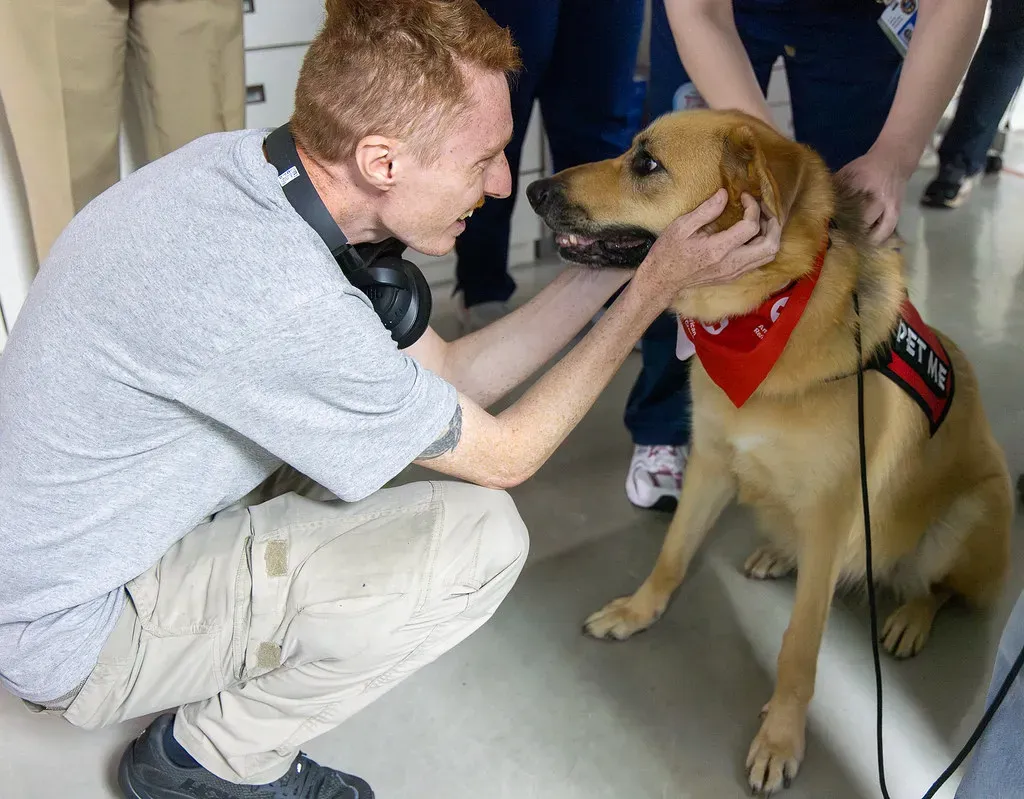
The key is self-regulation, and practicing mindfulness, creating calm environments, and maintaining healthy routines can help soothe both of your nervous systems. Start with your own breathing. Seriously, something as simple as taking slow, deliberate breaths before walking through your front door can reset your energy.
Dogs find sniffing, chewing, shredding, and licking all soothing and stress reducing, and these activities lower canine cortisol levels. Provide enrichment activities like puzzle feeders, snuffle mats, or long-lasting chews. These aren’t just distractions, they’re genuine stress-relief tools that work on a biological level.
Create predictable routines for both of you. Simple things like teaching your dog to sit before they get petted or asking them to offer a paw can give your dog a sense of control, and scheduling meals, walks, play time and training time helps them know when to expect these activities throughout the day. Predictability reduces anxiety because it eliminates the constant uncertainty about what happens next.
Physical touch matters enormously. The hormone oxytocin, the bonding hormone, increases when we engage with our dogs calmly and positively. Gentle petting, massage, or just sitting quietly together releases this feel-good hormone in both of you, counteracting stress hormones and strengthening your bond simultaneously.
Training Techniques That Promote Mutual Calmness
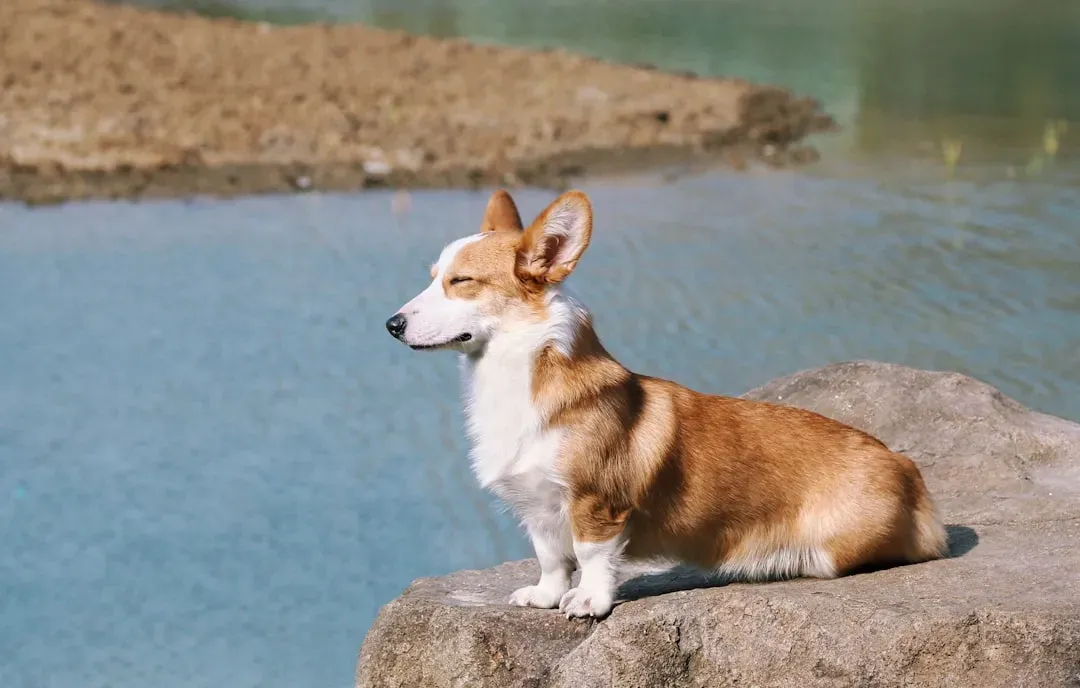
Positive reinforcement training is an effective approach for anxious dogs, rewarding them with treats, praise, or play whenever they exhibit calm and confident behavior. The beauty of positive training is that it keeps your own energy positive too. You’re not getting frustrated, yelling, or tensing up, which would only escalate your dog’s anxiety.
Anxious dogs benefit from a safe place that they associate with positive things like treats, toys, or undisturbed rest, and a dog bed or mat is perfect because it’s portable, so once you’ve taught them to love that safe place, you can train your dog to go there on cue. This becomes their emotional anchor, a place where calm is always available.
Gradually exposing your dog to anxiety-inducing stimuli in a controlled manner, such as playing sounds of thunder at low volume during positive events, can work when the whole experience remains very positive with lots of rewards and praise, taking baby steps to slowly build up exposure. Patience is everything here. Rushing this process will backfire and increase anxiety for both of you.
Teach a settle or calm-down cue during moments when your dog is naturally relaxed. Obedience training is an essential tool for preventing and managing dog anxiety because it lays the foundation of a healthy relationship and establishes trust. When your dog understands what you want and has the skills to comply, their confidence grows, and anxious dogs desperately need confidence.
Conclusion
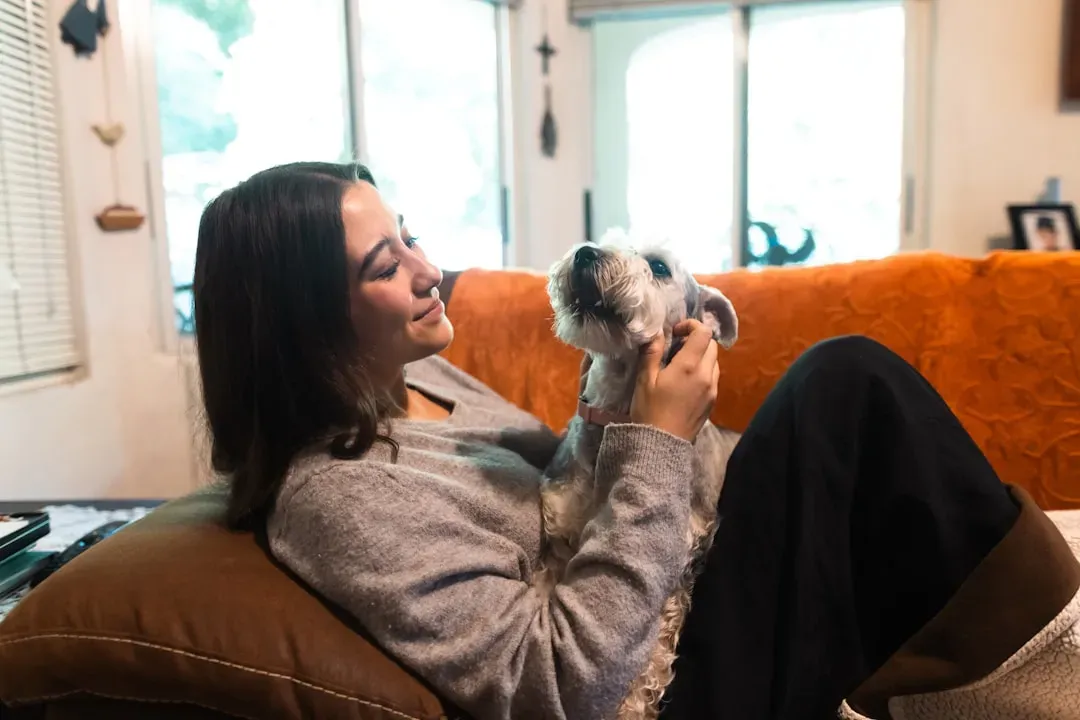
A dog living with a calm, emotionally stable owner is more likely to be relaxed, confident, and socially adaptable, while a dog cohabiting with high emotional tension may exhibit hyperactivity, reactivity, or withdrawal. Your emotional state isn’t just about you anymore when you share your life with a dog. It becomes the atmosphere they breathe, the foundation of their sense of safety.
The beautiful part about this mirror effect is that it works in both directions. By consciously cultivating calm in yourself, you’re not only improving your own wellbeing but directly enhancing your dog’s quality of life. Small changes in how you manage stress, establish routines, and interact with your dog can create ripples of calm that transform your entire household. Your dog is watching, waiting, and ready to match whatever energy you bring.
What changes could you make today to help both you and your dog feel more at peace? Sometimes the smallest shift in our own energy creates the biggest difference in theirs.