
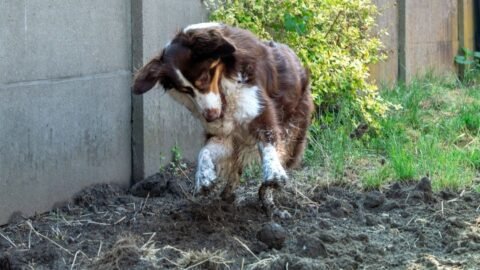
You know that sinking feeling when you step into your backyard, coffee in hand, ready to admire your garden. Then you see it. Fresh mounds of dirt everywhere, like tiny volcanoes have erupted overnight. Your dog sits nearby, muddy paws and all, looking proud of their latest excavation project.
I get it. The frustration is real. You might’ve even caught yourself yelling more than once. Here’s the thing though: your dog isn’t deliberately trying to ruin your yard or test your patience. Digging is deeply rooted in canine ancestry, harking back to wolves who dug to create dens or hide food. Understanding why they dig is the first step toward finding a peaceful solution. So let’s dive in and explore gentle, effective ways to redirect this behavior and save your sanity along with your garden.
Tire Them Out With Exercise and Mental Stimulation

Let’s be real, an anxious dog needs confidence-building, and a bored dog needs more stimulation. The vast majority of digging problems stem from dogs simply having too much pent-up energy with nowhere to channel it.
Think about it like this: if you were stuck in the house all day with nothing to do, you’d probably find something, anything, to keep yourself busy. Digging is a favorite go-to for many dogs, especially those that are left unsupervised outdoors. Your pup needs proper physical exercise, sure, but mental workouts are just as important. Try puzzle toys, hide-and-seek games with treats, or training sessions that challenge their brain. Training sessions in the backyard can occupy and exercise your dog while changing their perception of what the backyard is for.
Create a Designated Digging Zone
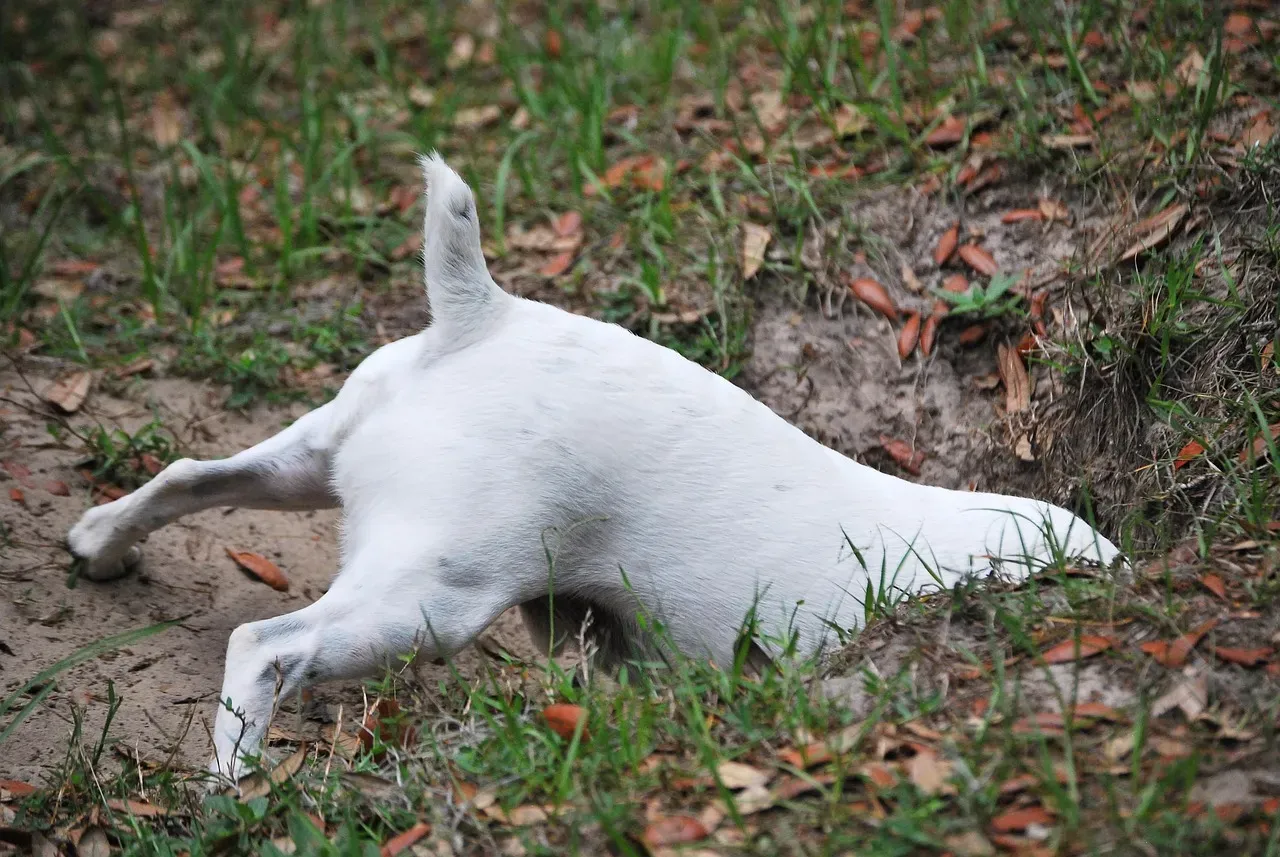
This might sound counterintuitive, but hear me out. Because digging is a natural behavior for dogs, you’re unlikely to stop them from doing so altogether. Instead of fighting their instincts, why not work with them?
Set up a special digging pit using a sandbox or a designated area in your yard. Bury rubber bones and other toys in the sand so your dog can find treasures, making the digging spot more rewarding than the rest of the yard. When you catch them digging elsewhere, gently redirect them to their special zone and reward them when they use it. It’s honestly one of the most effective methods I’ve seen. Your dog gets to satisfy their natural urge, and your flower beds stay intact. Win-win.
Address Comfort Issues and Temperature Regulation
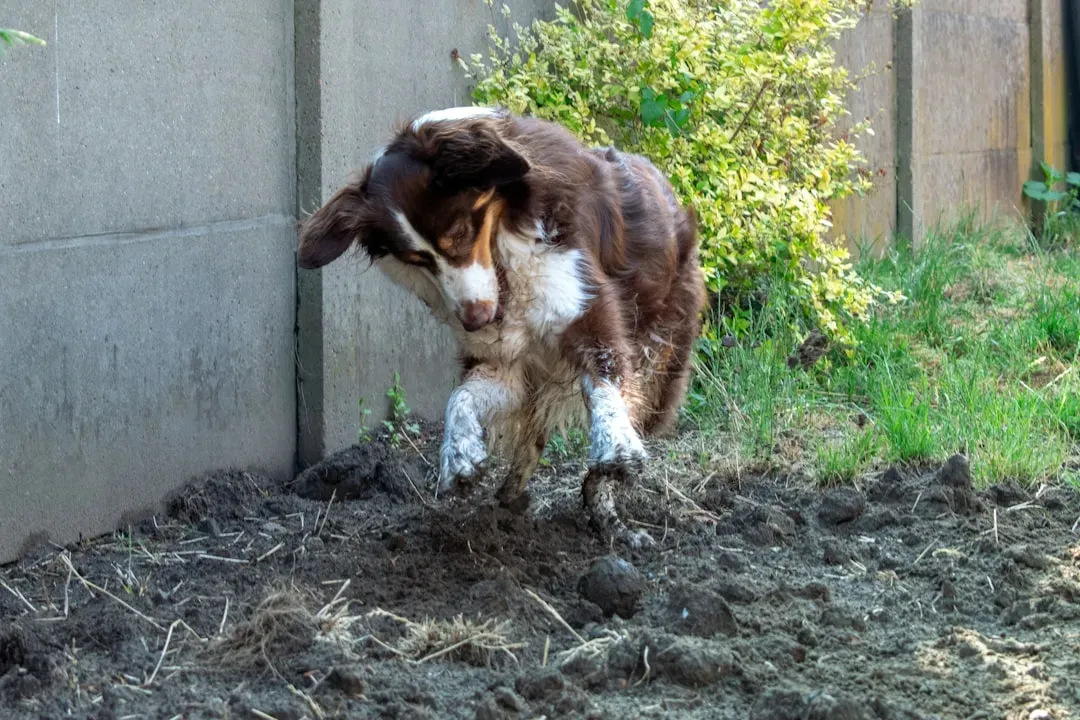
Dogs may dig a hole to cool themselves in the soil in hot weather or to seek protection from cold, wet or wind. I know it sounds crazy, but your dog might just be trying to create their own climate-controlled resting spot.
Pay attention to where your dog is digging. If it’s in shaded areas or near buildings during hot weather, they’re probably trying to escape the heat. In hot weather, dogs will sometimes dig themselves a spot in the dirt to lie down and cool off, with larger dogs with thick coats particularly prone to this behavior. The solution? Provide adequate shelter, fresh water, and a comfortable outdoor bed in a shady spot. Some dogs even love a kiddie pool filled with water for those scorching summer days. When they have better alternatives, the digging often stops naturally.
Tackle Boredom With Enrichment Activities
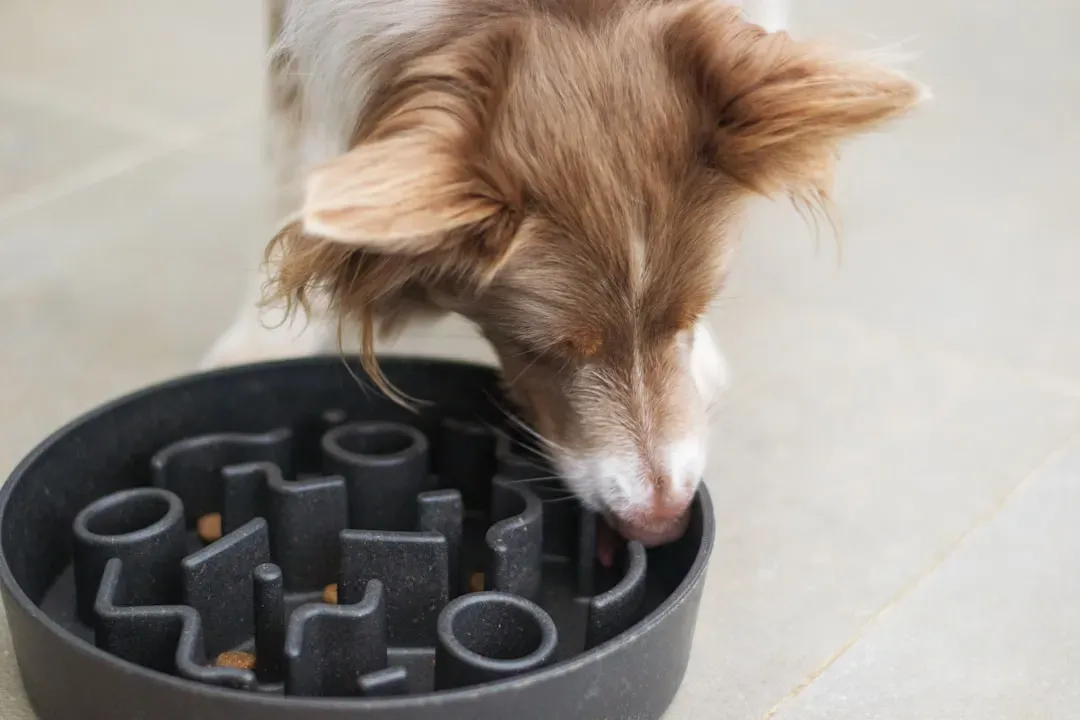
Bored dogs are destructive dogs. It’s hard to say for sure, but I’d wager that boredom ranks as one of the top reasons dogs dig. Boredom is the most common reason dogs dig, with anxiety a close second.
You can make the backyard more entertaining by providing puzzle toys for your dog to play with outside. Rotate their toys regularly so they don’t lose interest. Interactive treat-dispensing toys, snuffle mats, and food puzzles can keep even the smartest dogs occupied. Consider activities that tap into their natural instincts too. Dog sports like AKC Earthdog for Dachshunds or terriers, or AKC Scent Work where all dogs can participate, provide constructive outlets for their energy. Sometimes all it takes is giving them a job to do.
Use Positive Reinforcement and Redirection Training

Yelling or punishing your dog after they’ve already dug up half the yard won’t work. Dogs live in the moment, and they simply won’t make the connection between your anger and the hole they dug an hour ago.
Instead of scolding when they dig, praise your dog when they stop, using positive reinforcement like training treats or belly rubs. Catch them in the act and use a positive interruptor like their name or a tongue click to get their attention. Commands like “leave it” or “stop” can stop digging on the spot when practiced regularly. Then immediately redirect them to an appropriate activity and reward them for making the right choice. Honestly, consistency is everything here. It takes patience, but your dog will eventually learn what behaviors earn rewards.
Identify and Remove Prey Triggers
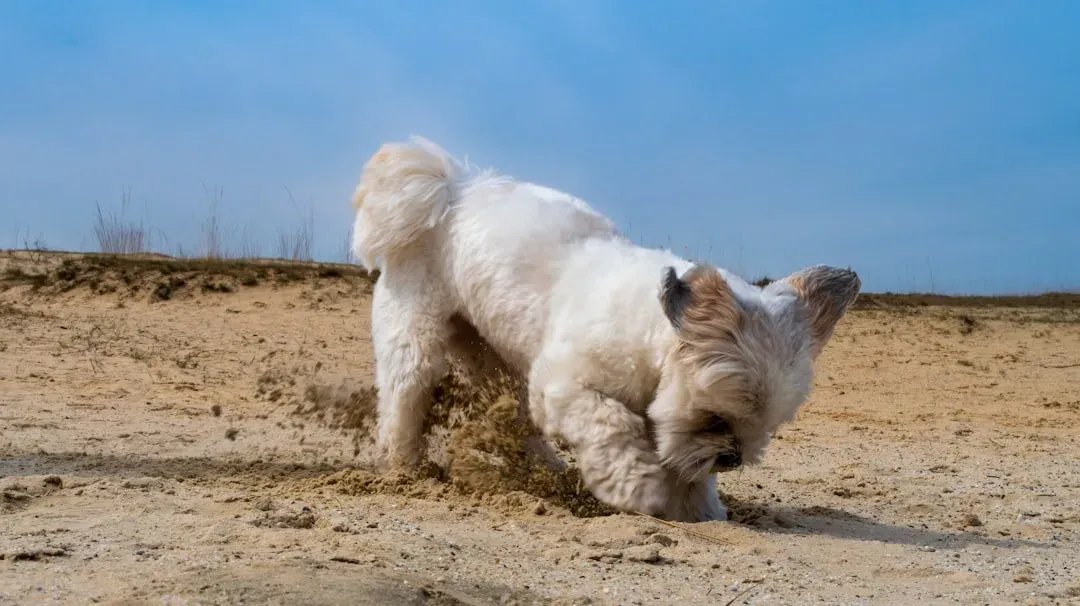
The most basic reason dogs dig is to seek prey, with yards infested with rodents having dogs digging intensively to find moles or mice. If your dog is digging with intense focus in specific spots, barking, whining, or keeping their nose glued to the ground, they’ve probably detected something underground.
Terriers or small hound breeds like Dachshunds have digging instincts intensified by selective breeding to hunt rodents, using their acute senses to detect underground prey. Your best bet is to address the root cause. Use humane, pet-safe pest control methods to discourage rodents and other critters from making your yard their home. Controlling the rodent population in your yard will help reduce their temptation to dig for prey. Once the temptation is gone, so is the digging.
Conclusion
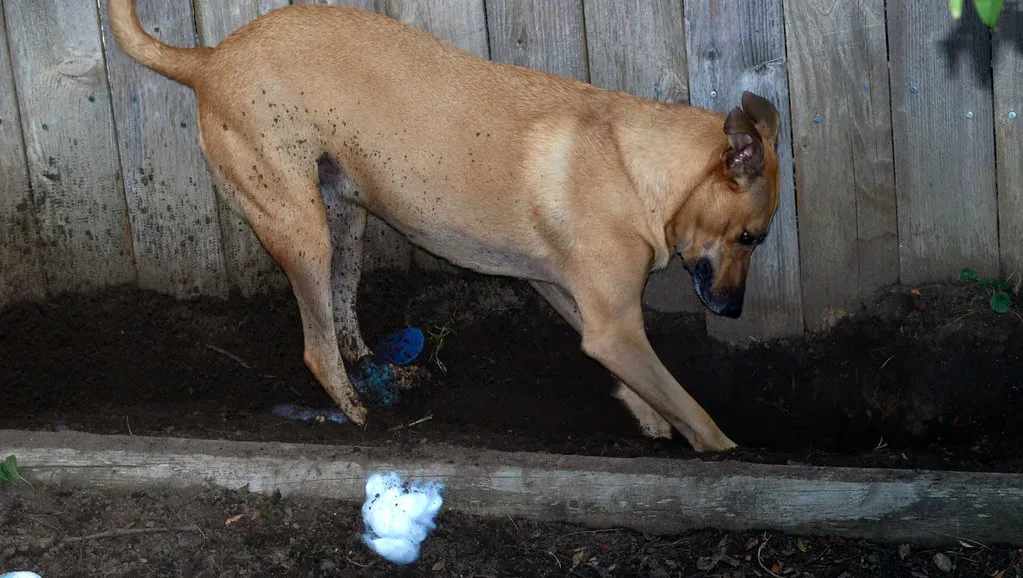
Stopping your dog from digging doesn’t require shouting matches or endless frustration. It requires understanding, patience, and a willingness to work with their natural instincts rather than against them. Remember, your dog isn’t being bad or spiteful. They’re just being a dog.
Try combining several of these strategies to find what works best for your unique situation. Maybe your terrier needs a designated digging zone, while your husky just needs more shade and water. Every dog is different, and what matters most is that you approach the problem with empathy and consistency. What strategies have worked for you and your furry digger? Have you found creative solutions we haven’t mentioned here?


