

You love your dog more than your best pair of shoes. Maybe even more than your morning coffee. Still, there are times when your furry friend seems baffled by something you’ve done, and honestly, you haven’t got a clue what went wrong. Dogs are brilliant at reading us, but sometimes we accidentally speak a language they just don’t understand.
Here’s the thing. Your dog isn’t being stubborn or difficult when they tilt their head in confusion or do the exact opposite of what you asked. Most of the time, we’re unintentionally sending them signals that clash with what we think we’re saying. Let’s dive into the habits that leave our dogs scratching their heads, and more importantly, how to fix them so you can both live happily ever after.
Changing the Rules Whenever It Suits You
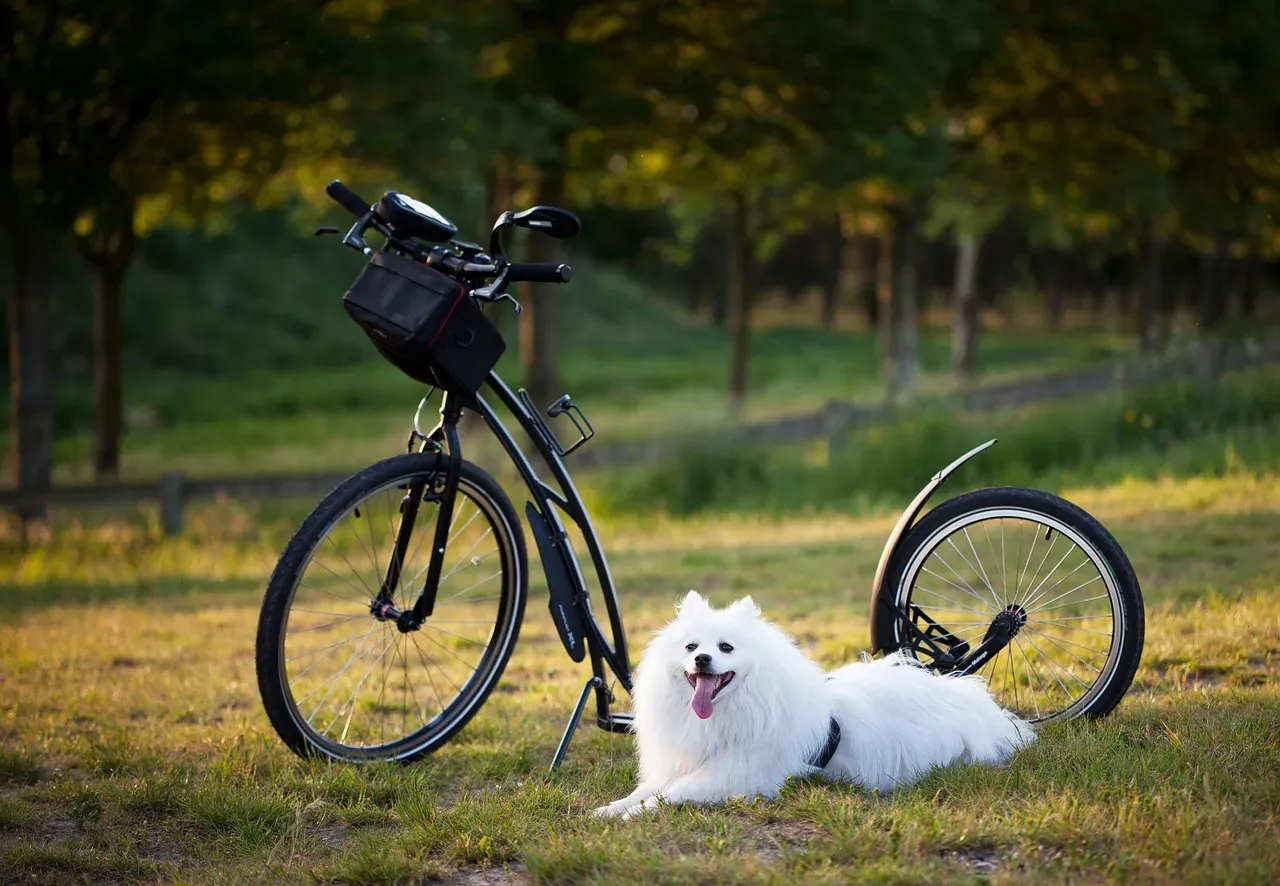
Picture this: your dog jumps up to greet you when you’re in your comfy weekend sweats, and you laugh and scratch their ears. Fast forward to Tuesday morning when you’re dressed for an important meeting, and suddenly that same jumping behavior gets a firm scolding. If you allow your dog to jump when you’re wearing jeans but not when you’re in your work clothes, your dog will never grasp the distinction. They don’t understand wardrobe choices.
Dogs like routine and are easily confused when expectations are inconsistent. When you let them on the couch on lazy Sundays but yell at them for it on Wednesday evening, you’re essentially speaking gibberish to them. The solution is simpler than you think. Pick a rule and stick to it, no matter what. Set boundaries and be sure everybody in the house sticks to them.
Scolding After the Crime Scene Is Cold
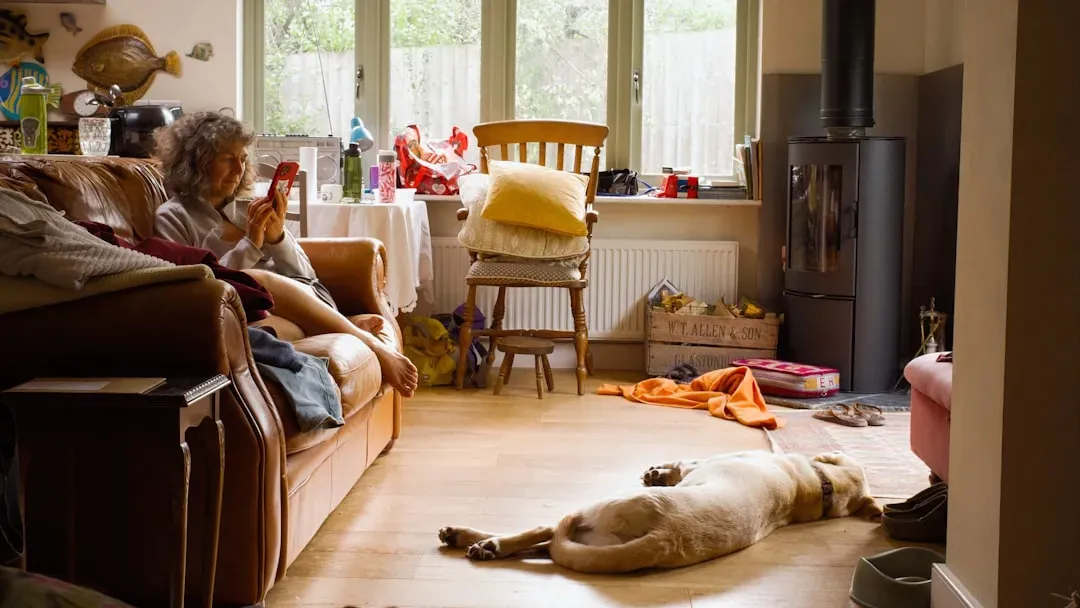
You walk in the door and find the couch cushions shredded like confetti. Your blood pressure spikes. You grab your dog and show them the mess, launching into a lecture worthy of a courtroom drama. The problem is your dog has absolutely no idea what you’re upset about.
Dogs live in the moment. Chastising a puppy for a potty accident that happened even a minute ago, is pointless and harmful. They’re not connecting your anger to something they did ages ago (in dog time, five minutes ago might as well be last year). The only thing they’ll learn is how unpredictable you can be. If you didn’t catch them in the act, skip the drama. Clean it up, make a mental note to supervise better next time, and move on.
Giving Them a Bear Hug

Let’s be real, we humans adore hugging the people and pets we love. It feels natural to wrap our arms around our dogs and squeeze tight. The uncomfortable truth is that most dogs find this deeply stressful.
One study of 250 photographs of people hugging their dogs found that 82% showed at least one sign of stress. When you hug a dog, they don’t understand what you’re trying to say. In fact, you’re essentially trapping them. They can’t get away from anything that scares them or makes them uncomfortable while in your arms. Think about it from their perspective: being restrained goes against every instinct they have to escape danger.
Watch your dog’s body language next time you hug them. Do they turn their head away? Flatten their ears? Stiffen up? Those are all signs they’re tolerating your affection, not enjoying it. Instead, try scratching their chest, rubbing behind their ears, or just sitting quietly beside them. Physical closeness without the restraint is what most dogs actually prefer.
Using a Million Different Words for the Same Command

One day you say sit. The next day it’s sit down. Then on Thursday you throw in a cheerful take a seat because you’re feeling creative. Meanwhile, your dog is standing there like a contestant on a game show with no clue what the right answer is.
Choose a single and unique cue for each behavior then use it reliably. Get everybody else in the family on board so your dog gets consistent communication instead of mixed messages. Inconsistency in commands confuses the dog, as they rely on clear cues. Dogs don’t have a built-in thesaurus. They need one word paired consistently with one action.
Sit down with your family and create a cheat sheet of commands. Post it on the fridge if you have to. Everyone uses the same words, same tone, same hand signals. Consistency is the secret sauce that turns a confused pup into a well-trained companion.
Yelling Lectures They Can’t Understand
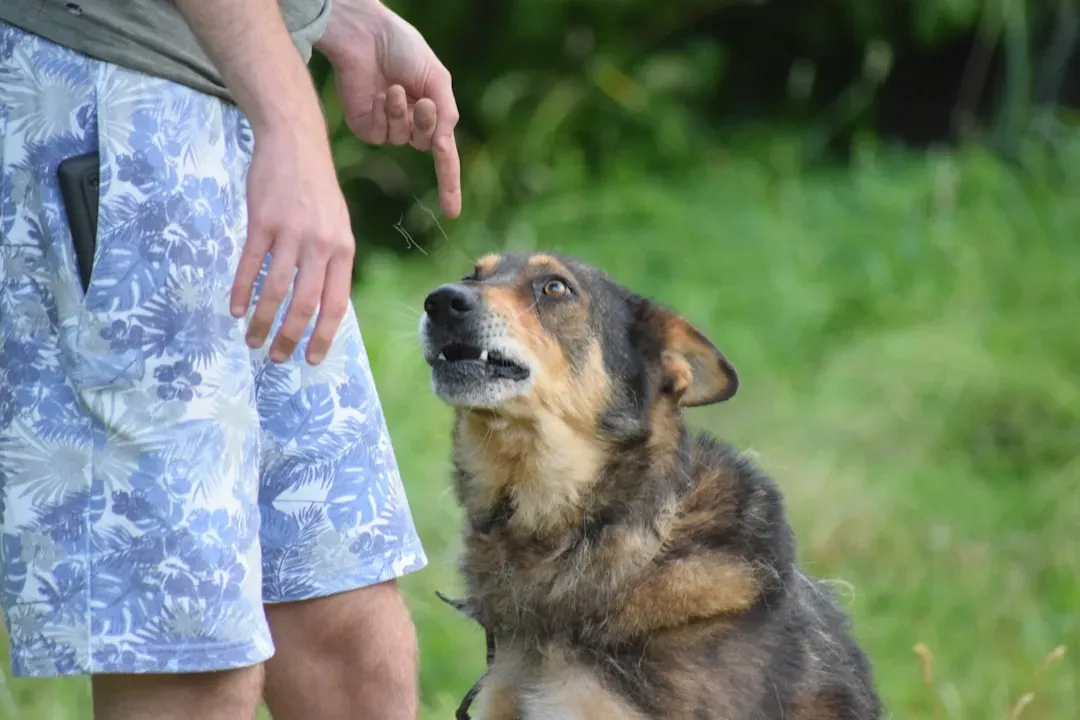
Your dog ate your sandwich off the counter, and you’re furious. So you launch into a five-minute monologue about respect, boundaries, and how disappointed you are. Your dog stares at you, possibly yawns, and you’re convinced they’re being disrespectful.
Dogs don’t speak human languages. Saying “bad dog” or lecturing them about why they shouldn’t chew sneakers won’t teach them a thing. Yelling tells your dog you’re worked up, but they don’t know why. Shouting can also frighten your dog, eroding your bond and creating anxiety. Instead of a sermon, redirect them to better behavior and reward them when they get it right. Skip the guilt trips. They genuinely don’t understand, and frustration on your part just makes everything worse.
Calling Them Over for Something Unpleasant
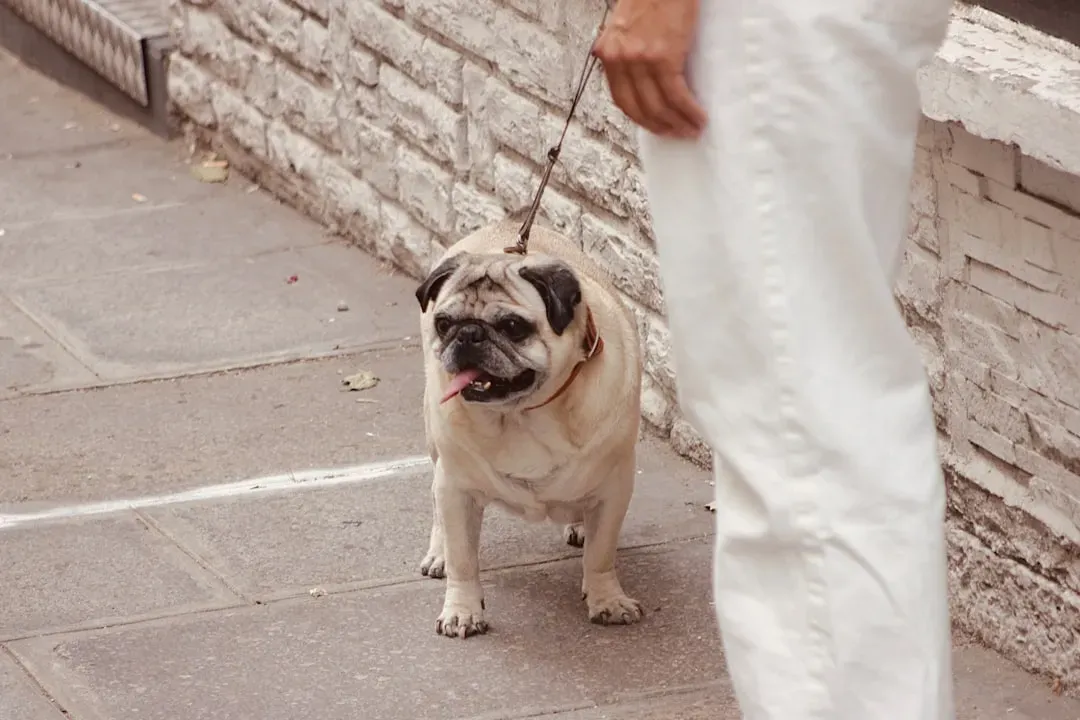
You call your dog with a cheerful come here, and when they trot over, you immediately clip their nails or give them a bath. Next time you call them, they look at you like you’ve betrayed their trust and bolt in the opposite direction.
If you ask your dog to come and then give them a bath or take them to the vet, they will be far less likely to come in the future. Your recall cue should always be followed with something wonderful or you risk your dog running the other way. This is a massive mistake that erodes one of the most important commands you can teach. When your dog comes to you, it should always be a good experience. Treats, praise, belly rubs, anything positive. If you need to do something they dislike, go get them instead of calling them to you. Protect that recall command like gold.
Conclusion
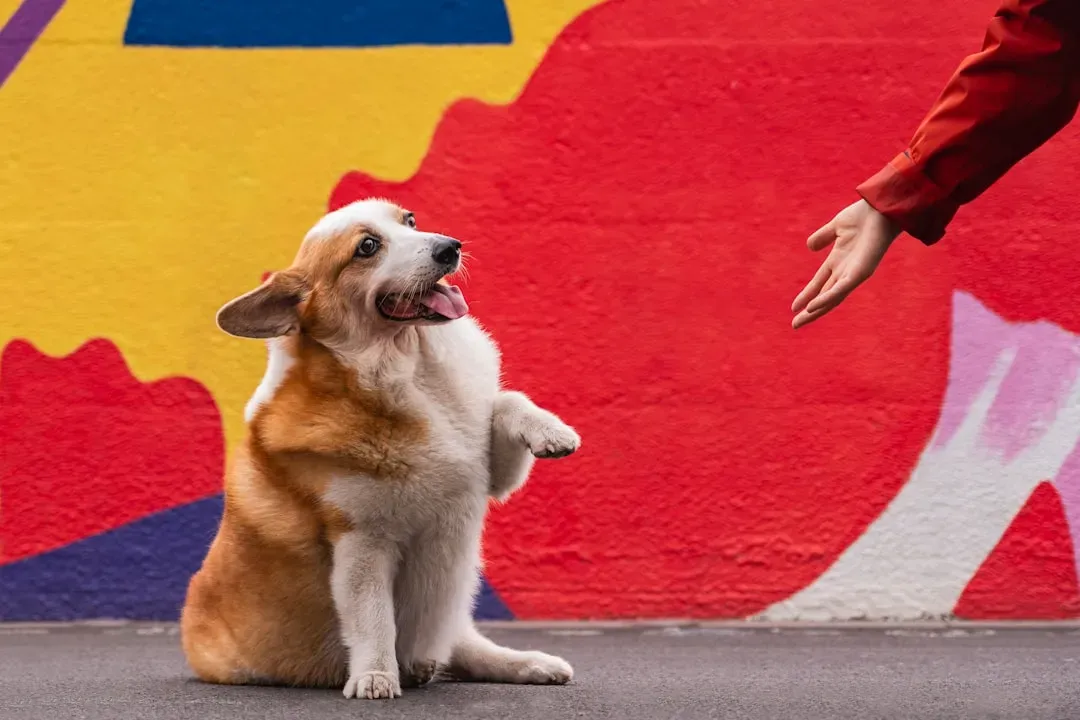
Dogs are remarkable creatures who genuinely try their best to understand us. When things get muddled, it’s usually on us, not them. A dog’s behavior reflects the clarity of the training it receives, making consistency crucial for a peaceful home. By being more mindful of the mixed signals we send, we can bridge the communication gap and build a relationship based on trust, clarity, and mutual understanding.
The beautiful part about all of this is that it’s fixable. Small changes in how you communicate can make a world of difference to your dog. So next time your pup gives you that adorably confused head tilt, take a moment to consider what message you might be accidentally sending. They’re not trying to drive you crazy. They just want to get it right. What changes will you make today to speak your dog’s language a little better?


