
You know that moment when someone approaches your dog for the first time and you hold your breath? Maybe your pup bounds over with unbridled joy, tail helicoptering wildly. Or perhaps they slink behind your legs, trembling. Maybe they freeze completely, unsure what to do next.
These split-second reactions aren’t random quirks. They’re windows into your dog’s socialization history, revealing volumes about their early experiences and comfort with the world. Every encounter with a stranger becomes a diagnostic moment, telling you exactly how well-prepared your furry friend is for the social complexities of life. What your dog does when meeting someone new speaks louder than any training certificate ever could.
That Critical Window You Can’t Get Back
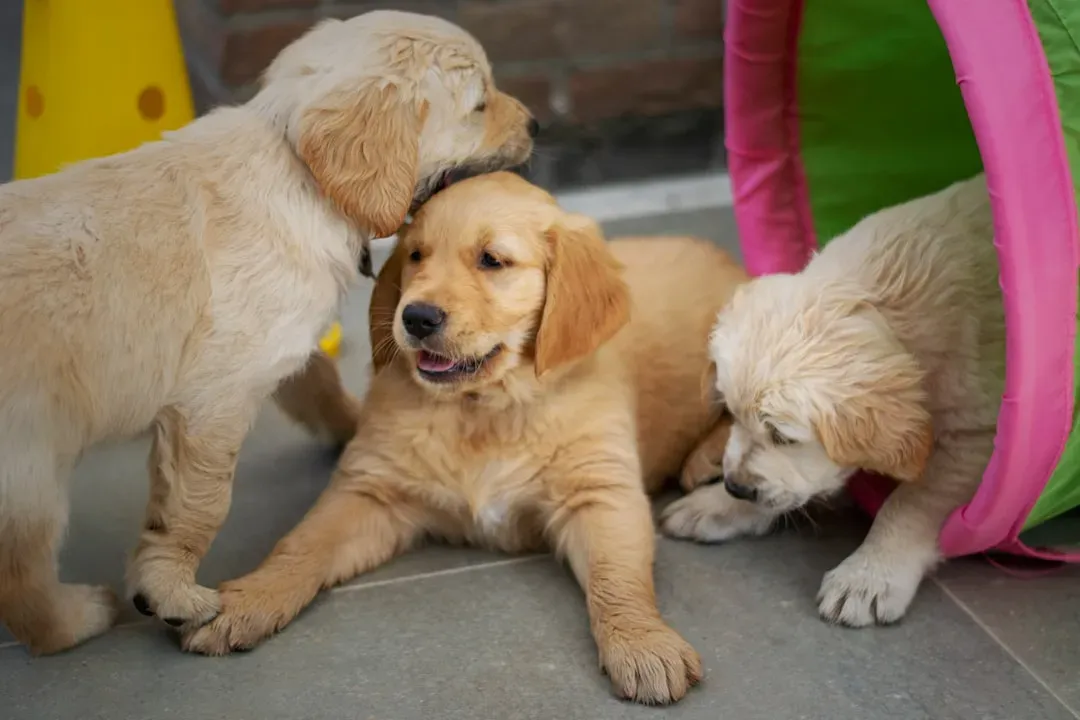
The greatest window of learning in a dog’s life starts around 3 weeks of age and closes between 16 and 20 weeks. Think about that for a second. Roughly about four months to shape how your dog will perceive strangers, environments, and novel experiences for their entire life. Puppies who miss out on these experiences may never learn to be comfortable around unfamiliar things, paving the way for anxiety, fear, and aggression later on in life.
This period allows puppies to be exposed to a wide variety of sights, sounds, smells, and sensations without becoming fearful. During these precious weeks, puppies are like little sponges soaking up information about what’s safe and what’s threatening. Early in the socialization period, puppies tend to fearlessly explore and investigate unfamiliar things in their environment, but they become increasingly wary of novelty with age.
The timing is both a gift and a challenge. If you have a young puppy, you’re holding a golden ticket. If your dog is older, understanding this window helps explain why certain behaviors exist.
The Body Never Lies When Meeting Strangers
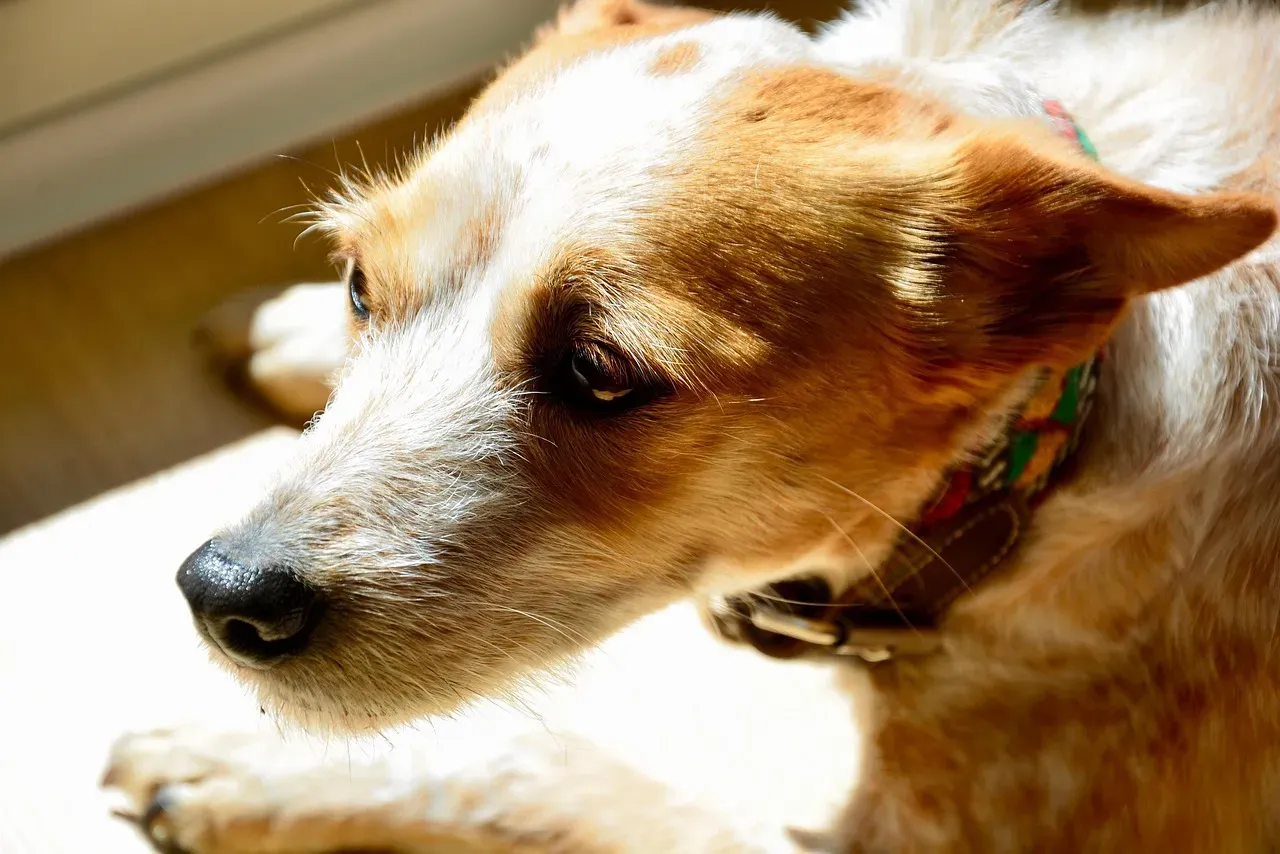
Watch your dog’s body when someone new walks up. Really watch. Fearful behaviors might include flattened ears, lip licking, yawning, cowering, avoiding eye contact, and tail tucked between the legs. These aren’t just nervous habits. They’re your dog’s vocabulary, and they’re screaming discomfort.
If the greeting is going well, the dogs’ bodies will be relaxed. Their tails might be moving and have a relaxed look; their ears are not pulled back. A well-socialized dog approaches new people with curiosity rather than dread. Their movements are fluid, not stiff. Notice how his body is low and stiff, you can see the whites of his eyes, his mouth is tense and nearly closed, he’s lip-licking, and he is cowering to avoid her touch on the top of his head.
Let’s be real, most people miss these signals completely. They see a dog and want to pet it, not understanding that the animal is basically having a panic attack right in front of them. Learning to read your dog’s silent language transforms everything.
Fear Isn’t Just Shyness, It’s a Red Flag
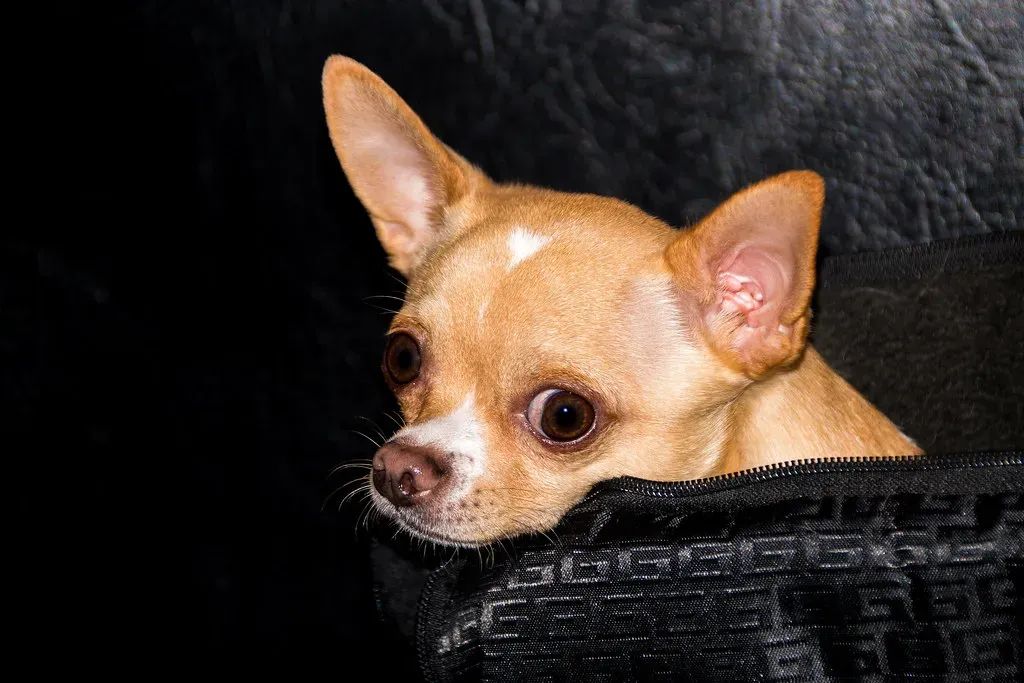
Dogs aged between 2 months and 17 years with less socialization during puppyhood were more likely to fear other dogs and strangers. Fear in dogs isn’t something they’ll just “grow out of” with time. Most displays of aggression are the result of fear. When your dog backs away from friendly strangers or barks defensively at people who mean no harm, they’re not being difficult. They’re genuinely terrified.
The dog may have received inadequate socialization as a puppy, may have been exposed to early traumatic experiences, may have experienced punishment, or may have a genetic predisposition that makes him more likely to respond fearfully in certain situations. The roots run deep. Puppies without exposure to humans before the age of 14 weeks are unable to form normal relationships with humans.
Here’s the thing: fear-based reactions can escalate. A dog who cowers today might lunge tomorrow if they feel trapped. Understanding the fear underneath aggression changes how you approach rehabilitation entirely.
What Confidence Looks Like in Real Time
Dogs that opened the door to approach the unfamiliar human were described as less fearful by their owners. Dogs that opened also showed less aggression and fear when they approached the human behind the trapped door compared to dogs that did not open. Well-socialized dogs don’t just tolerate strangers. They exhibit genuine interest and approach with calm curiosity.
This helps your dog associate meeting new people with something pleasant. When you see a dog that happily greets strangers, accepts petting without tension, and recovers quickly from startling situations, you’re witnessing the fruits of proper socialization. These dogs have learned that new people generally bring good things.
Their confidence shows in subtle ways too. They don’t constantly check in with their owner for reassurance. They can focus on the new person without shutting down or becoming overstimulated. Socialization should continue until your dog greets every new person or situation with confidence and ease. This could take months or years.
Think of socialization not as a destination but as an ongoing practice, like exercise or training. Even confident dogs benefit from continued positive exposures throughout their lives.
It’s Never Too Late to Start (But It Takes More Work)
No matter their age, all dogs can be socialized. If your adult dog missed that critical early window, don’t despair. Successful adult dog socialization requires patience, consistent exposure, and positive reinforcement. Introduce your adult dog to new experiences slowly, starting with calm environments and gradually increasing to more stimulating situations.
The difference is that puppies absorb experiences like sponges, while adult dogs need systematic desensitization. Socializing an adult dog is more challenging than socializing a puppy because you aren’t starting with a blank slate. Older dogs are more hesitant to accept new experiences. You’re essentially rewiring neural pathways rather than building them fresh.
If socialization training starts with an adult dog, especially one with a history of reactivity, you will need more of a patient and gradual approach. Enrolling in a class with an experienced trainer to coach you will be money well spent. Working with a fearful or reactive adult dog isn’t something to DIY unless the issues are mild. Professional guidance prevents you from accidentally making things worse.
Progress might be slow. You might celebrate the day your dog tolerates a stranger walking past without losing their mind. Those small wins matter tremendously.
Conclusion
Your dog’s reaction to new people isn’t a character flaw or a personality quirk. It’s a direct reflection of their socialization journey. Whether you’re watching a confident pup greet the world with enthusiasm or helping a fearful rescue learn that strangers aren’t threats, understanding what those reactions mean empowers you to help your dog live their best life.
The beauty is that knowledge creates opportunity. Armed with awareness about socialization windows, body language signals, and rehabilitation techniques, you can either prevent problems with a young puppy or address them systematically with an adult dog. Every positive interaction builds trust. Every patient moment teaches your dog that the world isn’t quite as scary as they thought.
What has your dog taught you about their socialization level? We’d love to hear your story in the comments below.


