
6 Body Language Signals of Dogs That Are Signs of Stress and Aggression
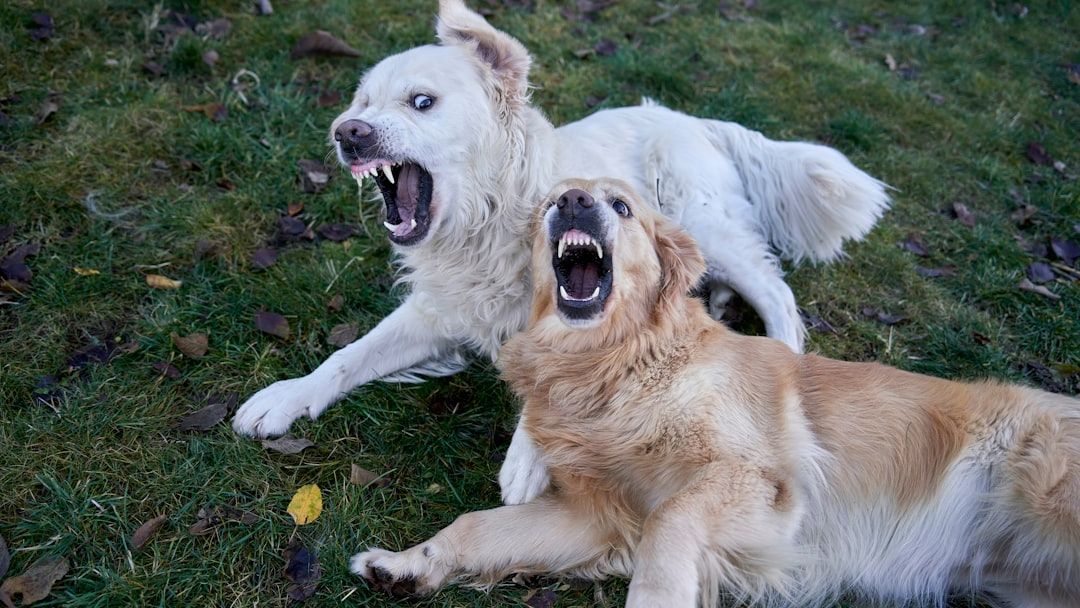
Your dog’s tail wags back and forth and you assume everything is perfect. Maybe it is, or maybe your furry friend is silently screaming for help. Dogs speak a language most of us never learned to understand. Think about that.
Dogs communicate their wants, needs, happiness and fear primarily through body language. I know it sounds obvious, yet so many of us miss the warning signs until it’s too late. Nearly 9 in 10 UK dog owners cannot recognise a key canine stress signal, despite most claiming they can tell if their pet is happy or fearful. The disconnect is real. Learning to read your dog’s stress signals might be the difference between preventing a frightening situation and finding yourself at the vet’s office wondering what went wrong.
Whale Eye: When Those Whites Flash a Warning
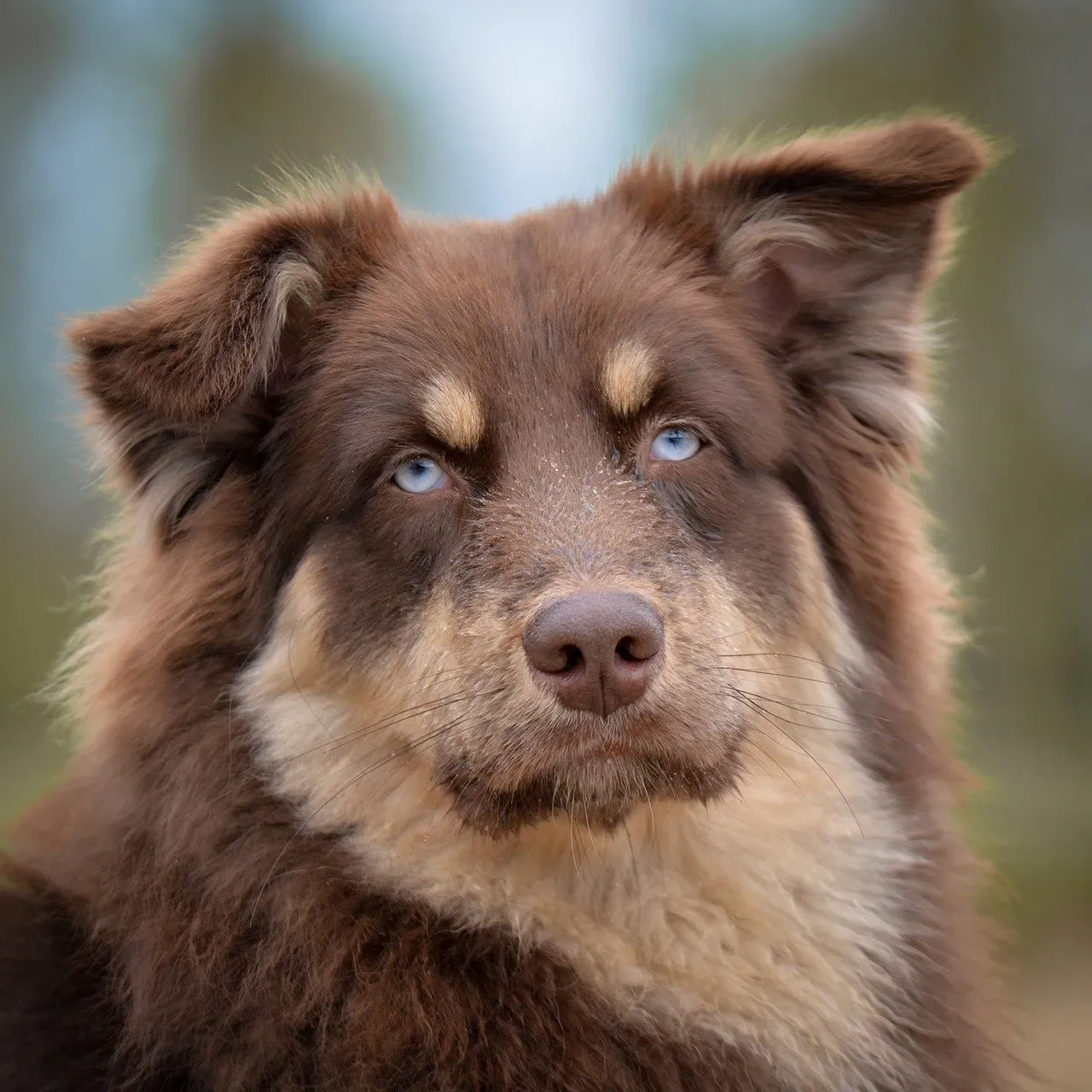
You’re petting your pup and suddenly, you see the whites of their eyes. The “half-moon” refers to the white arc that is often seen when a dog is stressed and trying to hold it in. This signal is called whale eye, and honestly, it’s easy to miss if you’re not paying attention.
This indicates anxiety, fear, or emotional distress. Picture this: your dog’s head is turned one way, but their eyes are fixed on something they’re worried about. The whites become visible, creating that crescent-moon shape. When you catch this happening, take a step back. Remove whatever’s making them uncomfortable or give them space to escape the situation.
Sometimes dogs display whale eye when they’re being hugged by well-meaning children or when someone reaches toward their face. Dogs have lots of body language signals that they will show before they resort to giving a verbal warning – a growl – which usually happens after the other clues have been ignored.
Lip Licking and Yawning: Not What You Think

When a dog is anxious, she will often quickly stick out her tongue and lick her lips. It’s usually just a fast, little flick. I’ve watched countless videos where someone thinks their dog is being cute, but the pup is actually incredibly uncomfortable. This isn’t the satisfied lip lick after dinner.
Dogs yawn when they are tired or bored, and they also yawn when stressed. A stressful yawn is more prolonged and intense than a sleepy yawn. The difference is subtle yet crucial. Think of it as your dog trying to calm themselves down, a self-soothing mechanism they’ve evolved over thousands of years.
88% did not know that yawning can be an early sign of anxiety or fear, while licking lips (82%) and staring or wide eyes (65%) also saw low levels of recognition. That’s a staggering number. Next time you see your dog yawning around new people or in a crowded park, consider whether they need a break rather than another round of introductions.
Freezing and Body Stiffness: The Calm Before the Storm
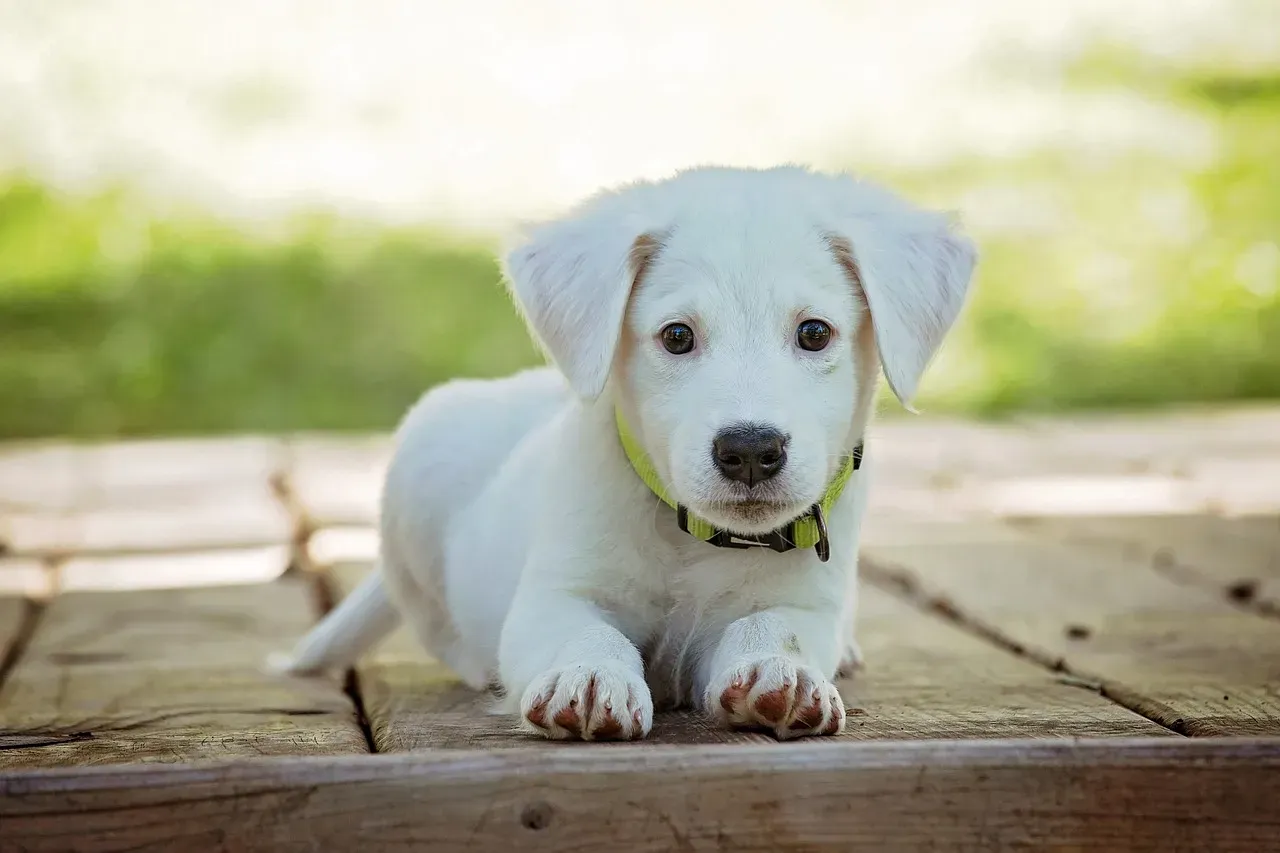
Dogs typically freeze right before they snap or bite. This one sends chills down my spine every time I think about it. The sudden stillness isn’t peaceful contemplation. It’s your dog’s body saying they’re out of options.
Freezing behavior is a stress response where dogs become very still, often before deciding whether to flee or, in extreme cases, fight. Your dog suddenly stops moving, becoming statue-like. Their muscles tense, and they may hold their breath momentarily. The world around them becomes a threat assessment exercise.
Before a dog bites, it may show signs such as body stiffness, growling, lunging without making contact, showing its teeth, and snarling. Watch the tension ripple through their body. Fewer than half recognised other common signs of stress including stiffening the body (47%). We need to do better at recognizing this critical signal.
Tucked Tail and Lowered Body Posture: Fear Made Visible
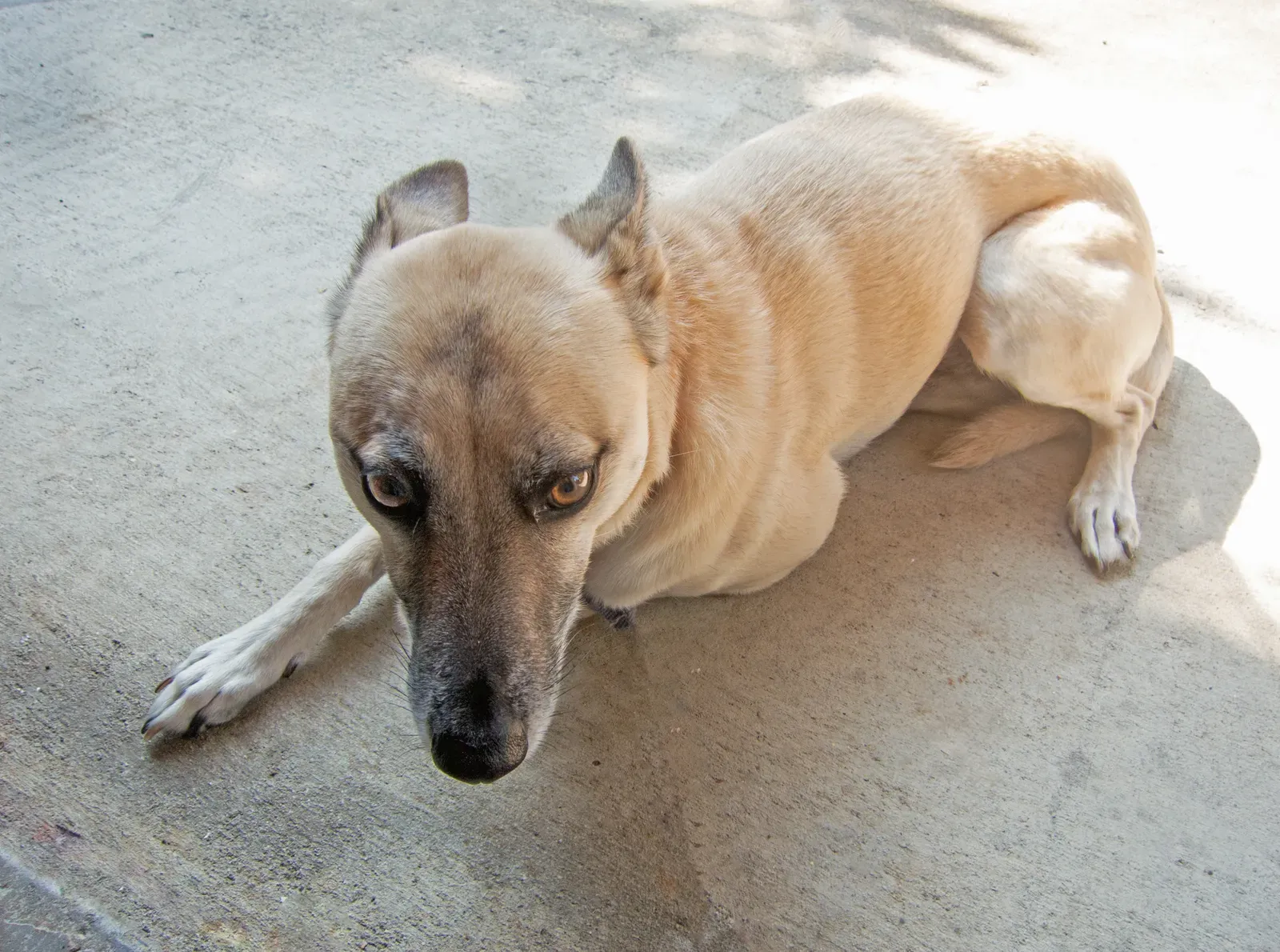
A tucked tail between the legs is easier to spot, yet fewer than half recognised putting the tail between the legs (45%) as a stress signal. If a healthy dog with no orthopedic problems shifts their weight to the rear legs or cowers, they may be exhibiting stress. When scared, dogs may also tuck their tails or become rigid.
The degree of tucking matters here. Some dogs tuck slightly when uncertain, while others press that tail firmly against their belly in absolute terror. A tucked tail can also indicate physical discomfort or pain, so if your dog’s tail is consistently tucked without an obvious stressor, a veterinary check-up is warranted.
I’ve seen dogs hunch their bodies low to the ground, making themselves smaller, trying desperately to communicate they’re not a threat. This defensive posture screams discomfort. Fearful dogs often initially exhibit defensive postures, such as barking while backing away or crouching. Let’s be real, when your dog looks like they’re trying to disappear into the floor, something’s wrong.
Ears Pinned Back and Tense Mouth: Reading Facial Tension
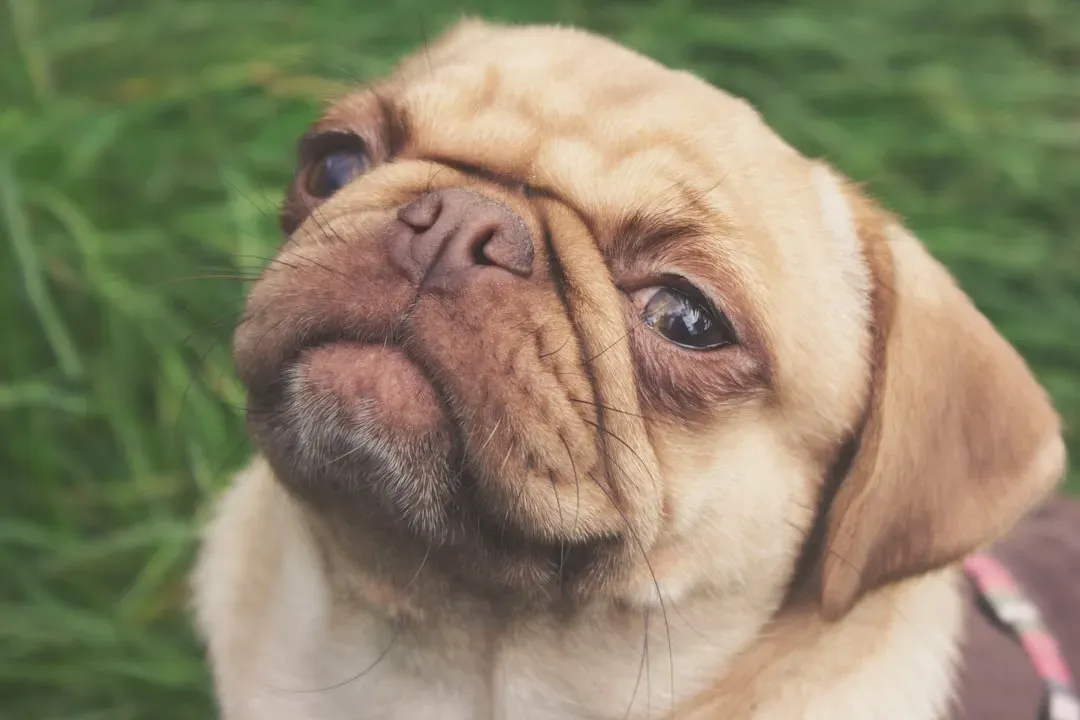
Ears pulled back against the head or to the sides (sometimes called “airplane ears”). In dogs with erect ears, they may flatten completely. In dogs with floppy ears, look for backward movement and tension at the base. This signal varies by breed, but the principle remains the same.
A fearful or tense dog will generally keep his mouth closed, and may pull his lips back at the corners (also known as a “long lip”.) He may also be panting rapidly. The mouth becomes a telegraph of emotion. Look for that tight, stretched appearance around the lips.
A panting dog who suddenly closes his mouth in response to something in the environment may also be indicating increased stress. Changes matter more than static positions. If your normally relaxed dog suddenly clamps their mouth shut or starts rapid, shallow panting despite the cool temperature, you’ve got a stressed pup on your hands. Pay attention to the whole picture, not just one isolated signal.
Growling and Showing Teeth: The Final Warning Signs
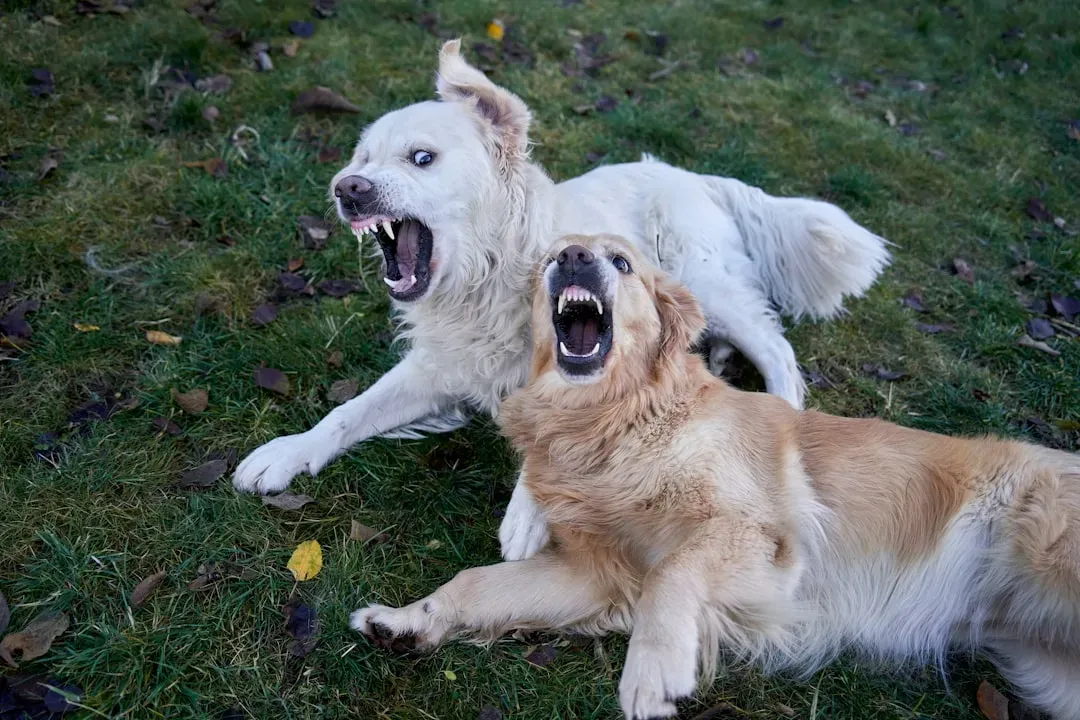
Growling is an obvious way to tell if your dog is uncomfortable. It could mean that someone is in their space, they feel threatened, or that something hurts. It’s not usually meant to be aggressive but it’s rather often a warning that your dog feels uncomfortable. Here’s the thing: growling is communication, not aggression.
One reason dogs may growl is to tell others to back off. It’s a warning sign – your dog is stressed and, as such, you should never punish growling behavior. Warning behaviors like growling tell you that the current situation is more than your dog can handle. Punishing this vocalization teaches your dog to skip the warning and go straight to biting. That’s terrifying.
A dog displaying a physical warning may start to wrinkle the top of his muzzle, often next pulling his lips up vertically to display his front teeth. This Doberman in Photo C is displaying this behavior, called an “offensive pucker,” while standing over a bone. Her muzzle is wrinkled and the corner of her mouth is short and forms a C shape. The facial changes are unmistakable once you know what to look for. Possible signs of aggression by a dog include rigid stance, up on toes, growling, hair on back standing up, ears erect or back, lip lifting and snarling, snapping and biting, baring teeth and wagging tail. Yes, even with the tail wagging. Never assume a wagging tail means a friendly dog.
Conclusion: Becoming Fluent in Your Dog’s Language
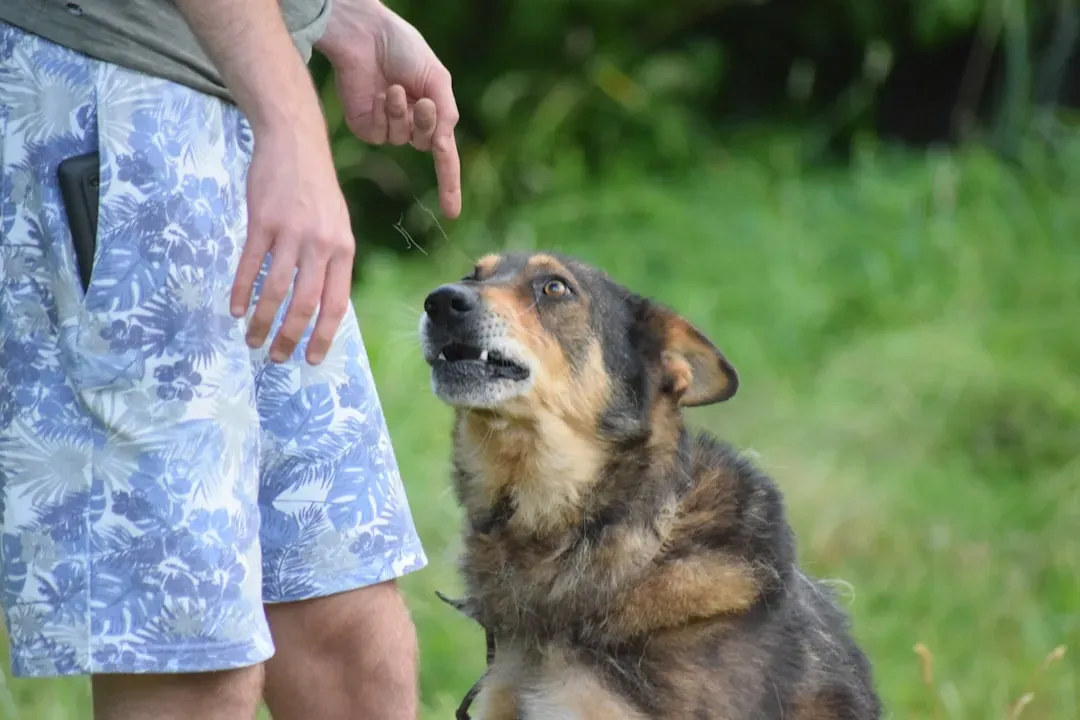
Many owners appear to perceive their dogs as less fearful than they actually are, and may therefore not intervene in response to early or subtle stress signals to mitigate or remove sources of stress for their dogs. That reality breaks my heart. Our dogs depend on us to understand them.
Getting to know your dog and how they respond in different environments will help you act on your dog’s stress signals more quickly. Experts say that the ability to read your dog’s stress patterns can help you avoid an escalation in stress behaviors. The earlier you catch these signals, the easier it is to help your furry companion feel safe again.
Learning these six body language signals transforms how you interact with your dog. You’ll prevent uncomfortable situations, build deeper trust, and potentially avoid dangerous encounters. Dogs displaying signs of stress don’t always escalate to aggression. But it’s important to respect what your dog is communicating, so you can intervene to help them feel safe and prevent them from feeling the need to ramp up their behavior.
Your dog has been talking to you all along. Are you finally ready to listen? What signals have you noticed in your own pup that you might have missed before?