
6 Dog Breeds With the Worst Temper Issues
Let’s be real. The connection between humans and dogs is built on trust, affection, and understanding. Yet, not every breed fits seamlessly into every home. Some dogs carry genetic predispositions or behavioral challenges that require experienced, committed owners who know how to navigate temperament difficulties. That doesn’t make them bad dogs. Honestly, it makes them misunderstood.
When we talk about breeds with temper issues, we’re not labeling them as dangerous or unlovable. We’re acknowledging that certain breeds demand more patience, training, and awareness. Think of it like raising a spirited child versus a laid-back one. Both can thrive, but the approach matters. So let’s dive into six breeds that, without proper guidance, can struggle with behavioral challenges.
1. Chihuahua: Tiny Body, Mighty Attitude
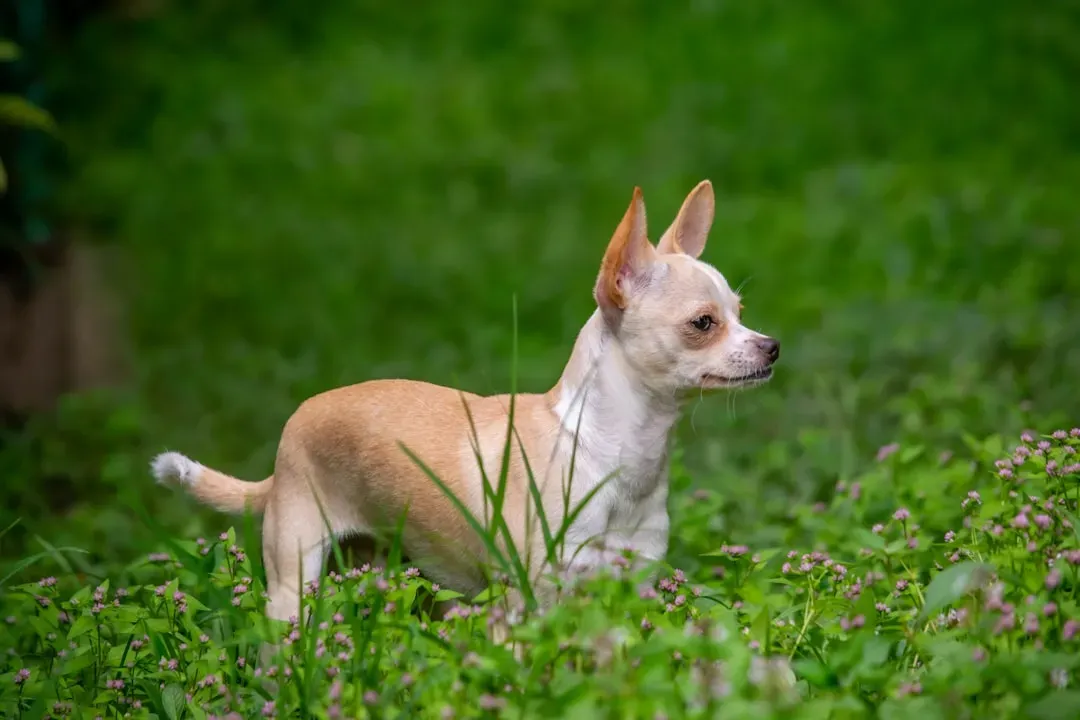
Small dog breeds classified as toy or small have higher owner-rated scores on aggression and fear, as well as lower trainability scores. The Chihuahua might weigh less than your laptop, but their personality is anything but small. In a widely cited survey that asked over 4,000 dog owners to self-report on how aggressive their dogs were in various situations, Chihuahuas came out as more aggressive than Pit Bulls and were reported as the most aggressive among 35 dog breeds.
The most common cause of aggression in Chihuahuas is fear, and since they are so small, they are more susceptible to getting hurt. Picture this: a toddler reaches down to grab your tiny dog, and from the Chihuahua’s perspective, a giant hand is coming toward them. If a child tries to play too rough with the little dog, it may lash out to protect itself, and attachment issues can cause them to be more fearful or uncomfortable with other people, thus leading to aggressive behavior.
The good news? Positive reinforcement and consistency are effective training techniques for managing Chihuahua aggression, and socializing Chihuahuas early and consistently reduces aggression. When owners treat their Chihuahuas like actual dogs requiring structure and boundaries, rather than purse accessories, these little ones can be sweet, devoted companions. I think many people underestimate just how much training a five-pound dog actually needs.
2. Dachshund: The Stubborn Hunter in Your Living Room

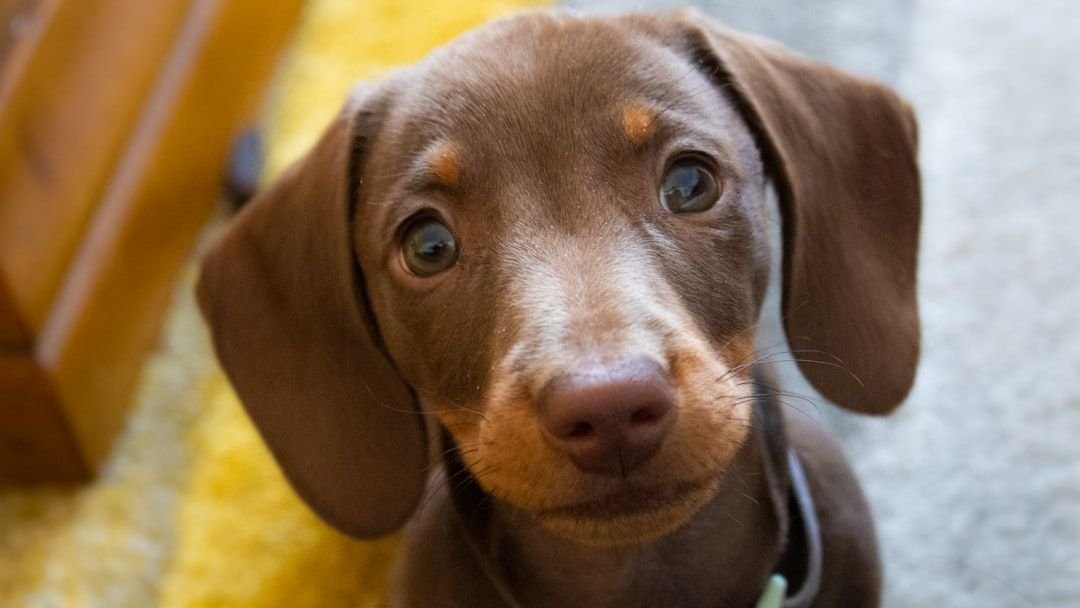
A 2008 University of Pennsylvania study of 6,000 dog owners indicated that Dachshunds were rated the most aggressive, with 20% having bitten strangers, as well as high rates of attacks on other dogs and their owners. Yes, you read that correctly. That adorable wiener dog with the floppy ears and elongated body? They topped aggression charts.
Dachshunds were originally bred for hunting badgers and other small animals, and the dachshund breed history of going down holes to hunt badgers means that they’re often prone to being more reactive and aggressive than they need to be as a pet dog. Imagine being bred to fight a badger in a dark tunnel. That takes serious tenacity and fearlessness. They are described as clever, lively, and bred for great perseverance, which can translate to stubbornness.
Training a Dachshund requires patience that borders on sainthood. They have been the product of selective breeding for decades and were bred to fixate on their prey and eliminate all other distractions, and when something triggers their hunting instincts, they’ll focus completely on that object. Here’s the thing: underneath all that stubbornness is a dog who desperately wants to please you, but only after they’ve decided you’re worth listening to. Consistency, positive reinforcement, and early socialization are absolutely crucial.
3. Chow Chow: The Lion-Maned Protector
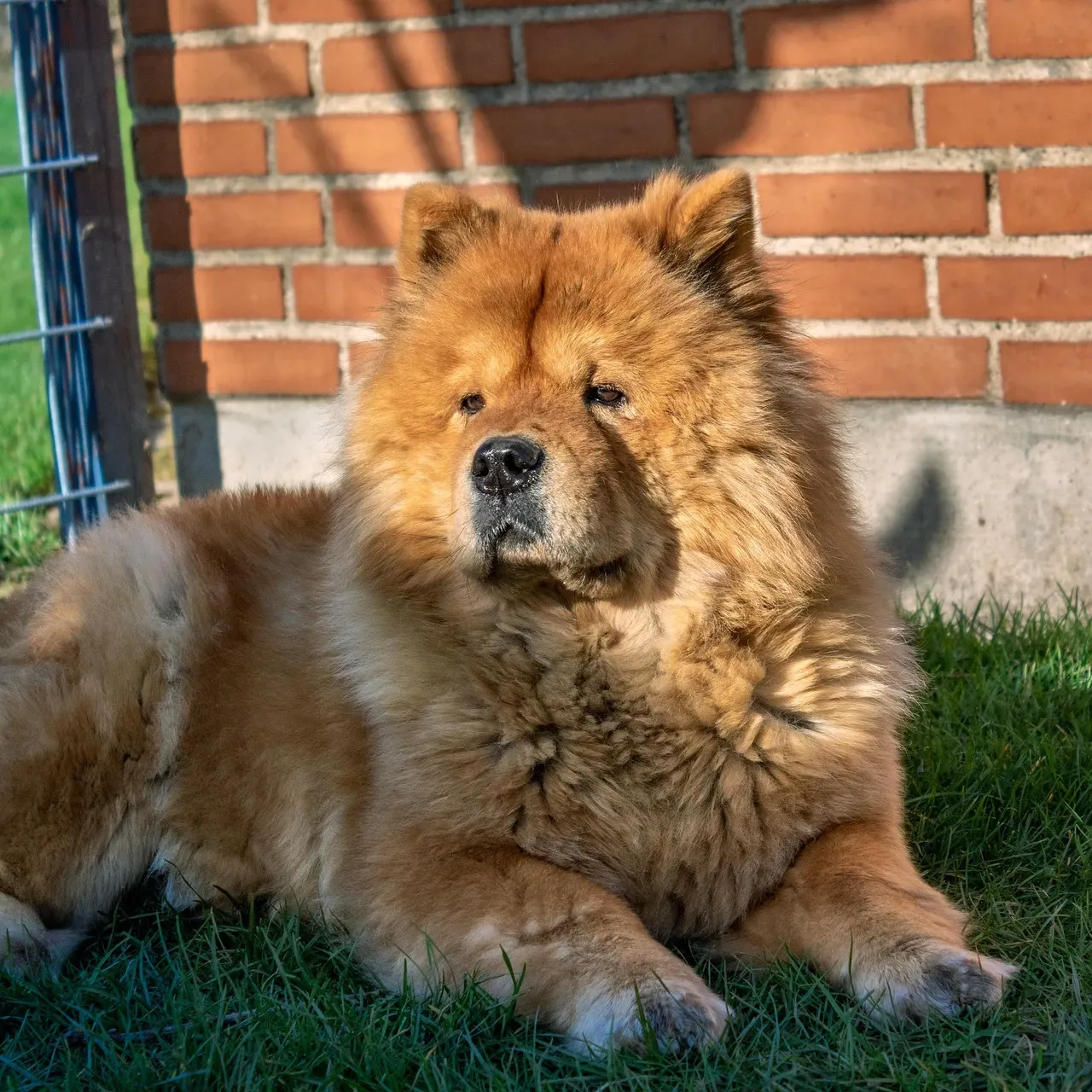
Fluffy, adorable, and fiercely independent, the Chow Chow looks like a living teddy bear. The Chow Chow has all of the ingredients to have a rotten temperament because she is smart, stubborn, and picky, and Chow Chows bond very closely with one or two people and are often very territorial.
Chow chows are not usually social, outgoing dogs, and they tend to be aloof with strangers and can be aggressive with other dogs. This stems from their history. This is fitting with their history as guard dogs for homes and livestock. Unlike Labs or Golden Retrievers who greet every stranger like a long-lost friend, Chows assess situations carefully and decide who deserves their trust.
Because of the Chow Chow’s territorialism, it’s important to socialize her early and often, exposing your dog to a wide variety of people and places. Without this foundation, you could end up with a beautiful dog who tolerates only you and views everyone else with suspicion or hostility. Chow chows are fairly intelligent but they have both an independent and a stubborn streak, so training them can be a challenge, and they are fiercely protective and need training to control this guarding tendency. It’s hard to say for sure, but the Chow’s aloofness might actually be their greatest strength when paired with the right owner who understands their nature.
4. Rottweiler: Power Meets Protectiveness
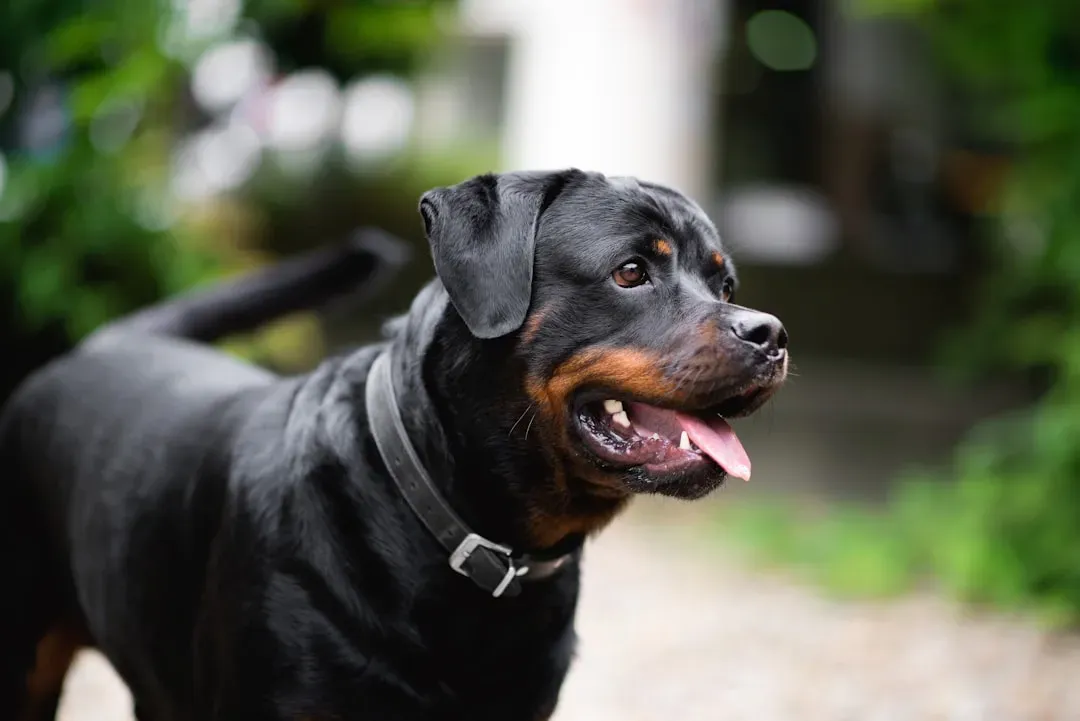
Rottweilers were involved in 45 fatal attacks between 2005 and 2019. That statistic sounds frightening. However, context matters enormously. Rottweilers are exceedingly intelligent due to their historical role as working dogs and are well known for their high awareness, sharp perception, and extreme sense of loyalty, and according to renowned professor Stanley Coren, Rottweilers are the ninth most intelligent dog breed.
The problem isn’t inherent viciousness. Rottweiler temperament is inherited, but temperament and behavior are also shaped through training and socialization, and a Rottweiler must be thoroughly trained and socialized at a young age to control his territorial instincts. Picture a 100-pound dog who hasn’t learned impulse control or appropriate social behavior. That’s a recipe for disaster, regardless of how sweet the individual dog might be at heart.
Early socialization is a huge aspect of Rottweiler training because for a dog that’s naturally guarded, it’s important to break those boundaries by exposing them to environments, other people, and other dogs in their puppy years. Rottweilers crave structure and clear leadership. Allow a Rottweiler to call the tune and you are asking for trouble, because you have given him every reason to believe that he is in charge so why shouldn’t he challenge a threat to his position. With proper guidance, though? These dogs become loyal, devoted family members who’d lay down their lives for you.
5. Jack Russell Terrier: Small Package, Big Energy
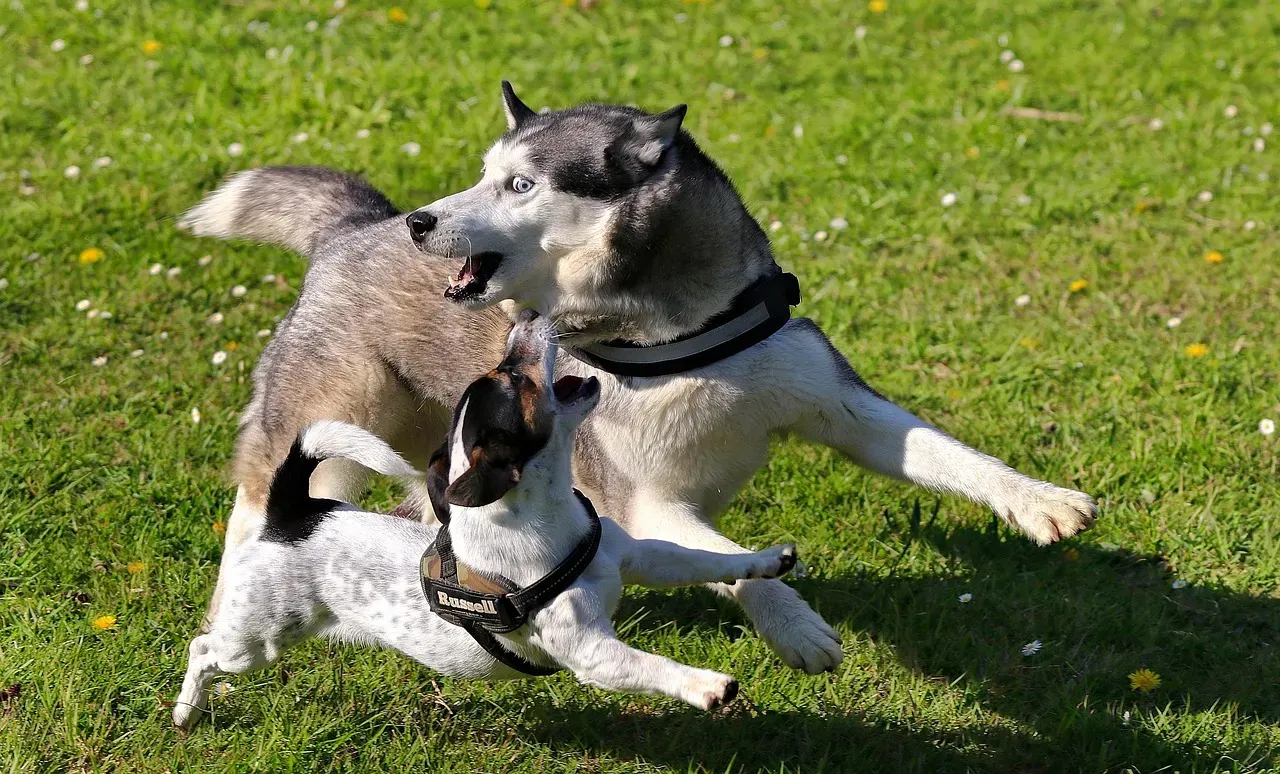
A University of Pennsylvania study of 6,000 dog owners found that small breeds like Dachshunds and Jack Russell Terriers showed higher rates of aggression than many feared breeds. Jack Russells are bundles of focused, relentless energy originally bred for fox hunting.
Their high prey drive means they’ll chase anything that moves, from squirrels to your neighbor’s cat. If not given sufficient daily exercise, they can develop significant behavioral issues, including aggression. These aren’t couch potatoes who’ll be content with a leisurely stroll around the block. They need jobs, mental stimulation, and physical outlets for their boundless energy.
Without proper exercise and training, Jack Russells can become destructive, snippy, and downright difficult to live with. They’re clever escape artists who’ll dig under fences, chew through barriers, and generally cause chaos when bored. But here’s what many people don’t realize: when given appropriate outlets and firm, consistent training, Jack Russells are incredibly trainable and devoted. They thrive in active households where they’re treated as the working dogs they were bred to be.
6. Akita: The Dignified Guardian
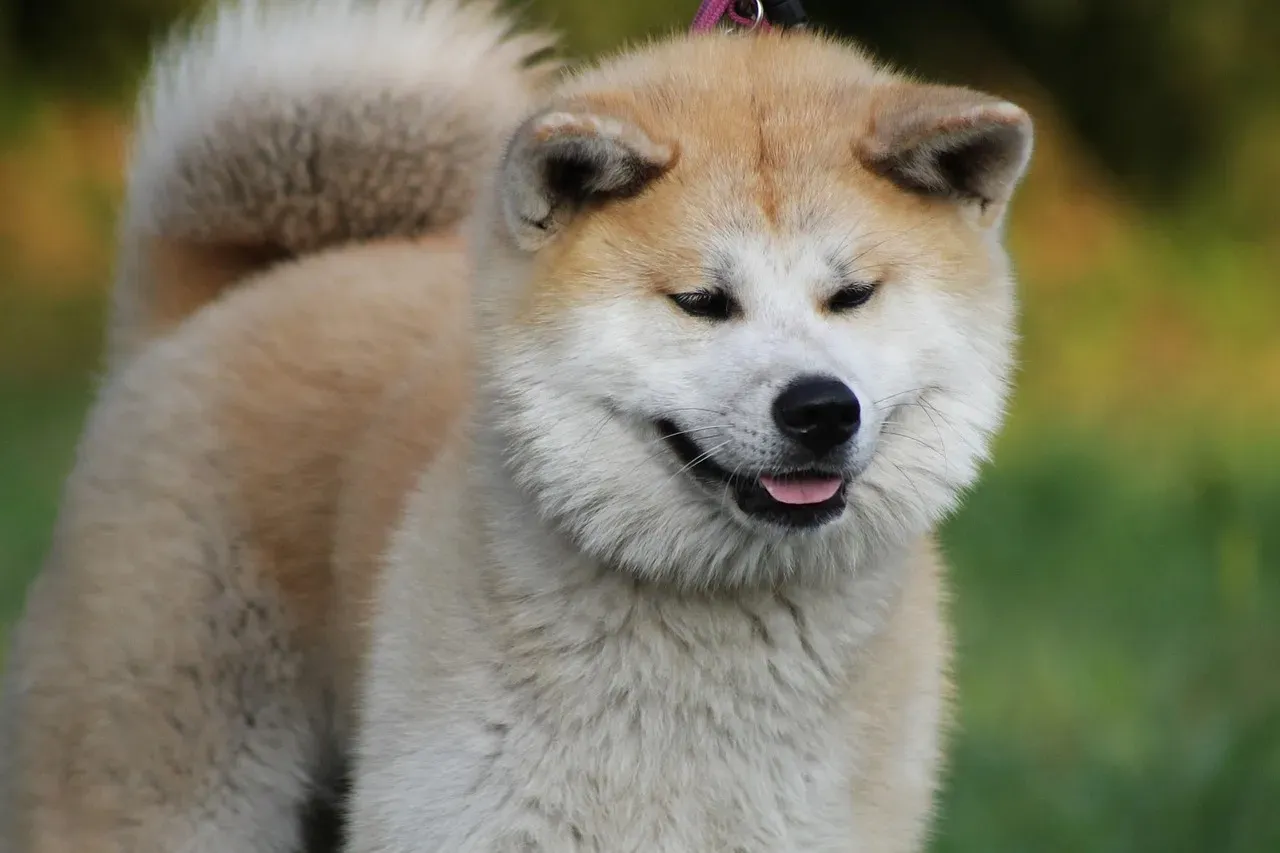
Akitas are large guarding breed from Japan and can be aggressive with same-sex dogs and protective of their family members. These powerful, dignified dogs were bred to hunt large game and guard Japanese nobility. That noble bearing? It comes with strong-willed independence and a natural wariness of strangers.
Several factors increased the probability of aggressive behavior toward people including older age, being male, fearfulness, small body size, lack of conspecific company, and being the owner’s first dog. While Akitas aren’t small, they do share some risk factors like being a first dog for inexperienced owners. Their size and strength mean that behavioral issues can’t be ignored or brushed off.
Akitas require experienced handlers who understand dominant breed temperaments. They’re not dogs who’ll automatically welcome your friends into your home or play nicely at the dog park with unfamiliar dogs. Same-sex aggression is particularly common. Yet for the right owner who provides early socialization, firm boundaries, and respectful leadership, Akitas become incredibly loyal, calm, and protective family guardians who form deep bonds with their people.
Understanding and Managing Temperament Challenges
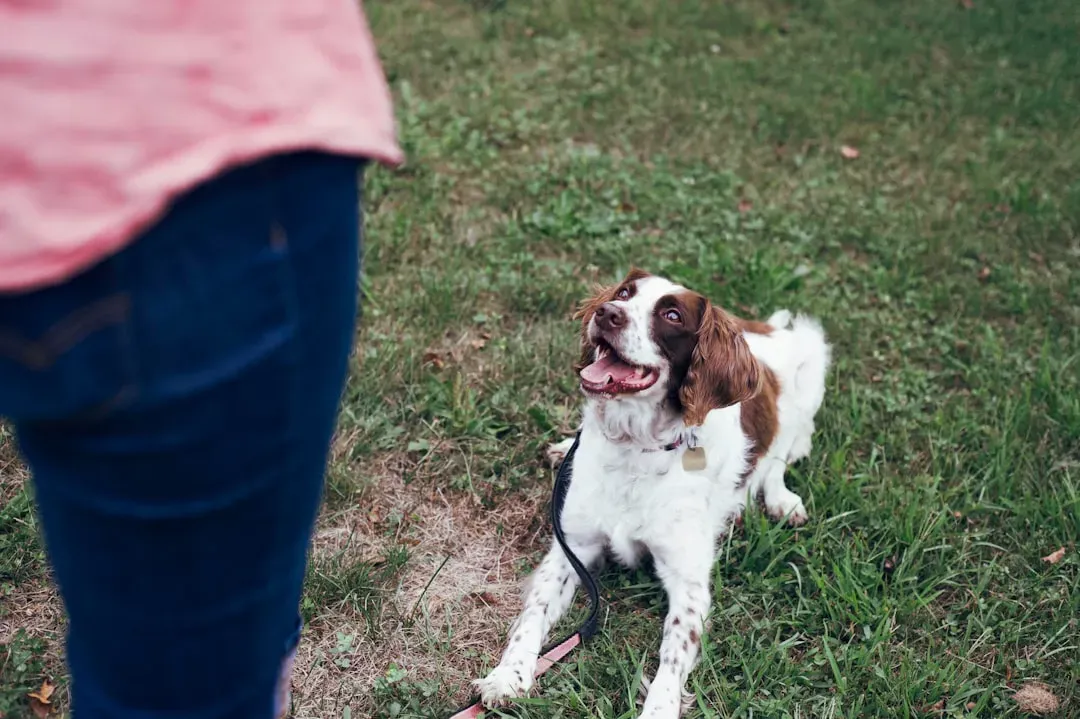
Here’s what ties all these breeds together: Small dogs are treated differently than large dogs, and people may let little dogs off the hook where good behavior in a big dog is often judged as more of a necessity. This creates a troubling double standard. We excuse snapping and growling from a Chihuahua because they’re small, but that same behavior in a Rottweiler would be considered dangerous.
Dog owners shouldn’t take breed tendencies to mean that their dog’s personalities are totally innate and predetermined, and there’s still an enormous amount of variation among individual dogs, so an individual is better treated as an individual rather than as a representative of its breed. Every single one of these breeds can make wonderful companions. The difference lies in owner education, commitment to training, and honest assessment of whether your lifestyle matches the breed’s needs.
Pain can also trigger aggression. Aggressive behavior can arise from pain, suggesting that some aggressively behaving dogs may have a disease such as hip dysplasia or other painful condition which impair their welfare. Before labeling a dog as having temperament issues, rule out medical causes. That grumpy Dachshund might have back pain. That snappy Chihuahua could be dealing with dental problems.
The breeds we’ve discussed aren’t inherently bad. They’re challenging. They require owners who do their homework, commit to training, and understand what they’re getting into. With proper socialization, consistent training, and appropriate outlets for their natural instincts, these dogs can thrive. What’s your take on breed temperament versus individual personality? The conversation continues beyond these pages.