
5 Signs Your Dog’s Anxiety is a Result of Abuse

You know that feeling when your dog cowers at the sound of a raised voice, or when they refuse to come out from under the bed even though nothing particularly scary has happened? It’s heartbreaking. As someone who’s spent years working with dogs from all kinds of backgrounds, I can tell you that anxiety in our canine companions isn’t always just about being scared of thunderstorms or the vacuum cleaner.
Sometimes, the roots run much deeper. When a dog has experienced trauma or abuse, their anxiety can manifest in ways that are both subtle and profound. Recognizing these signs isn’t just about understanding your dog better. It’s about giving them the compassion and support they desperately need to heal. Let’s explore the telltale indicators that your dog’s anxiety might be rooted in a painful past.
Extreme Fear Responses to Specific Objects or Gestures
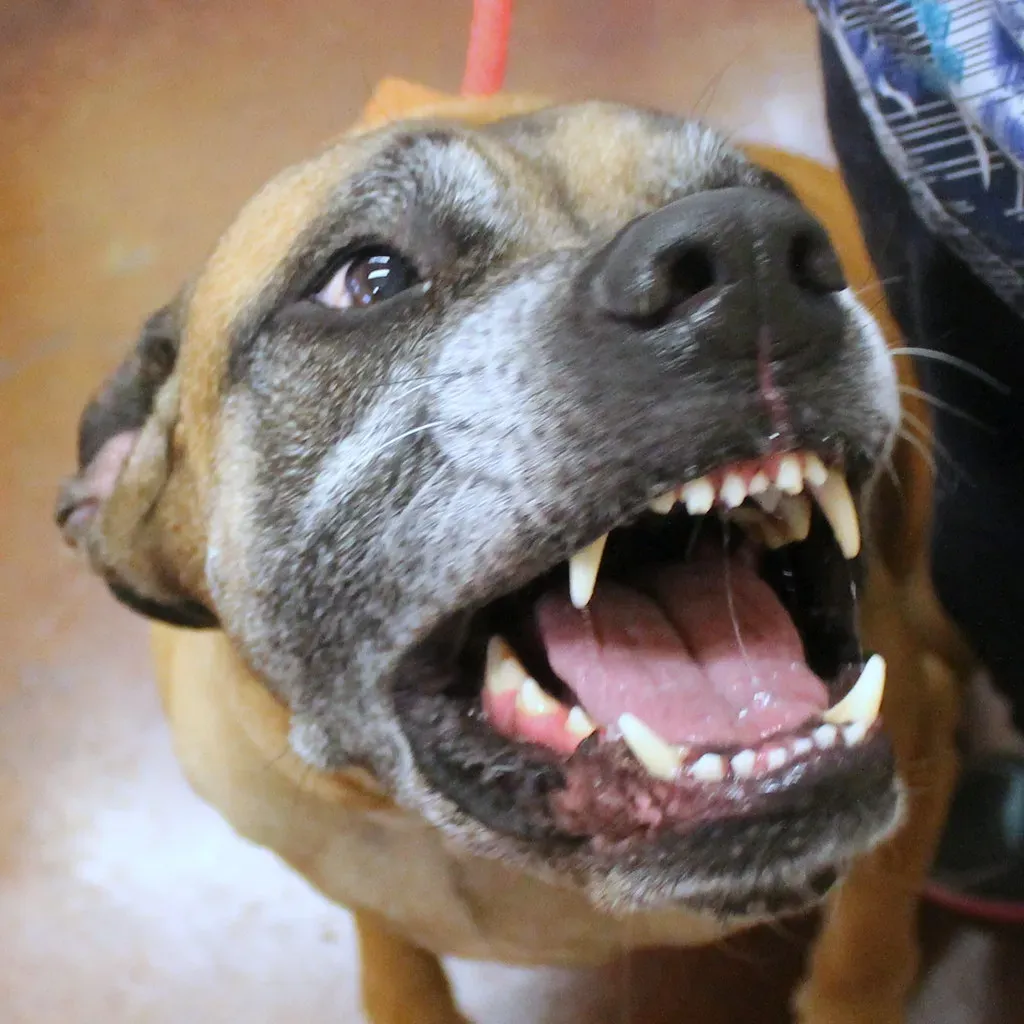
Dogs that have been abused may display large emotional reactions to certain objects or situations, such as cowering, crawling away, hiding, or urinating when exposed to items that were used to punish them. Think about it this way: if your dog suddenly freezes in terror when you pick up a newspaper or flinches dramatically when someone raises their hand, even gently, there’s likely a story there. These aren’t your run-of-the-mill startle responses.
This behavior often develops when a dog has been punished harshly, yelled at frequently, or exposed to unpredictable environments, creating learned helplessness where the dog tries to avoid conflict. What makes this particularly gut-wrenching is how specific these triggers can be. One dog might panic at the sight of a broom, while another becomes paralyzed with fear around men wearing baseball caps. The anxiety isn’t generalized but deeply connected to their traumatic memories.
Overly Submissive Behavior That Goes Beyond Normal
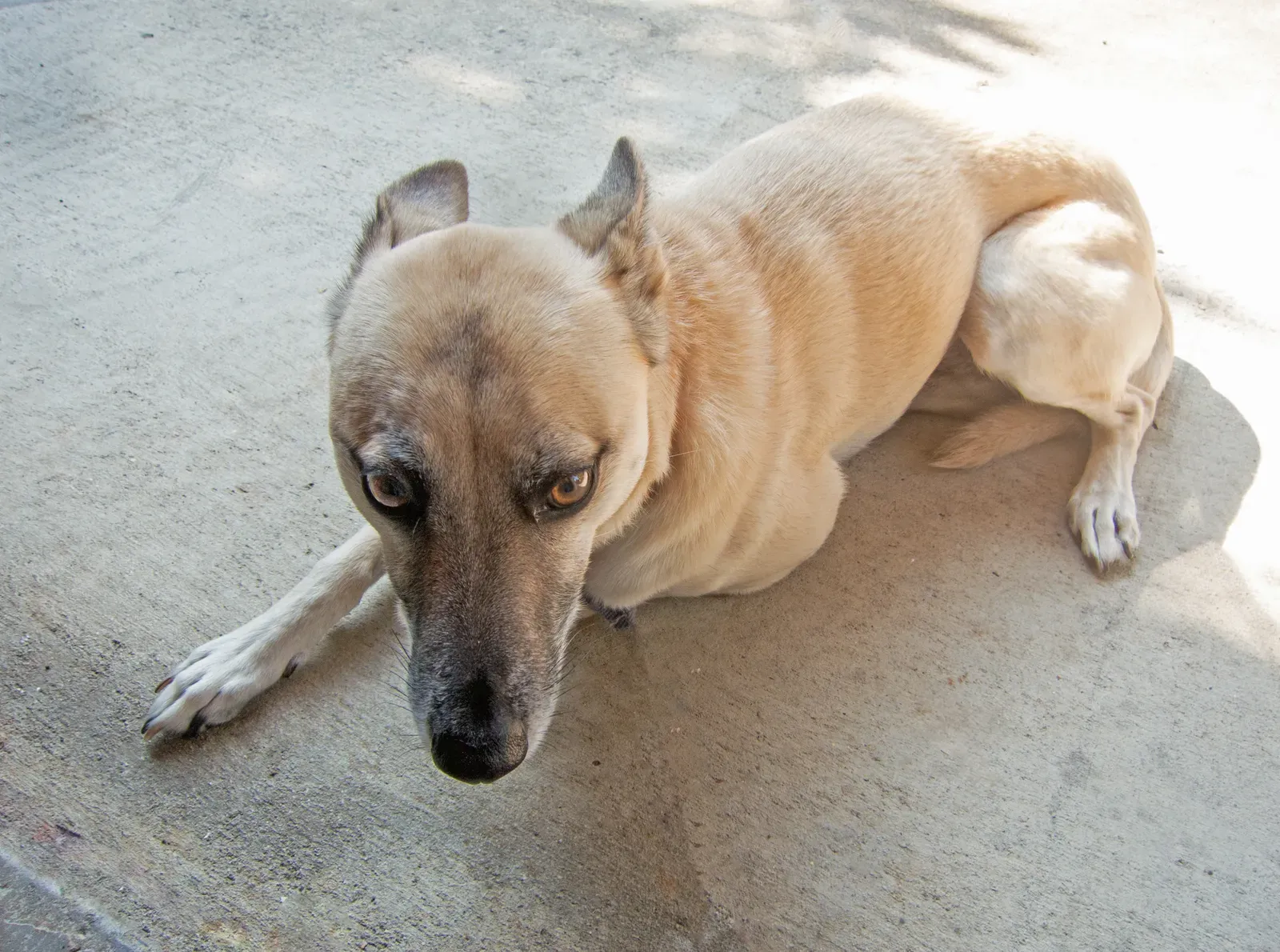
While submission in dogs can be normal, excessive submissive behavior may indicate emotional trauma and is often one of the emotional signs of abuse, especially when rooted in fear or harsh discipline. We’re talking about dogs who practically flatten themselves to the ground when you approach, or who urinate submissively at the slightest interaction. It’s heartbreaking to witness.
Dogs who have been abused may become fearful of humans, hiding more often, behaving submissively by cowering or flinching, and potentially urinating or defecating out of fear. I’ve seen dogs who won’t make eye contact, who tuck their tails so tightly it looks painful, and who seem to expect punishment for simply existing. This isn’t shyness or a timid personality. This is a dog who has learned that humans can be dangerous, and their entire body language screams, “Please don’t hurt me.”
Hypervigilance and Inability to Relax

Symptoms of PTSD in dogs include chronic anxiety, hypervigilance, avoidance of certain people or situations, sleep disturbances, fear of being alone, decreased interest in favorite activities, or aggression. Picture a dog who never quite settles down, whose eyes are constantly scanning the room, whose ears swivel at every tiny sound. They’re always on alert, always waiting for the next bad thing to happen.
Dogs may become highly vigilant, constantly watching what is happening around them, and can tremble or shake even when there’s no immediate danger, becoming overly sensitive to external factors. These dogs often struggle with sleep. They might pace restlessly through the night or startle awake from the smallest noise. It’s like they can never let their guard down because in their past experience, danger could strike at any moment. The exhaustion this creates, both physical and emotional, is immense.
Food Aggression or Resource Guarding Rooted in Deprivation

Food aggression is often caused by inconsistent feeding or past neglect, and separation anxiety is common in rehomed or abandoned dogs. When a dog has experienced hunger or food insecurity, eating becomes about survival rather than a pleasant daily routine. I know it sounds dramatic, but for dogs who’ve been starved or had food withheld as punishment, every meal feels like it might be their last.
When dogs have experienced hunger or food insecurity, eating becomes tied to survival rather than comfort, and the fear of losing a meal can cause defensive reactions even in safe environments, rooted in emotional trauma. These dogs might growl, snap, or guard their bowls with frightening intensity. They might wolf down food so quickly they make themselves sick, or hide food around the house. This behavior isn’t about dominance or being “alpha.” It’s pure anxiety born from deprivation and the terror of not knowing when the next meal will come.
Intense Separation Anxiety and Fear of Abandonment

Separation anxiety is one of the most common emotional signs of abuse, particularly in dogs who have been rehomed, abandoned, or frequently relocated, and when left alone, they can experience overwhelming distress rooted in fear of abandonment. This goes way beyond your dog being a little sad when you leave for work. We’re talking about dogs who become completely frantic, who destroy doors trying to follow you, who injure themselves in their panic.
A dog with a history of abuse might become very attached to a new owner with whom they feel secure, and when that person is gone, the dog’s anxiety might increase, causing destructive behaviors. The intensity of this fear is what sets it apart. These dogs have often experienced the ultimate betrayal of being abandoned or repeatedly losing caregivers. They simply cannot trust that you’ll come back, no matter how many times you do. Every goodbye feels like forever to them, and their anxiety response reflects that deep-seated terror.
Conclusion
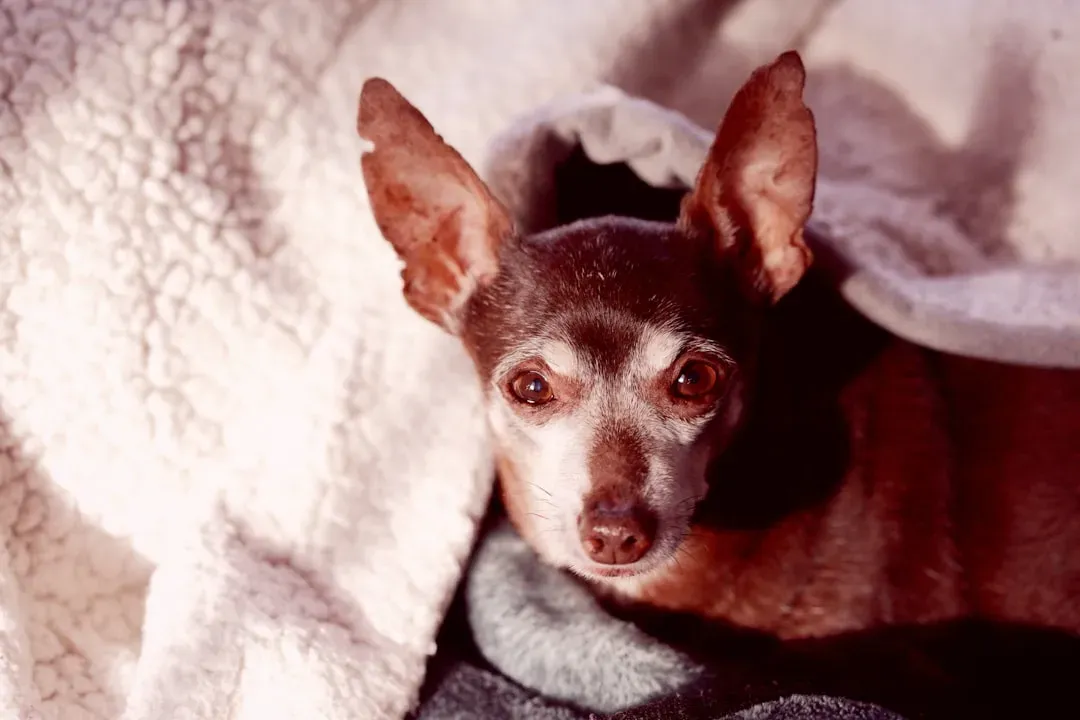
While no one can correct past abuse, focusing on ways to alleviate the animal’s anxiety or fear can help the pet enjoy life, though recovery from abuse effects can take a long time and requires patience and persistence. The journey with an anxious dog who’s experienced trauma isn’t easy. There will be setbacks and frustrating moments. However, with consistent love, proper behavioral support, and sometimes medication when needed, these dogs can learn to trust again.
Understanding these five signs is your first step toward helping your companion heal. If you recognize several of these behaviors in your dog, consider consulting with a veterinary behaviorist who specializes in trauma. What’s your experience been with anxious rescue dogs? Have you noticed any of these signs in your own pup?