
5 Dog Breeds That Struggle in Family Homes (And 5 That Thrive With Kids)
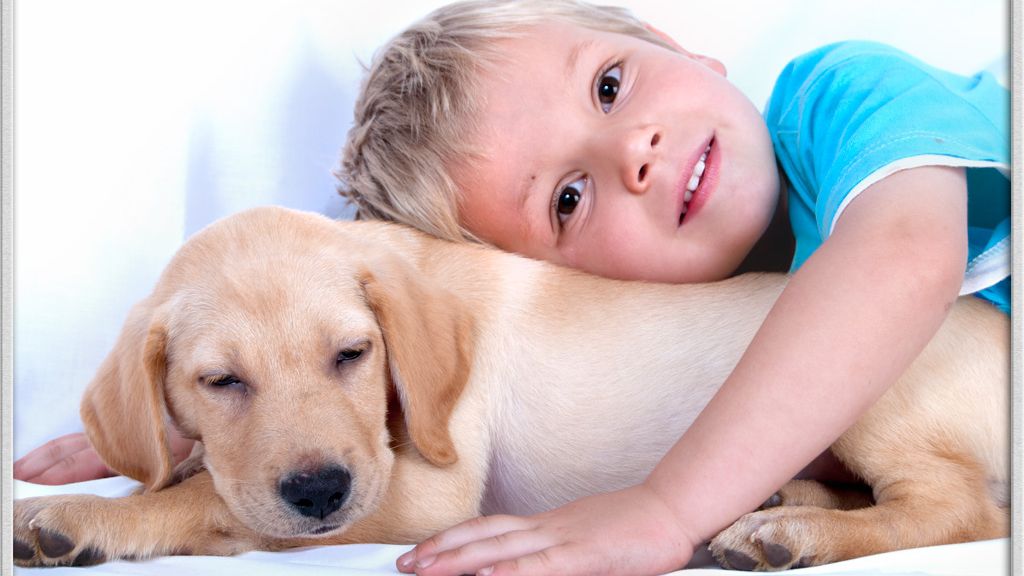
Choosing a dog for your family feels like one of those decisions that should be easy, right? Pick a cute face, add some wagging tails, and bam, instant happiness. Yet here’s the thing: not all breeds are wired to love the chaos of family life. Some dogs were built for guarding remote properties, hunting solo, or serving as elegant lap companions for quiet adults. Others? They practically invented the word “babysitter.”
Understanding which breeds struggle with the unpredictable energy of children and which ones absolutely flourish in it can save heartbreak down the road. Let’s be real, nobody wants a mismatch that ends with a stressed dog, anxious kids, or a family filled with regret. This isn’t about labeling dogs as good or bad. It’s about honoring what each breed was designed to do and matching that with what your family actually needs.
The Chihuahua: Tiny Dog, Big Boundaries
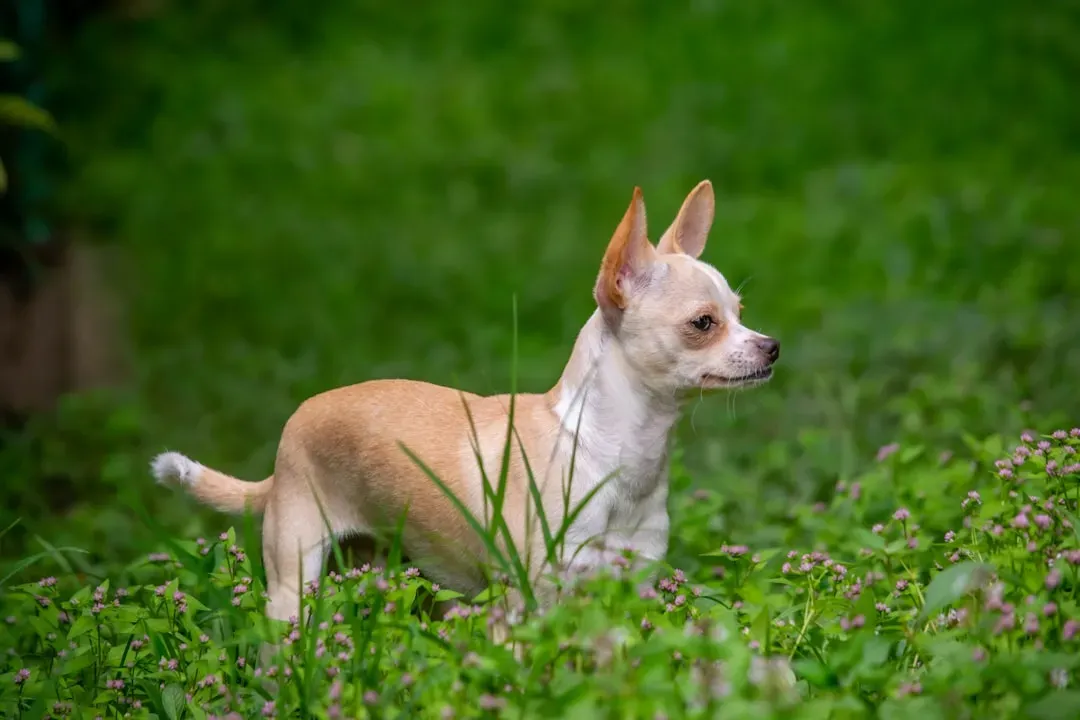
Chihuahuas generally don’t do well with young children, and honestly, it’s not hard to understand why. These pint-sized pups pack a whole lot of attitude into a body that weighs less than your average house cat. Chihuahuas can be extremely aggressive, territorial, and prone to biting, especially when they feel their space is being invaded.
They are a nervous animal and are easily provoked, which is not good around the sudden movements and loud noises associated with kids. Kids naturally grab, poke, and squeal with excitement. For a Chihuahua, that can feel like an assault. This breed is also very protective and can get snappy and nippy around people it doesn’t know well, and they’re best for families with children at least 10 years of age or older.
The Akita: Guardian First, Playmate Never
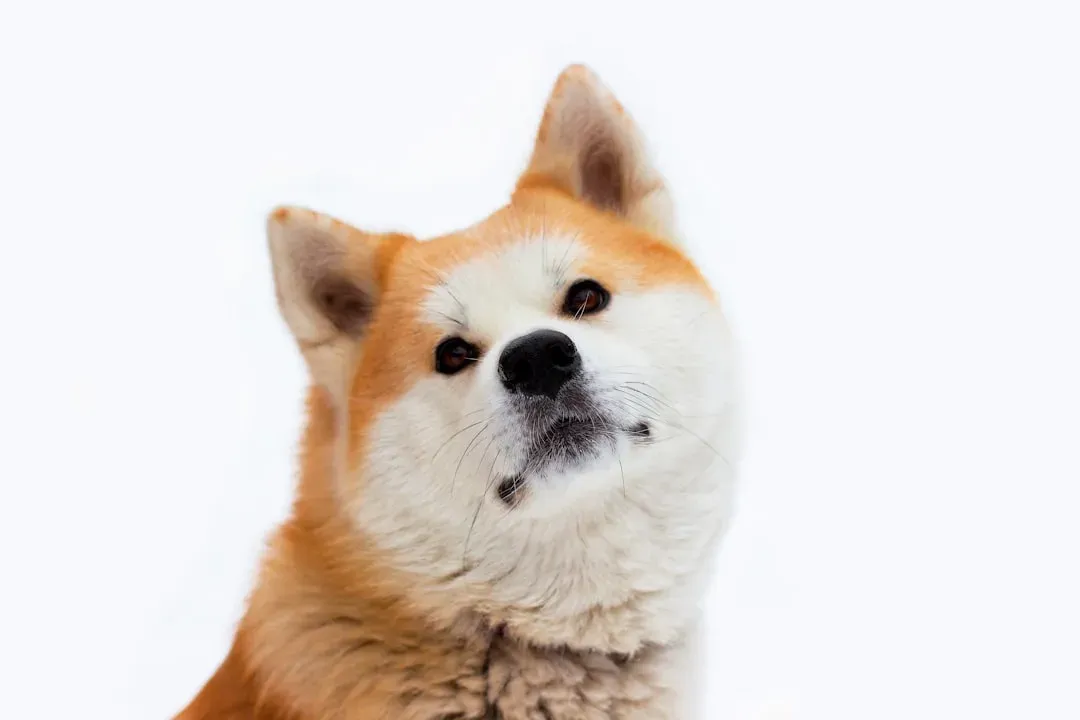
The Akita is a dignified Japanese dog that is extremely loyal, confident, and energetic, more independent and does not typically need constant attention, and they do not get along well with other dogs or with small children. Their devotion is fierce, which sounds lovely until your kid’s friend comes over for a playdate.
If they start roughhousing, your Akita may take it as a sign that their family is in danger, and they can respond viciously. That protective instinct is hardwired. Training helps, but you’ll never fully override it. Due to their protective nature, Akitas are not friendly around strangers, however, they can form close bonds with the right person, and these dogs are best in households with one or two adults and maybe older children.
The Weimaraner: When Hunting Instincts Overpower

Weimaraners were bred to hunt large game like deer and bear, and as such their rough housing can get carried away with children, even larger ones. Picture a sleek, athletic dog with endless stamina and a prey drive that never quite shuts off. Now picture that dog in a living room with toddlers.
These dogs require lots of attention and a set routine with lots of exercise and play or they can become nervous and excitable, and this need for strict routine may not be a good choice for a family with a hectic, ever changing schedule. They aren’t mean, just intense. If a Weimaraner doesn’t get multiple hours of vigorous exercise daily, their energy turns destructive. Small children can also unintentionally trigger their chase response, which leads to rough play nobody asked for.
The Chow Chow: Stoic and Set in Its Ways
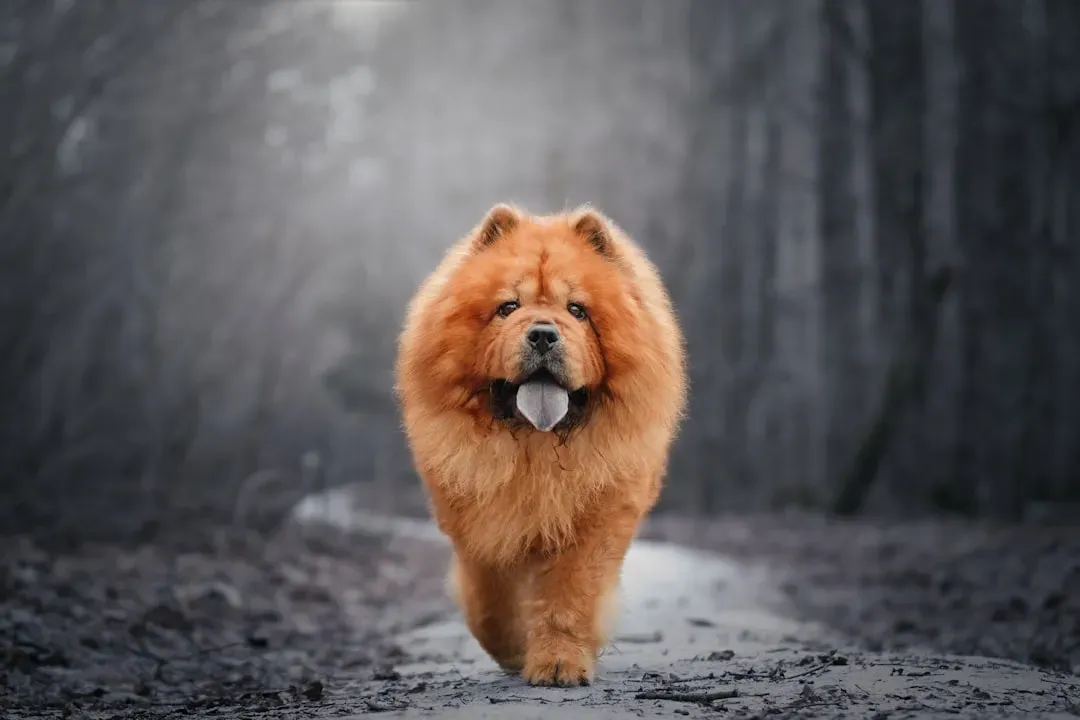
While they are not generally an aggressive breed, chow chows may react badly to children who yell, are rough, or run around, and these dogs are also not very playful and have little patience. Think of them as the introverted philosopher of the dog world. They love their humans but on their own terms.
Aloof, serious, and intelligent, the chow chow is a unique breed with ties to ancient China, and they are affectionate with their humans but don’t get along well with other pets or young children. Kids want constant interaction, noise, and motion. Chow Chows want peace, predictability, and personal space. It’s just a fundamental mismatch in lifestyle preferences.
The Jack Russell Terrier: Unpredictable Firecracker

The Jack Russell Terrier is a small, energetic breed known for its intelligence and high energy levels, and while they can be very affectionate and loyal to their owners, they are often not recommended for families with young children, as their boundless energy and strong prey drive can lead to nipping or rough play.
Despite their small size, they require a lot of exercise, a good amount of garden space, a very high level of training and even then it is built into their nature for them to snap before they think, bite and hunt. Jack Russells were designed to bolt into underground dens and drag out foxes. That kind of fearless intensity doesn’t always translate well to calm, patient interactions with curious toddlers. Jack Russells are known for their strong-willed and unpredictable nature, necessitating an owner with experience and a calm, structured home environment, and without firm boundaries and consistent training, these dogs can become quite the handful.
The Labrador Retriever: America’s Family Sweetheart
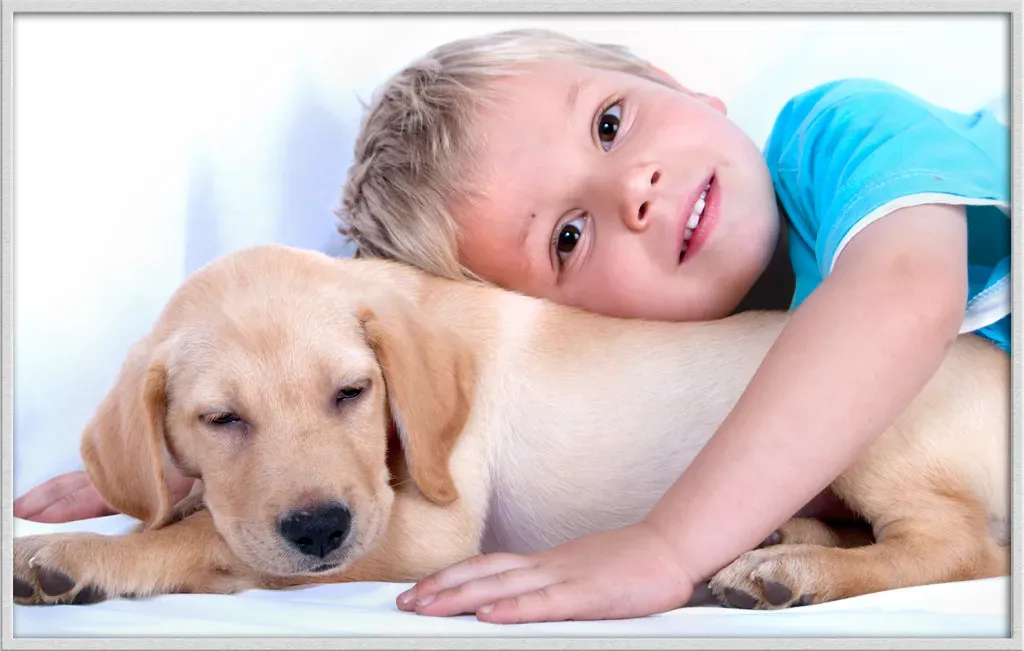
The Labrador ranks #1 on the AKC popularity list starting in 1991 for a very good reason: 94/100 child-tolerance score, and the lowest bite risk of any breed over 50 lb, and they’re playful but patient, Labs forgive the occasional accidental tail pull, and they love nothing more than being in the pack. If you’re looking for a dog that thrives in organized chaos, this is it.
Labs are goofy, gentle, and incredibly forgiving. They’ll play fetch until your arm falls off, then curl up next to a sleeping baby without a second thought. These affable and outgoing dogs play well with others and are eager to please, and the breed is affectionate, patient, and trainable. Their love of food makes training a breeze, and their easygoing temperament means they roll with whatever the day throws at them.
The Golden Retriever: Gentle Giants with Hearts of Gold
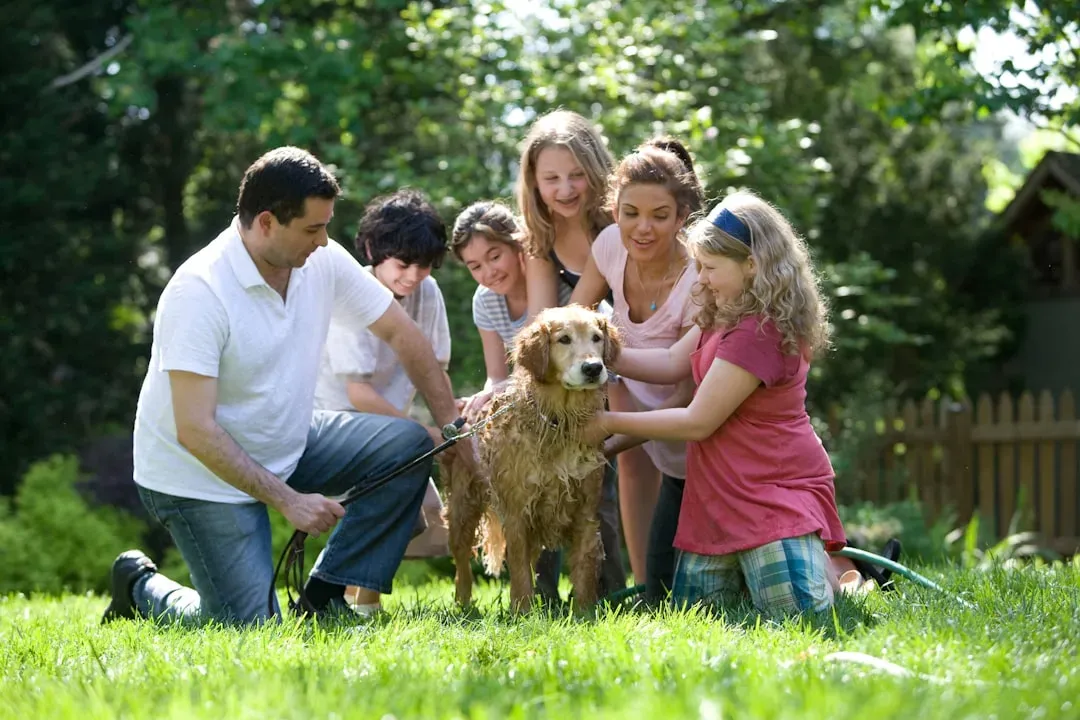
Golden Retrievers are renowned for their friendly and gentle nature, and these medium-to-large dogs are highly intelligent, making them easy to train, and they get along well with children and other pets. Honestly, if there’s a poster child for family dogs, it’s the Golden.
The Golden Retriever is the ideal family dog, they are outgoing, eager to please, and great with children of all ages as well as other pets, and they are known for their double coat of golden, fluffy fur and their devoted personality. Their patience is legendary. They’ll let kids dress them up, climb on them, and use them as pillows. Goldens just want to be wherever the action is, soaking up love and handing it back tenfold.
The Beagle: Cheerful Companion with Endless Curiosity

The Beagle dog breed thrives in family homes, as long as it’s an active family, and known for their strong sense of smell, these hounds become great companion dogs with attentive training and when their exercise needs are met. Beagles are happy-go-lucky in the truest sense. They greet every moment with enthusiasm and a wagging tail.
Beagles are cheerful, clever, and love to howl, and they’re also good with other dogs and kids, and in fact, they make excellent playmates because of their friendly and playful nature. Their smaller size makes them less intimidating for little ones, and their pack mentality means they bond deeply with the whole family. Just be prepared for some noise. Beagles love to vocalize, especially when they catch an interesting scent.
The Boxer: Protective Clown with Boundless Energy
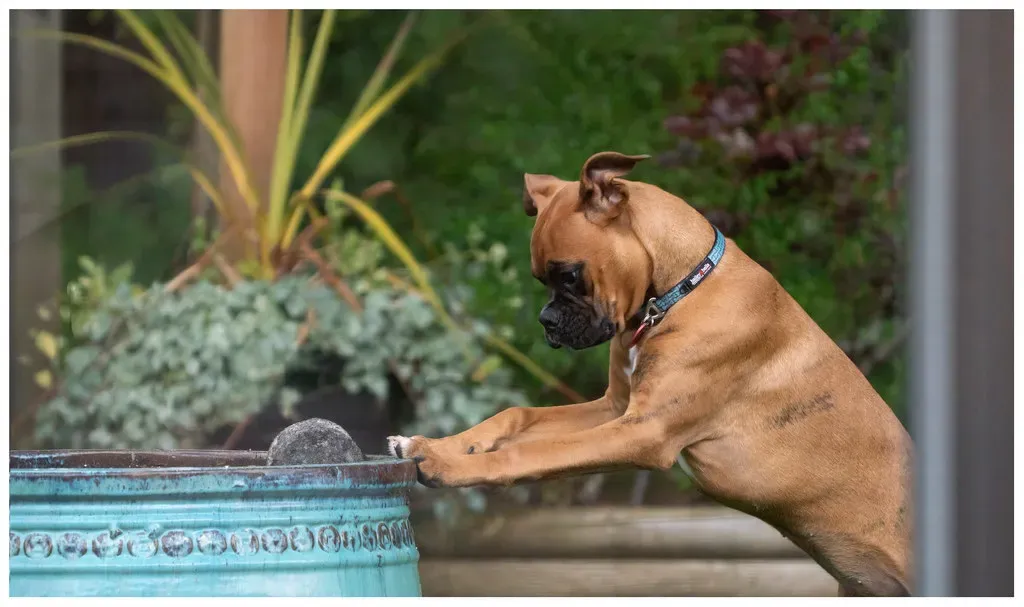
Boxers are energetic and playful, making them an excellent choice for families with active children, and their protective nature ensures they are loyal guardians of their home, and despite their muscular build, Boxers are incredibly gentle and patient with kids.
Boxers are known for their high energy and goofy personalities, and they love to play and often mirror the lively spirit of children. They’re basically the class clowns of the dog world. One minute they’re bouncing around like maniacs, the next they’re snuggling up for a nap. At the same time, Boxers are protective by nature, making them reliable guardians for young family members, and their enthusiasm for life and affectionate nature ensure they become both playmates and protectors, and with proper training and socialization, Boxers can be the perfect balance of fun and loyalty.
The Cavalier King Charles Spaniel: Small Package, Big Heart

While the Cavalier King Charles Spaniel is part of the toy breed group, they have a large, up-for-anything personality, and these family dogs easily adapt to your lifestyle, loving both low- and high-activity households and enjoying both playtime and cuddle sessions, and their affectionate, gentle nature makes them a good fit for homes with young kiddos.
Cavaliers are the Switzerland of dogs: neutral, peaceful, and universally loved. They don’t demand constant action, but they’re always up for whatever you’ve got planned. Their smaller size makes them manageable, and their sweet temperament means they rarely get overwhelmed by energetic kids. They are affectionate, gentle, and friendly dogs known for their loving nature and tendency to form strong bonds with their families, and they are a lower energy breed and appreciate short daily walks and interacting with their family members.
Conclusion: Finding Your Perfect Match
The truth is, there’s no universally perfect dog breed. What works beautifully in one home might be a disaster in another. The key is understanding what your family actually looks like day to day. Are you active adventurers or cozy homebodies? Do you have toddlers who haven’t learned boundaries yet, or older kids ready to help with training?
Thoughtful consideration needs to be made to choose the right dog for your lifestyle, living quarters and children’s ages. Some breeds need jobs, structure, and experienced handlers. Others just want to be part of the chaos and soak up every ounce of love you can give. The dogs that struggle in family homes aren’t bad dogs. They’re just dogs in the wrong environment.
So before you fall for a pair of puppy eyes, do your homework. Meet the breed, talk to owners, and be brutally honest about what your life can handle. Because when you get it right, when that perfect match clicks into place, the bond between your kids and their dog becomes one of the most beautiful things you’ll ever witness. What kind of family are you, really? That answer will lead you to the right four-legged friend.