
Can I Give My Dog Apple?
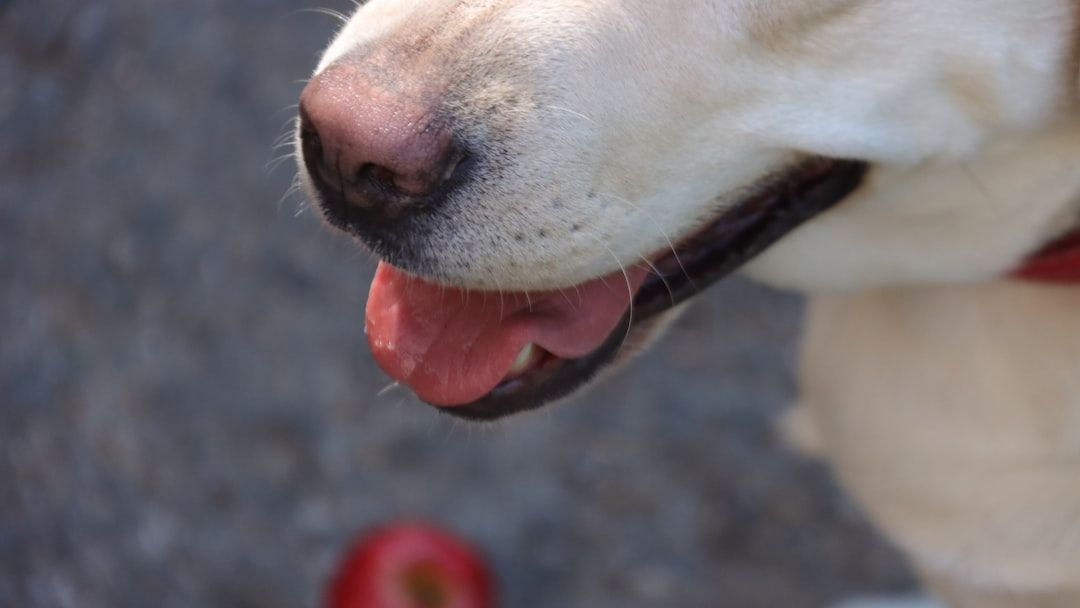
Picture this. You’re sitting at your kitchen table munching on a crisp apple, and your dog trots over with that unmistakable look. Those puppy eyes, that gentle whine, the slow tilt of the head. You know exactly what they want. Your pup is interested in what you’re eating, and honestly, who could blame them? Apples smell amazing, they’re crunchy, and they’re satisfying in a way that even dogs seem to understand.
But wait. Should you actually share that apple slice? Is it safe? Will it upset their stomach? What about the seeds you’ve heard horror stories about? Let’s be real, these questions matter. You love your dog, and the last thing you want is to accidentally harm them with something as innocent as a piece of fruit. The good news is, apples can be a wonderful treat for dogs. The key is knowing how to offer them safely.
The Sweet Truth About Apples for Dogs
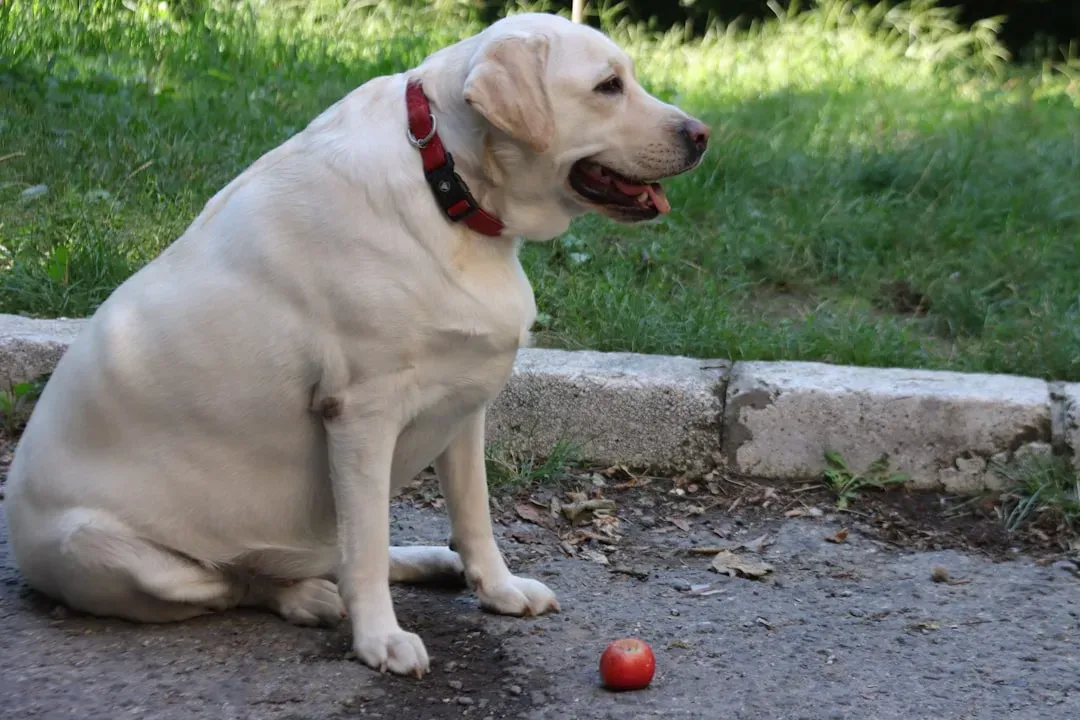
Apples are a great source of vitamin C, vitamin A, potassium, and antioxidants. They’re chock full of fiber, especially in the peels, which helps dogs maintain a healthy weight while assisting with their digestion.
Think of apples as nature’s multivitamin wrapped in a juicy, crunchy package. They help support your dog’s immune health, and that’s something every dog parent can appreciate. The fiber content is particularly useful if your dog struggles with regularity or needs help feeling fuller between meals.
Here’s the thing, though. While apples pack a nutritional punch, they’re not a miracle cure or a meal replacement. They’re a treat, plain and simple. Chewing on apple slices can help clean your dog’s teeth and freshen their breath. The natural crunch of apples can act as a mild abrasive, helping to remove plaque and tartar buildup. So yes, they do offer some dental perks alongside those vitamins.
How Much Is Too Much?
Let’s talk portions because this is where things get tricky. You might think, “Well, if apples are healthy, can’t my dog just have a whole one?” The short answer is no.
Eating an excess of apples can lead to your dog experiencing bellyache or diarrhea, so always serve them in moderation. Just an apple slice or two is enough to satisfy your dog’s cravings. A whole apple contains roughly about 19 grams of sugar, which is way too much for most dogs in one sitting. Even natural sugars can cause an upset stomach if your pup overindulges.
All treats combined, including apples, should make up no more than 10% of your dog’s daily calories. For small dogs, one or two thin slices is plenty. Medium dogs can handle a few slices. Larger breeds might enjoy up to half an apple, but that’s the maximum. Keep it simple, keep it small, and your dog will be just fine.
The Seed Scare: Real Danger or Overblown Panic?
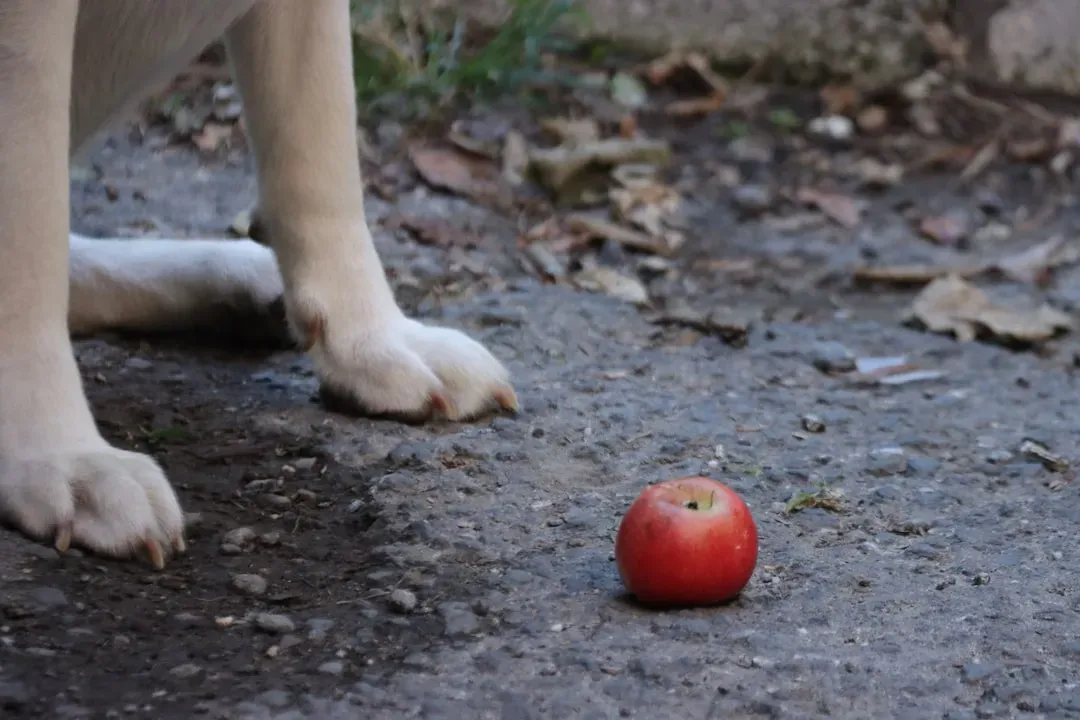
You’ve probably heard it before. Apple seeds contain cyanide. Cue the alarm bells and frantic Google searches at midnight. Let’s take a breath here.
The seeds contain trace amounts of cyanide. Yes, that part is true. However, your dog would need to eat dozens of crushed seeds to face real danger. Most pet owners overestimate the risk; a few swallowed seeds during apple treats pose negligible threat.
A 10 kg dog would need to eat around 1000 seeds to be poisoned. And with a standard apple containing about 10 seeds, that’s around 100 apples. For a Labrador, that increases to around 300 apples in order to have problems. Honestly, your dog would have a bellyache long before cyanide became an issue. Still, it’s smart to remove the seeds anyway. Why take even a tiny risk when it’s so easy to avoid?
Preparing Apples the Right Way
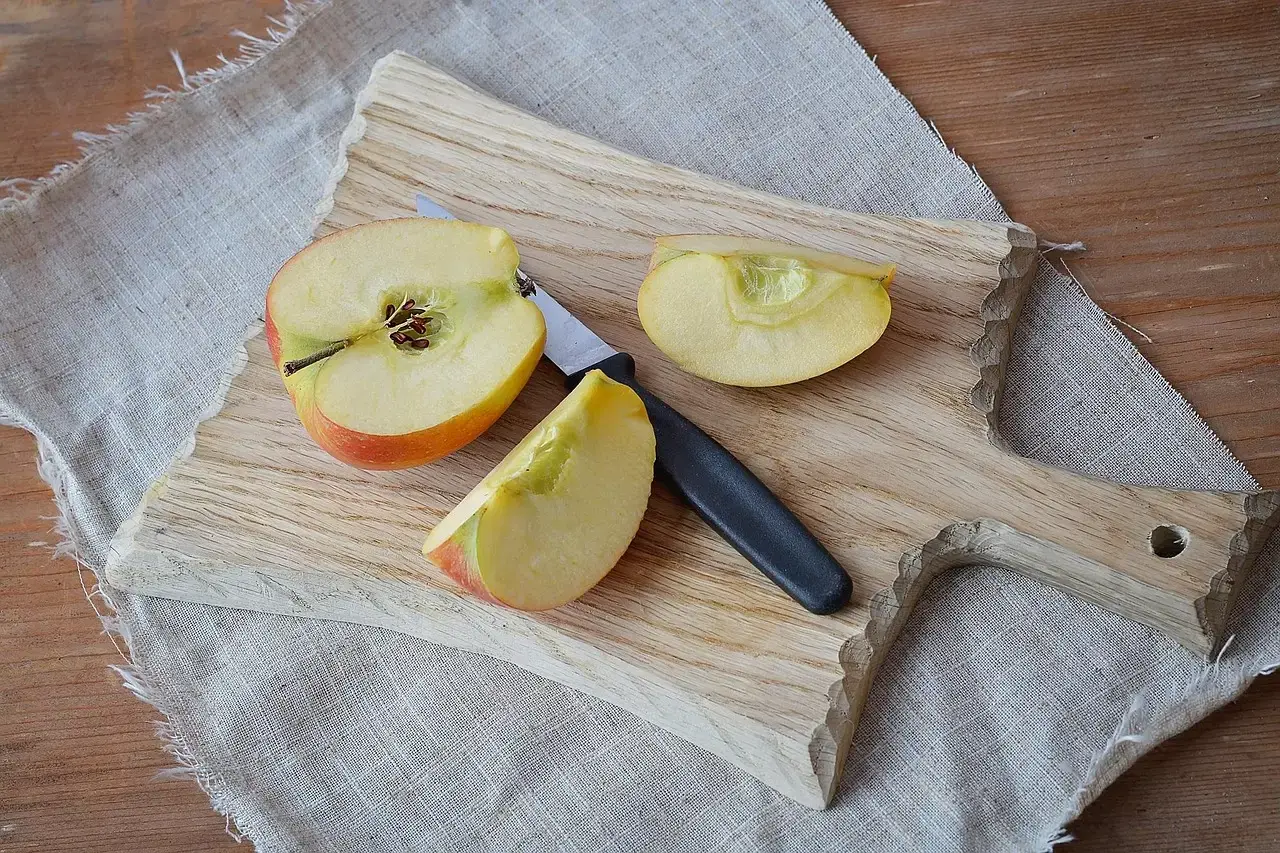
Okay, so you’ve decided to give your dog some apple. Awesome choice. Now let’s make sure you do it safely. First things first: wash that apple thoroughly. Some supermarket apples, like many other fruits and vegetables, are treated with pesticides, which makes rinsing them off especially important.
Next, grab a knife and remove the core and seeds. The tough apple core, and the stem, could also choke your dog. If your dog eats an apple core or seeds, you need to watch them for any signs of digestive trouble or blockage, like choking. Choking hazards are far more concerning than trace cyanide, especially for smaller breeds.
Cut apples into slices or small cubes so that your dog can easily eat them. Peeling the apple will make it easier for your dog to digest. Some dogs with sensitive stomachs do better without the peel, so feel free to remove it if needed. You can also freeze apple slices for a refreshing summer treat or mix small pieces into their regular food for added flavor.
When Apples Aren’t the Answer
As much as we love apples, they’re not right for every dog in every situation. Dogs with diabetes or weight issues should be cautious. Apples contain natural sugars that can spike blood sugar levels. For dogs with diabetes, insulin resistance, or weight-management concerns, it’s best to limit or avoid apples altogether. Always check with your veterinarian before introducing any sugary fruits to your dog’s diet.
If your dog has never had apples before, start small. Start slowly and watch for any reactions, like diarrhea or upset stomach. Every dog is different. Some will gobble down apples like they’re the best thing ever. Others might turn up their nose and walk away. That’s perfectly okay. There are plenty of other healthy treat options out there.
Watch for signs of an allergic reaction, too. It’s rare, but it happens. Itching, swelling, vomiting, or difficulty breathing are red flags that require immediate veterinary attention.
Final Thoughts: Apple Slices and Wagging Tails
So, can you give your dog an Absolutely. Should you? In moderation, with proper preparation, and with attention to your dog’s individual needs, yes. Apples can be a healthy, low-calorie, vitamin-rich treat that many dogs genuinely enjoy. They support digestion, freshen breath, and give your pup something satisfying to crunch on.
Just remember to wash the apple, remove the core and seeds, cut it into manageable pieces, and keep portions small. One or two slices are plenty for most dogs. Skip the apple pie, skip the caramel dip, and definitely skip handing over a whole apple.
Your dog doesn’t need fancy treats to feel loved. Sometimes a simple slice of apple, given with care and knowledge, is more than enough. So next time those puppy eyes are staring you down while you’re mid-bite, go ahead and share a slice. Just make sure it’s done right. What do you think? Will your pup become an apple fan, or are they more of a banana type? Tell us in the comments.