
Your Dog’s Nose Knows Secrets You Can Only Imagine: A World of Scent
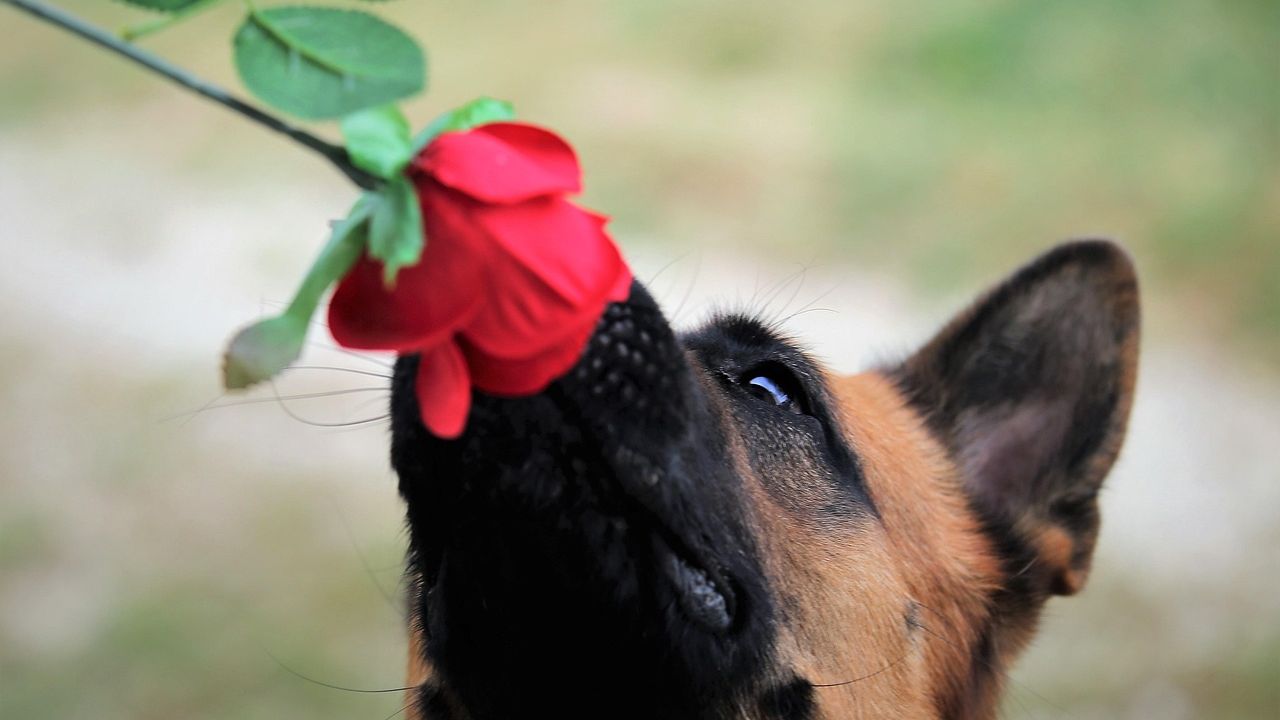
Have you ever watched your dog stop mid-walk, nose twitching, completely absorbed in something you can’t see, hear, or smell? In that moment, your pup is reading an invisible book written in scent, full of stories you’ll never be able to access. It’s honestly quite humbling when you realize just how much sensory information passes right by us while our dogs are drinking it all in. Their world is built on smell in a way we can barely comprehend.
Dogs possess anywhere from roughly 125 million to nearly 300 million scent receptors in their noses, compared to our measly five million. That’s not just a little better. Some breeds, like Bloodhounds, have a sense of smell that can be up to 100 million times as sensitive as ours. Let’s be real, we’re functionally nose-blind compared to them. So let’s dive into this extraordinary world and uncover what your dog’s nose truly knows.
The Biological Superpower Behind That Wet Nose
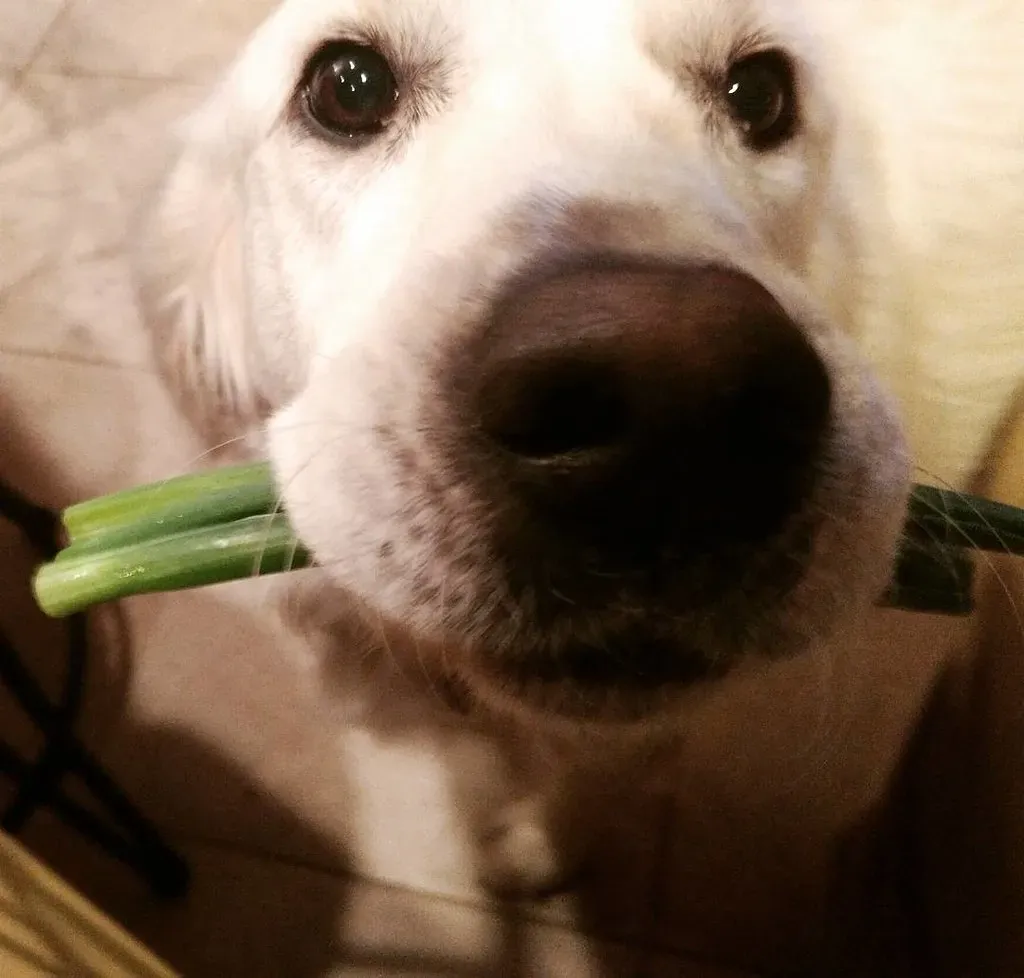
Roughly one third of a dog’s brain is dedicated to analyzing odors, while humans dedicate only about 5 percent. Think about that for a second. If we devoted that much brain power to any one sense, we’d be walking around in a completely different reality. The part of their brain devoted to analyzing smells is 40 times larger than ours, which explains why your dog can detect that forgotten piece of chicken under the couch from three rooms away.
A thin layer of mucus on a dog’s nose helps absorb and hold scents, which is partly why their sense of smell is so superior. The most common normal condition for a dog’s nose is damp and cold or cool to the touch. Special glands inside the nostrils produce mucus to keep the nasal canals moist, and this thin layer of mucus clings to the nostrils, enhancing the absorption of scent chemicals.
There’s a reason dogs lick their noses constantly. Moisture is so important to the canine sense of smell that dogs will lick their noses when they become dry because smart canines do not want to miss out on important information. Honestly, if you could suddenly lose access to half the information in your environment just because your nose dried out, you’d probably lick it too.
Decoding the Invisible Chemical Messages All Around
When your dog sniffs another dog’s behind, it might look awkward to you, but they’re actually gathering serious intel. Using amines and acids emitted by dogs as the basis for chemical communication, a dog can determine if a new friend is male or female, happy or aggressive, healthy or ill. It’s like reading someone’s social media profile, medical records, and mood ring all at once.
Dogs use their sense of smell to detect pheromones, which are chemical signals given off by other dogs, helping them figure out whether nearby dogs are happy, in the mood for mating, or scared. Dogs also sense fear and anxiety via their noses because when we are stressed or scared, we secrete adrenaline, which dogs detect even though we cannot smell it. That’s why your dog seems to know you’re anxious before you’ve even admitted it to yourself.
Your dog can also tell where you’ve been. When in a new territory, a dog can sniff a tree and determine what other dogs live in the neighborhood, and they can smell a visitor’s pant-leg and get a good impression of where the person lives and whether he has pets at home. It’s honestly a bit like having a detective living in your house.
The Secret Weapon: Jacobson’s Organ
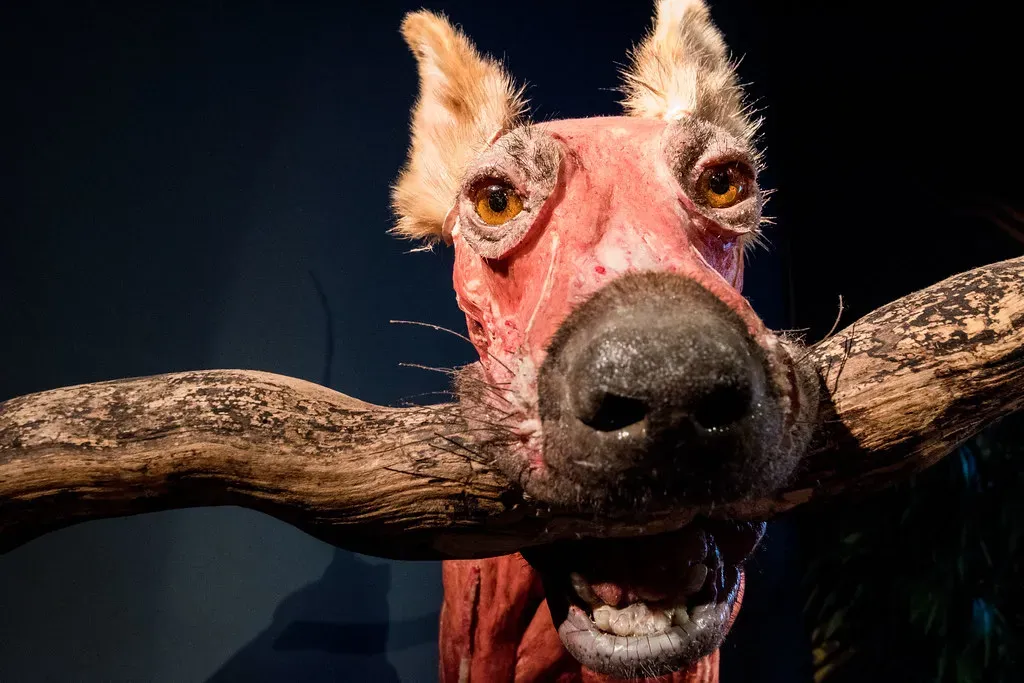
Here’s where it gets really wild. Unlike humans, dogs have an additional olfactory tool called Jacobsen’s organ, or the vomeronasal organ, which is a special part of the dog’s olfactory apparatus located inside the nasal cavity and opens into the roof of the mouth behind the upper incisors, serving as a secondary olfactory system designed specifically for chemical communication.
The nerves from Jacobsen’s organ are different from other nerves in the nose in that they do not respond to ordinary smells, but to a range of substances that often have no odor at all, meaning they detect undetectable odors. Jacobsen’s organ communicates with the part of the brain that deals with mating, and by identifying pheromones, it provides male and female dogs with the information they need to determine if a member of the opposite sex is available for breeding.
Have you ever seen your dog curl their lips back and look like they’re grimacing or smiling weirdly? When dogs curl their lips and flare their nostrils, they open up Jacobsen’s organ, increase the exposure of the nasal cavity to aromatic molecules, and essentially become remarkably efficient smelling machines. It’s called the flehmen response, and it’s their way of getting a deeper read on chemical signals in the environment.
Medical Miracles: When Dogs Smell Disease
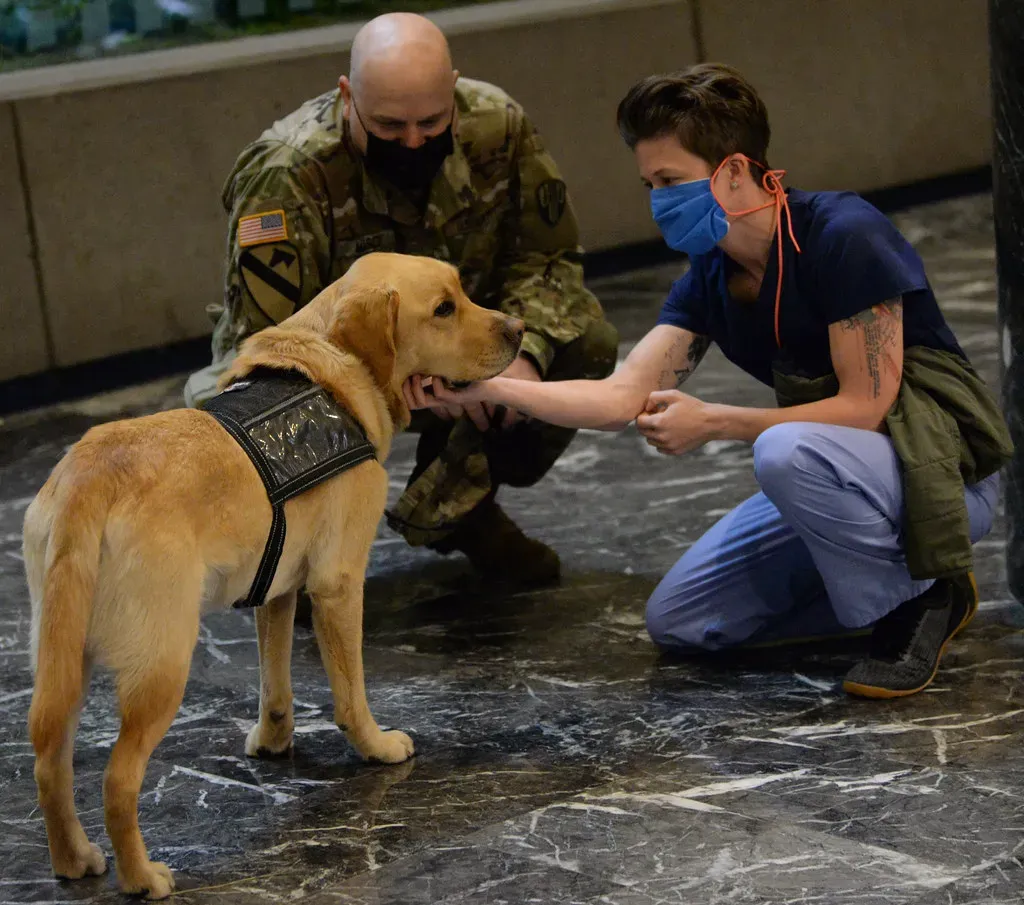
This might sound like science fiction, but it’s very real. Some dogs can detect specific diseases such as cancer or diabetes with an accuracy rate that surpasses many medical tests. Studies have shown dogs can detect various cancers, including prostate cancer, colorectal cancer and melanoma. I know it sounds crazy, but the evidence keeps piling up.
Dogs have smell receptors 10,000 times more accurate than humans, which means their nose is powerful enough to detect substances at concentrations of one part per trillion, like a single drop of liquid in 20 Olympic-size swimming pools. Dogs’ sense of smell is so subtle that they can notice the slightest change in human scent caused by disease, as the tiniest shifts in hormones or volatile organic compounds released by diseased cells can be picked out by dogs.
The dogs detect isoprene, a common natural chemical found in human breath that rises significantly during episodes of low blood sugar, and researchers believe that the dogs are particularly sensitive to it and can be trained to tell when their owner’s breath has high levels of it. Diabetic alert dogs can literally save lives by warning their humans before a dangerous blood sugar crash happens. It’s hard to say for sure exactly which compounds dogs are detecting in every disease, but the results speak for themselves.
What Your Dog’s Nose Health Really Tells You
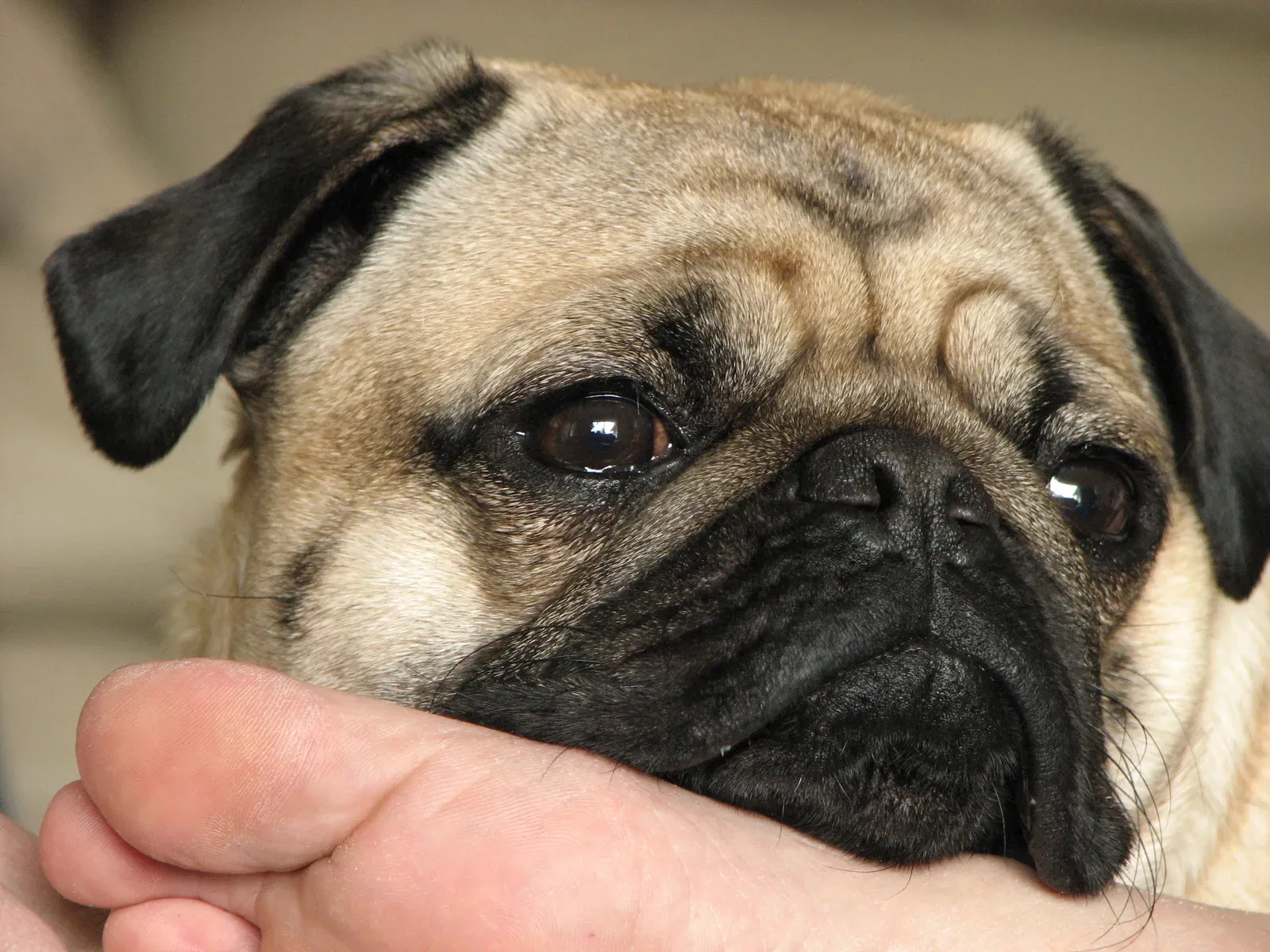
Let’s address the old myth: does a dry nose mean your dog is sick? The short answer is usually no. A dog’s nose naturally changes from wet and cool to warm and dry several times over the course of a day, and most times, a dry dog nose is a completely normal physical phenomenon. The most important thing as a dog owner is knowing what’s normal for your dog, because if your pup’s nose is normally cold, but suddenly it’s warm and dry and your pup isn’t acting like their normal self, that could mean that something’s wrong.
Pay attention to these warning signs though. If your dog’s nose is dry to the point of cracking, bleeding, or developing scabs, it could indicate a skin condition, sunburn, or an infection, and these symptoms should not be ignored, as they can worsen without treatment. Pay attention if your dog’s nose is dry and you also see signs like lethargy, vomiting, diarrhea, appetite changes, or fever, as these combined symptoms could point to dehydration, fever, or another medical issue.
The nose alone isn’t a crystal ball into your dog’s health, but it’s one piece of the puzzle. Trust your instincts. You know your dog better than anyone, and if something feels off, it probably is. Never hesitate to reach out to your vet when you’re concerned.
Conclusion
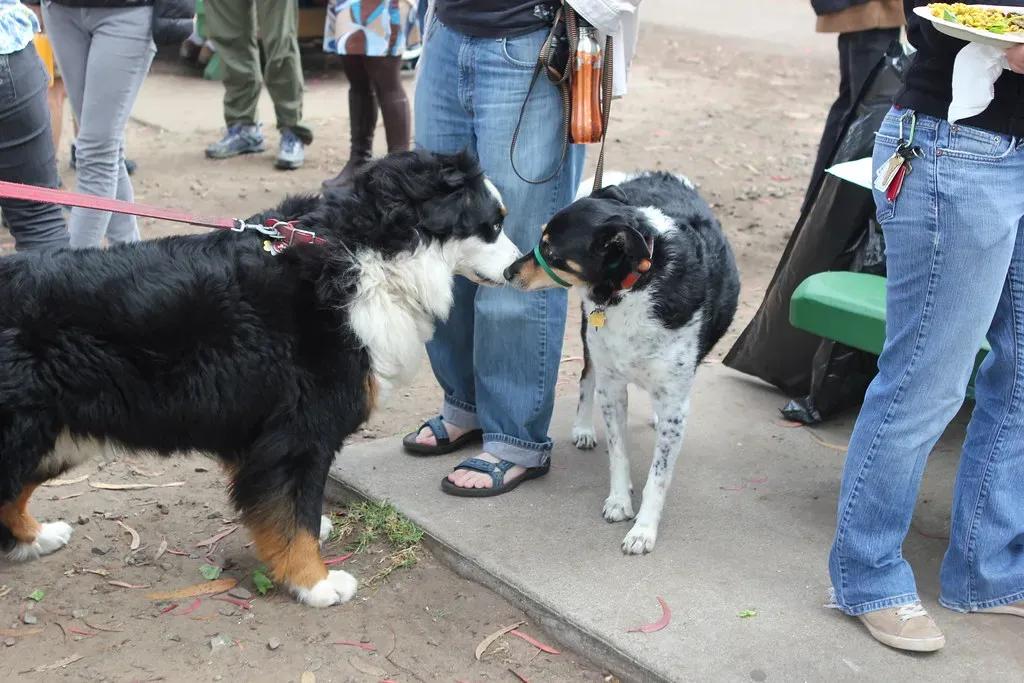
Your dog’s nose isn’t just a cute feature on their face. It’s a sophisticated biological instrument that opens up an entire dimension of reality we humans can barely fathom. From detecting diseases to reading emotional states, from navigating the world to communicating with other dogs, that remarkable nose does it all. The next time your dog stops to smell something that seems like absolutely nothing to you, remember they’re reading a complex story written in molecules, hormones, and chemical signals.
Understanding your dog’s incredible sense of smell helps you appreciate just how different their experience of the world really is. It also reminds us to be patient when they need that extra minute to investigate a fascinating scent on their walk. They’re not being stubborn. They’re being dogs, and that nose of theirs is doing exactly what it was built to do.
What do you think about your dog’s amazing scenting abilities now? Have you noticed your pup doing anything that makes more sense knowing what you know now?