
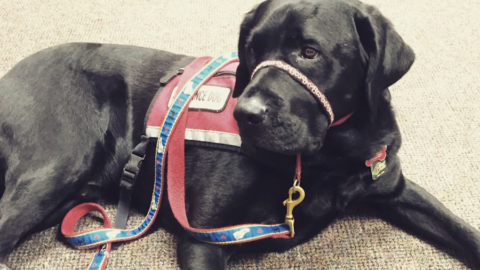
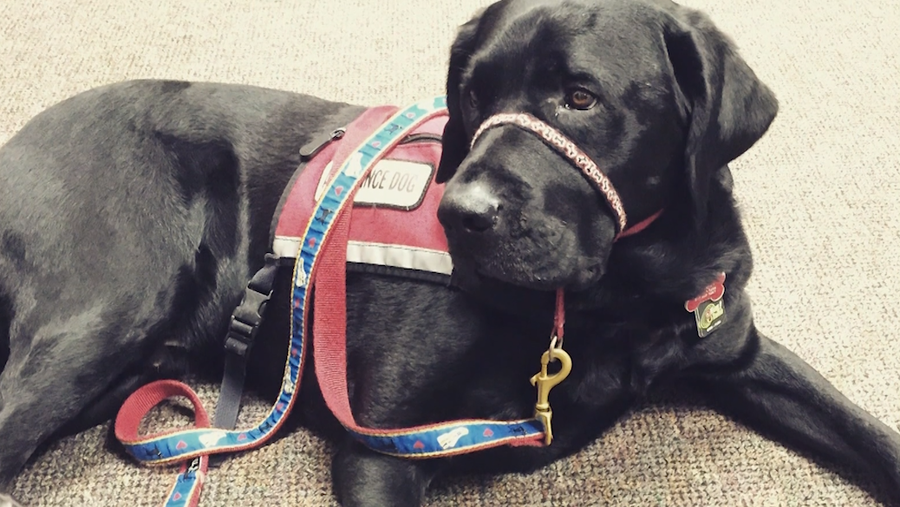
Boston – Residents converged on Copley Square at the Boston Public Library on February 10, 2026, to celebrate the life of Rescue, a black Labrador service dog who supported marathon bombing survivor Jessica Kensky for more than a decade.
A Partnership Born from Devastation
The 2013 Boston Marathon bombing left deep scars on the city and its people. Jessica Kensky and her husband, Patrick Downes, married just seven months earlier, both lost their left legs in the attack. Their recovery proved grueling, marked by pain, isolation, and the challenge of rebuilding daily routines.
Six months after the explosion, NEADS World Class Service Dogs introduced the couple to Rescue, then a two-year-old black Labrador specially trained for individuals with disabilities. This meeting marked the start of a transformative bond that extended far beyond physical assistance.
Everyday Tasks That Rebuilt Independence
Rescue quickly became indispensable in Kensky’s life. He mastered a range of practical skills designed to navigate the obstacles of post-injury living.
- Opened doors and retrieved dropped items like keys.
- Pressed elevator buttons and provided stability in crowded public spaces.
- Responded to verbal cues, such as fetching a blanket on command.
- Accompanied Kensky on outings, boosting her confidence to venture out alone.
These abilities softened interactions with strangers, who often approached with smiles and curiosity. More profoundly, Rescue delivered emotional support during dark times. Kensky noted that the first night she slept through after the bombing coincided with Rescue’s arrival home.
Bringing Laughter Back to Recovery
Downes recalled the dog’s immediate impact on their household. “We were laughing so hard,” he told The Boston Globe. “And as I was laughing, I also started to cry because I hadn’t had positive emotions like that for a long time.”
Kensky echoed this sentiment, explaining how Rescue helped her confront a world no longer suited to her needs. “I didn’t know how to navigate a world that wasn’t built for me anymore,” she shared with the outlet. Even in his later years, after retirement, she tended to him devotedly. “Rescue was a lot of work at the end,” she said, “but he still loved going outside for his walks.”
Honors, a Book, and a City’s Gratitude
Rescue’s contributions earned widespread acclaim. In 2017, the ASPCA named him Dog of the Year. ASPCA President Matt Bershadker praised him as “the full package,” adding, “He represents all the service dogs out there doing extraordinary things for people.”
Kensky and Downes channeled their story into the children’s book Rescue & Jessica: A Life-Changing Friendship. The volume highlighted their partnership while teaching young readers about disability and resilience, steering clear of the bombing’s violence.
Rescue passed away in September at age 13. His trainers attended the recent memorial, where attendees heard readings from the book and shared anecdotes blending sorrow with fond memories. The event underscored the dog’s enduring role in the survivors’ journey toward normalcy.
Key Takeaways
- Service dogs like Rescue perform vital tasks that restore physical independence.
- Emotional bonds with animals can reignite joy and confidence after trauma.
- Public tributes highlight the profound community impact of such heroes.
Rescue’s story reminds us that true recovery often involves unexpected allies. What role have service animals played in your life or community? Share your thoughts in the comments.


