
The Real Reason Your Dog Leans Their Entire Body Weight Against You
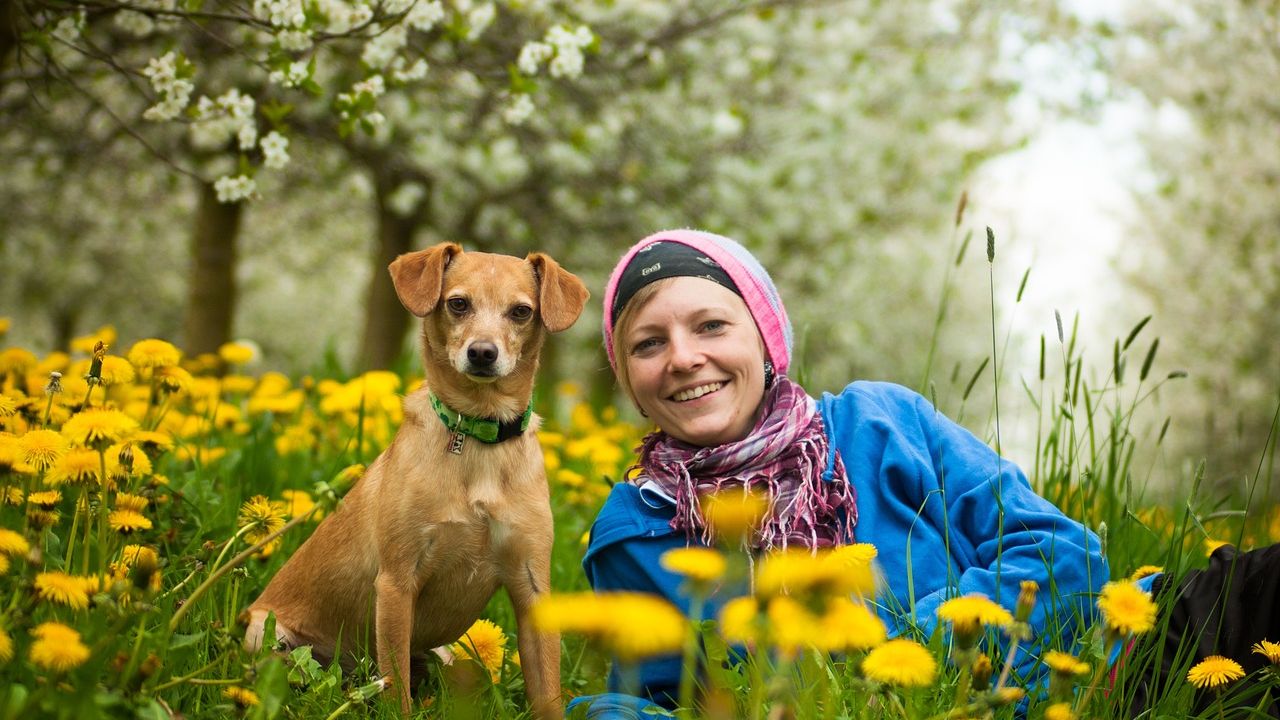
You’re standing in the kitchen making coffee when you feel it. That familiar, persistent pressure against your leg. Your dog has positioned their entire body against you, leaning with what feels like every ounce of their weight. If you dare to move, you’re pretty sure they’ll topple over like a furry domino. It’s adorable, sure, yet you’ve probably wondered what’s really going on in that canine mind of theirs.
The truth is, this seemingly simple behavior carries layers of meaning that most people don’t fully understand. Some of it will make your heart melt. Other parts might surprise you.
It’s a Love Letter Written in Body Language
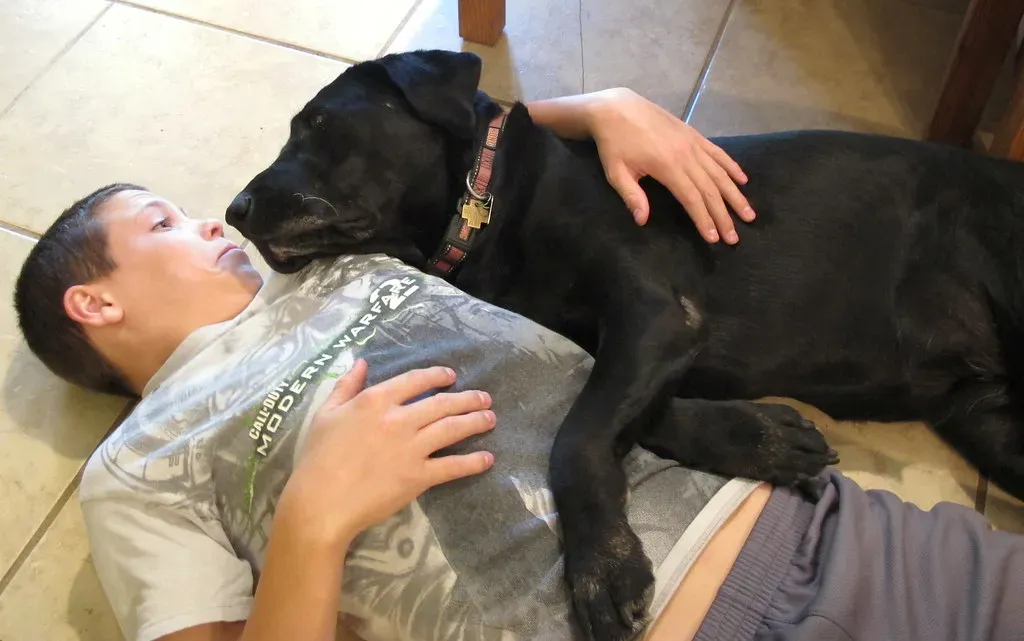
One of the primary reasons dogs lean against us is to express love and affection. Think about it this way: your dog doesn’t have hands to hold yours or arms to wrap around you. Dogs use leaning as an affiliative behavior, and as veterinary behaviorists note, dogs don’t hug, kiss or pet – these are human ways of showing affection.
Physical contact can trigger the release of oxytocin, the love hormone, in both dogs and humans. When your furry companion presses against you, they’re literally bathing both of you in feel-good chemicals. It’s their version of a hug, their way of saying they trust you completely and want to be as close as possible.
The majority of times that your dog leans on you is an expression of affection, with your dog trying to get as close to you as possible. It’s honestly one of the purest displays of devotion you’ll ever receive.
They’re Seeking Comfort When the World Feels Too Big
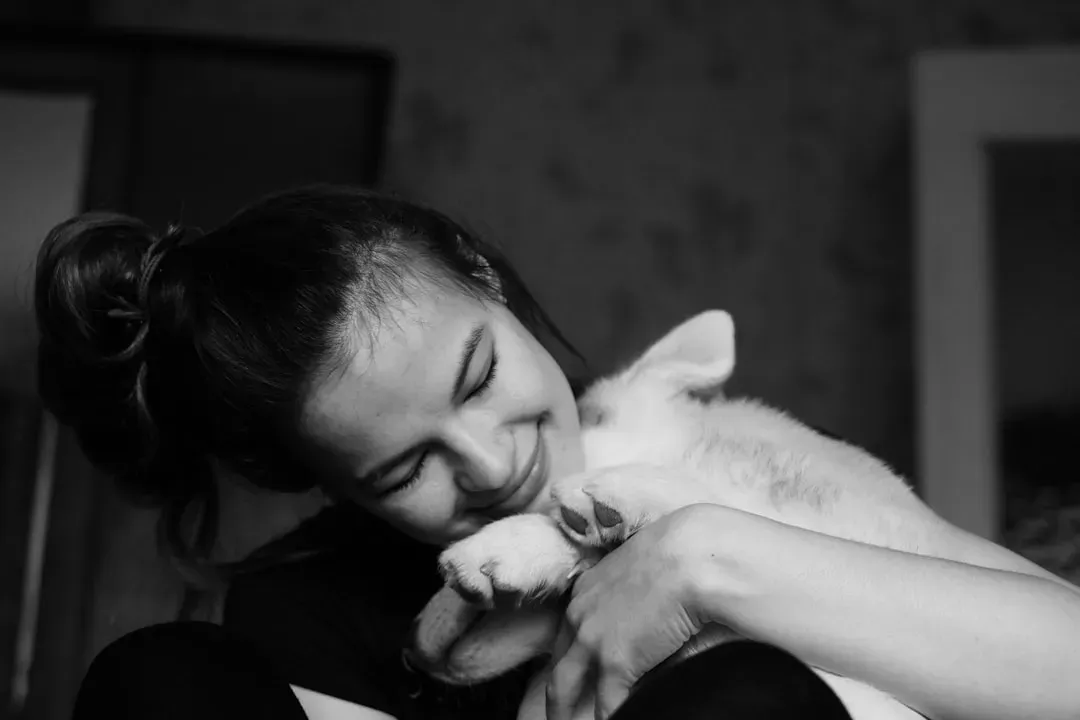
For some dogs, leaning is a way to seek comfort, particularly in unfamiliar or stressful situations, such as during a thunderstorm or when meeting new people. Notice how your dog might lean harder during fireworks or when the vacuum cleaner roars to life? That’s not coincidence.
Anxious dogs require support, so they often lean against their owners, especially in the case of separation anxiety, where the dog is afraid to be alone. Your presence becomes their safe harbor in a storm. Dogs portraying signs of stress such as a lowered tail, tense body, whale eye, pacing, and trembling might lean as a coping mechanism.
If the leaning is paired with drooling, fast breathing, trembling, lowered posture, tucked tail, or ears back, you should address the dog’s emotional state. Context matters enormously here. The lean during a relaxed evening on the couch means something entirely different from the lean at the vet’s office.
Sometimes It’s Simply About Attention
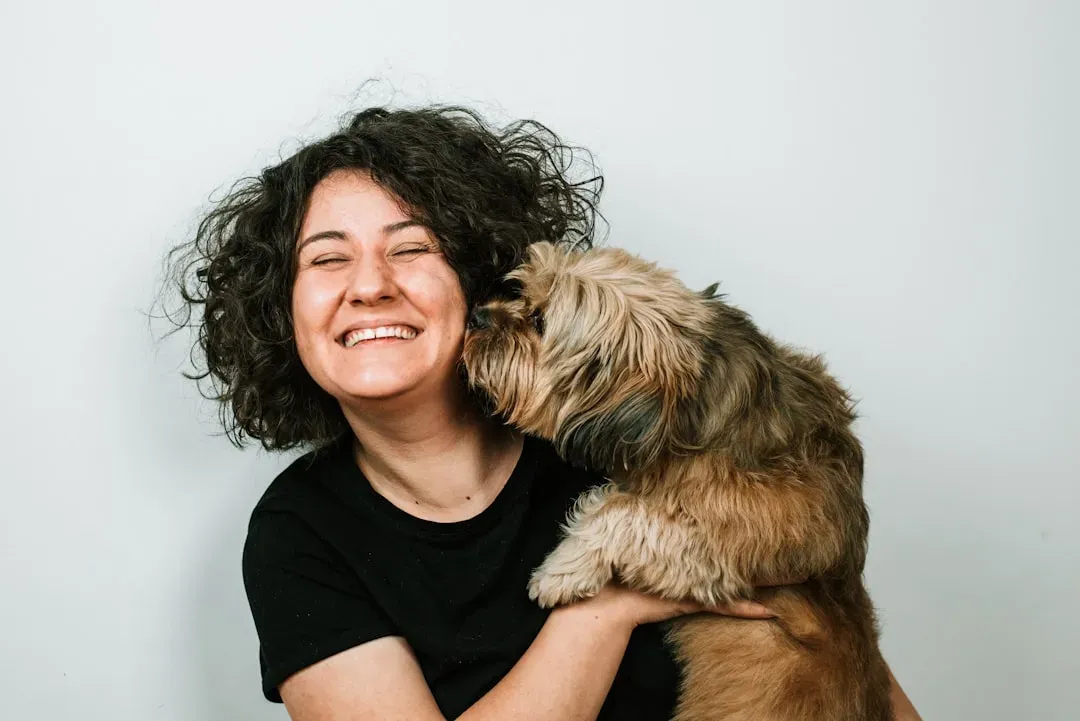
Let’s be real: dogs are clever little manipulators in the best possible way. Dogs are quick learners and often realize that leaning gets them attention from their humans, and if leaning results in pets, treats, or cuddles, your dog may repeat this behavior.
Think about your typical response when your dog leans against you. Do you reach down to scratch behind their ears? Speak to them in that special voice reserved just for them? Congratulations, you’ve been trained.
Dogs do not lean on people in order to be manipulative, but rather because they have learned that we react to their behavior in certain ways, and specific behaviors result in certain responses from us. It’s basic cause and effect. Your dog has figured out that body weight plus your leg equals affection, and honestly, can you blame them for using that knowledge?
What Their Body Language Is Really Telling You
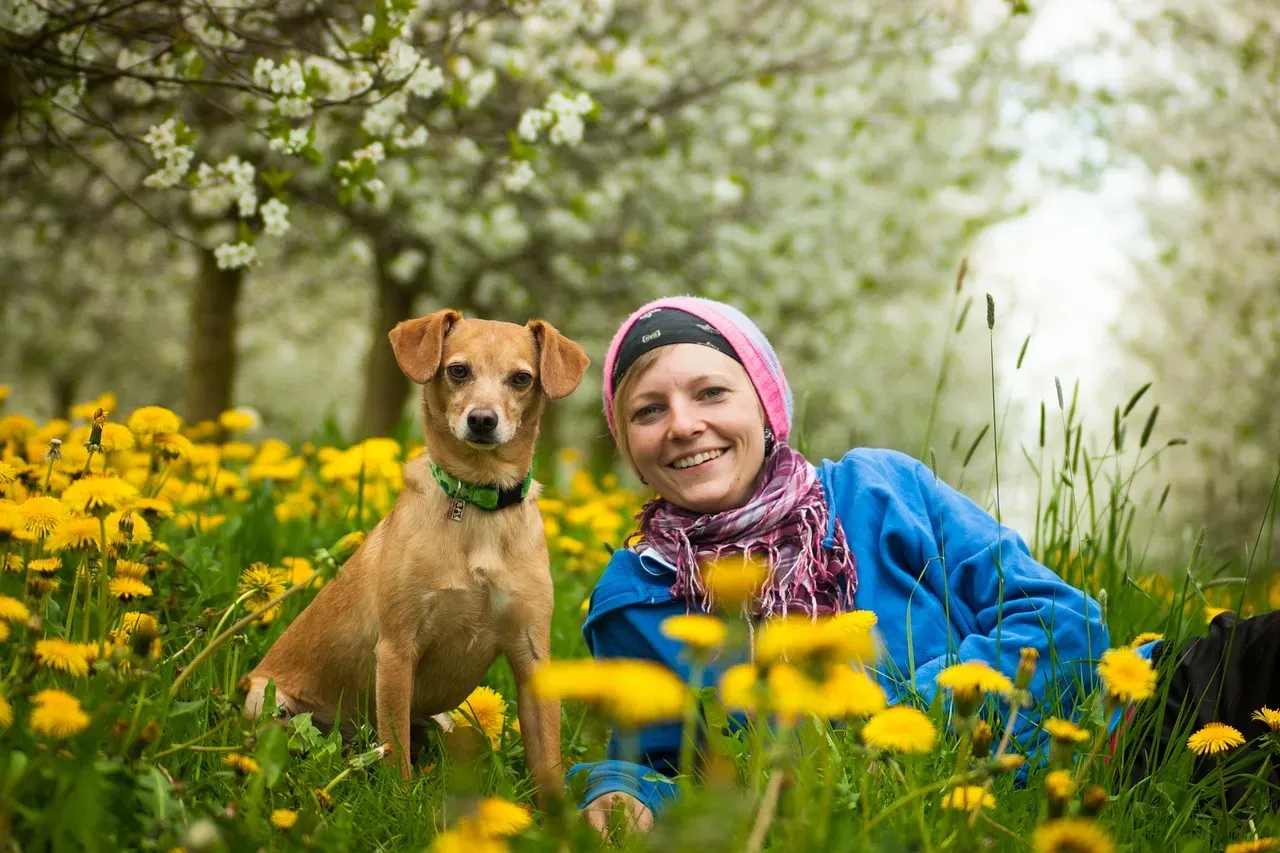
Not all forms of leaning are created equal, and understanding your dog’s body language can provide valuable context. The difference between a relaxed lean and an anxious one comes down to reading the entire picture.
If your dog leans against you with a relaxed body posture, this typically indicates affection and comfort. Look for soft eyes, a gently wagging tail, maybe even that content sigh they do. Conversely, if your dog is tense, with ears pinned back or a tucked tail, the leaning might signal anxiety or fear.
A frightened dog may tuck his tail, while an alert or nervous dog will carry its tail high and possibly wag it vigorously. The environment plays a huge role too. Consider the environment when your dog leans on you; if it happens during stressful situations such as loud noises or unfamiliar guests, your dog might be seeking comfort, whereas leaning while lounging at home is more likely a sign of affection and trust.
When Leaning Becomes a Concern Worth Addressing
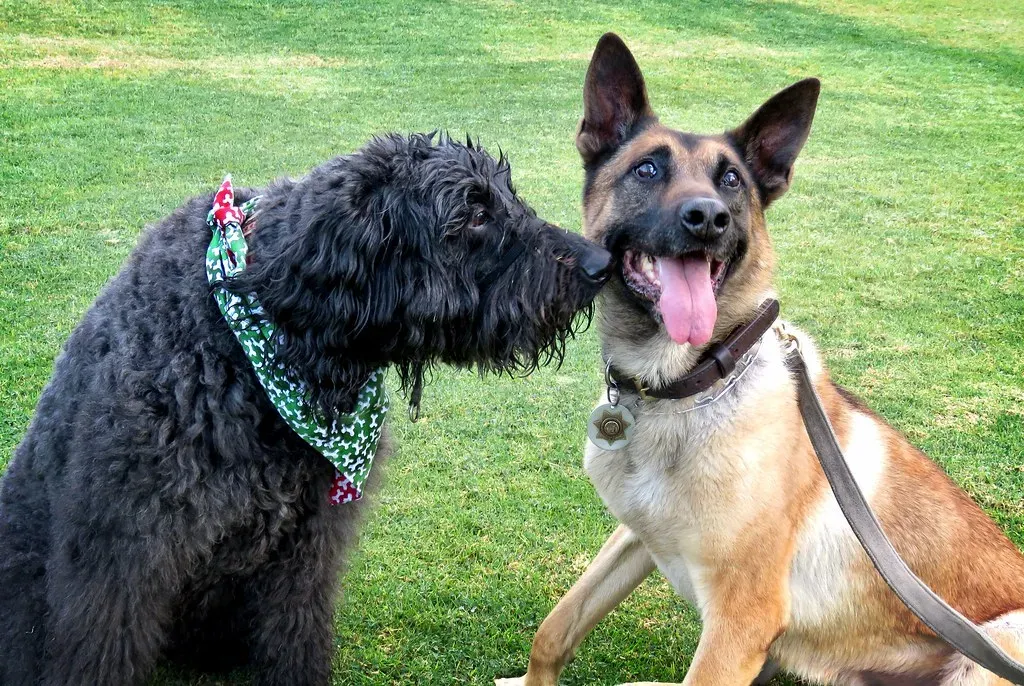
If a dog suddenly starts leaning excessively or the behavior seems out of character, it may be a sign of an underlying issue. I know it sounds alarming, but stay with me here. One potential cause of excessive leaning is pain or discomfort, as dogs may lean against their owners to alleviate pressure on sore joints or muscles, and if a dog is favoring one side of their body or showing other signs of pain, it is important to take them to a veterinarian.
If you feel your dog is unsteady on their feet and leaning on you for support, it’s best to consult your vet. Balance issues, inner ear infections, or neurological problems could manifest as leaning behavior.
The frequency and intensity of the leaning behavior can provide insights, with occasional leaning typically being harmless and affectionate, but if your dog continually leans or follows you around excessively, it may indicate separation anxiety or a need for more confidence-building exercises. Professional help from a trainer or veterinary behaviorist can work wonders for dogs struggling with anxiety. Your dog shouldn’t have to live in a constant state of worry.
Conclusion: Embracing the Lean
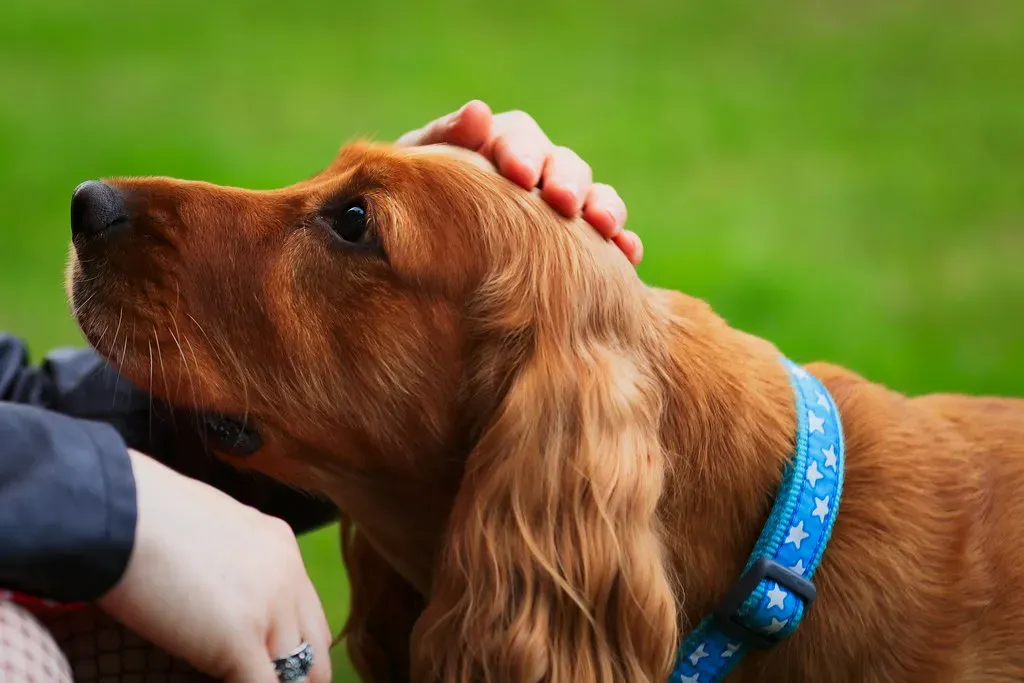
When your dog leans on you, it’s not about neediness – it’s about belonging, meaning you’ve become their source of security and affection, and they trust you enough to relax, to share space, to be still together. In our chaotic, distraction-filled world, that’s something genuinely sacred.
The next time your dog plants themselves firmly against your leg, take a moment to appreciate what they’re really saying. Whether it’s pure affection, a request for comfort, or just their way of making sure you don’t wander off without them, that lean is communication. It’s connection. It’s love in its most uncomplicated form.
What does your dog’s lean mean to you? Have you noticed patterns in when and how they do it? Pay attention, and you might be amazed at what you discover about your four-legged best friend.