
What Your Dog Hears When You Talk To Them (Science Finally Proved It)
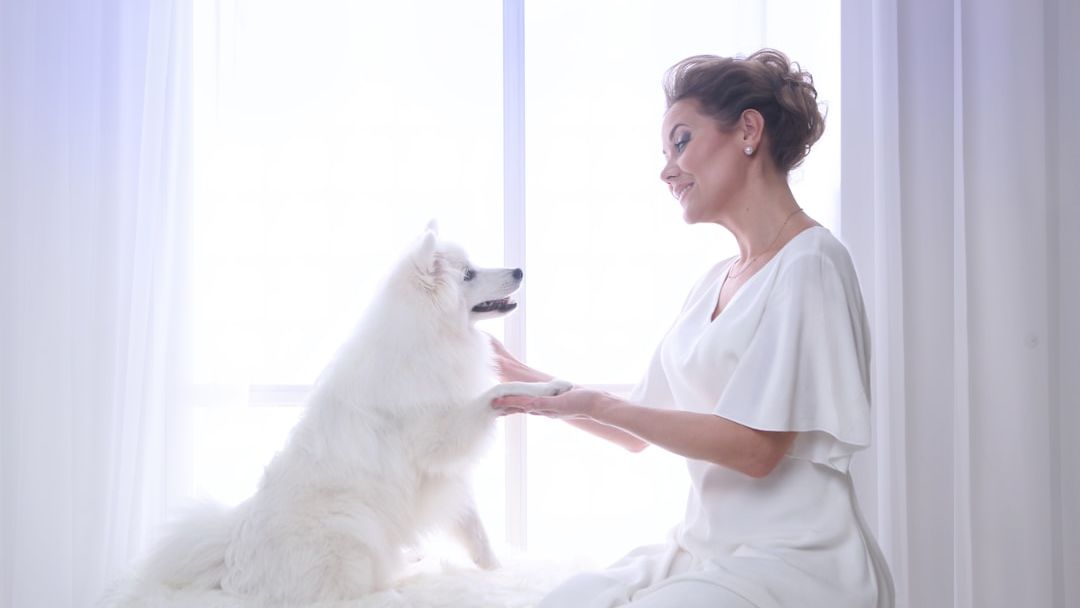
You know that look your dog gives you when you’re rambling about your day? That adorable head tilt, those soulful eyes, the way their ears perk up at certain words? Turns out, they’re not just humoring you. Scientists have finally cracked open the mystery of what’s actually happening inside your dog’s brain when you speak, and honestly, it’s more beautiful and complex than most of us ever imagined.
For years, we assumed dogs responded mainly to our tone of voice. The “good boy” delivered in a flat voice versus an excited one seemed to tell the whole story. We thought they were reading our emotions rather than processing language itself. Yet recent breakthroughs in canine neuroscience reveal something extraordinary: dogs are genuinely listening to our words, dissecting them in ways that mirror human language processing. They’re not just picking up on whether you sound happy or annoyed. They’re decoding actual meaning, separating vocabulary from emotion, and doing it all with brain structures surprisingly similar to ours.
They Process Words and Tone in Separate Brain Regions

Dogs process what we say and how we say it in remarkably similar ways to human brains, separating the meaning of words from intonation, with the left hemisphere processing meaning while the right hemisphere analyzes intonation. Think about that for a moment. Your dog isn’t just hearing sounds when you speak.
Dogs use the left hemisphere of their brain to interpret words, whether it’s praise or not, and the right hemisphere to interpret intonation, whether the voice is excited or not. This hemispheric division is the same neurological architecture humans use for language processing. It’s almost like discovering your best friend speaks a language you didn’t know they understood.
The reward pathway in dogs’ brains lit up when they heard both praising words and an approving intonation, but not when they heard random words in a praising tone or praise words in a flat tone. So yes, your dog really does know when you’re faking enthusiasm.
Your Dog Recognizes Actual Words, Not Just Sound Patterns
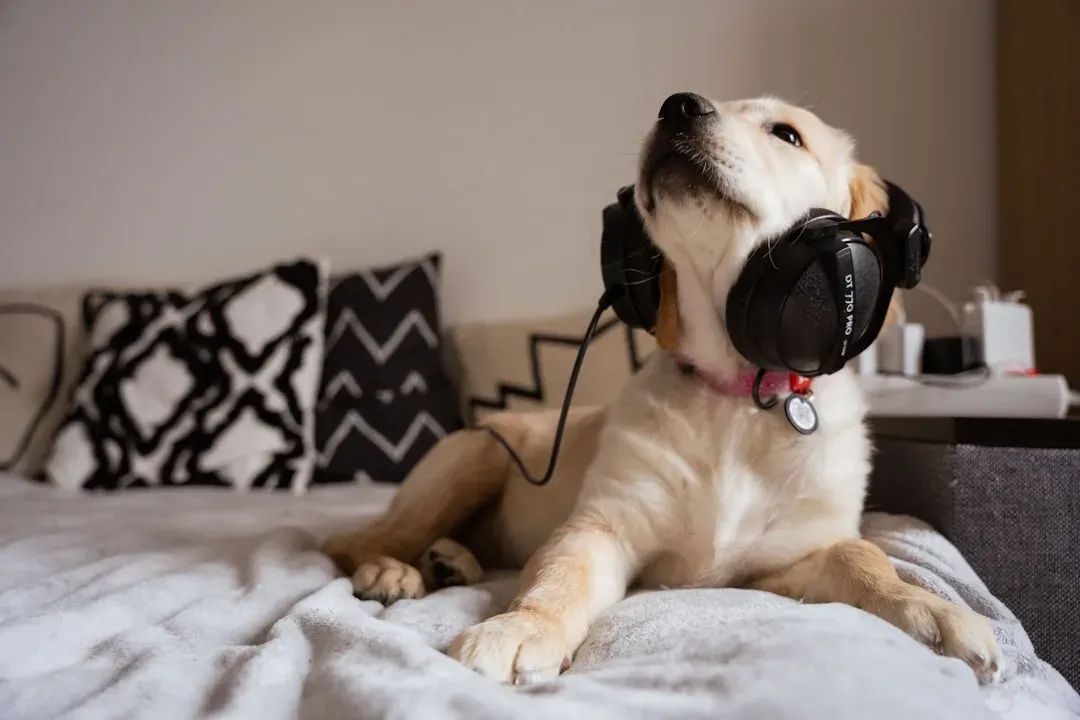
Here’s where it gets really interesting. Dogs showed a comparable EEG response to humans when hearing mismatched words and objects, and these findings suggest that upon hearing words, dogs activate corresponding mental representations, indicating a capacity for referential understanding. This means when you say “ball,” your dog’s brain conjures up a mental image of an actual ball.
Dogs demonstrated neural evidence for auditory novelty detection in human speech, showing greater activation in parietotemporal cortex to novel pseudowords relative to trained words, processing human speech at least to the extent of differentiating words they have heard before from those they have not. They’re building a vocabulary, storing it, and retrieving it when needed.
Research shows dogs can learn surprisingly large vocabularies. Dogs can learn and remember a surprising number of words, especially those frequently repeated in specific contexts, and Border Collies like Chaser, who reportedly knew over 1,000 words, have wowed researchers with their vocabulary. Most family dogs won’t reach those numbers, but they’re definitely absorbing more than we give them credit for.
They Can Distinguish Languages and Speech Naturalness

This one absolutely floors me. Researchers found that dogs’ brains can distinguish between the human language they’re familiar with and a foreign language, with brain scans showing different activity patterns to a familiar and an unfamiliar language that were consistent across all dogs. Your dog knows whether you’re speaking English, Spanish, or Hungarian.
Bilateral auditory cortical regions represented natural speech and scrambled speech differently in dogs, and distinct activity patterns were found for two languages in the secondary auditory cortex and precruciate gyrus, with a greater difference in responses in older dogs, indicating a role for the amount of language exposure. The longer they live with you, the more attuned they become to the specific rhythms and patterns of your language. It’s like they’re soaking up linguistic information every single day.
Even more remarkably, dogs consistently responded to commands when exposed to a stream of speech containing both relevant commands and irrelevant information all spoken in a flat tone, and they could absolutely find their name when presented in a monotone way and buried in a stream of irrelevant speech. They’re not just waiting for that excited voice. They’re actively listening, parsing through the noise to find what matters.
Emotional Prosody Gets Processed Differently Than Words

Let’s be real, tone still matters enormously. A subcortical auditory region showed both short and long term fMRI adaptation for emotional prosody, but not for lexical markedness, while multiple cortical auditory regions found long term fMRI adaptation for lexically marked compared to unmarked words. Basically, your dog’s brain processes the emotion in your voice quickly and instinctively in deeper, older brain structures.
Dogs’ brains showed different sorts of activity based on whether the sounds they heard, whether from humans or dogs, were happy or sad in tone, and when they listened to happy sounds, certain areas of their auditory cortex consistently showed more activity than when they heard crying. This explains why they respond so immediately to changes in your emotional state. That processing happens fast, below conscious thought.
Dogs performed more successfully in conditions involving potentially relevant auditory cues, meaningful content with dog directed intonation, by a socially relevant human companion like the owner. The combination of the right words, the right tone, and the right person creates the perfect communication cocktail for your dog.
What This Means for Your Daily Conversations
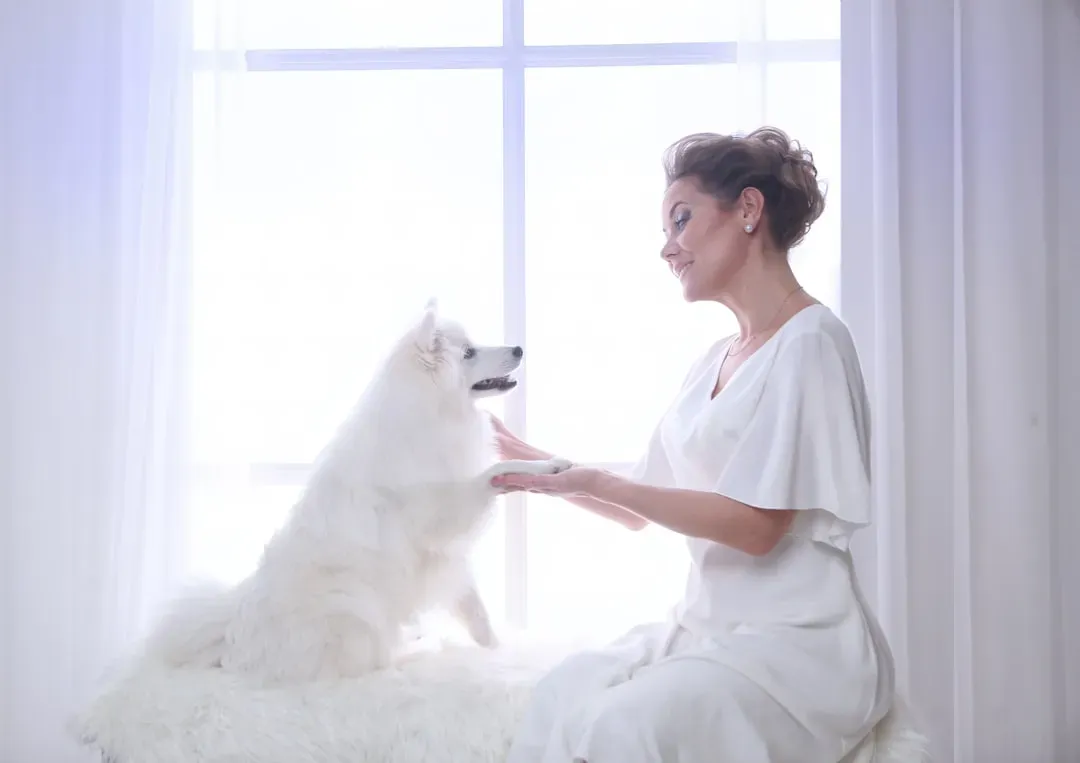
So what do you do with this knowledge? First, talk to your dog more. Really talk. They’re listening in ways we’re only beginning to understand. Dogs are listening to us all the time and can pick out their name, but they will pay more attention if you give them both cues. Use their name with genuine enthusiasm, and you’ve got their full attention.
Be consistent with your vocabulary. If you call the same object different names, you’re making it harder for your dog to build those mental representations. Pick your words and stick with them. Dogs thrive on patterns and repetition, not because they’re simple, but because that’s how they learn.
Here’s something worth remembering: your dog knows when you’re being genuine. Dogs only recognized a praise word as actual praise when the intonation matched, with the pleasure center lighting up when told well done in an excited voice, but remaining dark when a praise word was said in a monotone voice. You can’t fake your way through this relationship. They’ll know.
Watch how your dog responds to different words and tones. You’ll start noticing patterns. Maybe they perk up at specific vocabulary even when you’re not directly addressing them. Pay attention to that. It tells you what they’ve learned and what matters to them. It’s a window into their inner world.
The more we learn about canine cognition, the more we realize these aren’t just pets responding to conditioning. They’re sophisticated listeners with genuine language processing abilities. Natural and artificial selection for understanding human communication has shaped brain regions involved in speech perception in dogs, with functional neuroimaging identifying canine temporal regions as key for linguistic representation. Evolution itself has wired them to understand us.
Conclusion

The next time you catch yourself chattering away to your dog, don’t feel silly. They’re genuinely processing your words, separating meaning from tone, recognizing familiar language patterns, and responding to the emotions behind your voice. Science has validated what dog lovers have always suspected: our dogs really do understand us, perhaps better than we understand ourselves sometimes.
What’s truly remarkable isn’t just that they can do this, it’s that they want to. They’re actively listening, constantly learning, building neural pathways dedicated to decoding human communication. That head tilt isn’t confusion. It’s concentration. It’s your dog working hard to bridge the species gap, meeting you halfway in a conversation millions of years in the making.
So what do you think? Does this change how you’ll talk to your dog from now on?