
Why Your Dog Cries When They See You After Just One Hour Apart
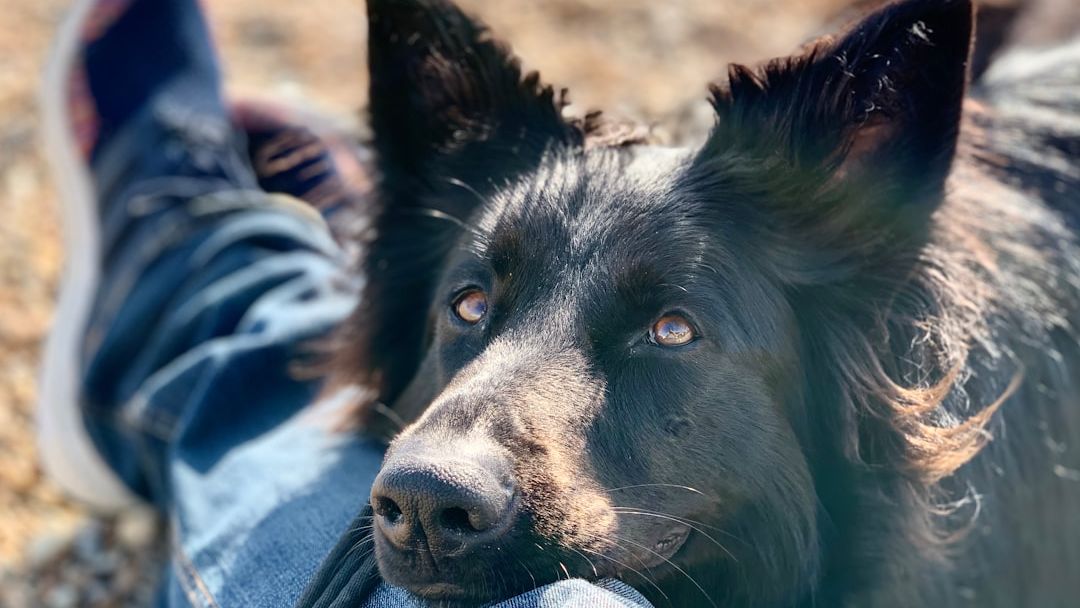
You walk through the door after a quick trip to the grocery store, maybe an hour gone if that. Before you can even set the bags down, there’s your dog, whimpering and whining like you’ve returned from a year-long expedition to Antarctica. The tail’s wagging so hard it might take flight, the eyes are glossy, and those little cries tug straight at your heartstrings.
It’s enough to make you wonder what’s really happening in that furry head. Is it pure joy? Anxiety? Something deeper? The truth is surprisingly complex and beautifully simple all at once.
The Science Behind Those Emotional Reunions
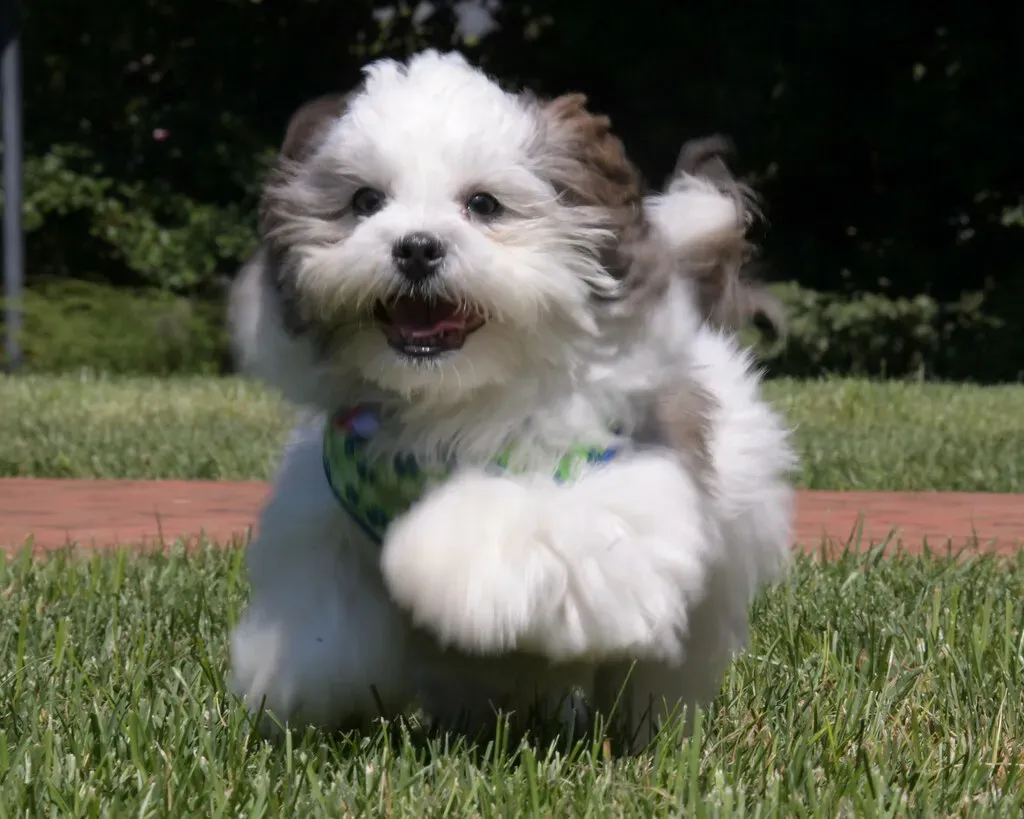
Let’s be real, your dog isn’t just happy to see you. There’s actual chemistry at play here. Research has shown that dogs produce about ten percent more tears when reunited with their owners after five to seven hours of separation, and this isn’t just coincidence.
Oxytocin enhances social motivation to approach and affiliate with conspecifics and human partners, which constitutes the basis for the formation of any stable social bond. When you walk through that door, your dog’s brain releases oxytocin, often called the bonding hormone. It’s the same chemical that floods a mother’s system when she gazes at her newborn.
Think about that for a second. Your dog experiences a hormonal rush similar to what humans feel during their most intimate bonding moments. Human-dog interactions elicit the same type of oxytocin positive feedback loop as seen between mothers and their infants. So when your pup cries upon seeing you, it’s not melodrama. It’s biochemistry proving that the bond between you runs deeper than simple companionship.
Your Dog Sees You as Their Entire World
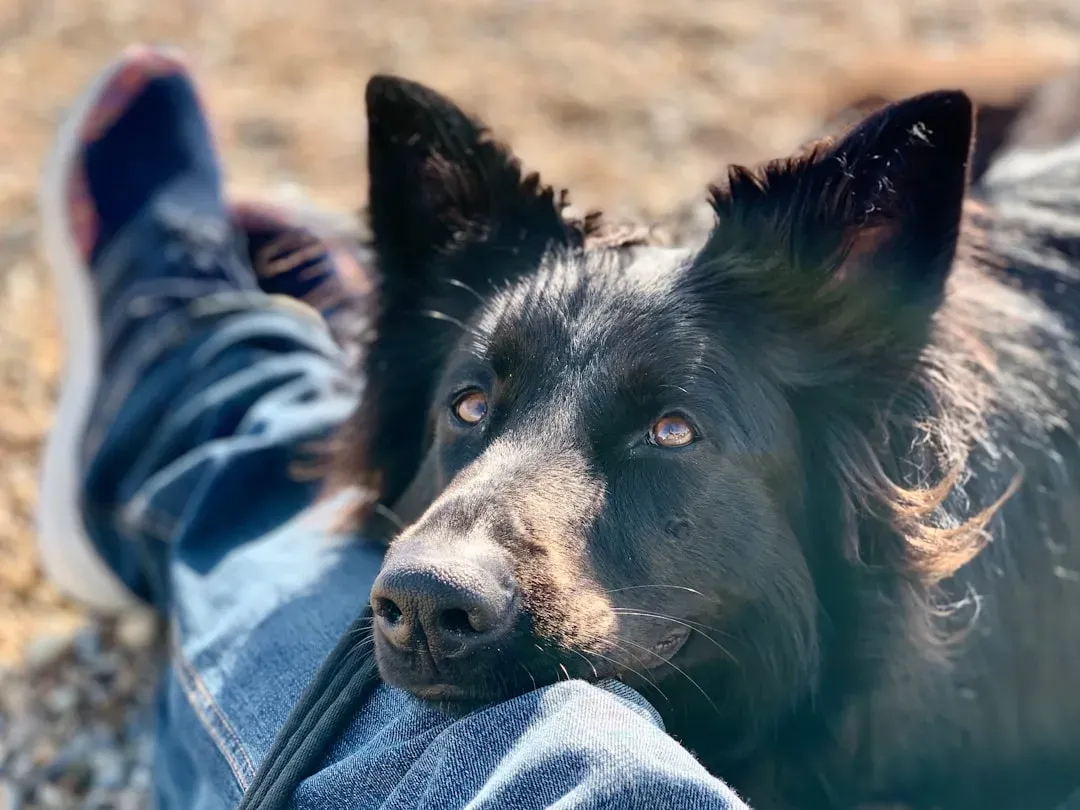
Dogs would spend every minute of their day with their owners if it was up to them, and when their owner leaves, it causes uncertainty, anxiety and sadness. Here’s the thing most people don’t fully grasp about dogs: they’re pack animals to their core. That domesticated fluffball sleeping on your couch? Their instincts still tell them that being separated from the pack is dangerous.
Your canine companion sees you as its world, its pack member, its family and the source of everything interesting and amazing. When you leave, even for an hour, your dog doesn’t understand you’re coming back with milk and eggs. They just know their favorite person vanished and the world feels a little less safe.
Those cries when you return? They’re pure relief mixed with overwhelming joy. You weren’t eaten by a predator. You came home. Everything’s okay again.
The Fine Line Between Joy and Separation Anxiety
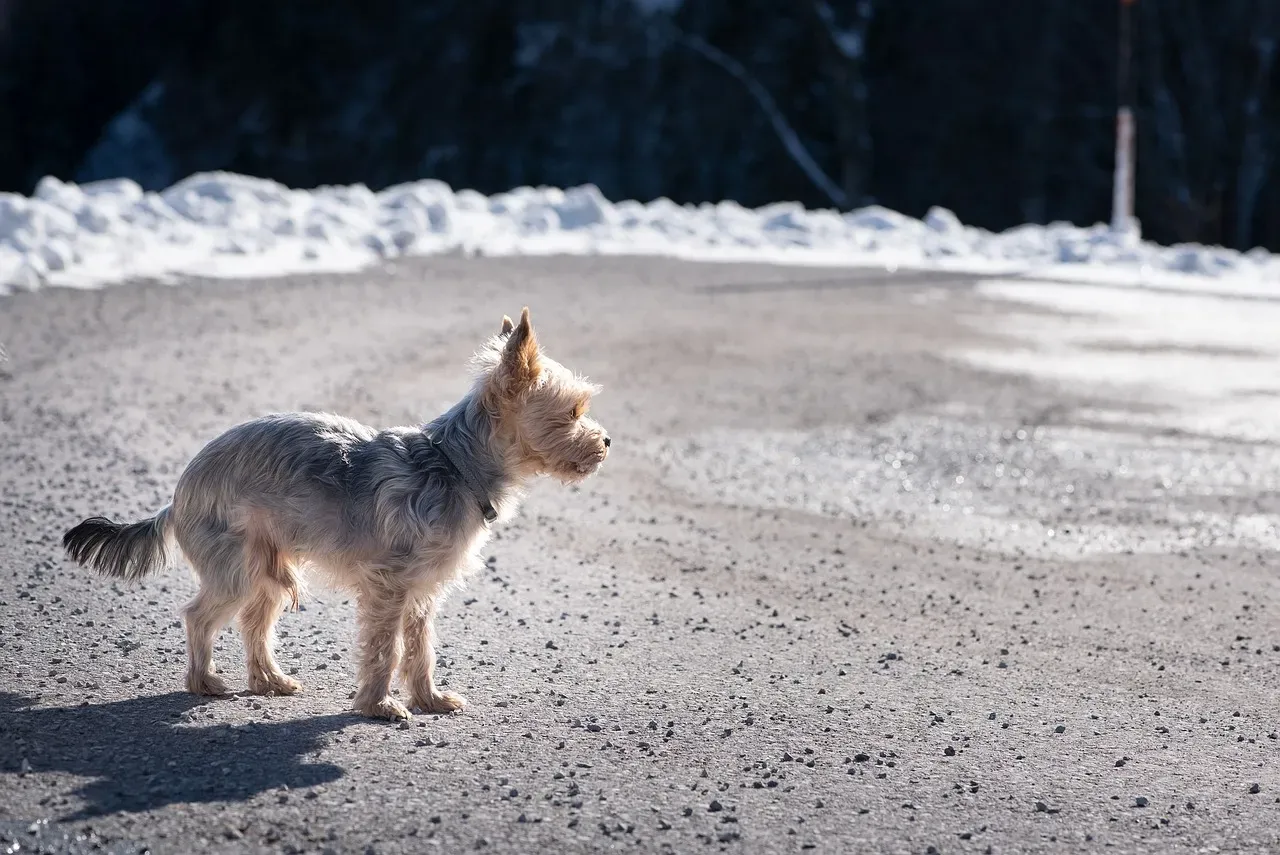
Now, not all crying is created equal. Separation anxiety is when your dog exhibits extreme stress from the time you leave them alone until you return, acting as if they are terrified to be in the house on their own. Most dogs will show some excitement when you return, but there’s a difference between happy wiggles and genuine distress.
Dogs with separation-related problems often show signs of excessive attachment to their owners, following them around when they are home, and when their owners are preparing to leave the house. If your dog shadows you to the bathroom, whines when you grab your keys, and becomes frantic before you even leave, you might be dealing with more than simple affection.
According to a 2022 study, eleven percent of dogs showed signs of distress when left alone. Watch for accompanying behaviors like destructive chewing, house soiling despite being trained, or non-stop barking that goes beyond a few excited yelps.
What Those Cries and Whines Really Mean

This behaviour is particularly common when you return home after being away for some time, as they associate your arrival with joy and companionship. Dogs vocalize for multiple reasons, and context matters enormously. A few excited whimpers while doing a full-body wiggle? That’s greeting behavior fueled by genuine happiness.
Dogs are vocal animals and use their barking, howling, and crying to communicate with you, and when you leave the house your dog cries because it doesn’t want you to leave him alone and wants you to know that. It’s their language, their way of saying everything from “I missed you” to “please don’t leave again” to “this is the best moment of my entire day.”
Sometimes the crying comes with physical cues worth noting. A lowered head, tucked tail, or crouched posture might signal appeasement or submission rather than pure excitement. Your dog might be trying to tell you they were worried or uncertain while you were gone.
How to Support Your Dog’s Emotional Needs
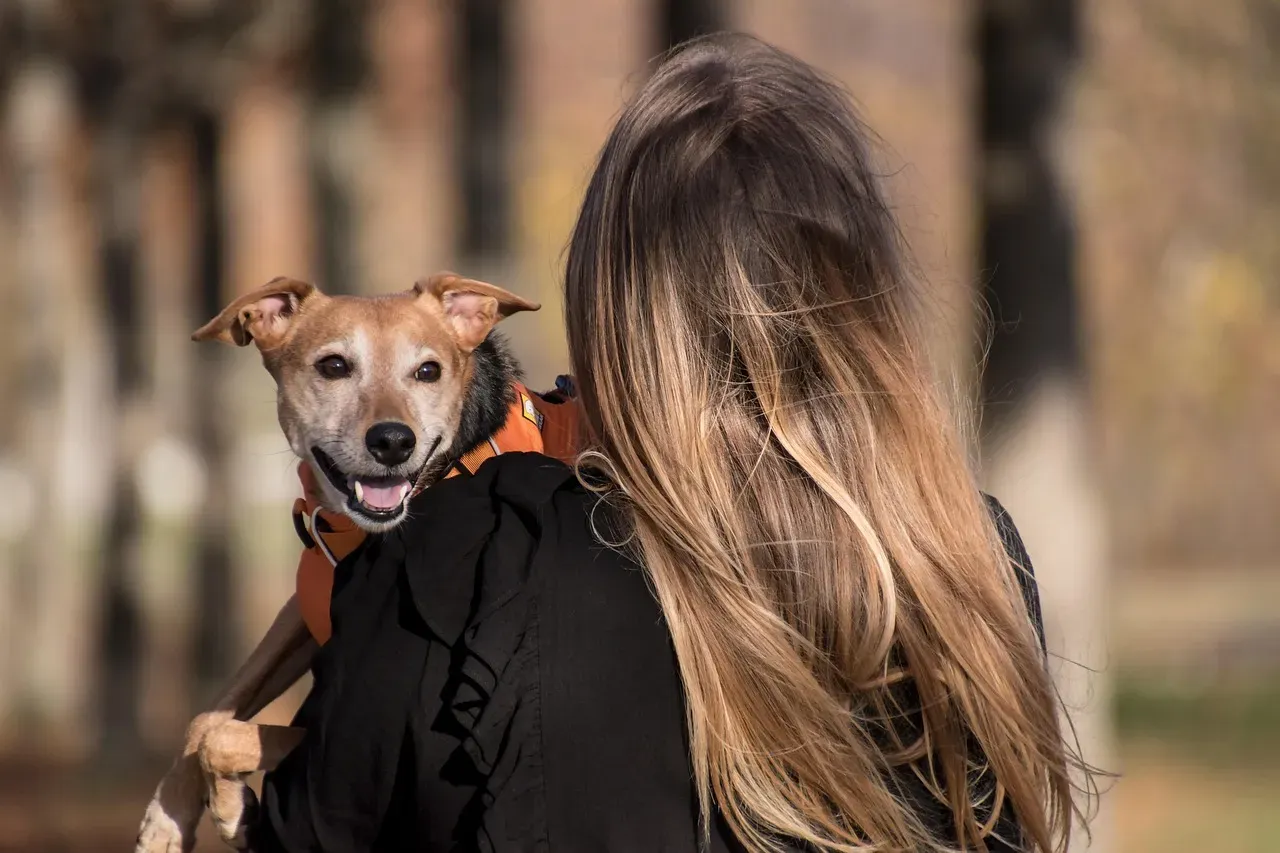
Understanding why your dog cries is one thing. Helping them feel more secure is another. All greetings should be conducted in a very calm manner, giving your dog a pat on the head and saying hello, then not paying more attention until they’re calm and relaxed. I know it’s hard when those adorable eyes are staring up at you, but staying calm teaches your dog that departures and arrivals are no big deal.
Tiring out your dog physically and mentally is the best tool for managing anxiety, including long walks with new routes and plenty of sniffing, followed by puzzle toys or long-lasting treats. A mentally stimulated dog is a confident dog. Before you leave, even for short trips, make sure they’ve had exercise and enrichment.
Consider the power of routine too. Dogs thrive on consistency, so even a change in routine can unsettle their sense of stability and security. Predictable schedules help your dog understand that your departures are temporary and normal.
When to Seek Professional Help
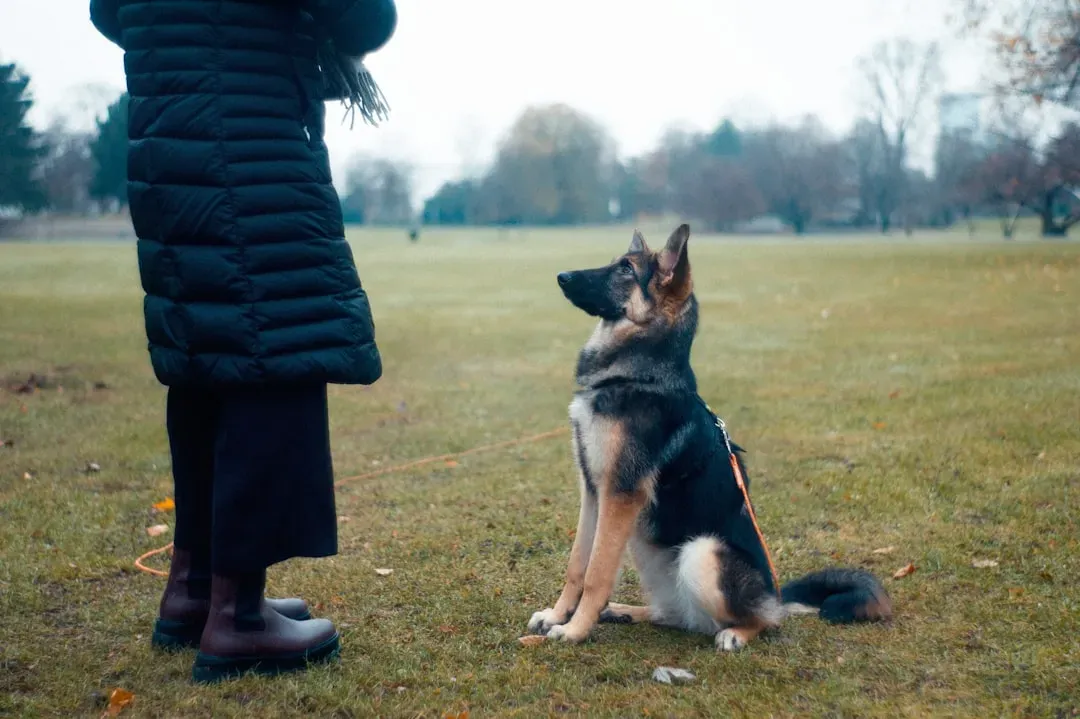
Most dogs crying at reunions are simply expressing love and relief. However, if the behavior escalates or includes destructive actions, it might be time for expert guidance. Working with a professional dog trainer can help, as they can assess your pet’s behavior and develop a personalized training approach to address separation anxiety.
Your veterinarian should be your first stop. Tests including blood work and hormone panels can rule out other conditions, since symptoms are often vague and may be attributed to underlying disease, such as pain from arthritis manifesting as restlessness. Don’t assume it’s purely behavioral before getting a health check.
In severe cases where dogs harm themselves or cause significant destruction, medication combined with behavior modification can make a real difference. There’s no shame in seeking help. Your dog’s mental wellbeing matters just as much as their physical health.
The next time you walk through the door and hear those emotional cries, remember you’re witnessing something remarkable. That reaction isn’t just habit or excitement. It’s proof of a bond that transcends species, rooted in evolution, hormones, and genuine affection. Your dog cries because you matter that much to them. Their whole world lights up the moment you return.
What do you think? Does your dog greet you with tears and whimpers, or are they the strong, silent type? Every dog shows love differently, but isn’t it something special knowing the science backs up what we’ve always suspected? They really do love us that much.