
The Way You Pet Your Dog Could Be Making Them Uncomfortable Without You Knowing
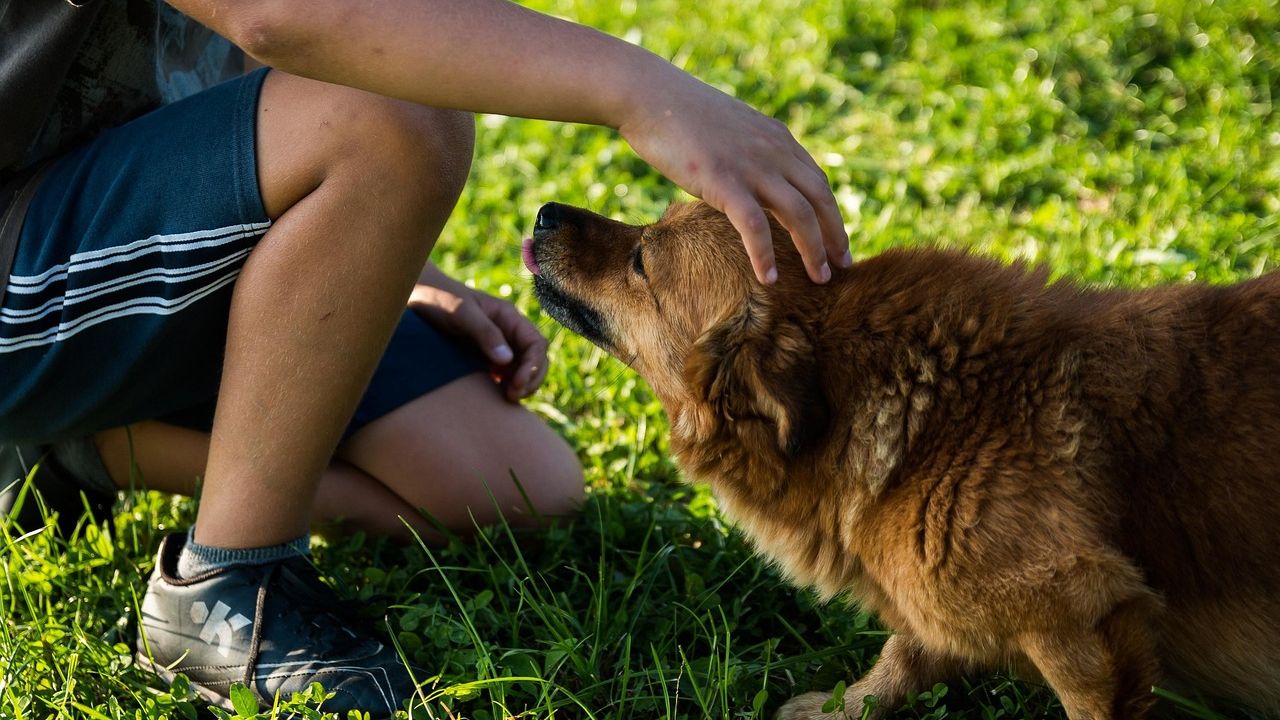
We love our dogs fiercely, and showing them affection through touch feels like the most natural thing in the world. Reaching down to ruffle those ears, giving a quick pat on the head, or pulling them in for a tight squeeze seems harmless enough. After all, they wag their tails sometimes, right?
Here’s the thing, though. That wagging tail doesn’t always mean what you think it means. Dogs have their own language, and while they’re incredibly patient with us humans, they’re constantly telling us things we might be missing. The way you’re petting your dog, even with the best intentions, might actually be stressing them out or making them anxious. Let’s dig into what your pup is really trying to tell you.
That Head Pat You Always Give? Your Dog Might Actually Hate It
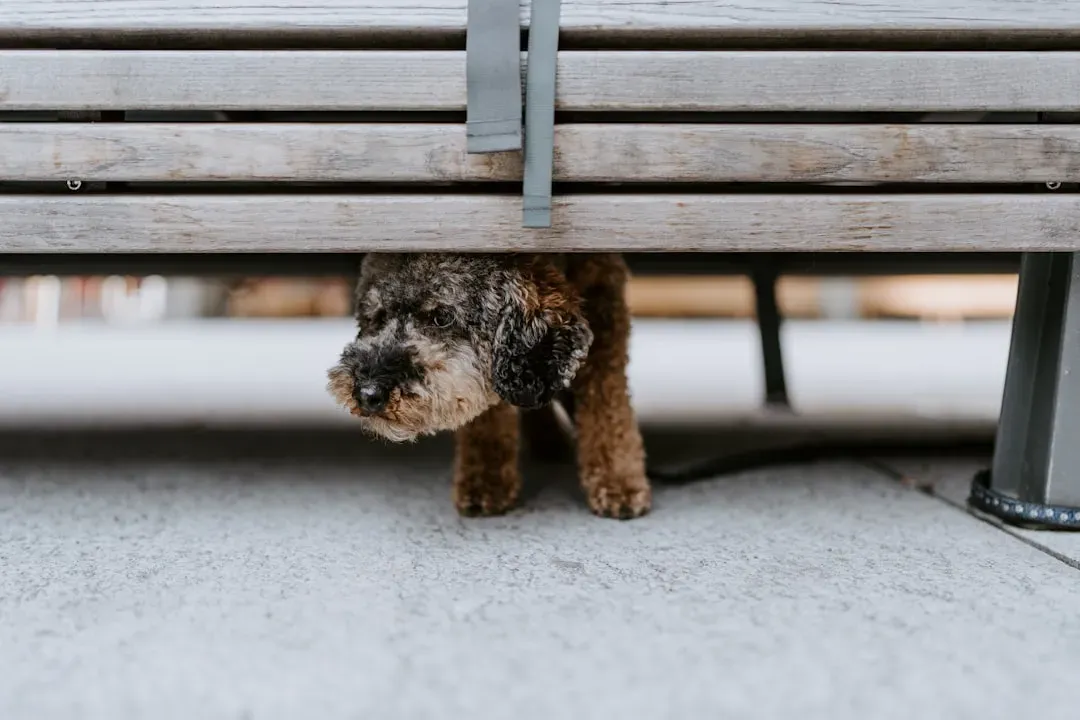
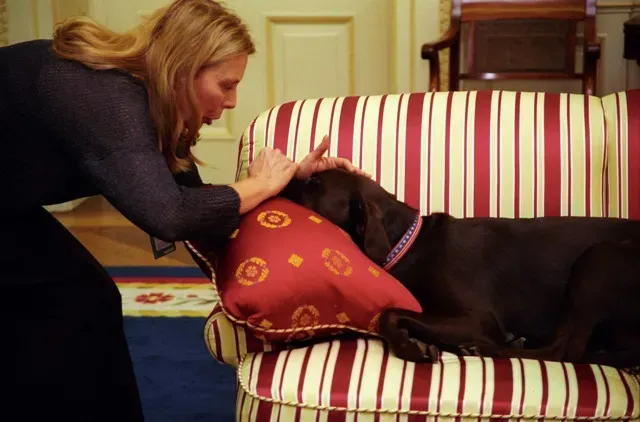
This one catches almost everyone off guard. Dogs don’t like the top of their head being patted because when people stroke a dog’s head they often go in over the top, temporarily blinding the dog, and honestly, think about it from their perspective. A hand suddenly coming down from above their field of vision can feel a bit threatening. They can’t see what’s happening, and for many dogs, this triggers uncertainty or mild stress.
Many dogs do not like to be pet on top of the head by strangers, because a hand reaching toward their head can be perceived as a threatening gesture. By reaching under the dog’s head, you’re sending a message that you’re not a threat. Even your own dog, who trusts you completely, might simply tolerate the head pat rather than enjoy it. Watch their reaction next time. Do they duck away slightly? Do their eyes get a little wider? Those are subtle hints they’d prefer you pet them somewhere else.
Reading The Signs Your Dog Is Saying “No Thanks”
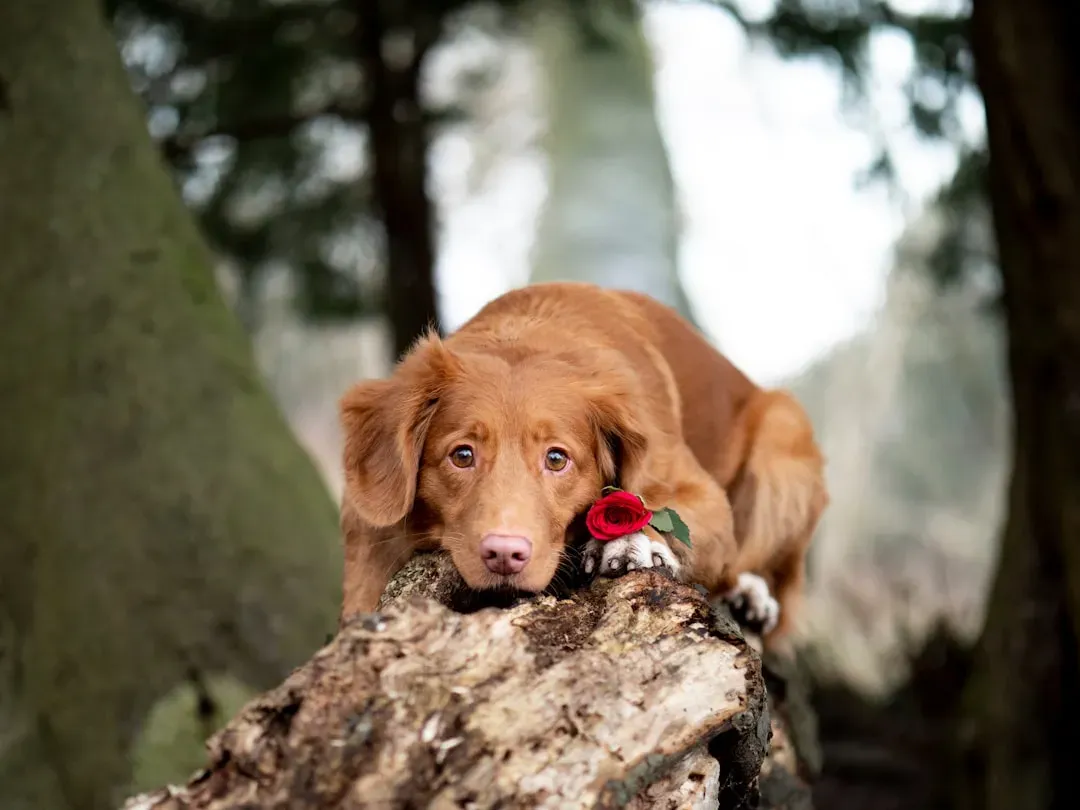
If the dog stiffens, moves away, or shows signs of discomfort like yawning or lip licking, stop petting immediately. These behaviors aren’t random. They’re your dog’s way of communicating stress or discomfort, and we need to listen with our eyes. The problem is, many of us have been conditioned to think all dogs always want affection, all the time.
If your dog turns their head or body away from you when you try to pet them, they’re probably not interested. Heavy blinking when hands are approaching can mean a dog is uncomfortable with the angle of approach, and it’s best to avoid this. Other red flags include looking away, leaning back, pinning ears flat against their head, or that classic whale eye where you can see the whites of their eyes. These signals are polite requests for space, but if we ignore them repeatedly, dogs may escalate to growling or snapping because their earlier messages went unheard.
I know it sounds crazy, but even lip licking when there’s no food around is often a stress signal. People yawn when they’re tired or bored, but dogs yawn when they’re stressed, and according to experts, dogs use yawning to calm themselves in tense situations. Pay attention to the context. If your dog yawns while you’re petting them, pause and give them a break.
The Sweet Spots Where Dogs Actually Want Your Touch
Let’s be real, dogs do love affection, but they have preferences about where and how. The chest is a great place for a dog to be stroked, especially inside those little hollows, and it’s a safe non-confrontational place to touch a dog as you’re not crowding them, and they can see what you’re doing. This makes such a difference because your dog can watch your hand approach, which removes that element of surprise and potential threat.
Dogs enjoy some calming long strokes on their ears because their ears have thin skin with a high blood flow and a lot of nerve endings, so they are highly sensitive and endorphins are released when you stroke them. The base of the neck, the shoulders, and under the chin are also generally safe bets. Some dogs absolutely love a good scratch at the base of their tail, though others find that area too sensitive, so always watch for feedback.
What about belly rubs? Well, that’s complicated. Your dog’s tummy is not only a very sensitive area, but they also often roll on their backs as an appeasement gesture where they’re saying no, please stop, I’m not a threat. So that belly exposure might not be an invitation at all. It could be a sign of submission or even mild anxiety. If your dog is truly relaxed, loose, and wiggly when they roll over, then sure, go for it. If they seem tense or stiff, back off.
Areas You Should Probably Avoid Altogether
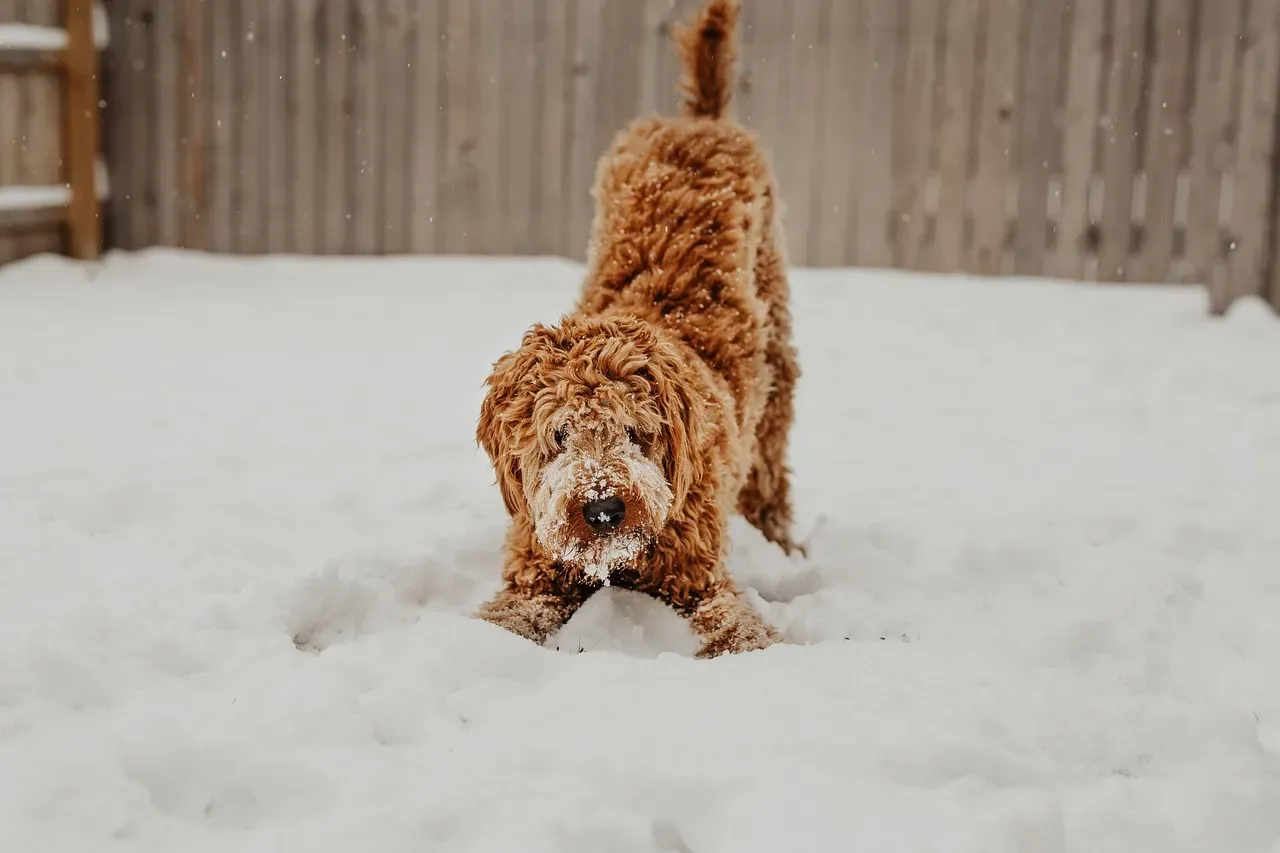
In general, it’s a good idea to avoid petting or grabbing a dog’s tail, feet, legs, head and ears, especially if the dog doesn’t know you well. Dogs don’t typically like their tails being touched and stroked because not only is it very sensitive, but it can also be somewhere that dogs get pulled on, which creates negative associations. The same goes for paws and legs. Many dogs are protective of these areas, and touching them can make your pup feel vulnerable or defensive.
Research found that petting a dog on its paw, back, using a hand to cover its muzzle and holding the dog on the ground or by the collar may risk the human-animal bond. Basically, anything that feels like restraint or that involves sensitive, vulnerable body parts should be approached with extreme caution or avoided unless your dog has been gradually conditioned to accept it.
How To Pet Your Dog The Right Way
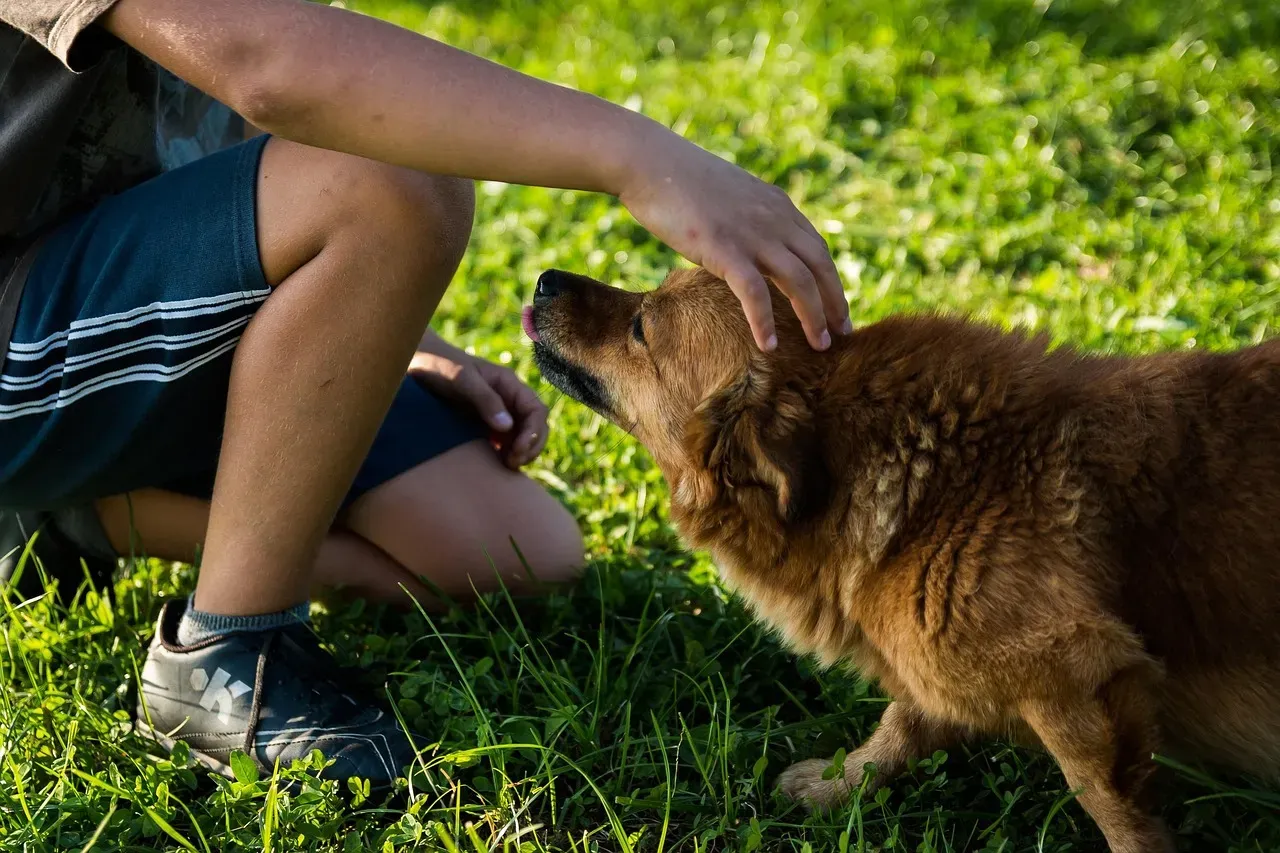
Always give your dog a choice and get their consent before you touch them. That means asking your dog to come to you, rather than approaching them. Pet your dog lightly with one hand, then once more, then pause. This simple pause is everything. It’s called a consent test, and it tells you whether your dog wants more or would rather you stop.
If your dog leans into you, nudges your hand, or stays close and relaxed, that’s a clear yes. If they walk away, turn their head, or just stand there without engaging, respect that boundary. Research shows that as long as the dog consents to it, petting reduces the stress hormone cortisol in dogs, and the social interaction increases their oxytocin levels. So the right kind of petting, at the right time, genuinely benefits both of you. The key is making sure it’s truly wanted.
Dogs may be more receptive to strokes versus short pats on their body, as strokes can be soothing, whereas having hands touch the body on and off repeatedly can be annoying and intrusive. Think long, slow, gentle strokes rather than rapid patting. Your dog will appreciate the difference.
Conclusion
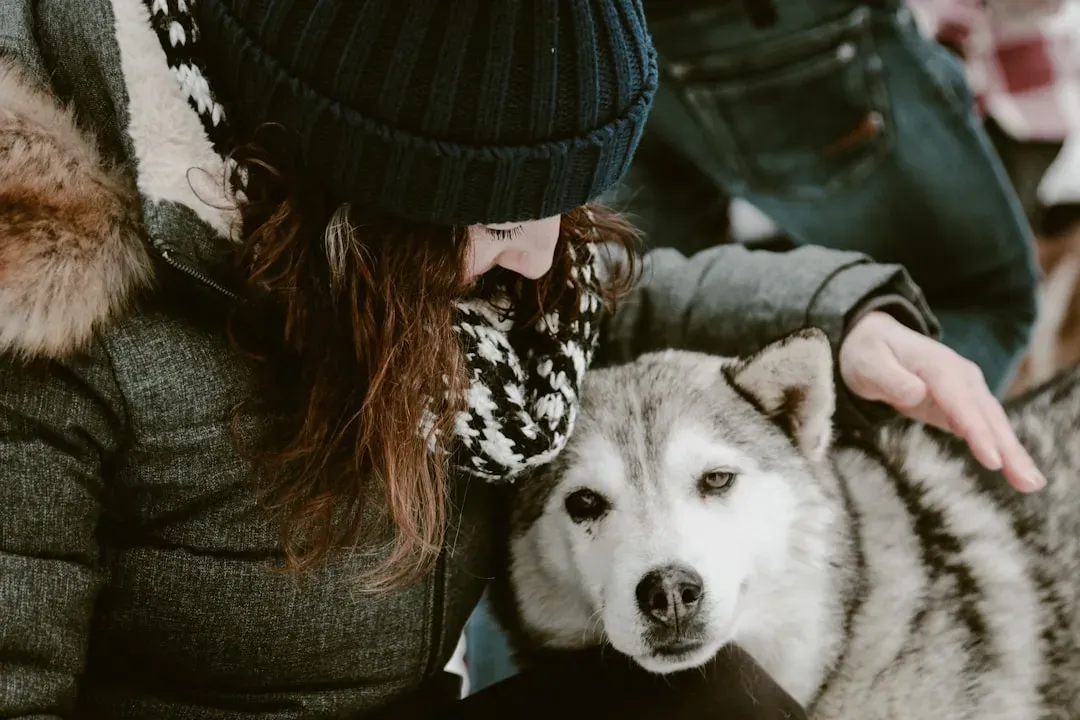
At the end of the day, learning to pet your dog properly isn’t about following rigid rules. It’s about tuning into what your individual dog is telling you through their body language. Some dogs are total cuddle bugs who’ll take affection anywhere, anytime. Others are more reserved and selective. Neither is wrong, and both deserve our respect.
The beautiful part? When you start paying closer attention, your bond with your dog deepens in ways you wouldn’t expect. You’ll notice the little things, the soft eyes when they’re happy, the relaxed sigh when you hit that perfect scratching spot, the way they lean their whole weight into you when they feel safe. That’s the magic of truly understanding your best friend.
What’s one thing you learned today that surprised you about how your dog likes to be touched? Give it a try and see how they respond. You might be amazed at the difference it makes.