
You’ve felt it before. That moment when you look up from your coffee, or from scrolling on your phone, and your dog is already watching you. Not just glancing in your direction, either. I mean really watching. Eyes locked onto yours with an intensity that seems to pierce right through to your soul. It feels like devotion, doesn’t it? Like you’re the center of their universe. Honestly, you’re not wrong. Something extraordinary is happening between you and your dog in those moments, something that goes far beyond simple eye contact. What you’re sharing is a biological love letter written in chemicals, hormones, and thousands of years of evolution.
The Oxytocin Loop: A Biological Love Bomb Exploding Between You
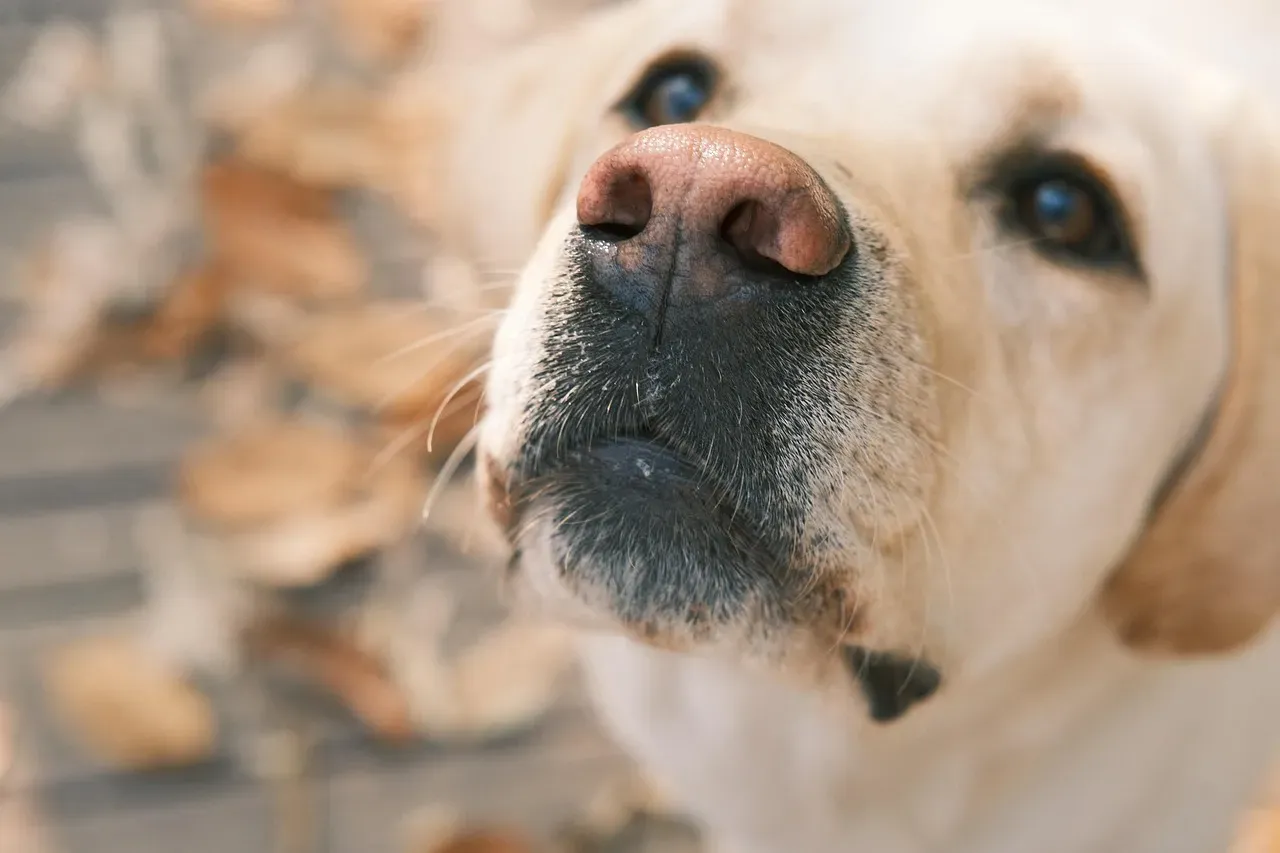
Here’s the thing. When your dog gazes at you, this behavior increases urinary oxytocin concentrations in both you and your dog. Oxytocin is often called the love hormone, and it’s the same chemical that floods a new mother’s brain when she looks at her baby. Dogs that spent the greatest amount of time looking into their owners’ eyes experienced a 130% rise in oxytocin levels, while owners saw a 300% increase.
Think about that for a second. Your body is responding to your dog’s gaze the exact same way it would respond to a human infant. These findings support the existence of an interspecies oxytocin-mediated positive loop facilitated by gazing. It’s a feedback loop, really. Your dog stares at you, your oxytocin spikes, you feel warm and fuzzy, you gaze back with affection, your dog’s oxytocin rises, they stare longer. Round and round it goes.
This isn’t just feel-good science either. When oxytocin was administered to dogs through a nasal spray, it increased gazing behavior in dogs, which in turn increased urinary oxytocin concentrations in owners. The chemical creates the behavior, and the behavior creates more of the chemical. It’s a self-perpetuating cycle of connection.
They Hijacked Our Parenting System (And We’re Thrilled About It)
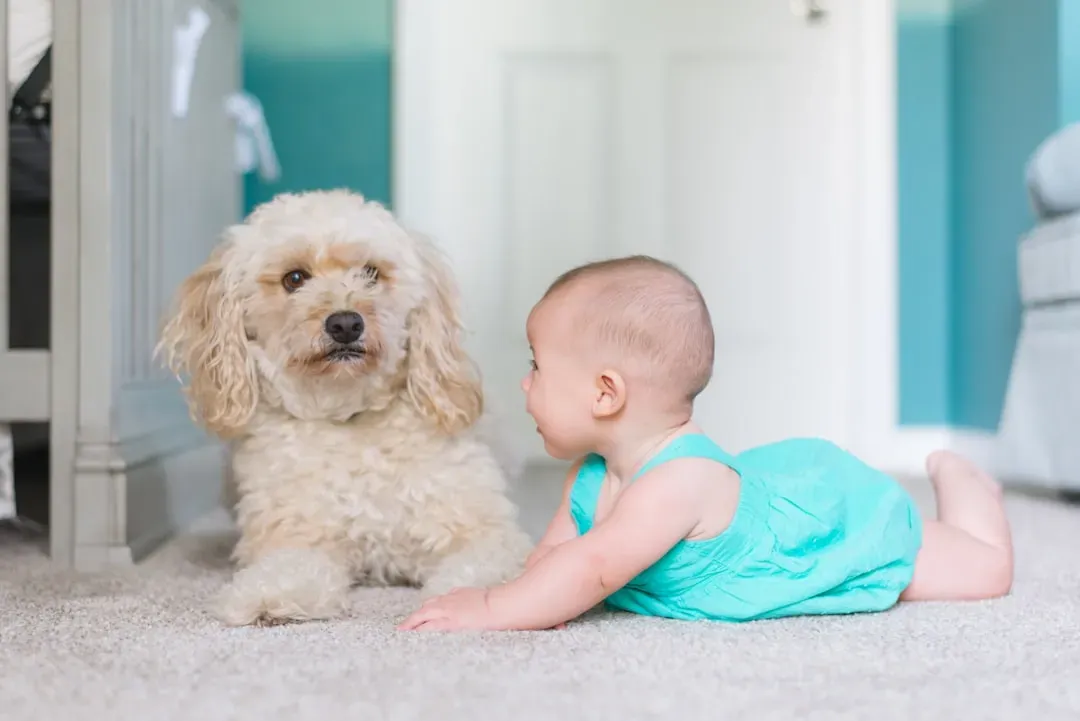
When a mother stares into her baby’s eyes, the baby’s oxytocin levels rise, causing the infant to stare back, which causes the mother to release more oxytocin in a positive feedback loop that creates a strong emotional bond. Dogs somehow tapped into that exact same system. They basically found the secret entrance to our hearts and walked right in.
What makes this even more remarkable is that wolves don’t do this. Wolves do not use mutual gaze as a form of social communication with humans, as they tend to use eye contact as a threat among their own kind and avoid human eye contact. Your dog isn’t just an animal looking at you for food or guidance. They’ve evolved a completely new way of communicating that specifically works on us.
Over the course of domestication, there was likely strong selection for dogs that could elicit a bond with the owner, and evolution used the neural mechanisms already in place to create mother-infant bonds. Let’s be real, that’s both beautiful and a little bit sneaky.
What Your Dog Is Actually Telling You Through That Stare
Not every stare is the same, though. Most of the time dogs are either communicating with us or waiting for us to communicate with them. Your dog might be watching you because they’ve learned to read your routines like a book. Dogs quickly learn that their owners pick up the leash before taking them on a walk, so they watch for that signal.
Affection and attachment rank among the most common reasons dogs stare, as they find comfort and pleasure in the presence of their attachment figures and gazing maintains that sense of connection. Sometimes it’s pure love. Sometimes it’s anticipation. Dogs are master observers of human behavior.
There’s also the communication angle. Dogs use something called gaze alternation when they want something, looking at you, then at a ball or toy that is out of reach, then at you again, asking you to help them get it. It’s hard to say for sure, but your dog has likely figured out that staring at you gets results. They’re not manipulating you exactly – they’re just very good students of cause and effect.
Dogs are able to distinguish emotional facial expressions from neutral ones and happy faces from angry ones, even when shown only photographs, likely due to the intimate bond humans and dogs have evolved. They’re reading you constantly, trying to understand your mood and intentions.
When The Stare Means Something Different
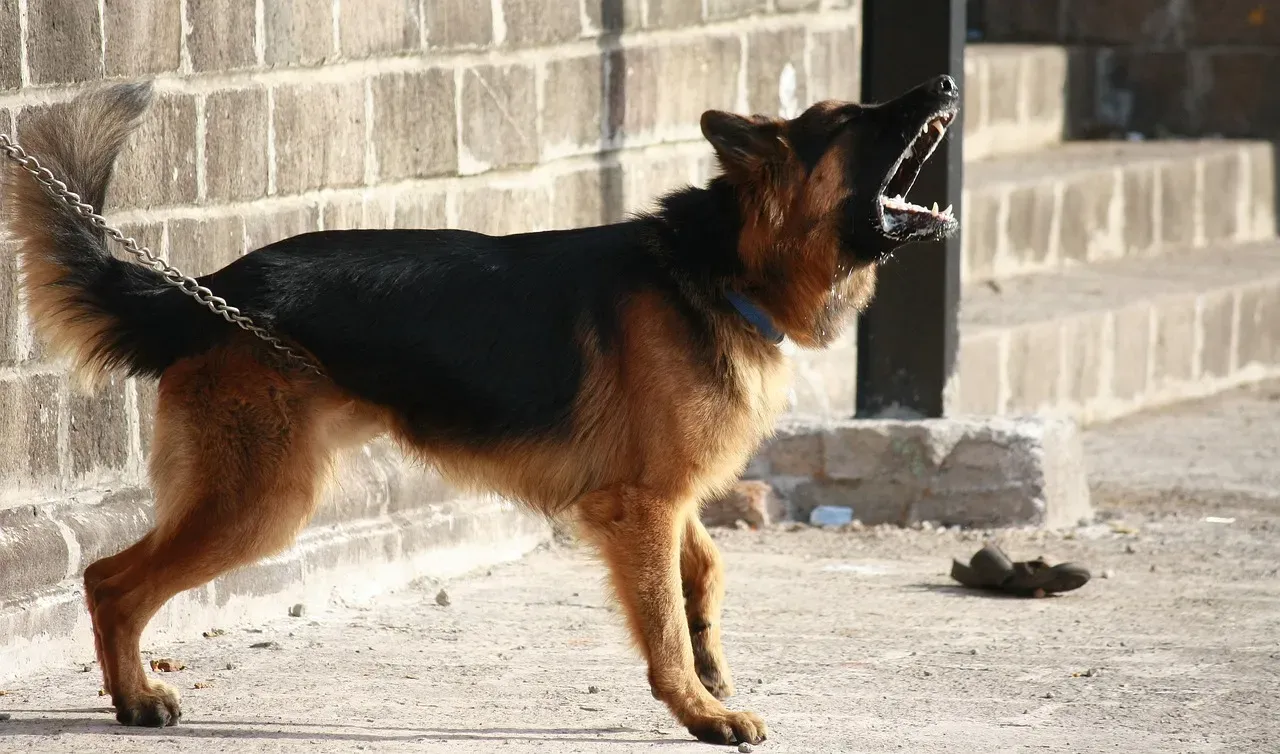
I know it sounds crazy, but not all staring is about love and bonding. Context matters tremendously. Staring or holding eye contact may indicate that a dog is fearful, anxious, or uncomfortable in some way. A hard stare that accompanies a rigid posture or stiffened tail precedes more intense behaviors such as growling, lunging, and biting.
This is especially important around unfamiliar dogs. Dogs can perceive direct eye contact from unfamiliar people as a threatening gesture. So that loving gaze your own dog gives you? It would be threatening if you tried it with a strange dog at the park.
Pay attention to the whole picture. Is your dog’s body relaxed? Are their eyes soft? That’s affection. Are they stiff, with visible whites of their eyes? That’s stress or a warning. The eyes tell the story, but the rest of the body provides the context.
How To Strengthen The Bond Through Eye Contact
Dogs trained with positive reinforcement methods learn to love training and wait eagerly for signs it’s time to play the training game. You can actually use eye contact as a training tool to deepen your connection. Rewarding your dog for making calm, gentle eye contact teaches them that looking at you is valuable.
Don’t force it, though. You shouldn’t hold your dog’s head to force eye contact, as dogs might interpret it as a threat and react accordingly. Let it happen naturally. When your dog looks at you with soft eyes, acknowledge it. Talk to them gently. Give them a treat or a scratch behind the ears.
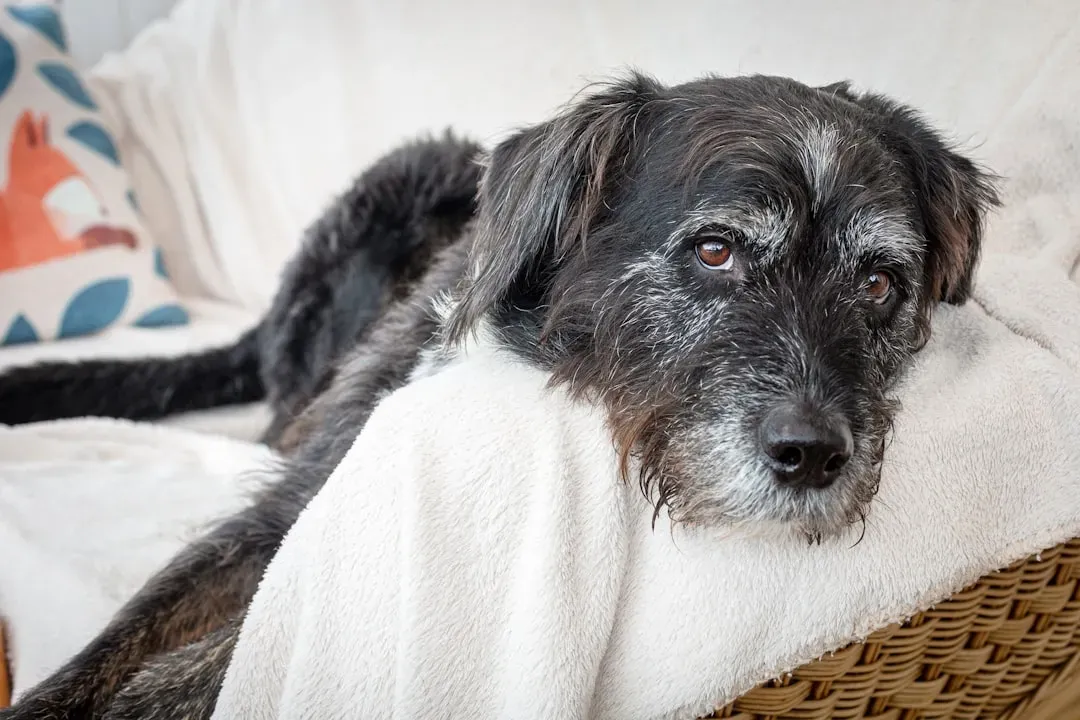
The magic happens in those quiet moments. When you’re sitting together on the couch and your dog rests their head on your lap and looks up at you, that’s the oxytocin loop firing on all cylinders. You’re both bathing in feel-good hormones, strengthening a bond that’s unlike any other relationship in the animal kingdom.
Some dogs are naturally more “gaze-y” than others, and that’s okay. What matters is recognizing these moments for what they truly are – a sophisticated form of interspecies communication that your dog has inherited from thousands of years of living alongside humans.
Your dog’s unwavering stare is more than just a request for food or a walk, though it might start that way. It’s a chemical conversation, a biological bridge between two different species that somehow learned to love each other. This gazing behavior brought on social rewarding effects due to oxytocin release in both humans and dogs and deepened mutual relationships, leading to interspecies bonding. Next time your dog locks eyes with you and refuses to look away, remember you’re not just being watched. You’re being loved in the most scientifically profound way imaginable. What do you think – does it change how you see those everyday moments with your pup?


