

You’ve seen it happen countless times. You pull up the driveway, and there’s your pup, pressed against the glass like they’ve been waiting at that exact spot for hours. Melts your heart every single time, doesn’t it? We all assume our dogs are simply longing for our return, counting down the minutes until we walk through that door.
Here’s the thing, though. That window gazing habit runs so much deeper than simple separation anxiety or devoted loyalty. Sure, they love you – don’t worry about that – but their relationship with that window spot is actually a complex cocktail of instinct, mental health management, and deeply embedded evolutionary wiring. Let’s be real, your dog isn’t just staring into space daydreaming about your arrival. Their brain is working overtime, processing information in ways that might surprise you.
They’re Running Their Own Security System

Dogs are pack animals with a natural inclination to guard their territory, and honestly, they take that job incredibly seriously. The window acts as a surveillance post where they can monitor everything happening within what they consider their domain.
They see your home and yard as their space, and they feel a responsibility to guard it. Looking out the window allows them to survey their territory and identify any potential intruders or unusual activity. Think about it from their perspective – every mail carrier, delivery driver, and passing dog represents a potential situation that requires assessment.
This tendency to monitor the perimeter is stronger in some breeds, particularly those with guarding backgrounds (like German Shepherds, Rottweilers, or Border Collies). Even if your sweet Labrador seems gentle as a lamb, those protective instincts are still humming quietly in the background, making that window perch feel like a mission-critical duty station.
It’s Free Entertainment (And They Really Need It)
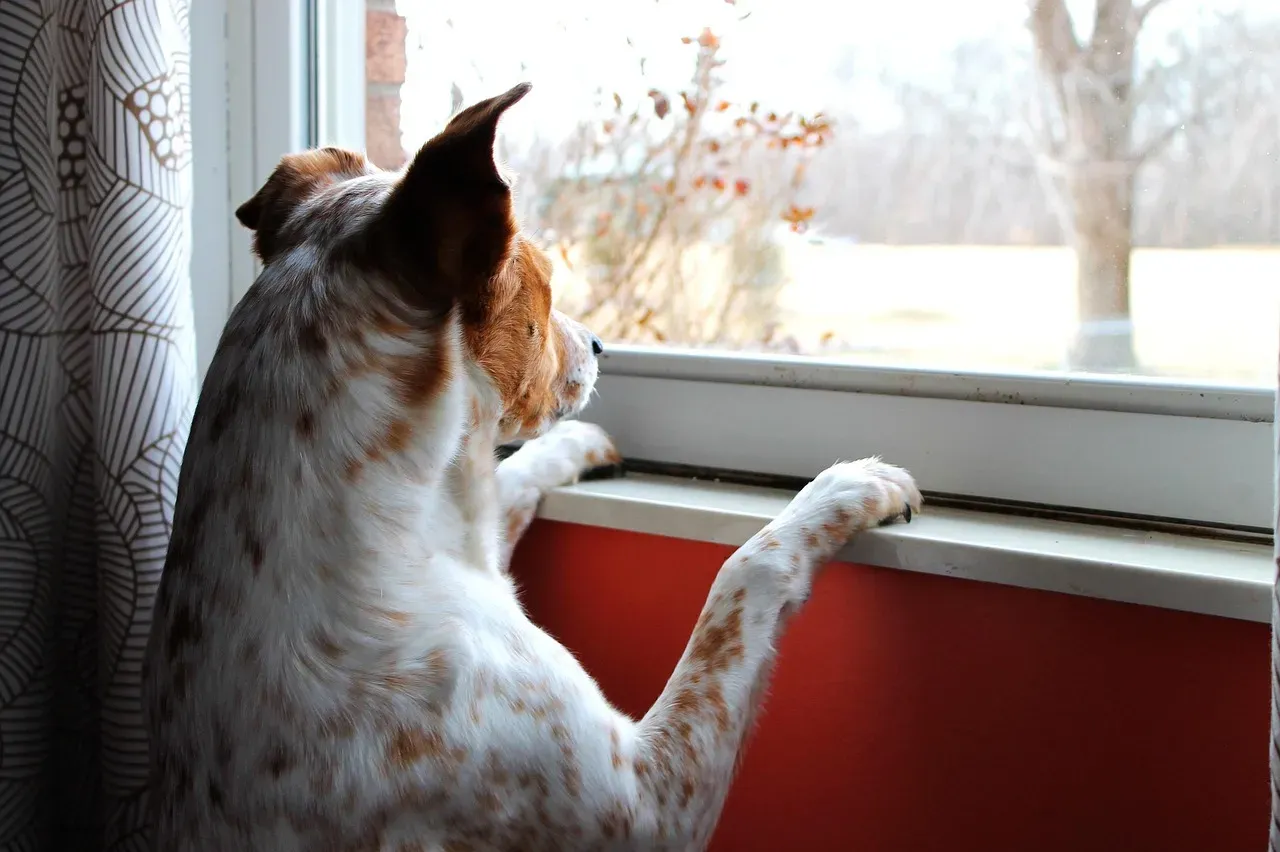
Looking out the window is stimulating, plain and simple. The outside world is basically their version of Netflix, only with real-time unpredictable content that changes every single day.
The world outside your window is a constant source of visual information. Your dog sees people walking by, other animals like squirrels and birds, cars passing, and even the subtle shifts in weather. These sights offer a rich tapestry of moving objects and changing scenes that can be incredibly stimulating for a dog’s brain. I know it sounds crazy, but watching Mrs. Johnson walk her poodle past the house at three o’clock might genuinely be the highlight of your dog’s afternoon.
Neuroscience shows that novelty stimulates the release of dopamine – the “feel good” neurotransmitter. So, that window view can actually make your dog feel happy and rewarded. They’re essentially getting natural mood boosts from something as simple as watching the garbage truck rumble down the street. In environments that lack stimulation – like homes where dogs are left alone for long hours – the ability to see outside helps reduce anxiety and stress.
They’re Actually Engaging in “Social Referencing”
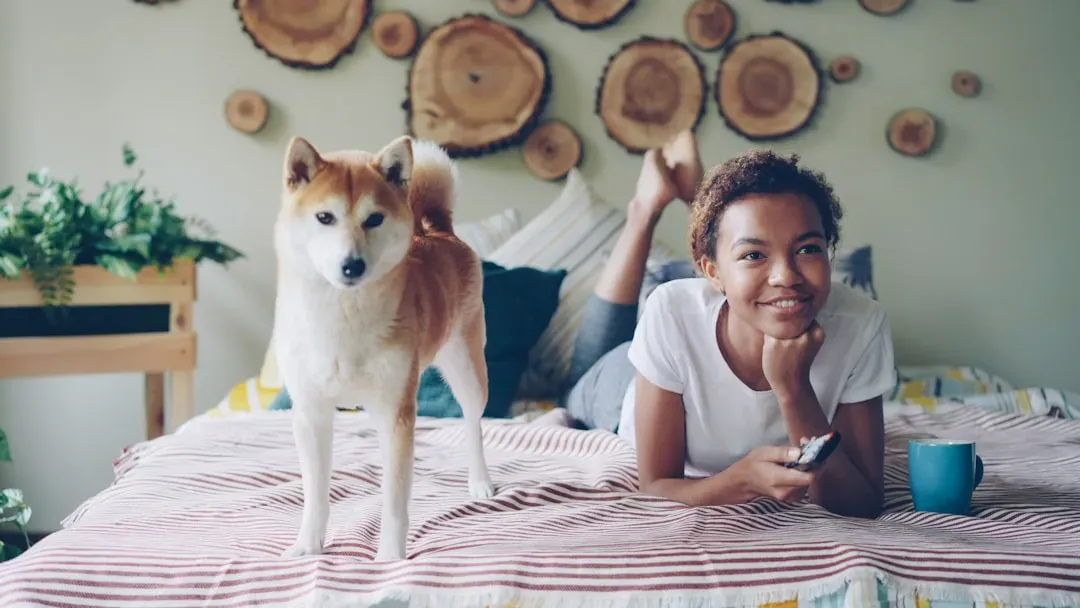
This one’s fascinating. Dogs engage in what scientists call “social referencing.” This means they observe human behavior to better understand the world and their place in it. Your dog isn’t just spacing out – they’re conducting field research.
Studies in canine cognition reveal that dogs are exceptional at reading human gestures and expressions. Watching people outside helps them learn more about how humans interact, and it contributes to their social development – especially if they’re not exposed to a lot of people otherwise. They’re picking up on patterns, learning routines, and developing a richer understanding of the social landscape around them.
It’s their way of staying connected to the larger community beyond your front door. They recognize the regular neighborhood faces, anticipate familiar routines, and process all those social cues in ways we’re only beginning to understand. Pretty remarkable when you think about it.
They Can Tell When You’re Actually Coming Home (Through Science, Not Magic)
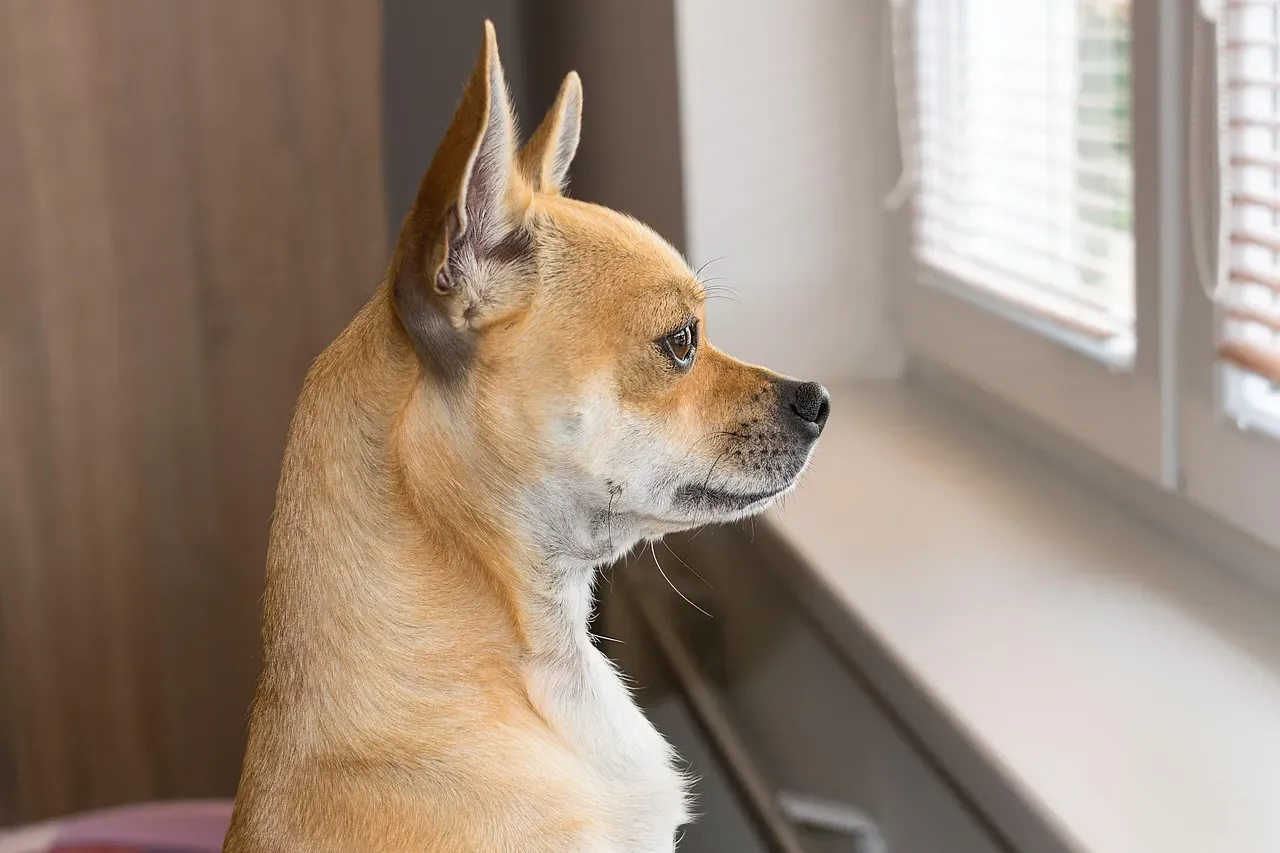
Dogs have a clever ability to sense when their owners are coming home and will often look out the window as they excitedly wait to greet them. You might think it’s pure devotion or some mystical sixth sense, but the reality is even cooler.
They might see the owner’s car through the window or catch their scent before they are visible. Their superior sensory abilities mean they’re picking up cues long before you’ve even parked. The sound of your specific engine, your unique scent carried on the breeze, the pattern of your footsteps – all of these create a signature they’ve memorized.
Some experts theorize it’s even related to how your scent fades throughout the day in the house. As the concentration of your smell decreases to a certain level, they’ve learned that corresponds with when you typically return. It’s hard to say for sure, but their internal clock combined with sensory information creates a surprisingly accurate prediction system. They’re not just waiting – they’re calculating.
When Window Watching Becomes a Problem (And How to Help)
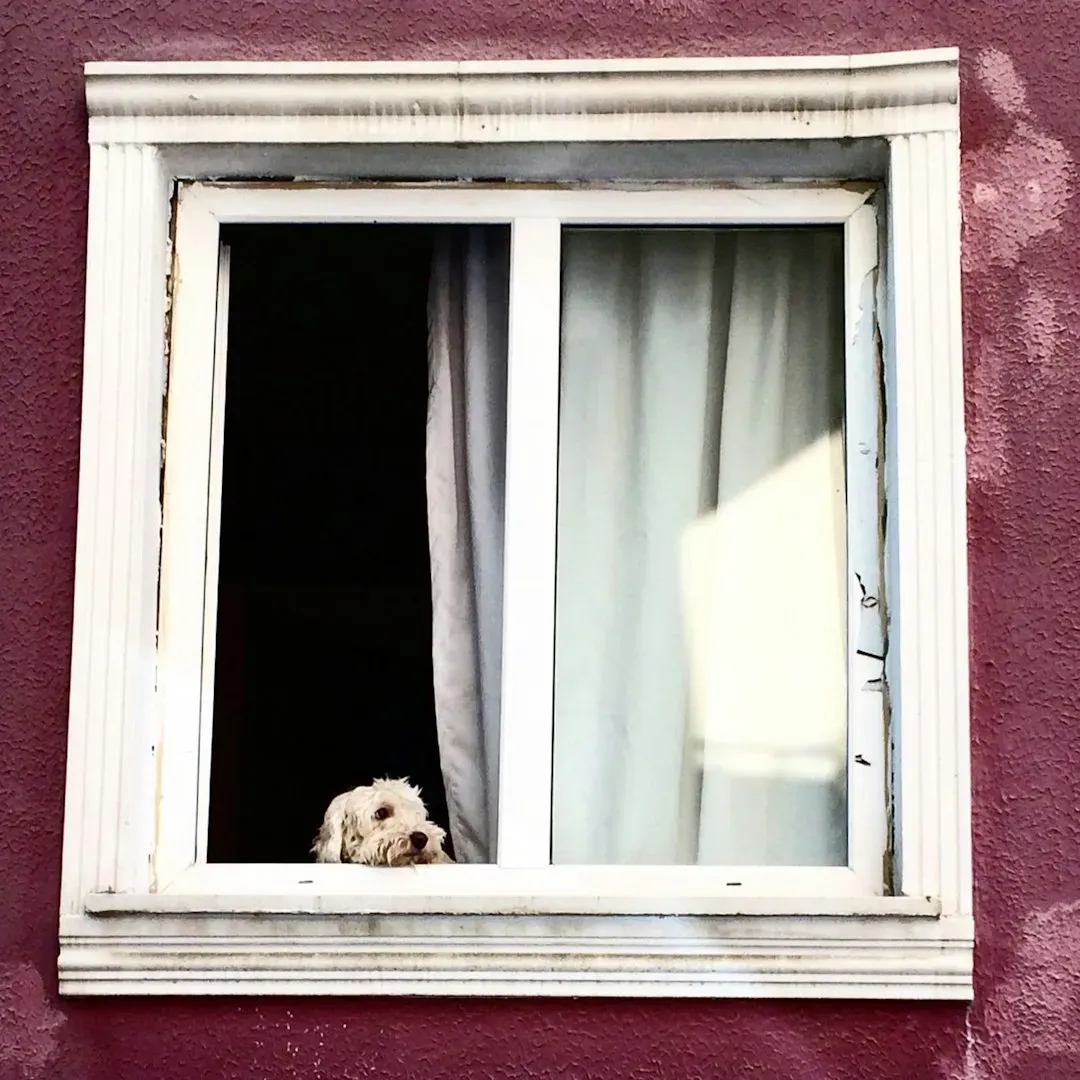
Here’s where things get serious. While window time can be beneficial, if your dog sits in the window all the time, every day, and isn’t paid much attention to, the behavior could become problematic. If your dog is already struggling with reactivity, spending time getting worked up over activity outside the window will exacerbate the problem. Repeated hits of adrenaline throughout the day means that when you finally go out for a walk, your dog is already amped up and ready to rumble. Anticipating threats throughout the day creates hyper-vigilance and is very stressful.
Watch for warning signs. If your dog is showing warning signs such as non-stop barking at everything outside, becoming aggressive toward people passing by, or being unable to leave the window even for food, panting or pacing while watching, this could be a sign of anxiety or stress. This isn’t healthy entertainment anymore – it’s become an obsession that’s damaging their wellbeing.
Close the blinds or cover the lower part of the windows with privacy window film. It will remove a significant amount of stress from your dog’s life. Focus on rewarding your dog for playing with toys inside and create a home environment that is just as fun and interesting as whatever could be going on outside. Give them puzzle toys, increase exercise time, and create alternative forms of mental stimulation that don’t trigger territorial responses or anxiety spikes.
The Bottom Line on Window Watching
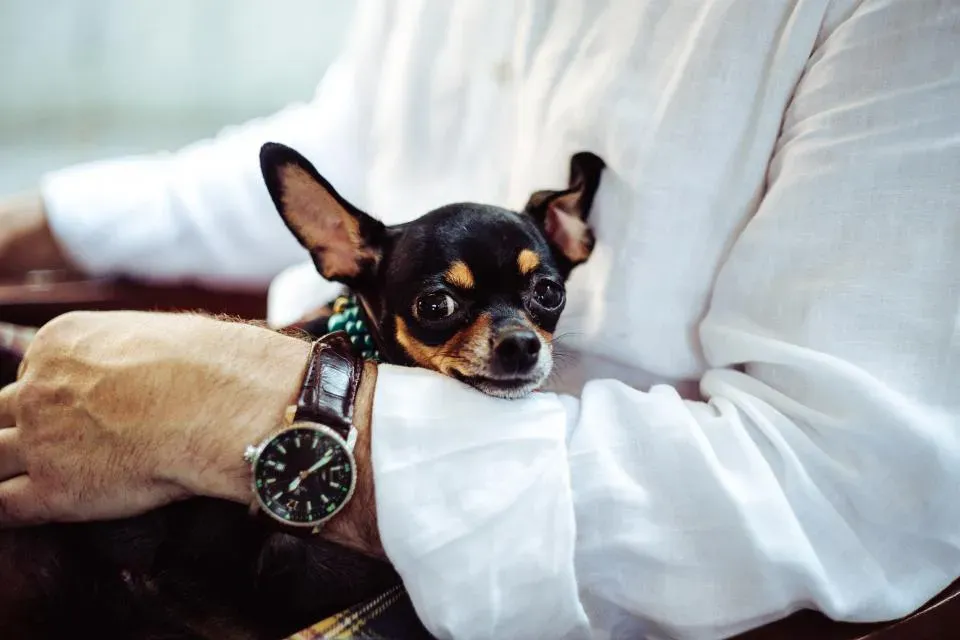
That window perch your dog loves so much? It’s serving multiple purposes simultaneously – territory monitoring, entertainment, social learning, stress management, and yes, occasionally waiting for you. Dogs who look out the window are engaging their senses, fulfilling protective and social instincts, learning from the environment, and even managing stress.
Most of the time, it’s completely healthy and beneficial for them. The key is staying observant about their body language and overall demeanor. Are they relaxed and calmly observing? Perfect. Are they tense, constantly barking, or showing signs of distress? Time to intervene.
Your dog’s window watching reveals just how complex their inner world truly is. They’re not simple creatures just pining for your return – though they definitely do love seeing you pull into the driveway. They’re navigating a rich sensory landscape, fulfilling ancient instincts, and managing their own mental health in surprisingly sophisticated ways. Next time you catch them at their post, take a moment to appreciate everything that’s actually going on behind those watchful eyes. What do you think – does your dog seem stressed or content during their window time?


