

You leave in the morning with a bowl full of food and a hopeful heart. When you return hours later, the kibble sits untouched, and your dog greets you with a wagging tail and immediate interest in dinner. You might wonder if your dog is playing games or being picky. Here’s the thing: what looks like stubbornness is actually something far more profound. Your dog isn’t trying to manipulate you. They’re waiting for you because eating without you feels unsafe, lonely, or simply wrong. Let’s unpack what’s really happening in your dog’s heart and mind.
The Deep Bond Between Dogs and Their People
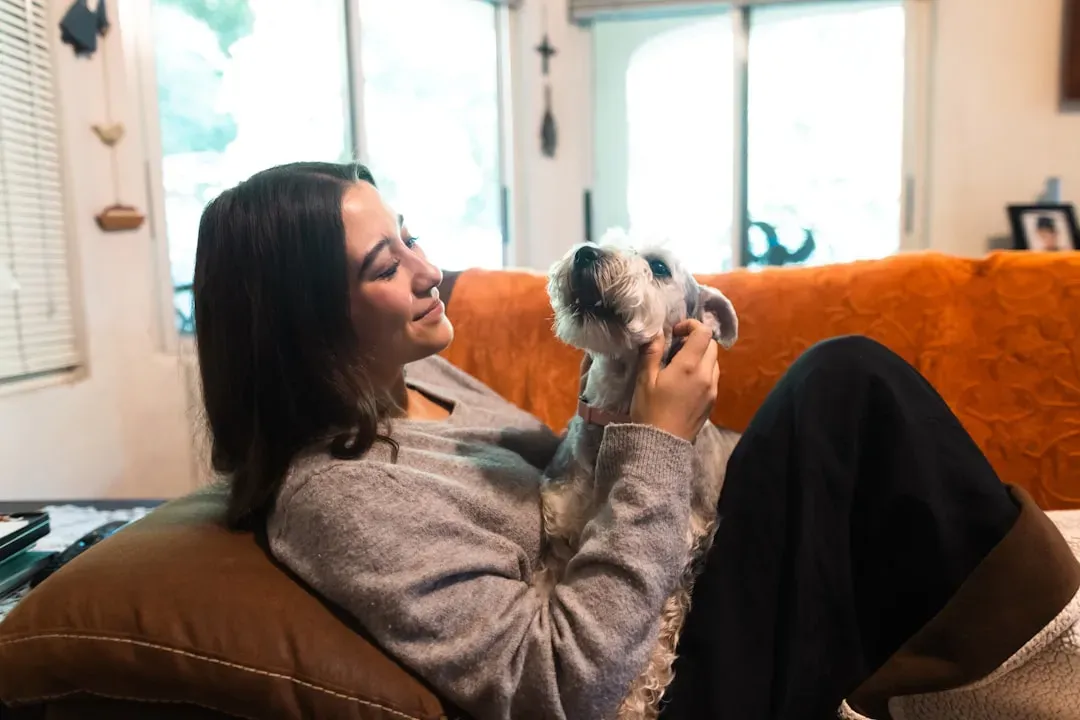
Dogs commonly grieve the loss of people they’ve bonded with, and while they may not grasp the full extent of human absence, they absolutely understand the feeling of missing someone who’s no longer part of their daily lives. This attachment runs deeper than most people realize. Since early puppyhood, many dogs have learned the essence of community and social eating, always eating in the kitchen with their owner standing nearby.
Think about wolves in the wild. They eat together as a pack. It’s a social ritual, not just fuel. Your dog carries that ancient wiring. When you’re gone, they’re not just missing a person – they’re missing their pack leader, their safety net, their entire world. Dogs are very connected to human emotion. So if you’re the center of their universe, mealtimes without you can feel incomplete or even threatening.
It’s Not Pickiness – It’s Emotional Distress
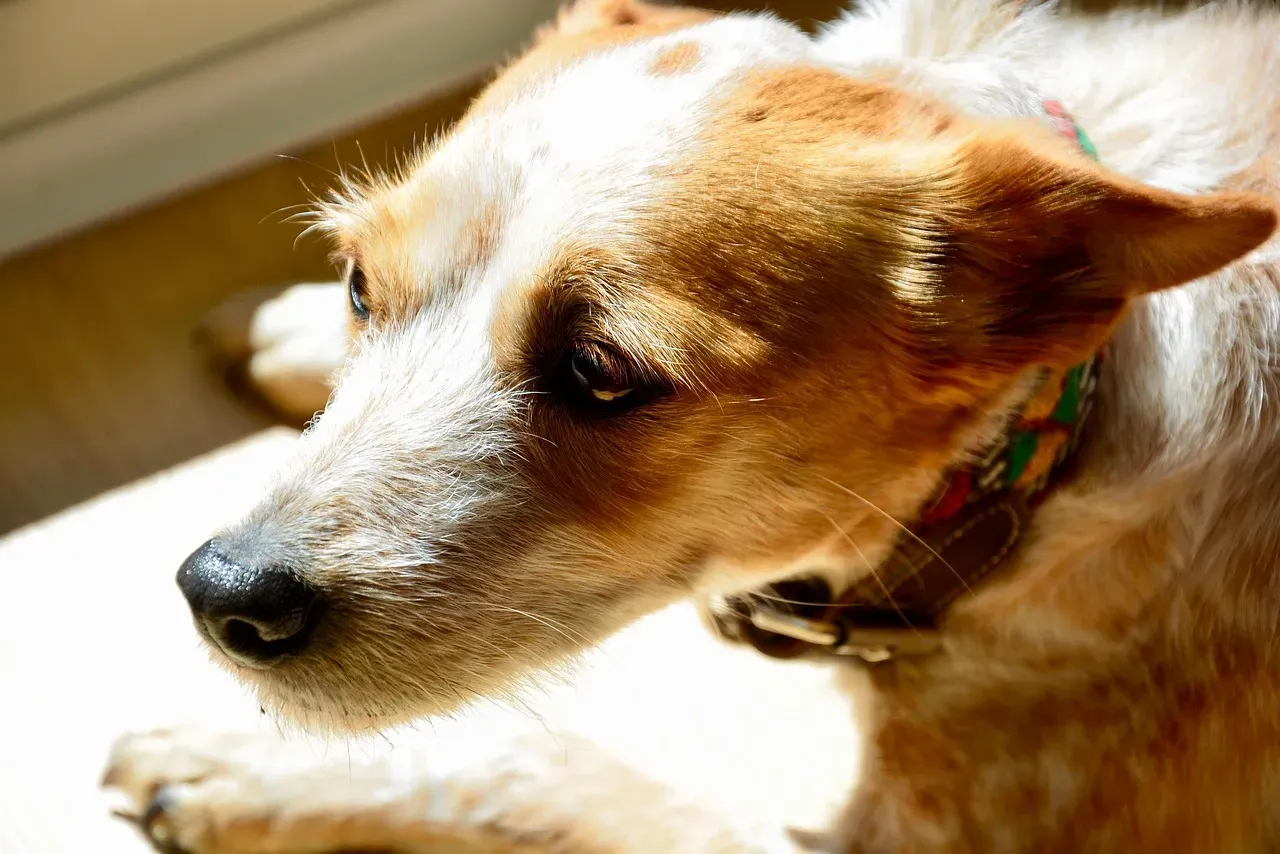
Research from the ASPCA highlights that dogs can become distressed when separated from their guardians, and among the many symptoms of separation anxiety is refusing meals entirely, often experiencing intense stress behaviors like pacing or refusing to eat altogether. During departures or separations, dogs may be restless, shake, shiver, salivate, refuse to eat, or become quiet and withdrawn.
Let’s be real: this isn’t a power play. When dogs feel stressed or anxious, their sympathetic nervous system activates, triggering their fight-or-flight response. Stress hormones are natural appetite suppressants for canines. Imagine trying to eat a meal while you’re terrified or heartbroken. That’s what some dogs experience when left alone. Their body literally shuts down hunger signals because survival mode has kicked in.
Grief and Longing Look a Lot Like Waiting
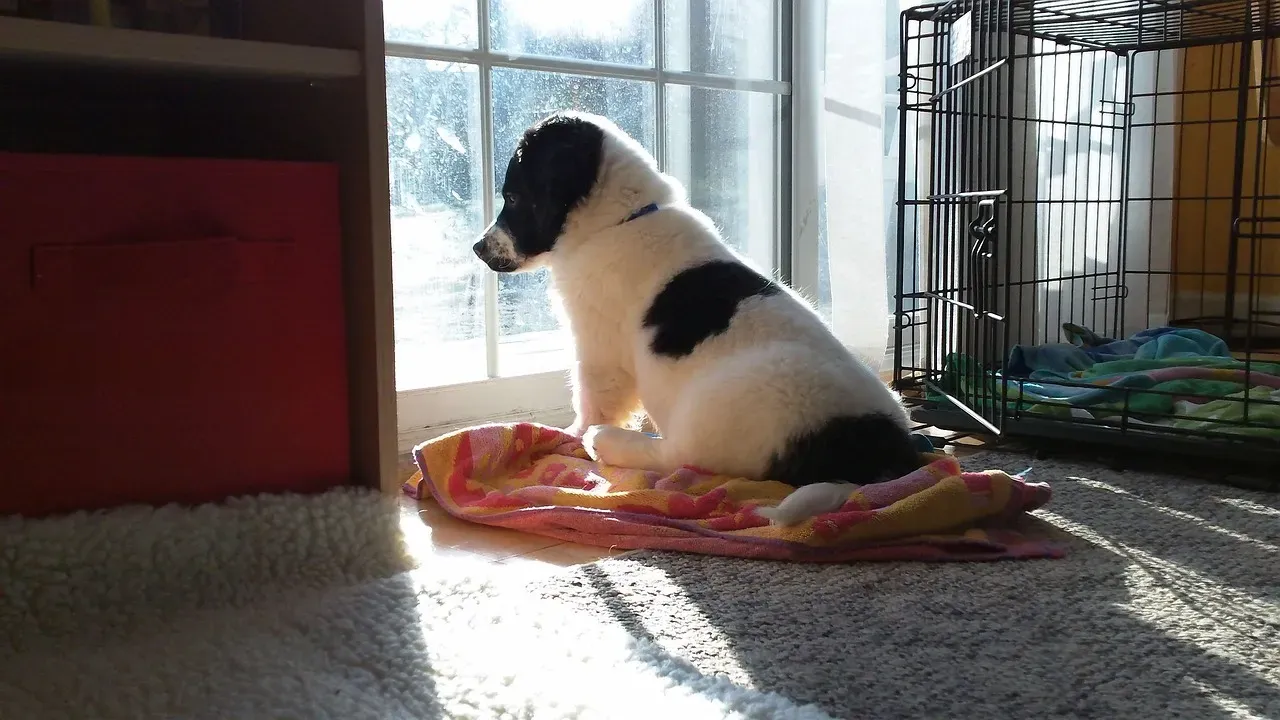
Scientists found that a significant number of dogs displayed grief-like behaviors, such as reduced appetite, increased lethargy, and seeking comfort from other family members. Some dogs continue to wait for their owner’s return, sitting by the front door or looking out the window at the usual time they would come home, reflecting their confusion and loyalty as they struggle to accept that their owner won’t be walking through the door again.
I know it sounds crazy, but your dog might genuinely be mourning your absence every single day. Not in a dramatic, Hollywood sense, but in a quiet, patient way. They don’t know if you’re coming back. All they know is that you’re gone, and that feels like loss. Roughly over one-third of dogs experienced a decreased appetite following the loss of a companion, and about 11% refused to eat at all. Now imagine that companion is you – even temporarily.
Warning Signs Your Dog Is Struggling
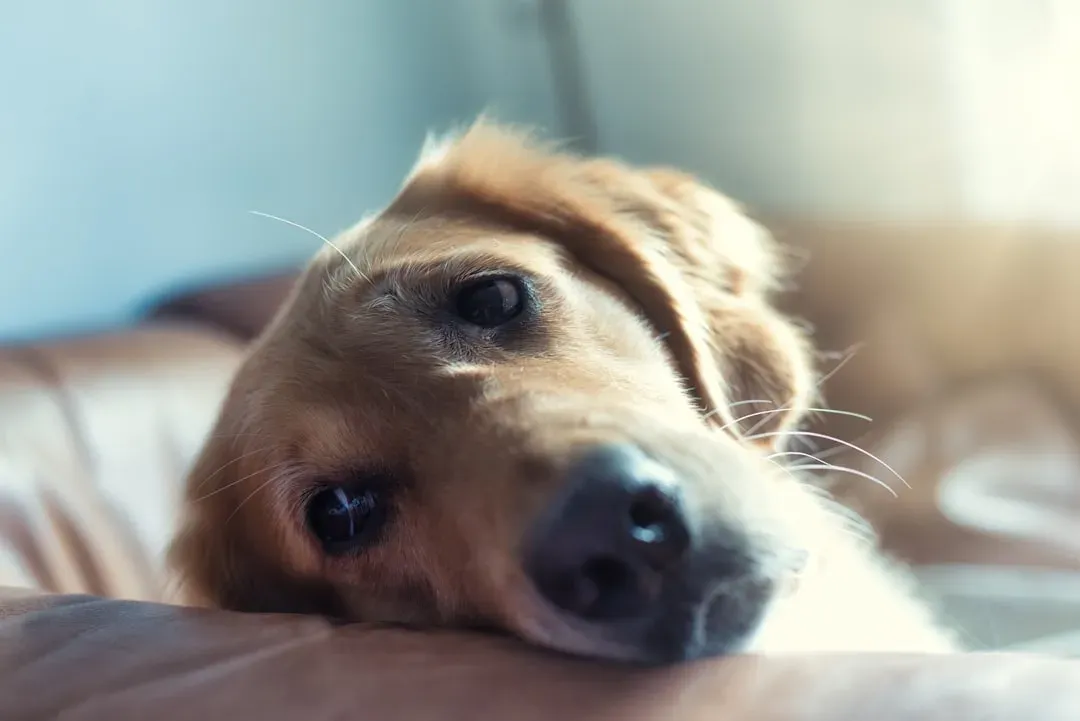
Dogs suffering from real separation anxiety may need days, weeks, months, or even years of behavior modification before they feel comfortable being left alone. So how do you know if your dog’s fasting is serious? A real dog with separation anxiety will manifest distress, destructive behavior, house soiling, and excess vocalizations.
Watch for trembling, pacing, drooling, or destructive chewing when you’re away. Sometimes an anxious dog won’t eat while their owner is away, whether for an hour or a week, and others suffer anxiety with thunderstorms or fireworks that can affect their appetite for days. If your dog isn’t just skipping breakfast but also showing signs of panic or depression, it’s time to take action. Prolonged refusal to eat can spiral into health problems fast.
How to Help Your Dog Feel Safe Enough to Eat
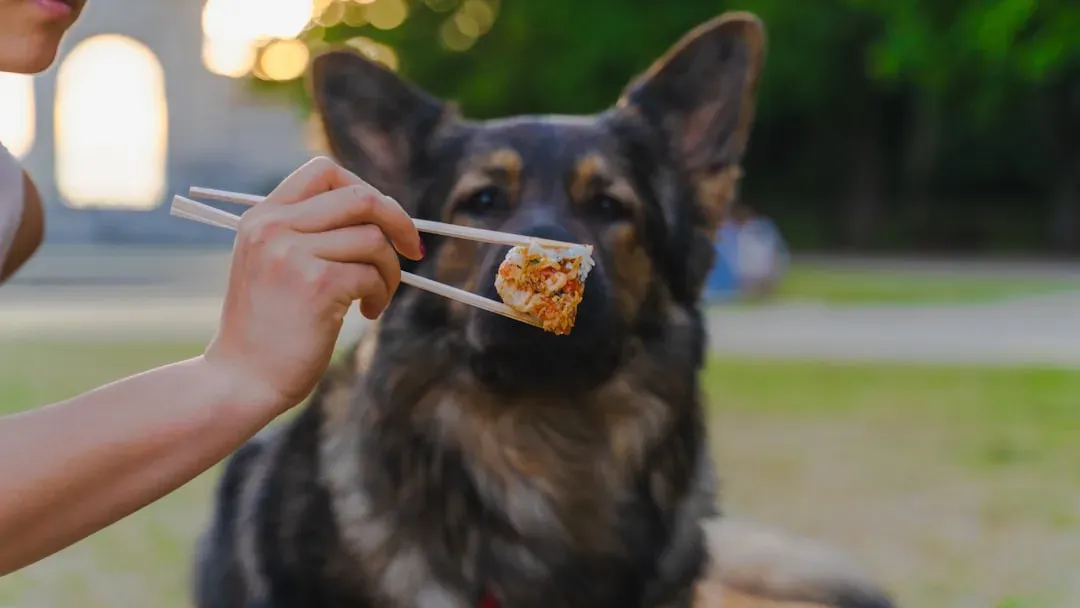
Immediately before the owner’s departure, the dog should be given food to create an association between the owner’s absence and the positive experience of eating. Protective factors include ensuring a wide range of experiences outside the home and with other people, stable household routines, and the avoidance of punishment.
Start small. Practice leaving for just a few minutes, then return. Gradually increase the time. Dog owners may find it helpful to place a video recording device in the room where the dog spends the most time in the owner’s absence to monitor the dog’s behavior before and during treatment. Create positive rituals around departures – like giving a special treat or toy they only get when you leave. Honestly, patience is everything here. Don’t rush the process or expect overnight change. Just like with humans, dogs need time to grieve, and most will come out of their grieving process and form new attachments, which may take as little as a few days or weeks to several months.
Conclusion: Love, Loyalty, and a Little Loneliness
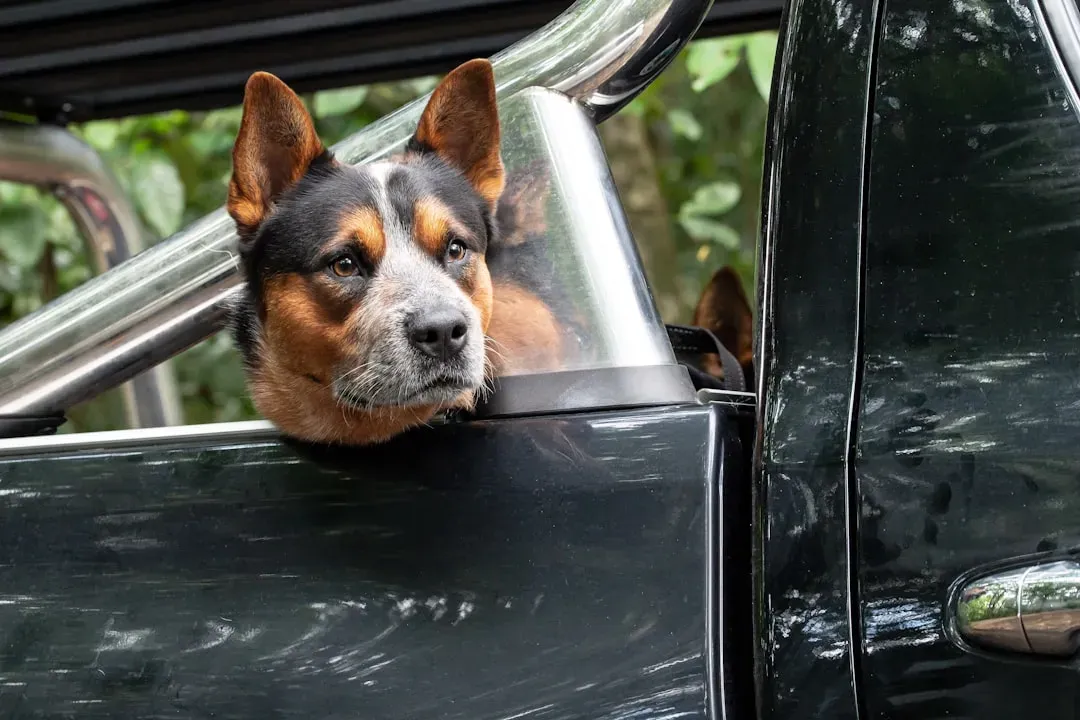
Your dog’s refusal to eat until you return isn’t manipulation. It’s devotion. It’s attachment. It’s their way of saying you matter more than anything – even food. Understanding this transforms how we see their behavior. They’re not being difficult; they’re being dogs who love deeply and feel your absence profoundly.
So what can you do? Be patient. Be present when you can. Create routines that ease their worry. And remember, they’re not trying to frustrate you – they’re just trying to survive the hardest part of their day: the hours without you. What do you think about it? Does your dog wait for you, too? Tell us in the comments.


