
Why Your Dog Checks On You In The Middle Of The Night (You Never Even Know)
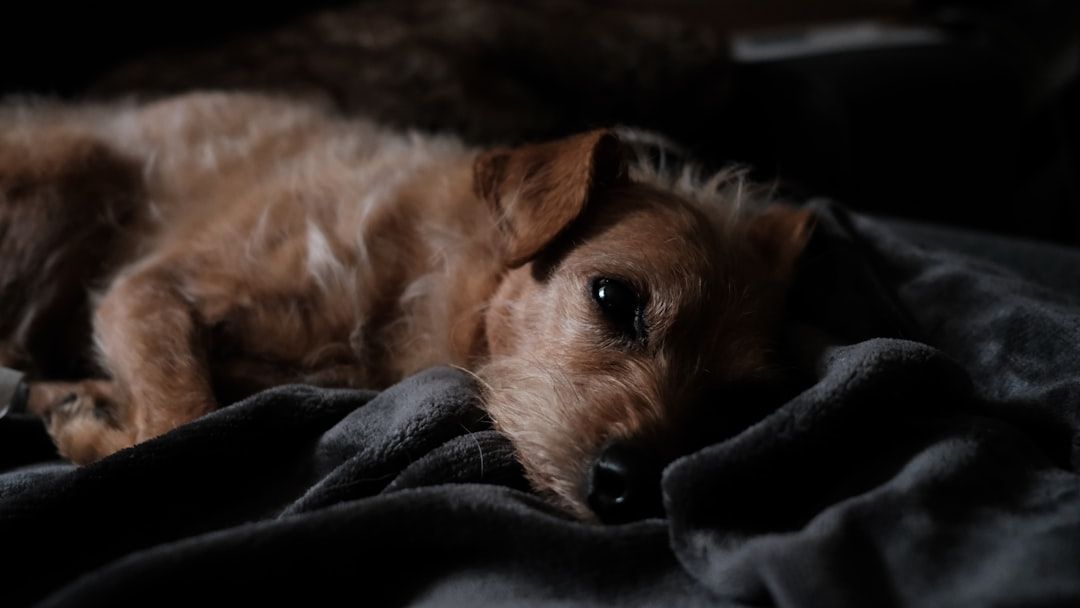
You drift off to sleep, exhausted after a long day. The house settles into silence. It feels like you’re alone in your slumber. Think again.
While you’re lost in dreams, your dog is quietly padding through the hallway, pausing at your bedroom door. Maybe they press their nose against the crack, listening for the rhythm of your breathing. Perhaps they sit for a moment, ears perked, before returning to their bed.
Most of us have no idea this nocturnal check-in ritual is even happening. Yet countless dogs across the world do this very thing, night after night. It’s a behavior so subtle, so tender, that it goes unnoticed unless you happen to catch them in the act. So what’s behind these midnight wellness checks? Let’s uncover the surprising reasons your loyal companion can’t quite leave you alone, even when you’re fast asleep.
They’re Wired to Protect the Pack
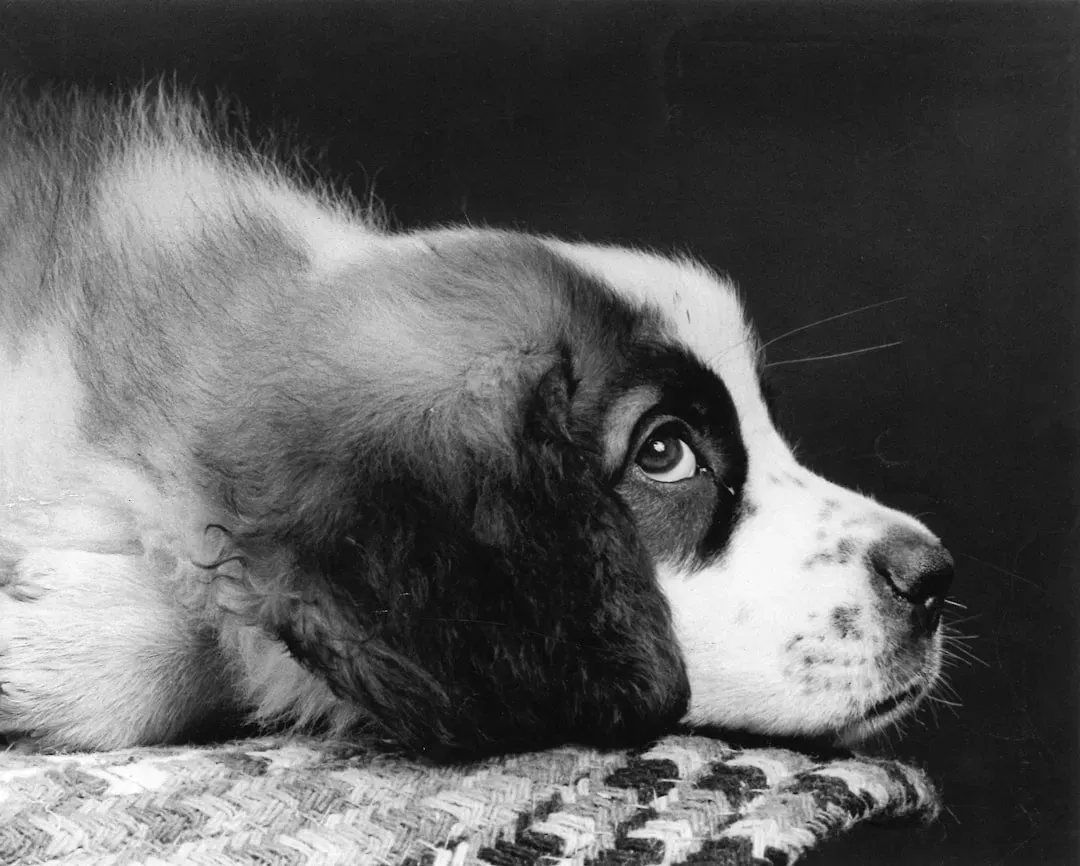
Dogs’ wild ancestors would protect other members of their pack during vulnerable moments, one of these moments being time spent asleep. Dogs often instinctively protect their owners while they sleep, driven by loyalty and pack behavior, including a natural drive to protect members of their human ‘pack’ during vulnerable times like sleep. Even though your Labrador has never hunted prey or guarded a den, those ancient instincts haven’t disappeared.
Some dogs have an ingrained need to guard their loved ones, and may view our time spent sleeping as a vulnerable moment, leading to the need to guard us as we rest. This doesn’t necessarily mean your dog expects danger every night. Instead, it’s a hardwired compulsion, a whisper from their DNA telling them to make sure everyone’s safe.
Certain breeds like German Shepherds are known for their loyalty, protectiveness, and intelligence, and may be more inclined to keep an eye on their human companions during the night due to their natural instincts as guard dogs. Still, even the smallest, least threatening breeds can exhibit this watchful behavior. A small dog like a Dachshund might also feel a similar sense of protectiveness over their human family.
It’s Pure Love and Attachment
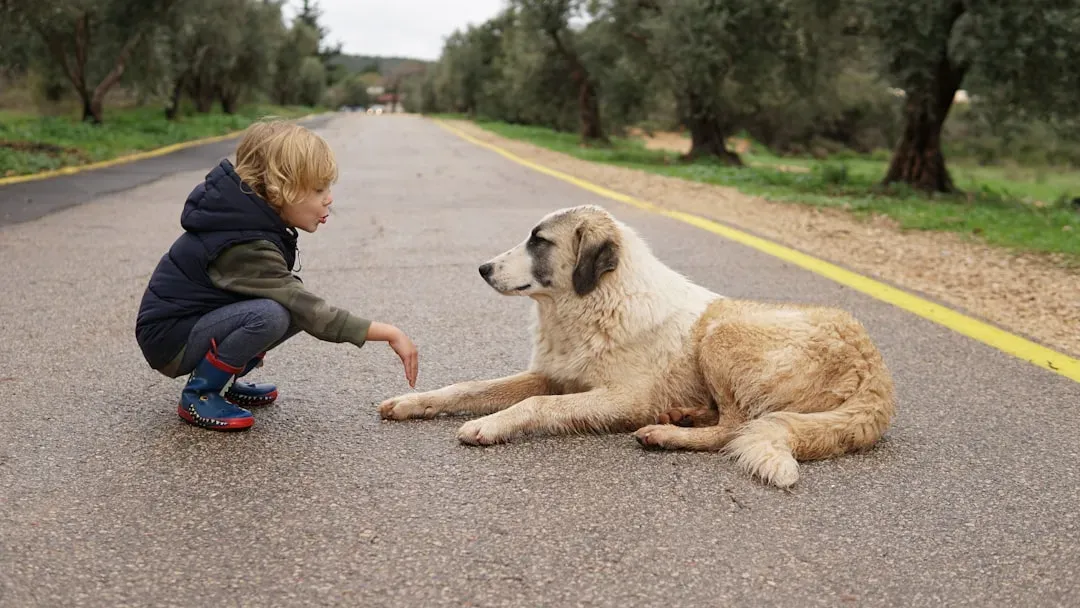
Here’s the thing about dogs: they adore us. Dogs love their owners just as much as we love them, wanting nothing more than to be in our presence and to simply make sure we are still there and okay, and a bonded pup may check in on their sleeping owners multiple times throughout the night. Think of it like a parent checking on a sleeping child. There’s no agenda, no expectation of reward. Just love.
When dogs smell the familiar odor of their owner the reward center of their brain gets activated, and researchers at the University of Helsinki have found that mutual staring between a dog and their owner releases oxytocin, the love hormone, in both. Those quiet moments when your dog gazes at you in the dark might actually be flooding both of your brains with the same chemical associated with bonding between mothers and babies. Honestly, it’s one of the most beautiful things about our relationship with dogs.
Dogs form strong attachments to their owners, and they may want to be close to them at all times. When the house goes quiet and you’re tucked away in your room, your dog might just need the reassurance that you haven’t vanished. Similar to how a mother checks in on their sleeping child before going to bed, this can simply be an act of affection.
Separation Anxiety Can Strike at Night
When your dog checks on you while you are sleeping, it could be a sign of separation anxiety, as they may be checking to make sure you are still there and haven’t left them alone. Not all dogs experience separation anxiety the same way. Some freak out when you leave for work. Others feel it most intensely at night when the world becomes quiet and still.
If an already-anxious dog has a fear of the dark, that could lead to increased anxiety at night. The darkness can amplify feelings of insecurity, especially for dogs who already struggle with being apart from their people. Many pets become anxious when away from their owners, and at night, when the home becomes quiet and dark, this separation feels more intense.
Dogs with separation anxiety at night may know the routine leading to bedtime and become anxious with each step closer to separating with their owner to go to bed, and with them pacing and whining all night outside your bedroom door, your whole household may have to suffer from sleep deprivation. If your dog seems restless, constantly checking your location, or becomes destructive when left alone at night, it might be time to consult a professional. The resolution often requires patience, consistency and a systematic approach, with the timeline for improvement varying significantly based on the dog’s temperament, history and the severity of the anxiety.
Boredom, Hunger, or Just Wanting Attention

Sometimes the answer is refreshingly simple. A dog may check on their owner during the night for other reasons, such as hunger or boredom, and if a dog is hungry, they may check on their owner in the hopes of getting a snack, or if bored, they may seek out their owner’s attention for entertainment. Let’s be real: if you slept most of the day while your human was at work, nighttime might feel like prime playtime.
If your dog’s sleep cycle is not in sync with yours, it simply means your dog has had more than enough rest during the day and is active at night, and that activity could translate into restlessness, boredom and a desire to waddle into your room and see if you are up to a game of catch. Dogs don’t have smartphones to scroll through when they’re awake at 2 a.m. You’re the most interesting thing in the house, so they come looking for you.
Any meals or snacks come from our hands, so a hungry pup may check in on us throughout the night for any food opportunities. Perhaps your dog is restless because their bed is uncomfortable, maybe it is too hot for them in the bed you have made up, or perhaps the covers on the bed are prickly, or it could also be that their bed is near a window from where they can hear traffic sounds. These practical reasons are just as valid as the emotional ones.
Age and Health Issues Play a Role
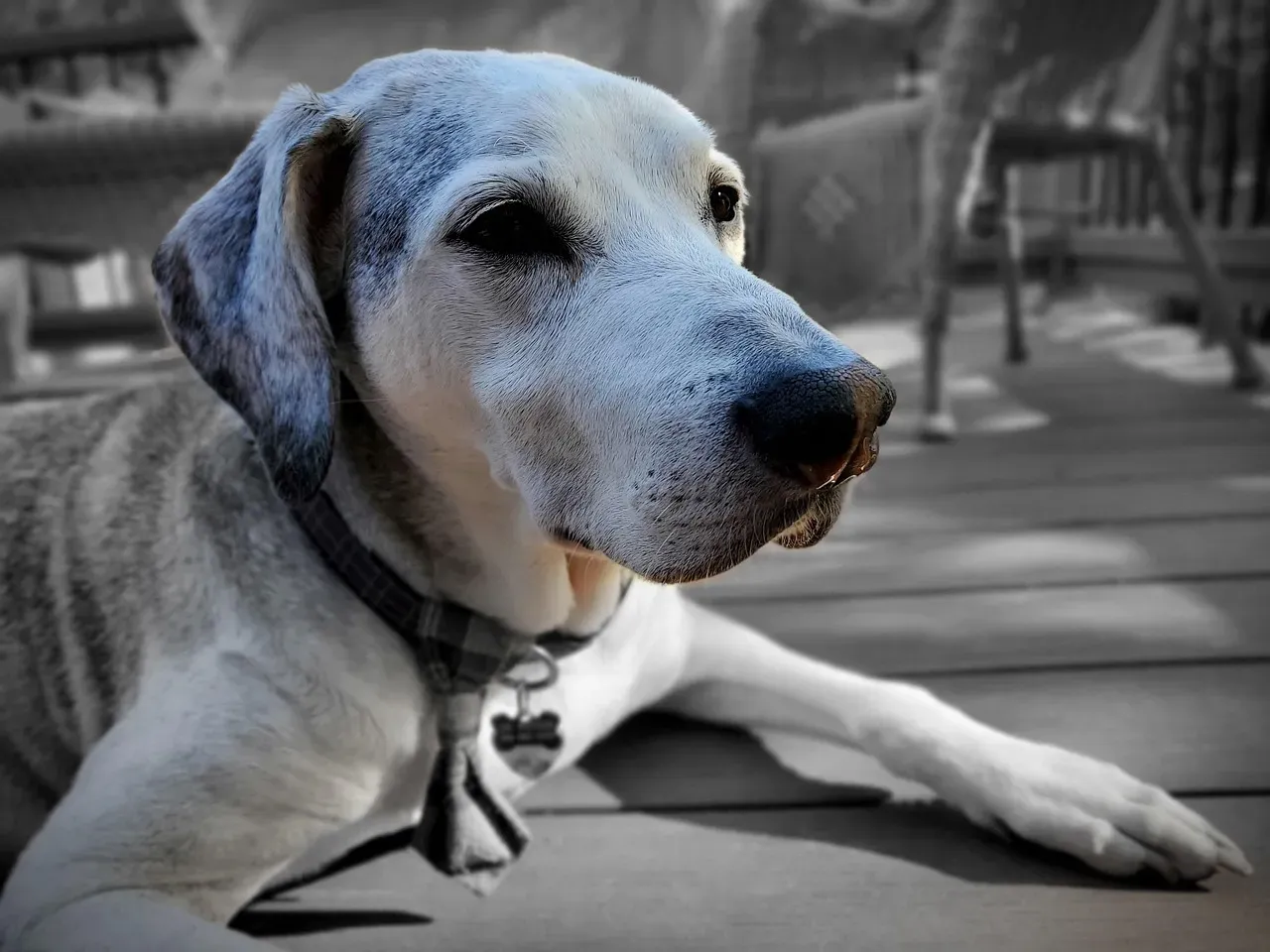
Common causes of anxiety at night involve pain, illness, a lack of exercise or stimulation during the day, separation anxiety, disruption of routine, sleeping in a new location, or a change in their life, and as your dog ages, these problems may increase, or they may begin to suffer from Canine Cognitive Dysfunction, a degenerative disease akin to human dementia, which can cause them to become anxious and confused, especially at night. If your older dog suddenly starts checking on you more frequently, or seems disoriented during nighttime hours, it’s worth a trip to the vet.
A significant problem of senior dogs is cognitive dysfunction, the doggie equivalent of dementia, with classic signs including mental confusion, loss of training, and disrupted sleep patterns. These changes can be heartbreaking to watch. Your once-confident companion might feel lost in the dark, seeking you out for reassurance more than ever before.
Sometimes anxiety-like symptoms are actually pain or discomfort, and if your dog is panting and pacing at night without reason, a medical exam is essential. Arthritis, digestive issues, or other health concerns can make sleep difficult and drive dogs to seek comfort from their humans. Pain doesn’t always show up as obvious limping or whimpering. Sometimes it just looks like restlessness and a need to be near you.
Conclusion
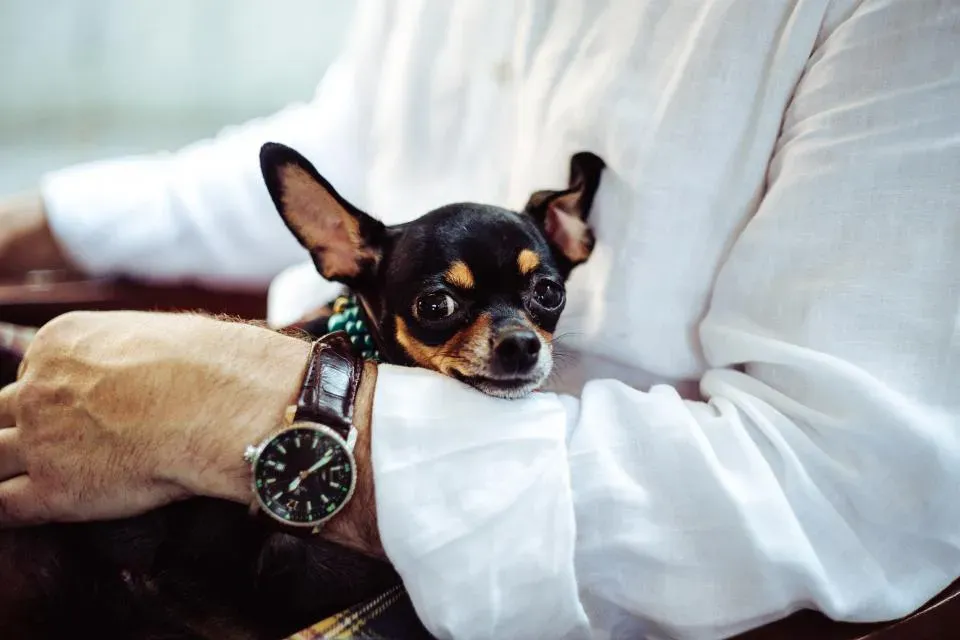
Your dog’s midnight check-ins are rarely cause for alarm. More often, they’re a testament to the profound bond you share. Whether driven by protective instincts, overwhelming affection, a touch of anxiety, or simple boredom, these quiet visits speak volumes about how much you mean to your furry companion.
If the behavior becomes disruptive or seems linked to distress, don’t hesitate to reach out to your veterinarian or a certified dog behaviorist. By providing your dog with plenty of exercise, mental stimulation, and a consistent sleeping schedule, you can help ensure that they feel safe and secure while you sleep. But if your pup is simply making sure you’re okay before settling back down for the night? That’s just love in its purest, quietest form. Did you ever catch your dog checking on you at night? What do you think motivates them?