

Have you ever watched your dog bolt toward something dangerous and felt that split second of panic? Maybe it was a speeding car, a dropped pill, or even a mysterious snack on the sidewalk. Your heart races because you know that, in those crucial moments, a simple word could save their life. Training isn’t about perfection or showing off tricks at family gatherings. It’s about building a language with your best friend, one that keeps them safe and gives them confidence to navigate the world alongside you.
The truth is, most dogs want to please us. They thrive on structure and clear communication. Teaching them foundational commands doesn’t just prevent emergencies or awkward situations at the vet’s office. It strengthens the trust between you two and honestly, it deepens the bond in ways you might not expect. So let’s explore the six commands that every dog should master, not just for obedience, but for their own safety and peace of mind.
1. Come: The Lifesaving Recall Command
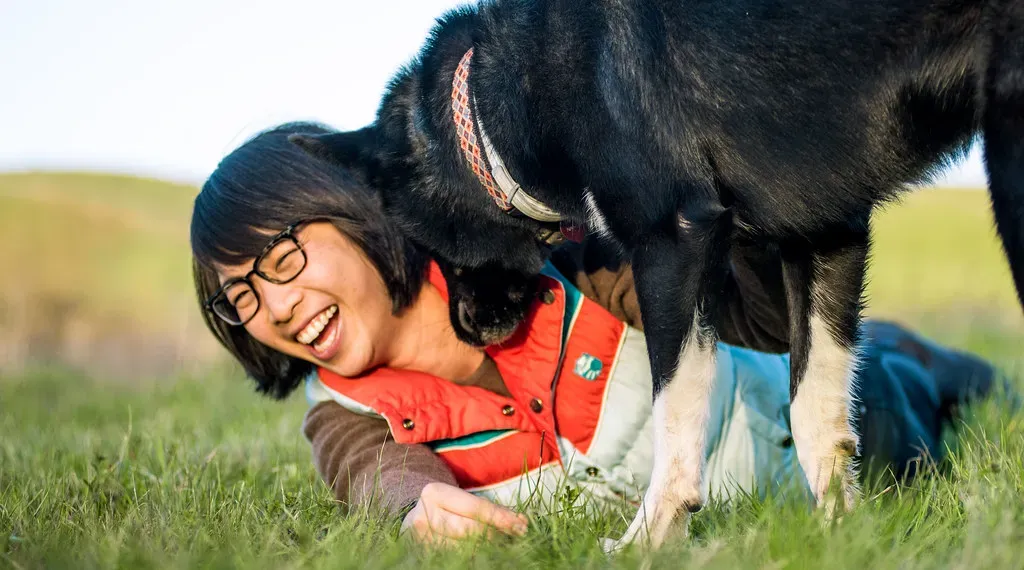
For your dog’s safety, “come” should be one of the first commands you teach them, as it can save their life if they start to run off or get into an unsafe area. Imagine your pup slipping their collar at the park or spotting a squirrel darting toward a busy street. In those heart-stopping moments, a reliable recall can mean the difference between tragedy and relief.
Reliable recall means that when you call your dog to come, you are 99.99% sure they are going to enthusiastically respond. Start training in a quiet, low-distraction space like your living room. Show your dog a treat or toy, call their name followed by the command, and reward them immediately when they reach you. Reward with a high-value treat like chicken, cheese, or beef liver when they get to you.
The secret to success? Make yourself more exciting than anything else in their world. Run backwards, clap your hands, use a cheerful voice. Always make recalls rewarding and use the highest value rewards you have. Never punish your dog after they come to you, even if they took their sweet time getting there. You want them to associate coming back with positive experiences, not scolding.
2. Stay: Teaching Self-Control and Safety
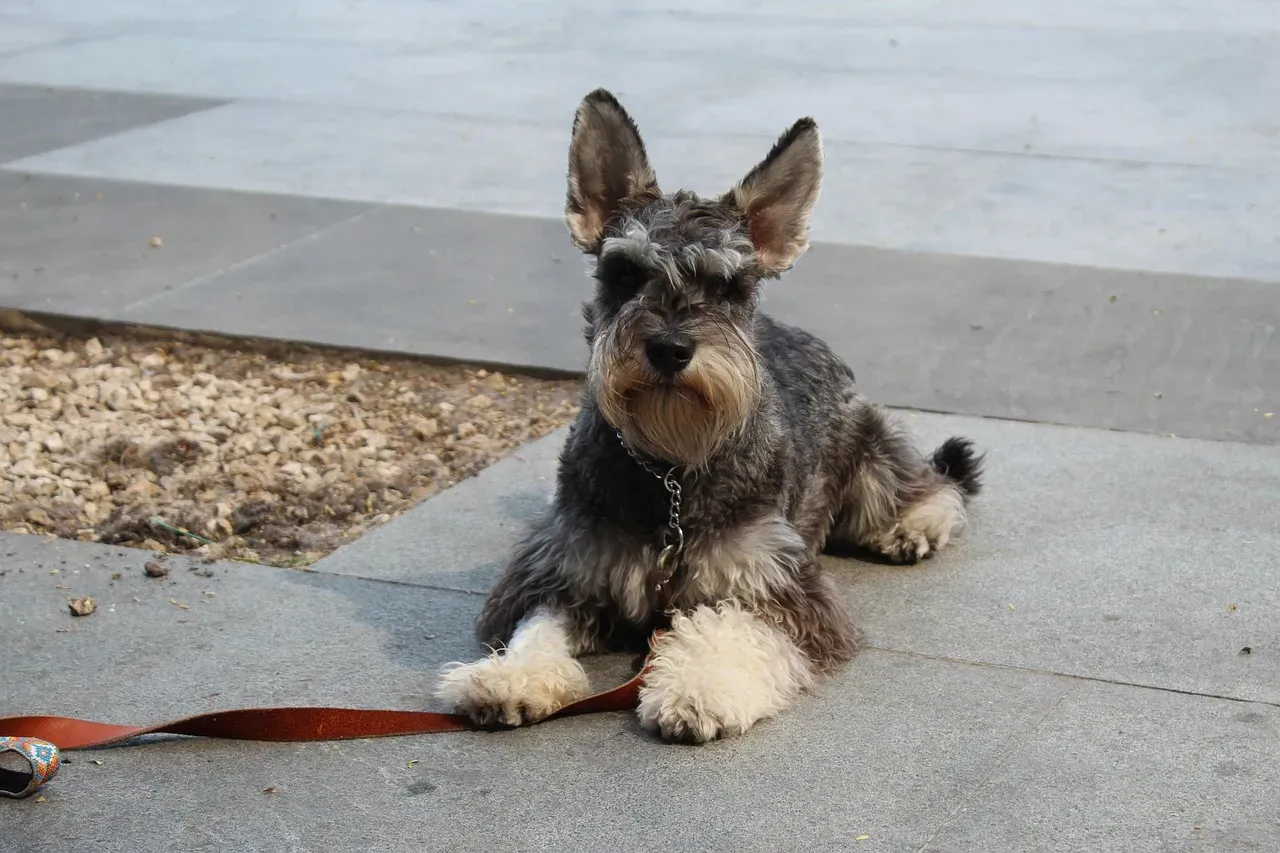
Arguably the most important command to teach your dog, “stay” will come in handy daily, and for their safety and the safety of others, “stay” needs to be taught at an early age. Picture this scenario: you’re opening the front door to accept a delivery, and your excitable pup is bouncing behind you. Without “stay,” they could dart into traffic or jump on a stranger.
Begin with your dog in a sitting position. Hold your hand flat with your palm facing them and say “stay” in a calm, clear voice. Take just one step back initially. If they hold the position for even a few seconds, return and reward them with praise and a treat. If your dog is struggling to maintain a stay, make it easier by releasing them quicker; if your dog will initially only stay for two seconds before they get too excited, release them after one second.
Gradually increase both distance and duration, but never rush the process. It’s also a great behavior to work on for teaching impulse control around distractions, as by teaching them to stay, you can help them learn to control themselves and look to you for direction in situations where they might otherwise be overly enthusiastic. This command is your safety net in countless situations, from veterinary visits to crowded sidewalks.
3. Sit: The Foundation of Good Manners
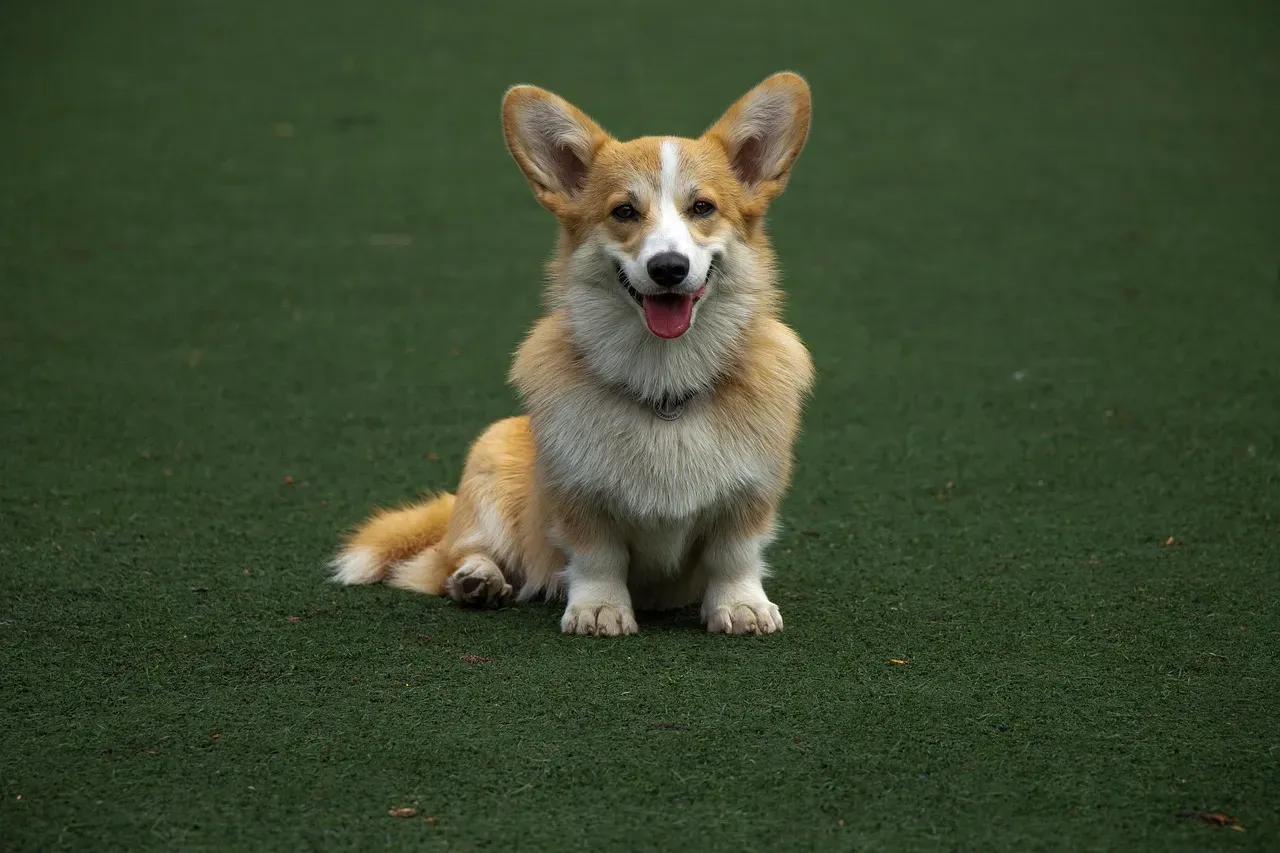
Let’s be real, “sit” might seem basic, but it’s the building block for nearly every other command your dog will learn. The sit command is one of the most essential for your dog, as a basic obedience cue, it’s also an important behavior to teach for safety reasons. It’s your go-to when guests arrive, before crossing streets, during mealtime, or anytime you need your dog to pause and focus on you.
Teaching sit is refreshingly simple. Hold a treat close to your dog’s nose, then slowly move it upward and slightly back over their head. As their head tilts back to follow the treat, their bottom will naturally lower into a sitting position. The moment their rear touches the ground, say “sit” clearly and immediately give them the treat along with verbal praise.
Practice this several times throughout the day in short, focused sessions. Aim to practice all of them with your dog two to three times a day for 10-15 minutes at a time, and it should take a couple of weeks for your dog to catch on. Once mastered, you’ll find yourself using this command constantly, and your dog will too.
4. Leave It: Preventing Dangerous Situations
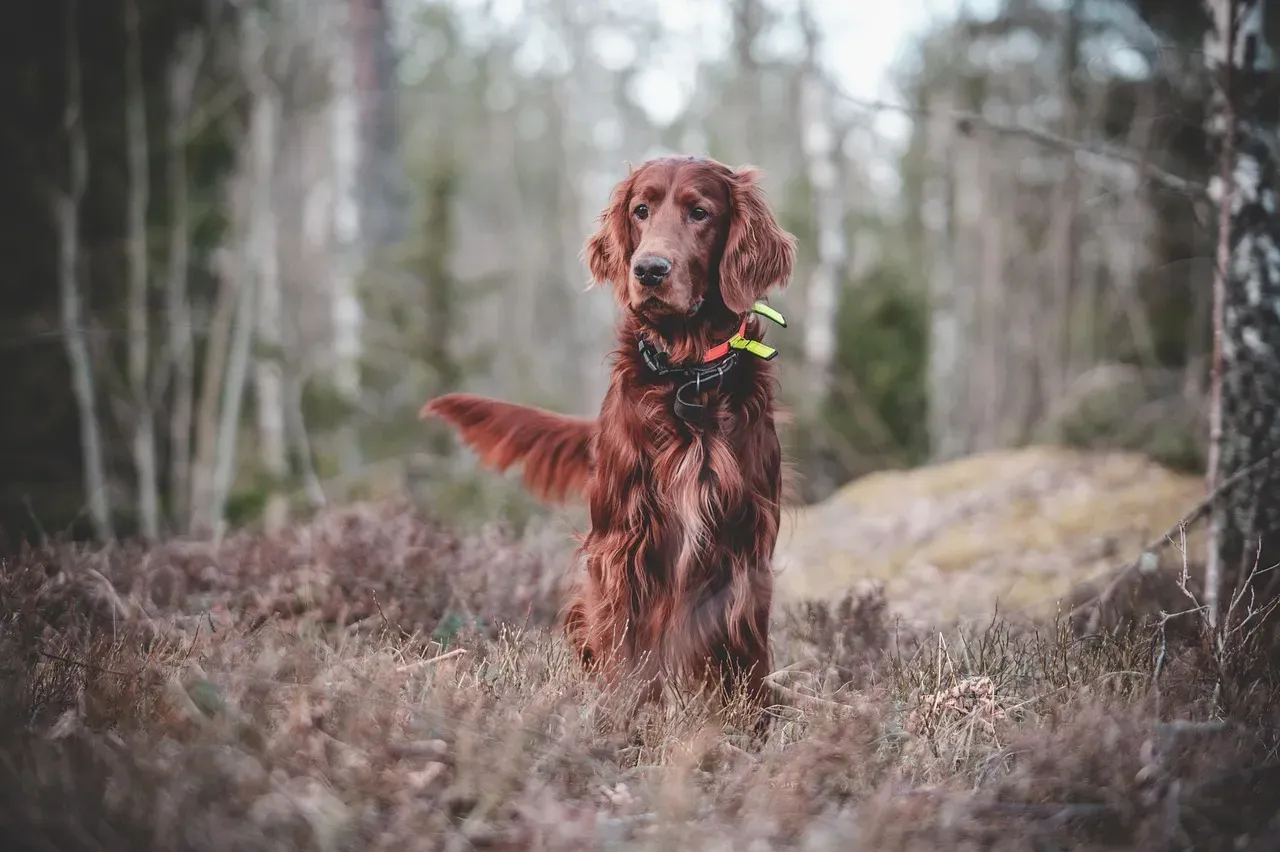
Leave it teaches your dog to ignore things like trash, dropped food, or harmful objects. I can’t tell you how many times this command has saved my own dogs from eating questionable roadside finds or picking up medication that accidentally rolled under the couch. It’s not just about protecting your belongings; it’s about protecting your dog from poisoning, choking, or worse.
Start the training by holding a treat in your closed fist. Let your dog sniff and paw at your hand, but keep it firmly closed. Show the closed hand to your dog and say “leave it,” and if they ignore the treat, reward them with a different treat from your other hand. The key lesson here is that ignoring something gets them something even better.
Once they’ve mastered this with your hand, practice with treats on the floor. Cover them with your foot if needed, and only reward when your dog backs away on command. Gradually apply this command to objects on the ground to teach your dog to avoid undesirable items. Eventually, your dog will understand that “leave it” means to turn away from temptation entirely.
5. Drop It: Getting Your Dog to Release Objects
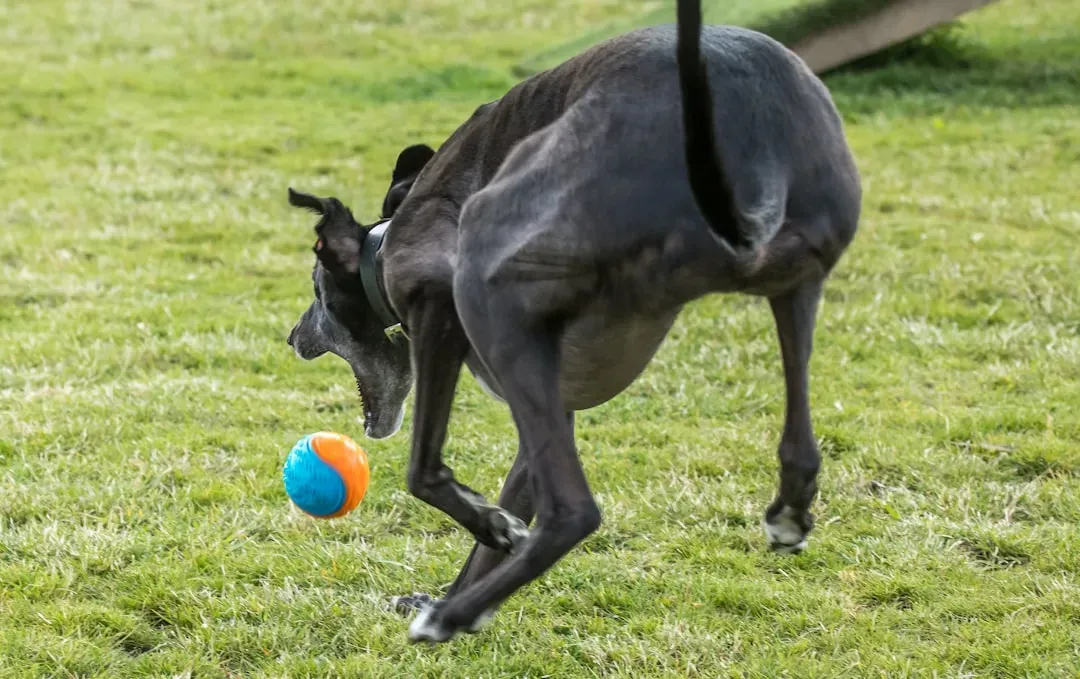
An essential command, “drop it” helps prevent your dog from hurting themselves and your valuables. Whether it’s a stolen sock, a stick with sharp edges, or something truly dangerous like a chicken bone, you need a way to get your dog to release it immediately. This command can genuinely be a lifesaver.
Begin training with a toy or object your dog enjoys holding. Let them take it in their mouth, then say “drop it” while offering a high-value treat in exchange. Say “drop it” and offer a treat in exchange for the item, and once they release the object, reward them. The goal is to teach them that giving up what they have leads to something wonderful.
Practice with different toys and objects to ensure your dog learns to drop whatever you ask. Make it a game rather than a battle of wills. Never chase your dog or yank things from their mouth, as this can encourage keep-away behavior and even resource guarding. Instead, make the trade so appealing that they’re eager to participate.
6. Down: Encouraging Calmness and Control
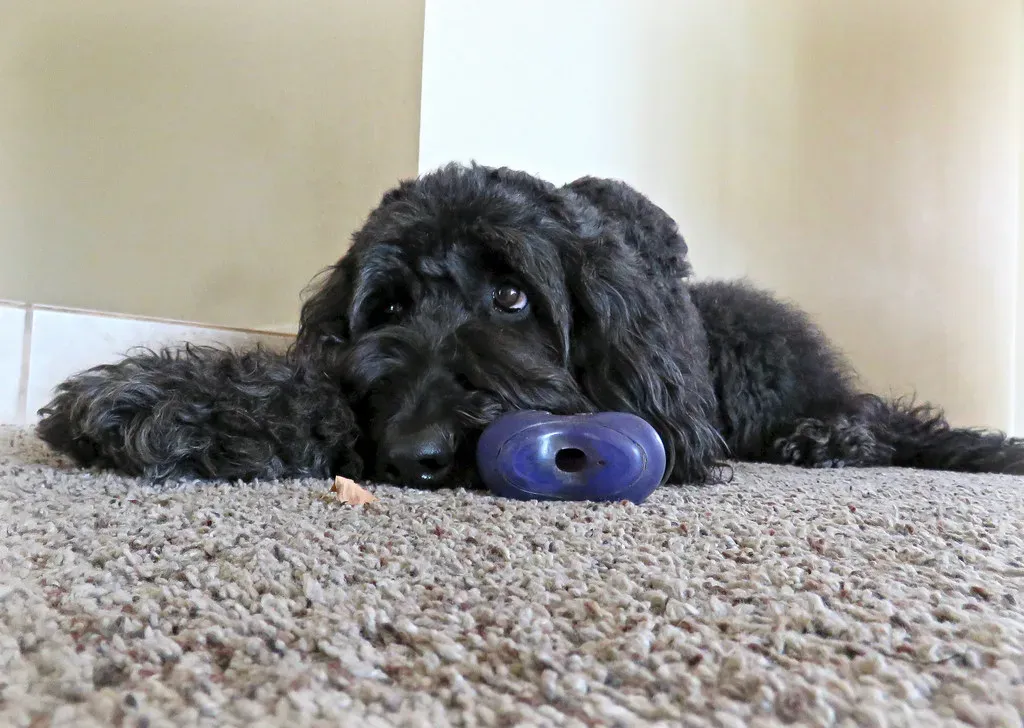
Down helps your dog lie flat and stay calm, as it lowers their energy and prevents jumping or pacing. This command is particularly useful in situations where you need your dog to settle, like during a long wait at the vet, at outdoor cafes, or when you have company over for dinner.
Teaching “down” requires a bit more patience than “sit.” Start with your dog in a sitting position. Hold a treat near their nose, then slowly move it straight down toward the floor between their front paws. Tell your dog to sit, then let them sniff the treat in your hand, and once they’re interested, slowly lower the treat toward the ground. As they follow the treat, their body will naturally fold into a lying position.
The moment their belly touches the floor, say “down” and reward them immediately. Some dogs resist this position at first because it feels vulnerable to them. Be patient and encouraging. The “down” command serves as a practical tool for managing a dog’s behavior in various settings, especially in situations that demand calmness and submission, and can be incredibly useful in bustling environments like crowded parks or during family gatherings. With consistent practice, your dog will learn that “down” is a comfortable, rewarding place to be.
Conclusion
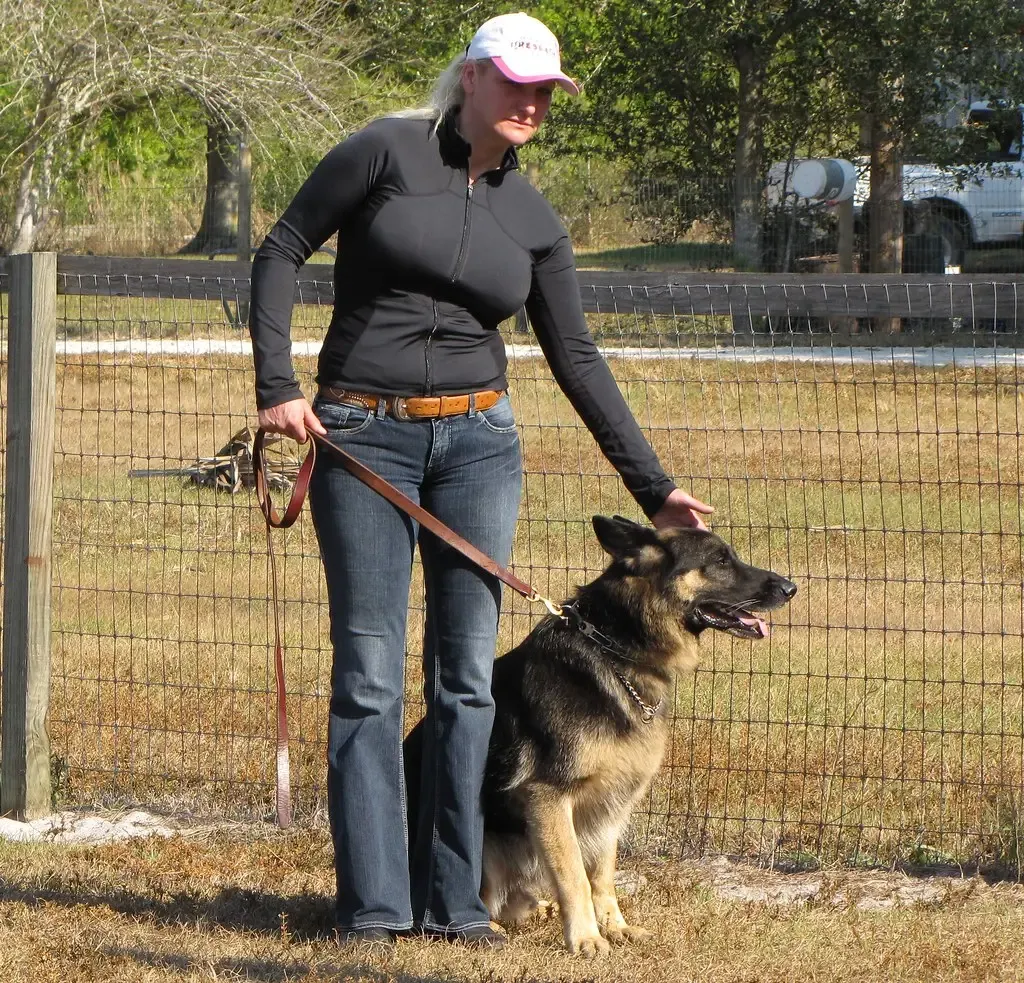
Training these six essential commands isn’t just about creating an obedient dog. It’s about giving your furry companion the tools they need to stay safe, feel confident, and understand what you’re asking of them in any situation. Proper training is one of the most rewarding parts of being a pet owner, and when done right, you set your dog up for a lifetime of happiness, love and safety.
The journey requires patience, consistency, and lots of positive reinforcement. Some days will feel like breakthroughs, others like you’re starting from scratch. That’s completely normal. Keep sessions short, make training fun, and remember that every dog learns at their own pace.
These commands create a shared language between you and your dog, one built on trust and mutual respect. They transform everyday moments and potentially dangerous situations into opportunities for connection and safety. What command has made the biggest difference in your life with your dog? Share your training stories and celebrate those small victories along the way.


