
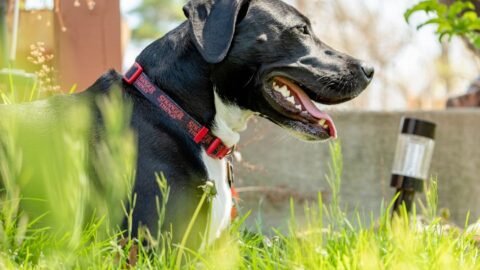
You know that feeling when you’re at a party and your stomach starts tightening, your palms get sweaty, and you’re desperately scanning for the nearest exit? Your dog experiences something remarkably similar in social situations. The difference is, they can’t tell you with words when things feel overwhelming or scary. They’re communicating constantly through their body, but most of us miss those early whispers of discomfort until they escalate into full blown panic or aggression.
Here’s the thing. Studies suggest that roughly one in five dogs show signs of fearfulness, and recognizing those subtle stress signals could be the difference between a confident, happy pup and one who lives in constant anxiety. Let’s dive into those often overlooked cues that your furry friend is silently begging for help.
Those Telltale “Whale Eyes” That Aren’t Just Cute
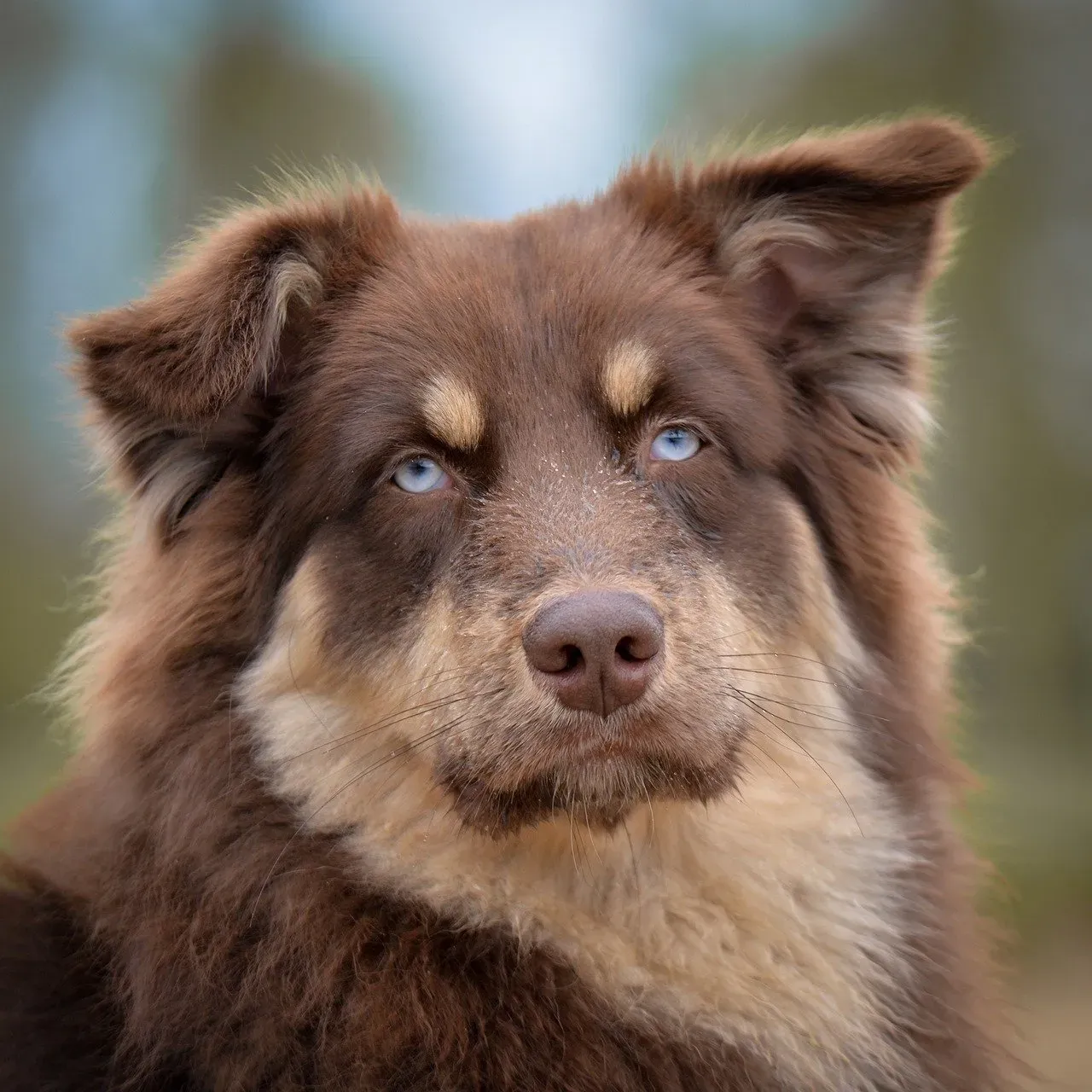
Ever notice your dog giving you a sideways glance where you can see the whites of their eyes? This “whale eye dog” typically expresses stress and anxiety, referring to when you can see the sclera in a crescent shape at either the inner or outer corner of the eyes. It’s easy to mistake this expression for something adorable or meme worthy, but it’s actually an urgent signal.
When a dog is feeling tense, his eyes may appear rounder than normal and show a lot of white around the outside. Picture this: you’re at the dog park and a boisterous Labrador bounds toward your normally friendly terrier. Your dog freezes, turns their head slightly away but keeps their gaze locked on the approaching dog. That crescent of white is practically screaming discomfort.
If ignored, it could lead to growling or even snapping. The key is paying attention before things escalate. Context matters enormously here because sometimes dogs glance sideways during play without any tension whatsoever.
The Tucked Tail and Other Rear End Revelations
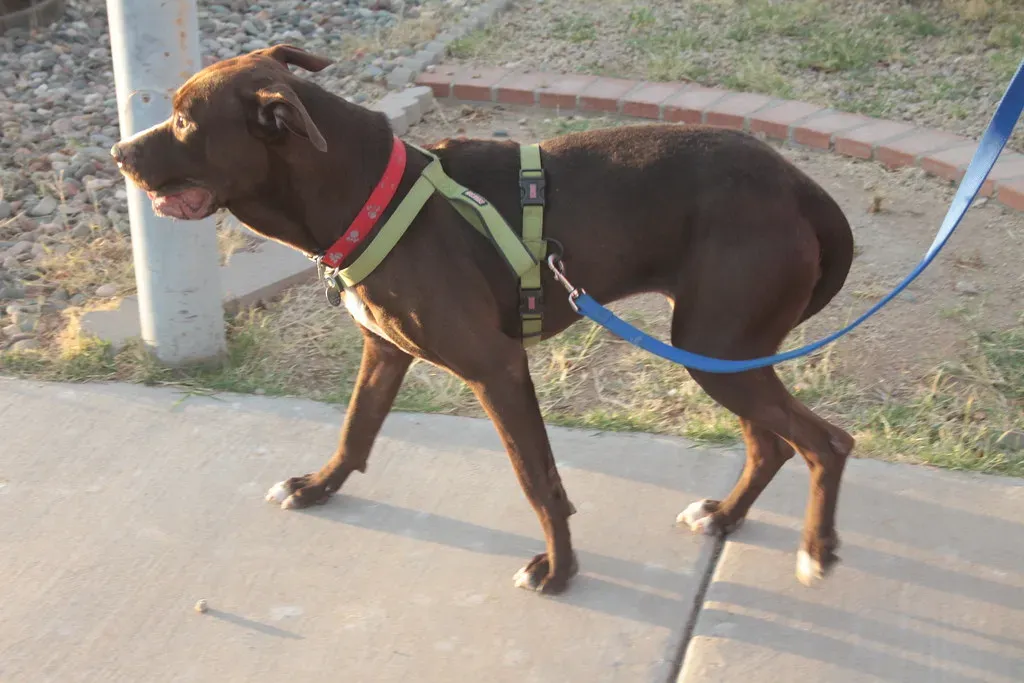
A tail that’s tucked and held low, with slight or fast short wagging motions communicates uncertainty and concern, sometimes seen upon greeting as an appeasement gesture. Honestly, tail language is way more complex than most people realize. That wagging doesn’t automatically equal happiness.
Think about your dog meeting a stranger on the sidewalk. When a dog tucks their tail between their legs, it’s a classic sign of anxiety or fear, reflecting a submissive posture as your dog is trying to make themselves appear smaller. They’re essentially trying to disappear.
A low tail with a slight, stiff wag doesn’t mean that he is enjoying himself but is actually a sign that your pup is worried. I’ve seen too many well meaning people continue approaching a dog displaying this exact signal, assuming the wag means friendliness. It doesn’t.
Yawning, Lip Licking, and the Stress Response Nobody Talks About
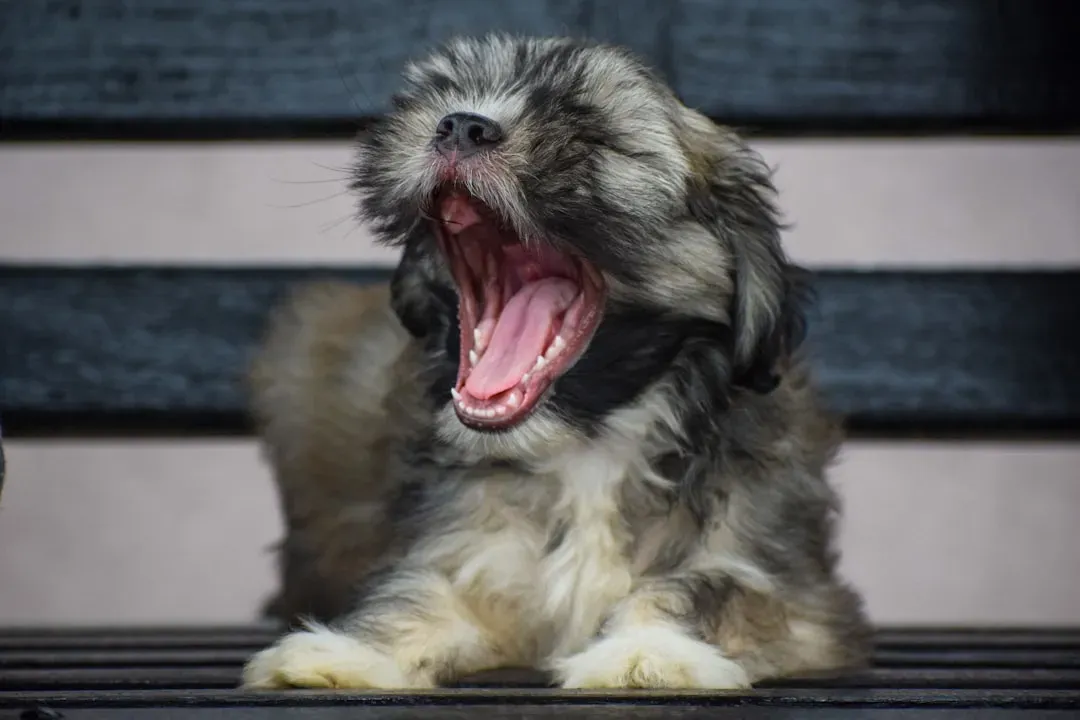
When a dog is anxious, she will often quickly stick out her tongue and lick her lips in a fast, little flick, and this is one of the most common signals. You might think your dog just licked something tasty off their nose, but if there’s no food around, think again.
Dogs yawn when stressed, and a stressful yawn is more prolonged and intense than a sleepy yawn. Let’s be real, if your dog yawns repeatedly while kids are swarming them or during a vet visit, they’re not tired. When surrounded by kids and letting out a big yawn, it’s a sign that she’s in over her head and would appreciate your help.
These displacement behaviors happen when dogs feel conflicted or overwhelmed. A dog might suddenly stop, sit down, and start scratching with intensity when something in their surroundings is worrying them, or they could start sniffing about and licking themselves repeatedly.
Ears Back and Body Language You Can’t Ignore
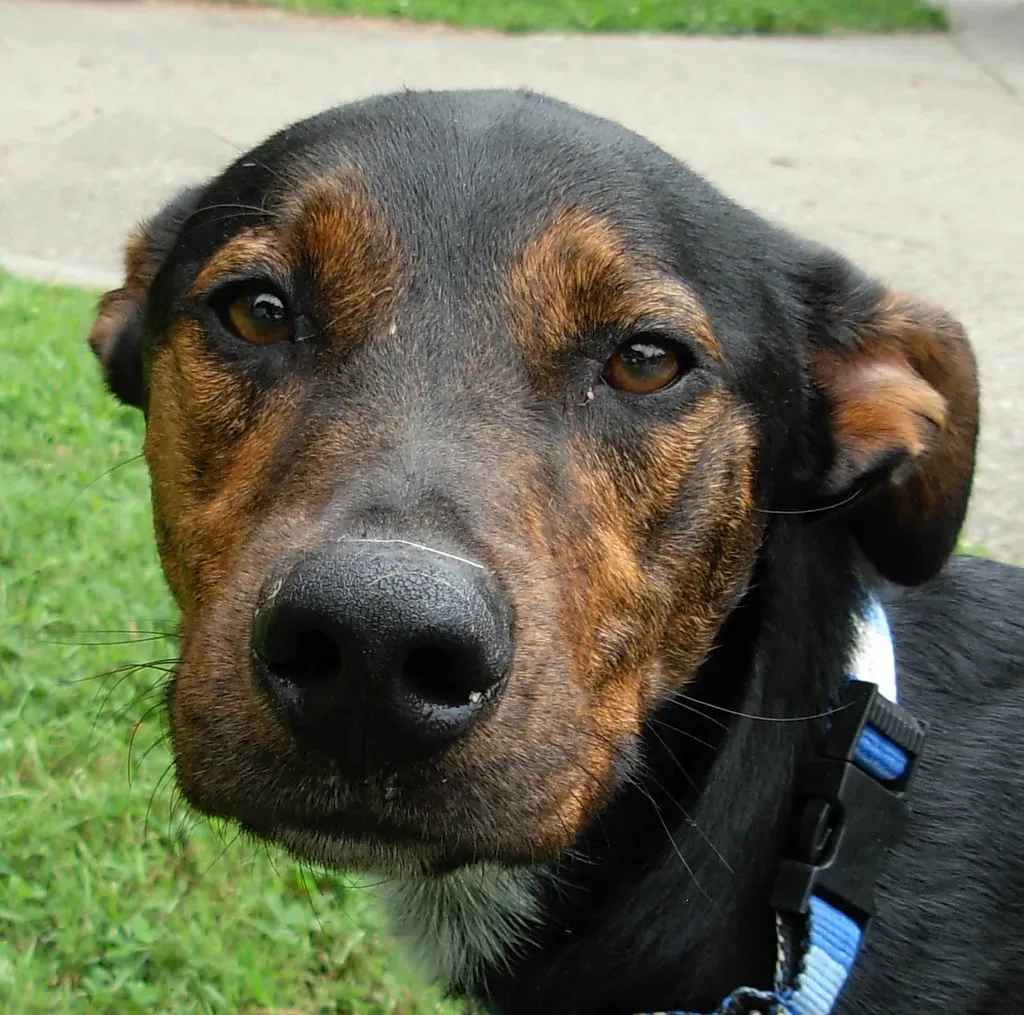
Ears turning backwards or flattening against the head are an indication that your dog is nervous. I know this seems obvious, yet countless dog owners overlook it, especially with floppy eared breeds where the change is more subtle.
Moderate fear or anxiety includes behaviors like panting with a tight mouth, ears back or to the side, a lowered tail, fidgeting, head turning away, and hesitancy to interact. Pay close attention to the whole picture your dog is painting with their body.
Dogs going into flight mode will shrink with their body carried low, head down, flattened ears and tail between the legs, often moving away or hiding behind the owner’s back. When you see this combination, your dog is practically pleading to be removed from the situation.
Panting When It’s Not Hot and Other Breathing Clues
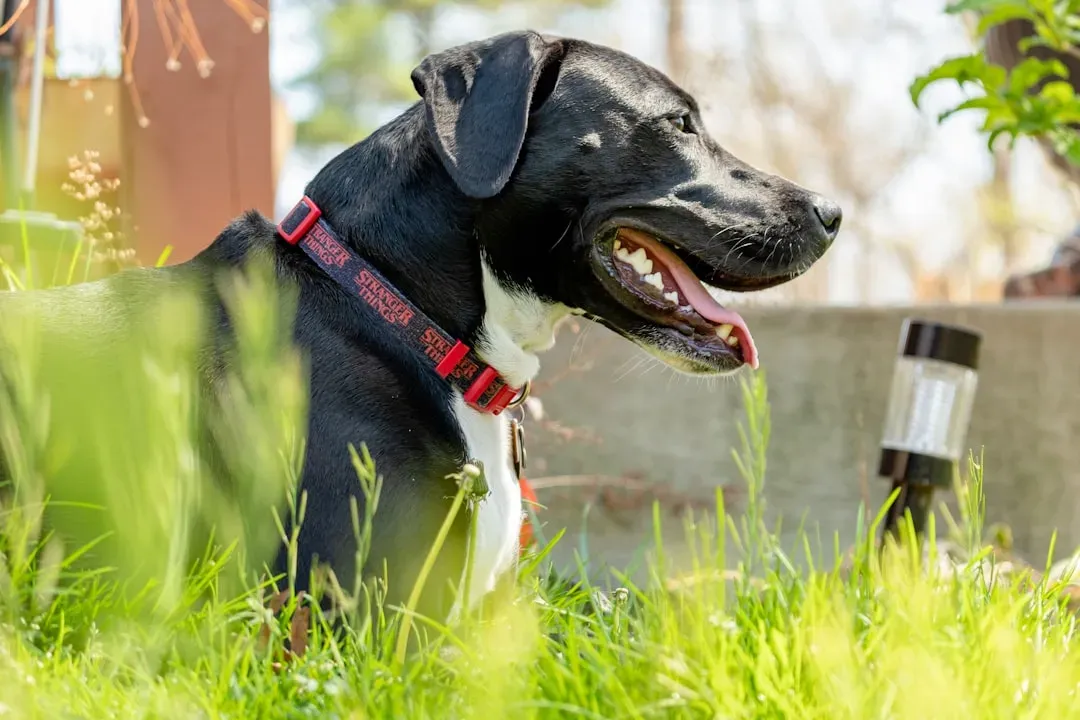
Dogs pant when hot, excited, or stressed, and if your dog is panting even though they have not exercised, they may be experiencing stress. This one gets overlooked constantly because panting seems so normal.
If he begins to pant during a visit in the absence of physical exertion or heat, this is a very obvious sign of stress. Picture your dog at a crowded family gathering, standing in the air conditioned living room, panting like they just ran a marathon. That’s not physical exertion.
A fearful or tense dog will generally keep his mouth closed and may pull his lips back at the corners, and a panting dog who suddenly closes his mouth in response to something in the environment may also be indicating increased stress. These rapid changes in breathing patterns deserve your immediate attention.
Freezing, Hiding, or Trying to Escape the Scene
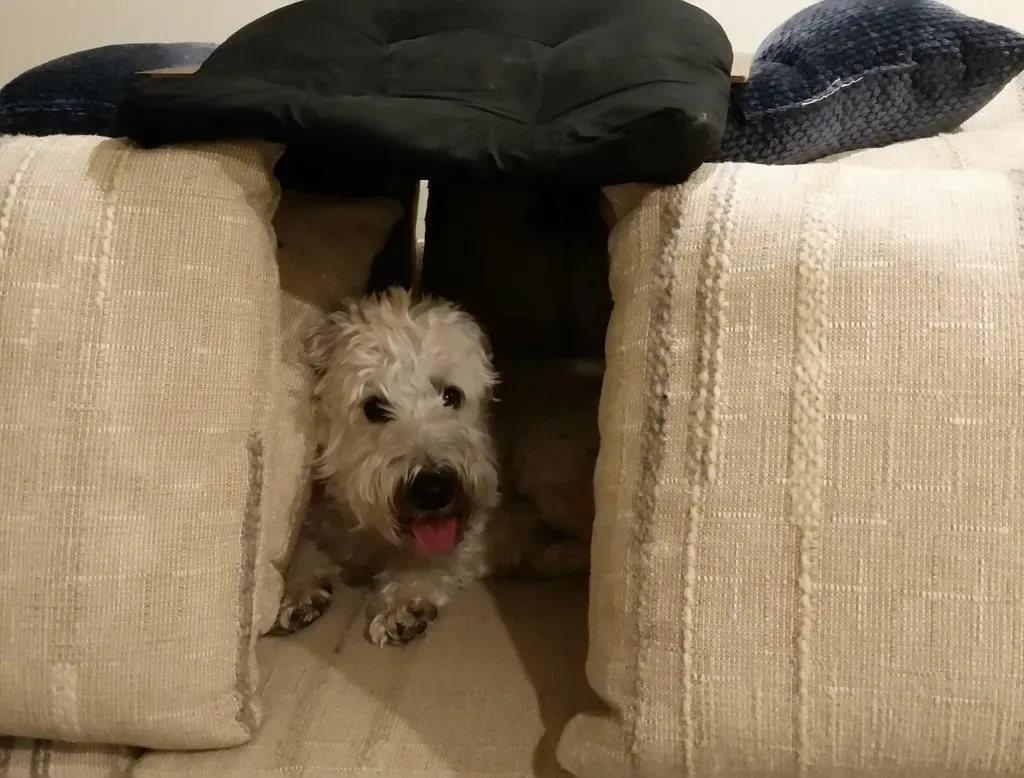
Dogs typically freeze right before they snap or bite. This one honestly terrifies me because people often misinterpret a frozen dog as a calm dog. They’re not calm at all.
Your dog might move away or actively try to avoid whatever is worrying them, and some dogs will try to hide or withdraw from a situation, while others might bolt when frightened, which can be highly dangerous. I’ve witnessed dogs literally pulling toward doorways or trying to squeeze behind furniture during uncomfortable interactions.
Your dog might move away or actively try to avoid whatever is worrying them, and some dogs will try to hide or withdraw from a situation. If your typically social dog suddenly becomes a wallflower or keeps attempting to leave, listen to what they’re telling you. Forcing them to stay puts everyone at risk.
Reading the Room for Your Dog
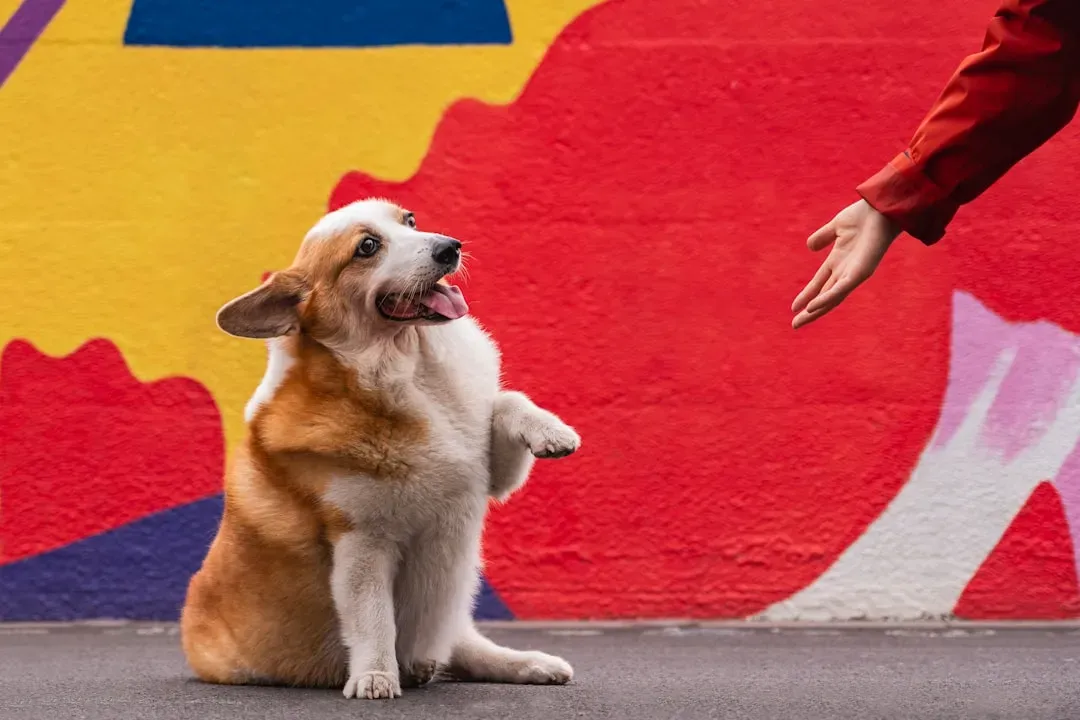
Learning to recognize these signals transforms how you advocate for your dog. Recognizing fear or anxiety in your dog can help you resolve or avoid situations they find difficult, and being able to help your dog avoid the things that worry them will help prevent your dog from developing more established fears.
The best way to calm your dog down is to identify what is stressing them, then eliminate the trigger, or work with a professional trainer or veterinarian to reduce their response to the trigger. Sometimes it’s as simple as stepping away from the situation, creating distance, or ending the interaction before it escalates.
Your dog is counting on you to be their translator and protector in a world that can feel overwhelming. What subtle signs have you noticed in your own dog when they’re feeling uncomfortable? Trust me, once you start seeing these signals, you’ll wonder how you ever missed them.


