

You know that sinking feeling when you open up a fresh bag of premium dog food, carefully measure the perfect portion, and watch your furry friend sniff it once before walking away like you’ve just served them cafeteria leftovers? Yeah, I’ve been there too.
Most of us picture dogs as these bottomless pits who’ll devour anything that remotely resembles food. Yet, some breeds approach mealtime with the discerning taste of a food critic at a five-star restaurant. It’s not that they’re trying to be difficult, honestly. Their picky eating habits often stem from a combination of genetics, sensitive stomachs, and surprisingly refined palates. Let’s dive into six breeds notorious for their finicky eating behaviors and discover how you can turn mealtime struggles into tail-wagging success.
Yorkshire Terrier: The Tiny Food Snob
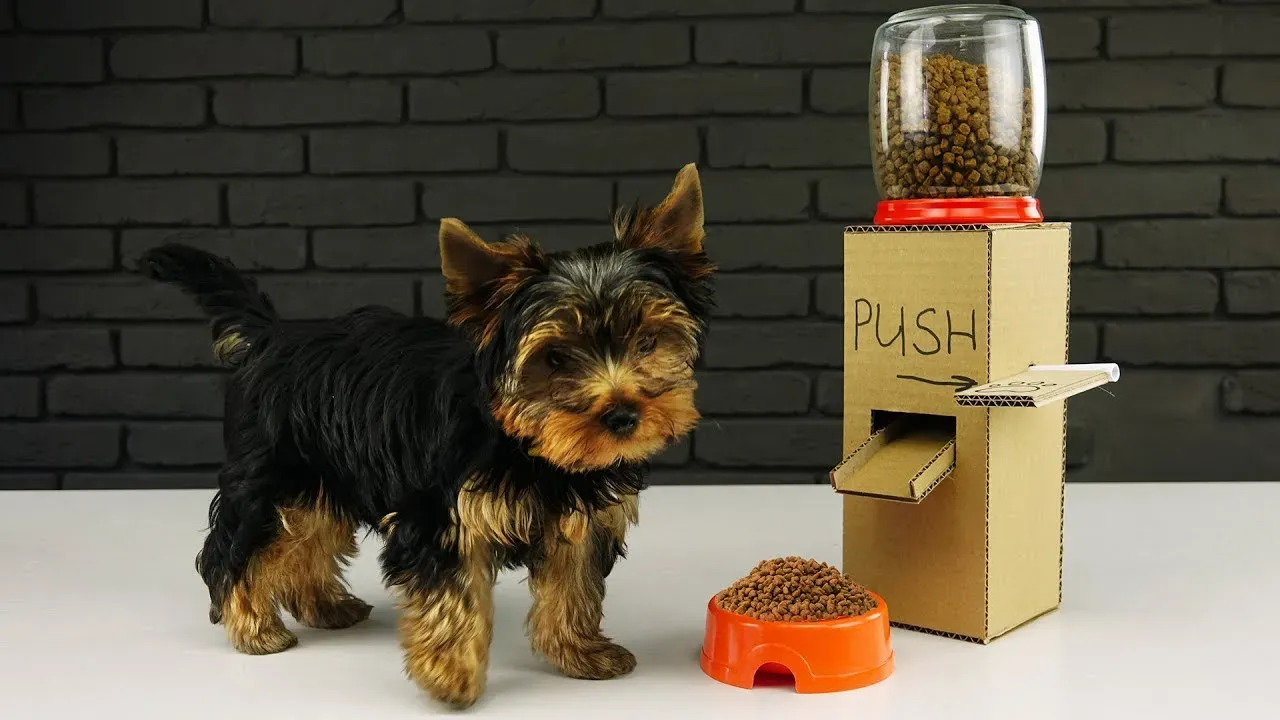
Yorkshire Terriers, or Yorkies, are yet another breed that may become selective with their food, and although they are small, they have large characters, and they will not hesitate to show their disapproval of certain foods. These pint-sized pups pack enormous personalities into their compact frames, and that assertiveness extends straight to their food bowls.
This can be mainly due to their sensitive stomachs, which may not be able to tolerate certain ingredients. Their tiny mouths also mean they often prefer smaller kibble sizes and softer textures that don’t require as much chewing effort. Their tiny stomachs require smaller, nutrient-rich meals, and they tend to reject food that’s bland or too large for their mouths, and these dogs are also sensitive to their environment, as changes in routine, noise, or unfamiliar surroundings can affect their appetite.
What really works for Yorkies? To get the dog to eat better, you can offer smaller meals more often and provide a mixture of wet and dry food. Many Yorkie owners have found great success with freeze-dried dog food toppers, as since the meat is a powder, it coats your existing dog food kibble and improves the flavor. The key is making their meals interesting without completely overhauling their diet every few days.
Chihuahua: The Mighty Miniature With Big Opinions

Chihuahuas, one of the smallest dog breeds, are notorious for being picky eaters. Despite weighing less than a bag of flour, these little dogs have no problem expressing their displeasure when dinner doesn’t meet their standards.
Their small size means they require less food, but it needs to be nutrient-rich to support their high energy levels, and Chihuahuas may refuse food based on texture, taste, or even the size of the kibble. Since they are small in size, they may become more vulnerable to health conditions that can lower their appetite, for instance, dental problems. These dental issues can make eating genuinely uncomfortable, turning them off from certain food textures entirely.
Here’s the thing about Chihuahuas: most of the time, the reason Chihuahuas are picky eaters is a result of humans feeding him scraps from the table or being over-generous with treats throughout the day. They’ve basically trained us to offer them better options. Picky eaters also do best with warmed food and with food that has low-salt chicken or beef broth drizzled over it. The warmth releases those appetizing aromas that can tempt even the most stubborn Chi.
Shih Tzu: The Imperial Gourmet

As a result of their tiny stature, Shih Tzus can become extremely picky, and thus they may refuse food that is not to their liking. Bred as companion dogs for Chinese royalty, it seems these little aristocrats never forgot their palace origins. They approach their food bowl with an air of refinement that would make any emperor proud.
This breed can be quite selective about the taste and texture of its food, and Shih Tzus might refuse to eat if they are not satisfied with the flavor or if the food is not fresh enough. I know it sounds crazy, but these dogs can actually tell when their kibble has been sitting in the bag too long. Their sophisticated noses pick up on staleness that we humans would never notice.
The good news? By providing different flavors and textures, as well as gradually introducing wet food, your dog will look forward to mealtime. Variety truly is the spice of life for Shih Tzus. Mixing things up prevents boredom without creating an expectation that you’ll cater to their every whim. Just remember to transition gradually to avoid upsetting their delicate digestive systems.
Maltese: The Delicate Diner

Maltese dogs are usually picky eaters, especially when it comes to dry kibble, as their tiny mouths and developed tastes make them extremely selective of the textures and flavors that they like. These fluffy white companions look like living cotton balls, but don’t let their adorable appearance fool you into thinking they’re easy to please at dinnertime.
Their delicate digestive systems require high-quality, easily digestible food to avoid gastrointestinal issues, and owners of Malteses need to be mindful of their pet’s specific preferences and dietary needs, often resulting in a trial-and-error approach to finding the right food that their Maltese will consistently eat. It’s frustrating, I’ll admit, but understanding this tendency helps you approach the situation with patience rather than panic.
What helps these delicate diners? The best way to keep your Maltese dog fit and glad is by providing a balanced diet consisting of both wet and dry food, and also, by not making abrupt changes in their diet. They can become quite sensitive to any changes in their diet, which may cause them to lose their appetite. Consistency becomes your best friend when feeding a Maltese.
Dachshund: The Stubborn Sausage

Dachshunds are characterized as creatures of stubborn nature, and this trait may even apply to their alimentary habits. Anyone who’s owned a Dachshund knows that “stubborn” might actually be an understatement. These long-bodied, short-legged charmers were bred to hunt badgers independently, so determination runs deep in their DNA.
Such dogs might choose not to eat at all if the food does not look or smell nice enough to them, and on top of that, Dachshunds have a delicate digestive system, which might be the reason why they pick their food very selectively. They’re not just being difficult for the sake of it. Their bodies genuinely react poorly to certain ingredients, making them cautious about what goes into their mouths.
Breaking through that Dachshund stubbornness requires strategy. Do not lose your patience and keep trying various foods until you find the one that suits your Dachshund the best, and also, the incorporation of some premium treats can be of a great assistance. The secret is finding that magical combination that appeals to both their taste buds and their sensitive stomachs, then sticking with it.
Pomeranian: The Fluffy Foodie
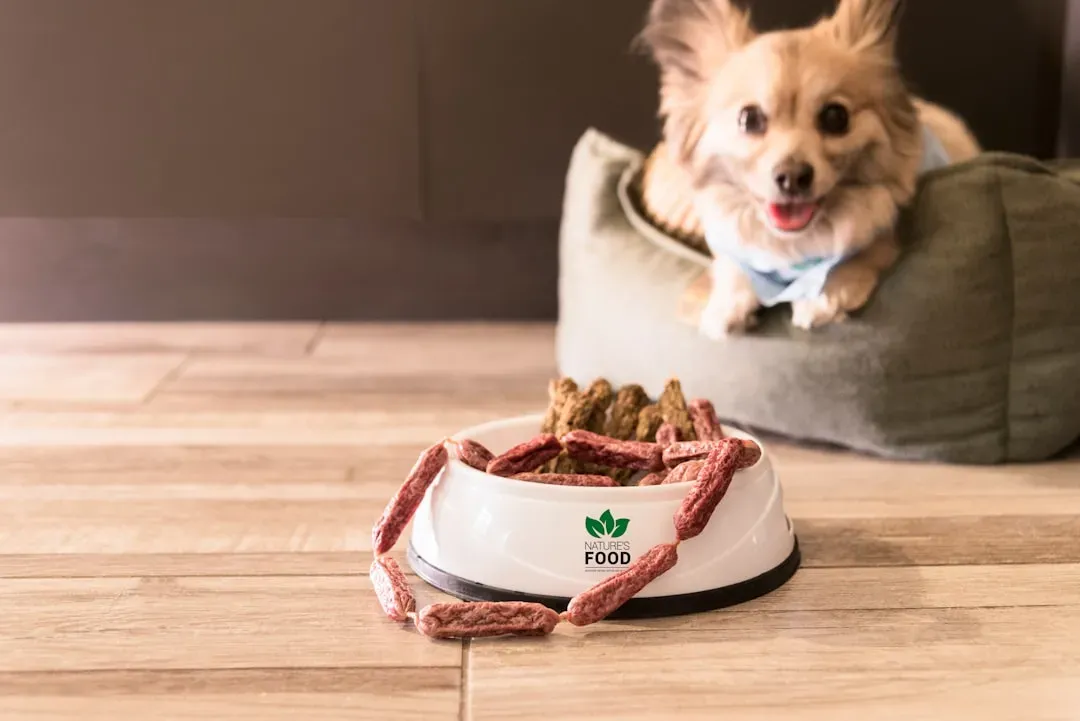
Pomeranians, adorable with their fluffy coats and charming personality, can sometimes be quite particular about their food, as Pomeranians are generally picky, and as a result, they may reject a meal that is not up to their standard. These little fluffballs descended from much larger sled-pulling dogs, but somewhere along the breeding process, they developed tastes as refined as their miniature size.
This might be a consequence of their stubborn nature and a need for different types of food in their meals. Like their Dachshund cousins, Pomeranians possess an independent streak that extends to mealtime preferences. They know what they like, and they’re not shy about letting you know when you’ve missed the mark.
The solution? You may want to feed your Pomeranian premium, healthy food with different flavors to make them stay interested in eating. Quality matters more than quantity with these tiny companions. Rotating between high-quality proteins keeps them engaged without overwhelming their small stomachs or creating nutritional imbalances.
Conclusion: Winning the Battle of the Bowl
Let’s be real: dealing with a picky eater can test even the most patient dog parent. The good news is that understanding why your breed tends toward finicky eating makes the whole situation less frustrating and more manageable.
One way to help stimulate appetite is to entice your dog to eat by offering his favorite treats, making a special snack like boiled chicken, or warming up his food, and for a sick or geriatric dog that’s picky about eating, one of the easiest options to try is tempting him to eat chicken. The key is to serve your dog’s meals at consistent times each day, allowing about 15-30 minutes for them to eat, and if they haven’t finished in this time, remove the food until the next mealtime.
Remember that certainly, the first thing to rule out is whether Fido has an underlying medical condition that’s affecting his appetite, as if Fido has severe periodontal disease, gastrointestinal disease or any systemic illness such as kidney or liver failure, this can obviously affect his appetite. Always check with your vet before assuming your dog is just being fussy.
With patience, consistency, and a few clever tricks up your sleeve, you can transform mealtime from a daily struggle into something both you and your picky pup can actually enjoy. What tricks have worked best for your finicky friend? Share your experiences in the comments below.


