
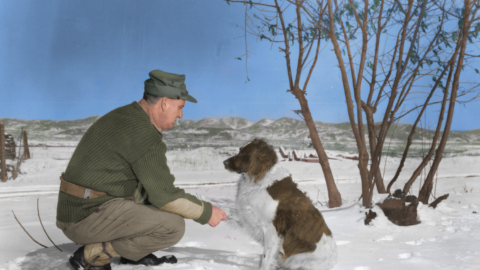
Have you ever felt like your dog just isn’t getting it, no matter how many times you repeat the command? You’re standing there with treats in hand, patience wearing thin, wondering what went wrong. Let’s be honest. Training a dog can feel like a roller coaster of hope and frustration.
The truth is, most training roadblocks aren’t about your dog being stubborn or dim. More often than not, it’s about the approach we take as handlers. Small missteps in timing, consistency, or expectations can slow progress to a crawl or even create new problems. I’ve seen it happen countless times, and I think it’s important we talk about these common pitfalls openly, without judgment.
Think of training like teaching a language. If the rules keep changing or the vocabulary gets muddled, how can your dog possibly understand what you’re saying?
The good news is that once you recognize these mistakes, they’re surprisingly easy to fix. So let’s dive in and uncover the six training errors that might be standing between you and the well-behaved companion you’ve been working so hard to achieve.
Inconsistent Commands and Rules
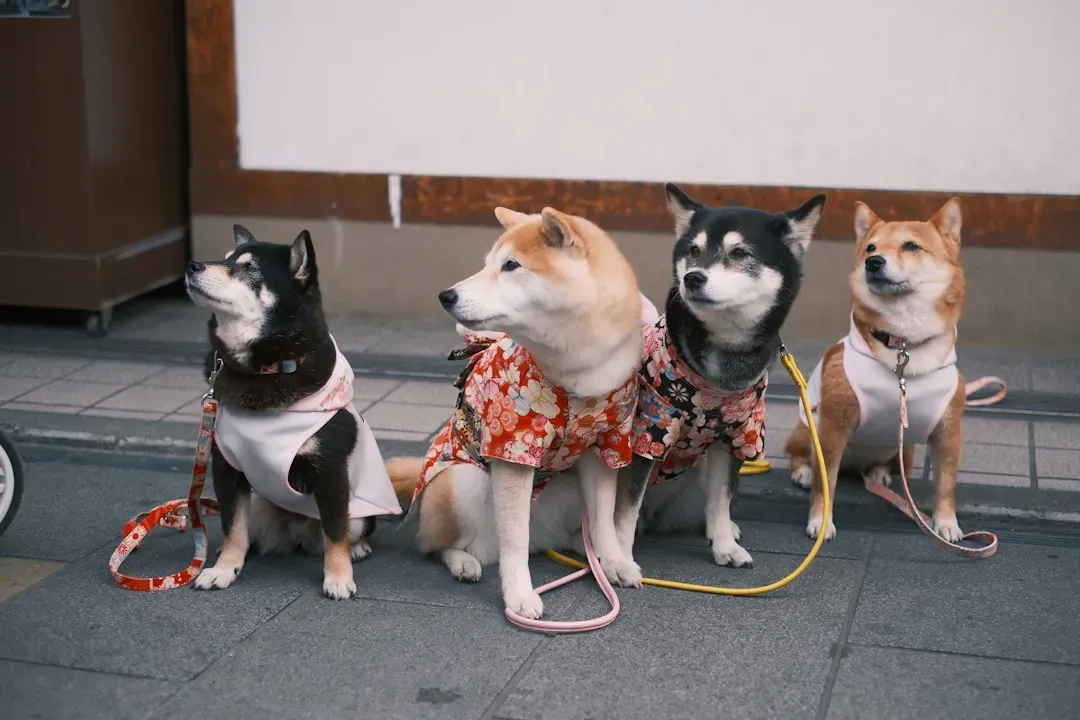
One of the biggest training killers is inconsistency. Dogs learn best when commands and rules remain the same, so if you allow your dog on the couch today but scold them for it tomorrow, they’ll become confused. Imagine trying to learn a new skill where the instructions constantly change. Frustrating, right?
This happens more often than you’d think, especially in multi-person households. Maybe you say “down” when you want your dog to lie down, but your partner says “lay down,” and your kids say “get down.” Use the same command words each time, and ensure all family members follow the same rules and commands. Your dog isn’t being difficult when they don’t respond. They’re genuinely confused about what you’re asking.
Inconsistent training methods, rules and expectations can confuse your dog and hinder their progress. The key here is establishing clear boundaries and sticking to them. Write down your commands if you need to. Have a family meeting about what behaviors are acceptable and what aren’t.
Dogs learn through repetition, and using the same cues, routines, and rewards helps them connect actions with outcomes. When everyone in the household uses the same language and enforces the same rules, your dog can finally relax into understanding exactly what’s expected of them.
Poor Timing with Rewards
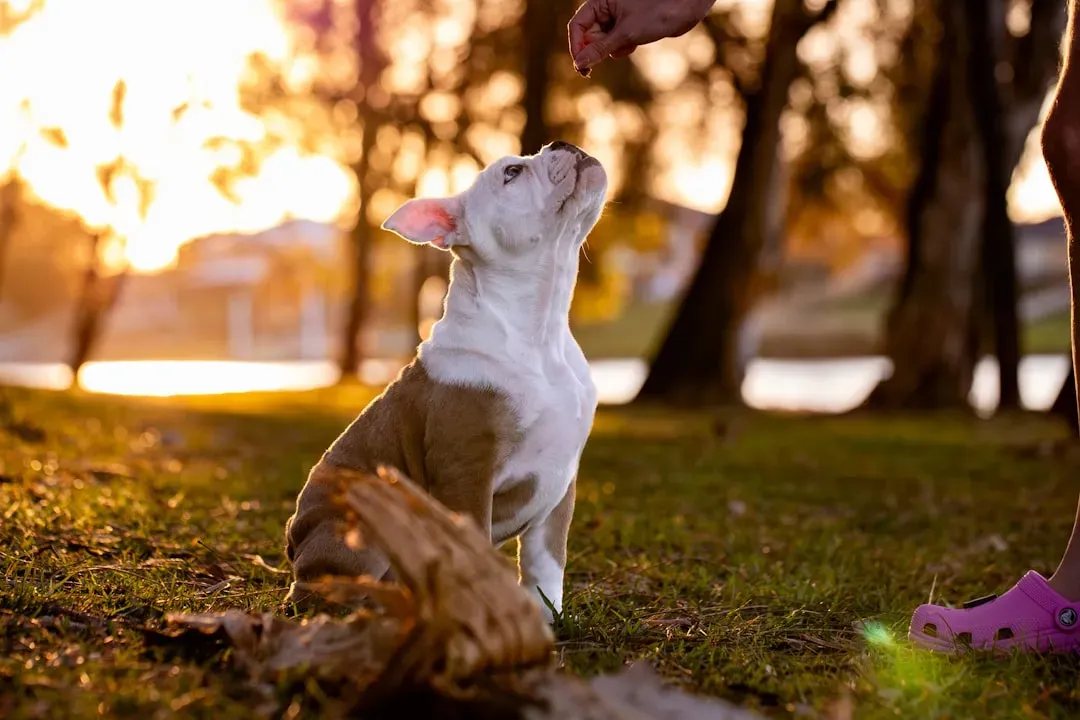
Timing is everything in dog training, yet it’s one of the trickiest skills for us humans to master. The reward must occur immediately (within seconds) of the desired behavior, or your pet may not associate it with the proper action. Think about it like this: you ask your dog to sit, they sit beautifully, but then you fumble around in your pocket for a treat while they stand back up. What behavior did you just reward?
If they do sit but you give it to them after they’ve already stood up again, they may start to believe that standing up is what earned the treat, not the sit. This happens all the time, and honestly, it’s not our fault. We’re just not wired to react as quickly as dogs learn.
Research shows that the time required for dogs to obey commands was significantly increased in delayed conditions, suggesting that timing is an important factor affecting a dog’s behavior not only while learning new things, but also in the production of learned desirable behaviors. Even delays as short as half a second can make a difference.
The solution? Use a marker system – a consistent sound or word like “yes!” or a clicker that tells the dog exactly when they did it right, because the marker needs to happen instantly even if the reward follows after. This bridges the gap between the perfect behavior and your slightly slower human reflexes.
Training Sessions That Are Too Long or Too Frequent
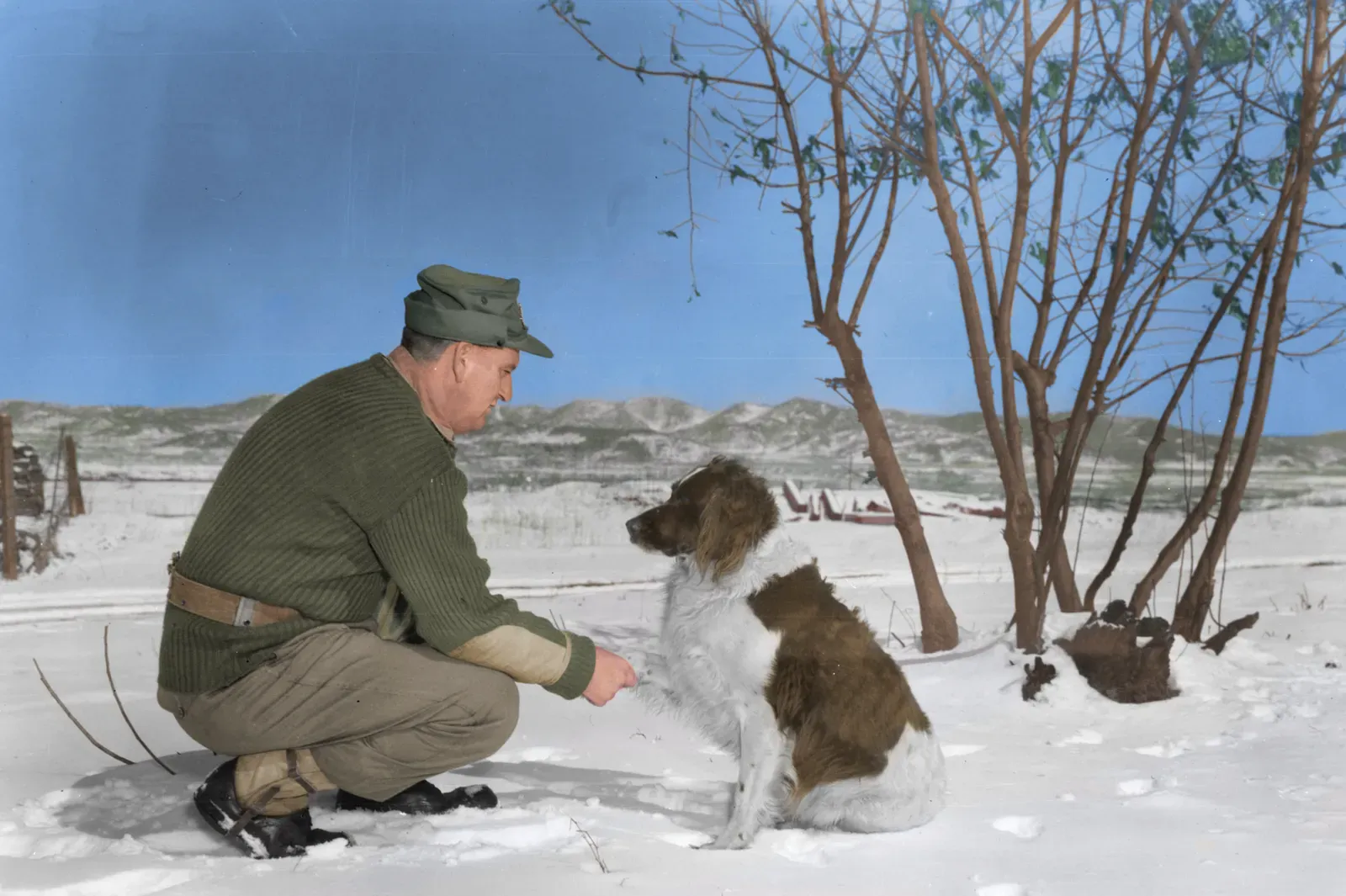
Here’s something that surprised me when I first learned about it. More training isn’t always better. While dogs love training, earning yummy treats, and hearing enthusiastic praise, they really don’t appreciate multiple sessions per day and tire of being drilled, because learning requires a lot of brain power and is fatiguing. Think about how you feel after an intense study session.
Your dog’s brain gets tired too. When fatigue sets in, they stop absorbing information and might even start making more mistakes. Professional trainers know that it’s more beneficial to work in two or three minutes of training rather than longer sessions, and keeping training sessions under five minutes keeps the dog’s energy, enthusiasm and motivation high. Yes, you read that right. Just a few minutes!
I know that sounds impossibly short, especially when you’re excited about making progress. The temptation to keep going when things are going well is real. Seeing your dog catching on and figuring out what you want them to do is exciting, but continuing when your dog’s energy is flagging does you no favors.
Try setting a timer or counting out ten treats before you start. When the timer goes off or the treats run out, end on a high note. Your dog will remember that success and come back to the next session eager and motivated instead of mentally exhausted.
Skipping the Basics and Moving Too Fast
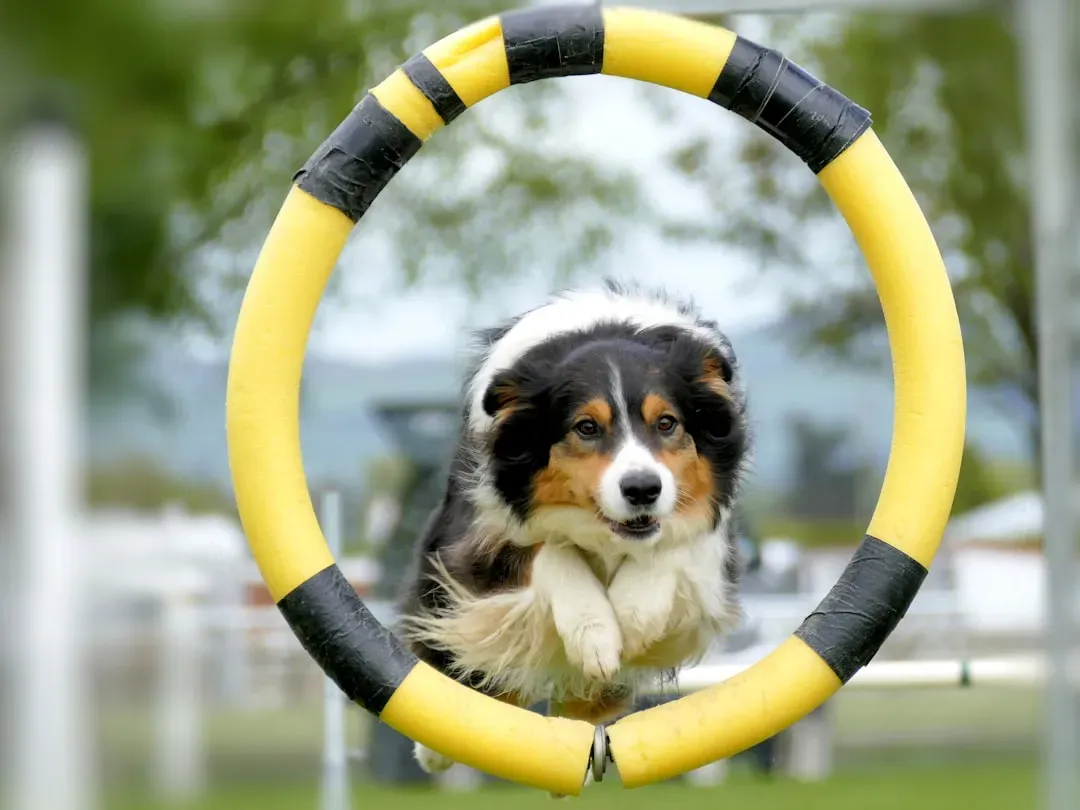
Trying to teach multiple commands at the same time can overwhelm your dog and cause confusion, so focus on one command at a time until your dog masters it and keep commands simple – dogs respond best to short, clear instructions. I get it. You want your dog to know everything right now. Sit, stay, come, heel, leave it, and more.
The reality is that layering too many new skills at once creates a confusing jumble in your dog’s mind. It’s like trying to learn French, Spanish, and Italian simultaneously. Everything bleeds together. Common mistakes in teaching sit and stay include moving too fast, not being consistent with cues, or getting frustrated, and patience is key.
Start with one foundational skill and practice it in a calm, distraction-free environment first. Only when your dog can perform that behavior reliably should you introduce the next command. Build a solid foundation before you add fancy tricks or complex sequences. Only progress when your dog is successful at the current stage.
Proofing behaviors in different environments is equally important. Your dog might sit perfectly in your living room but act like they’ve never heard the word when you’re at the park. Gradually increase distractions and change locations as your dog’s understanding deepens, not before.
Accidentally Rewarding Unwanted Behaviors
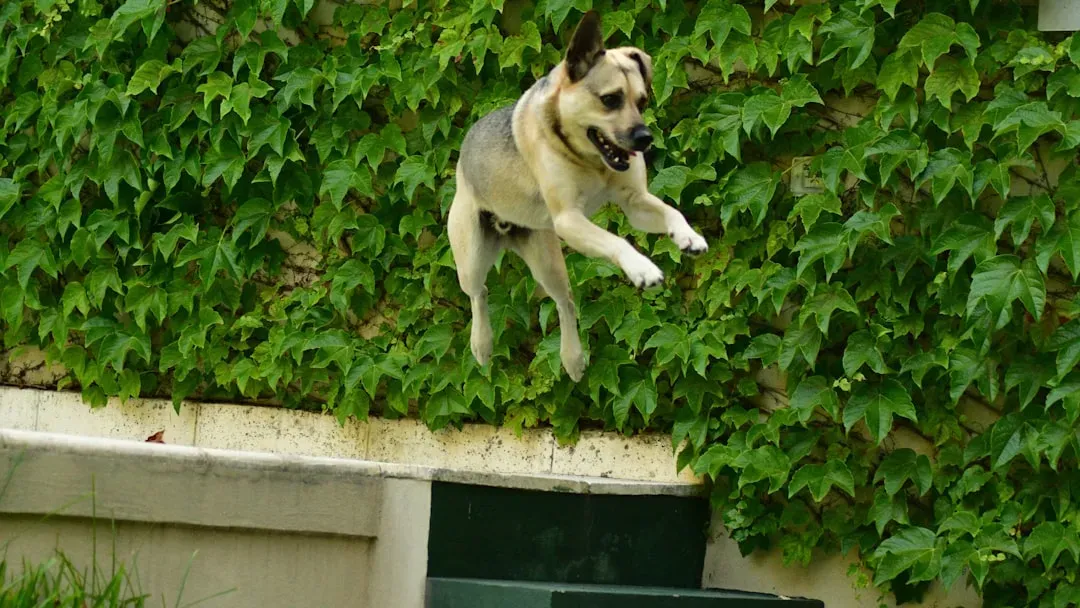
This one sneaks up on everyone, and it’s heartbreaking to realize. If you pet or talk to your dog when they jump on you, they’ll think jumping is okay, because without realizing it, many owners encourage bad habits this way. Your attention, even negative attention, can act as a powerful reward from your dog’s perspective.
For a dog who likes attention and touching, any attention rewards jumping – even negative attention, such as being pushed, because successful trainers see the world through the dog’s eyes. Yelling “no” while making eye contact and touching your dog to push them down? That’s still attention, and attention is exactly what they wanted.
The fix requires changing your own behavior first. To change your dog’s behavior, you must first change your behavior, which means refraining from accidentally rewarding undesirable behavior and instead teaching and rewarding an acceptable alternative behavior. When your dog jumps, turn away completely. Become boring and unresponsive.
The moment all four paws are on the ground, that’s when you shower them with praise and attention. You’re teaching them that calm, polite behavior is what opens the door to all the good stuff. It takes discipline on your part, especially when your dog is being adorable, but consistency here pays off beautifully.
Forgetting That Every Dog Learns Differently
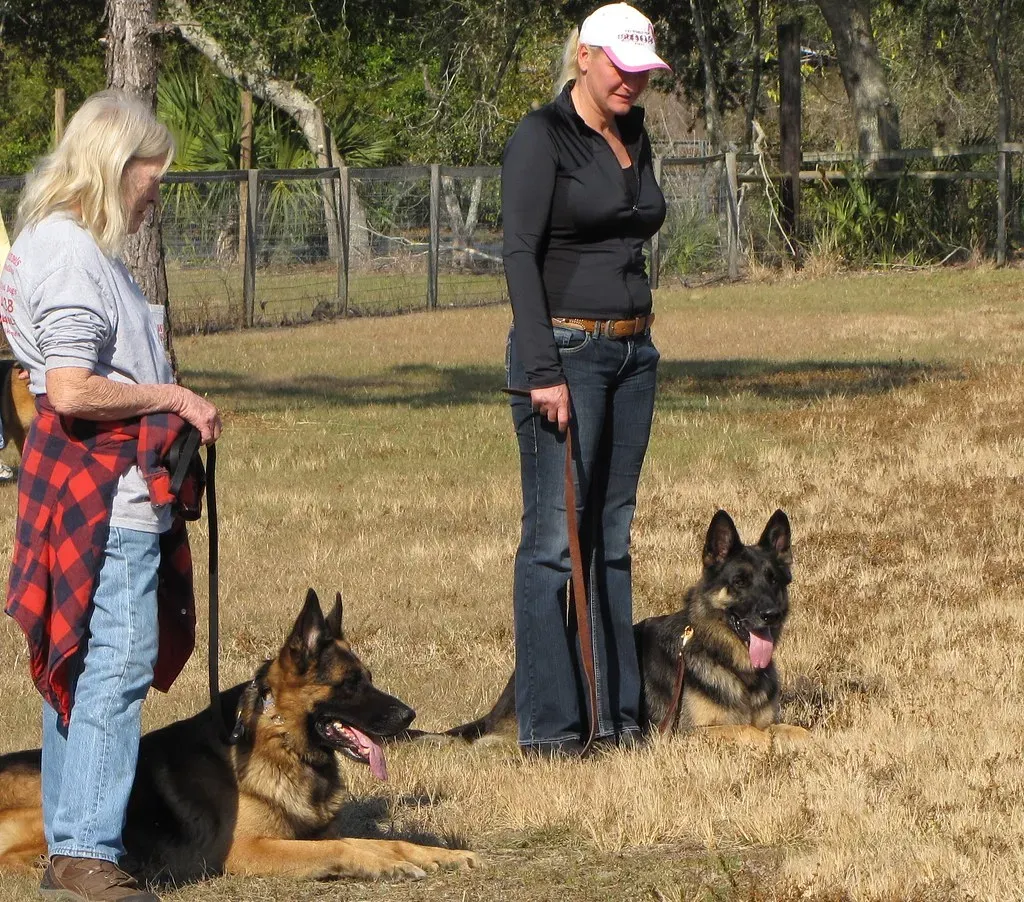
Not every dog is motivated by the same things, and one-size-fits-all approaches rarely work. Some dogs would do backflips for a piece of cheese, while others couldn’t care less about food but lose their minds over a squeaky ball. Rewards can include treats, praise, or play, depending on what motivates your dog most. You need to figure out what currency your specific dog values.
Age, breed, temperament, and past experiences all shape how a dog learns. While puppy training gear is often emphasized, adult dogs are fully capable of learning new routines, and puppies may learn faster while adult dogs often bring better focus. Don’t write off an older dog or expect a young puppy to have the same attention span as an adult.
Honestly, I think we sometimes forget that dogs are individuals with unique personalities. A high-energy Border Collie needs a different training approach than a laid-back Basset Hound. What worked for your last dog might not work for this one. Pay attention to your dog’s responses, energy levels, and preferences.
The key is matching your training tools to your dog’s size, strength, and behavior patterns. Adjust your methods based on what you observe. If your dog shuts down with too much pressure, ease up. If they’re easily distracted, work in quieter spaces. Training should feel like a conversation, not a lecture, where you’re both learning about each other along the way.
Conclusion
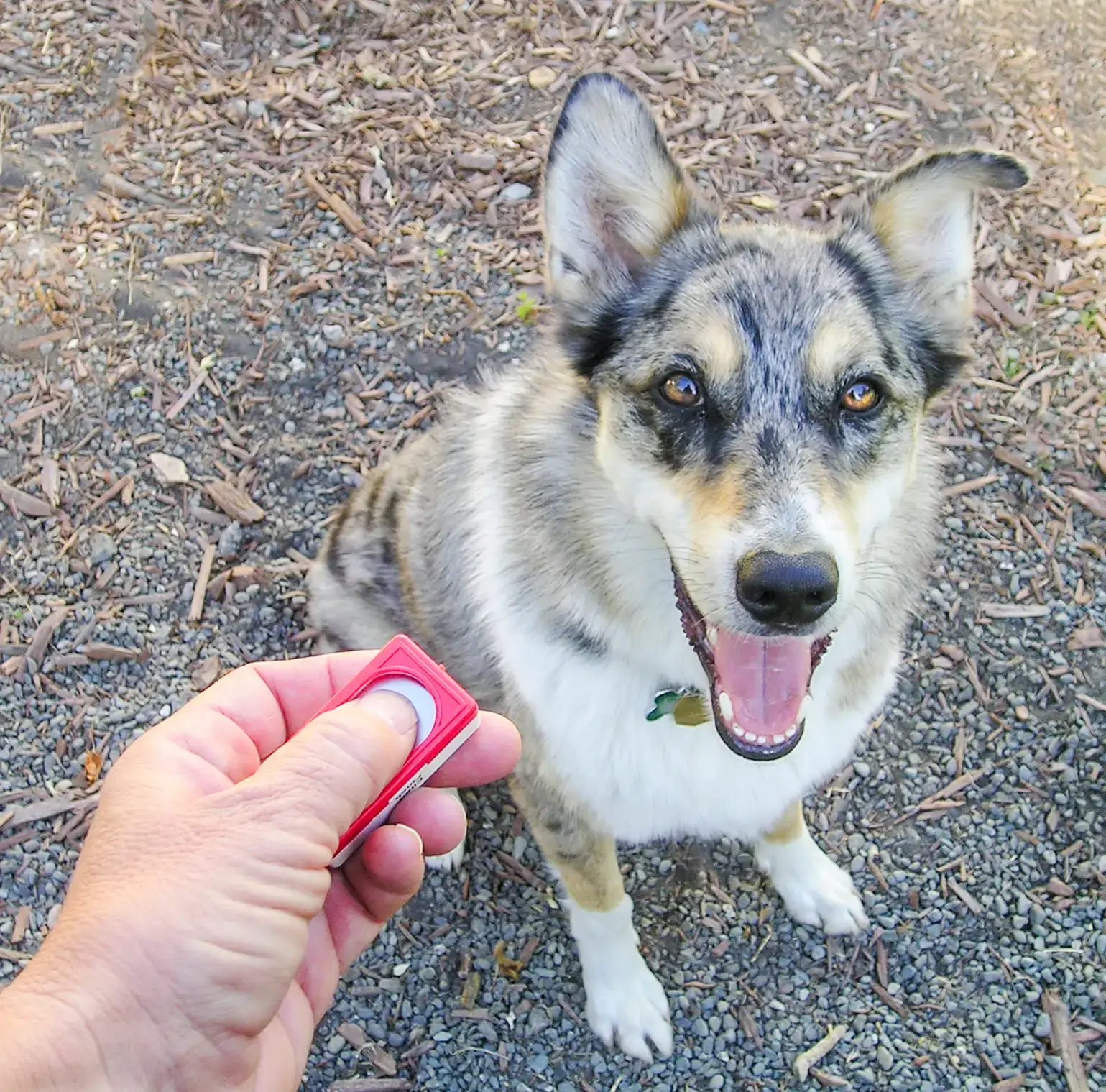
Training your dog doesn’t have to be complicated, but it does require awareness and patience. These six mistakes happen to the best of us, and recognizing them is the first step toward real progress. When you stay consistent, time your rewards well, keep sessions short and focused, build skills gradually, avoid accidentally reinforcing problem behaviors, and honor your dog’s individual learning style, everything starts to click.
Remember that training is a journey you’re taking together. There will be setbacks and breakthroughs, frustrating days and magical moments when your dog suddenly gets it. That’s all part of the process. Your efforts in training translate directly into a deeper understanding, mutual respect, and an unbreakable bond between you and your dog.
What training challenges are you facing with your pup right now? Have you noticed any of these mistakes in your own approach? Share your experiences in the comments below – we’d love to hear what’s working for you and where you could use some support.


