
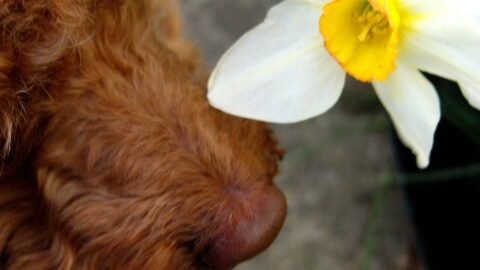
You know that feeling when your pup wanders over to the windowsill, sniffs at your favorite houseplant, and you suddenly wonder if you should be worried? Let’s be real, our dogs don’t come with built-in plant toxicity detectors. They’re curious, they explore with their mouths, and sometimes that leafy green decoration looks suspiciously like something worth investigating.
Here’s the thing, many of the plants we keep in our homes to brighten up our spaces can actually pose serious risks to our four-legged companions. Some cause mild tummy troubles, while others can lead to life-threatening emergencies. The good news is that with a bit of knowledge and some smart choices, you can create a beautiful home that’s also safe for your pup. So let’s dive in and explore six common household plants that might be lurking in your home right now, and what you need to know to protect your beloved dog.
Sago Palm: The Deceptively Dangerous Tropical Beauty
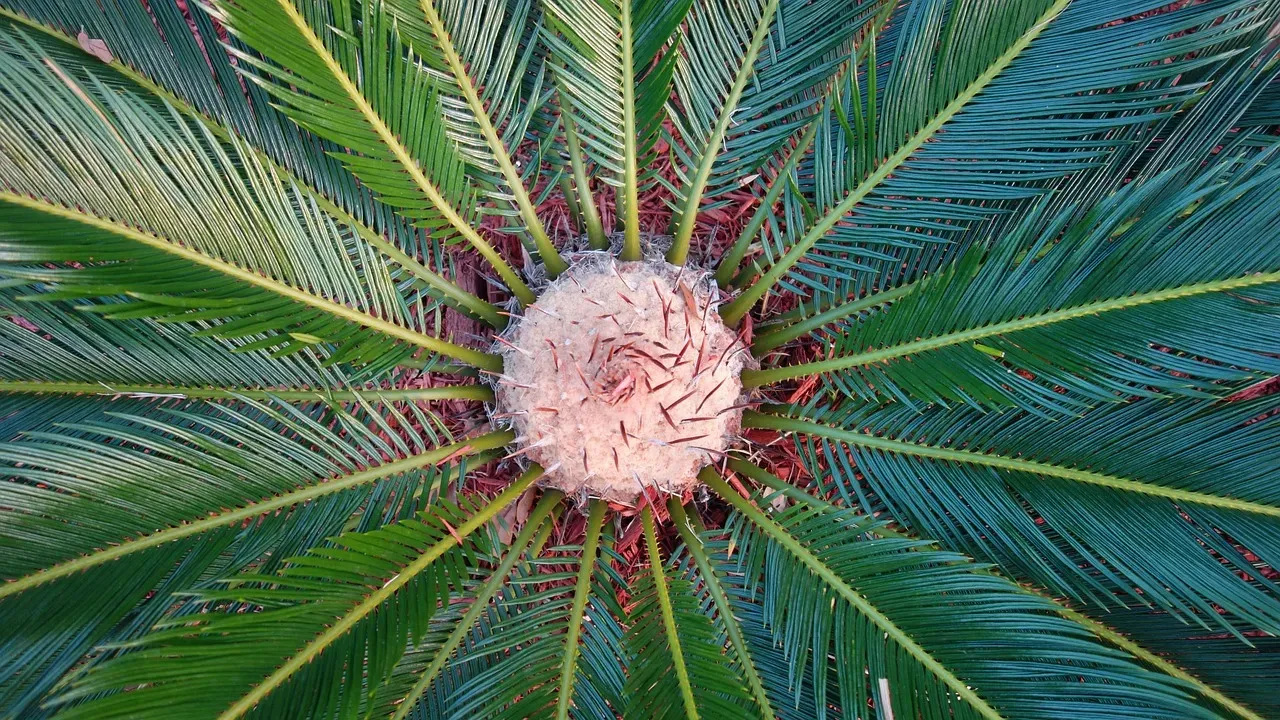
The sago palm is considered one of the most toxic plants for dogs, with every part of the plant being toxic, especially the seeds. This popular ornamental plant, often seen in homes because of its striking appearance, contains a deadly toxin called cycasin that’s particularly brutal on your dog’s liver.
If your dog nibbles on this plant, things can go downhill fast. Dogs experience vomiting soon after eating, along with increased salivation and thirst, and in severe cases, liver and kidney necrosis can happen which is life threatening. Watch for signs like bloody stools, decreased appetite, or jaundice appearing on their skin or gums. Honestly, this is one plant I’d recommend removing from any home with dogs entirely.
Pothos: That Trendy Trailing Vine Isn’t So Innocent
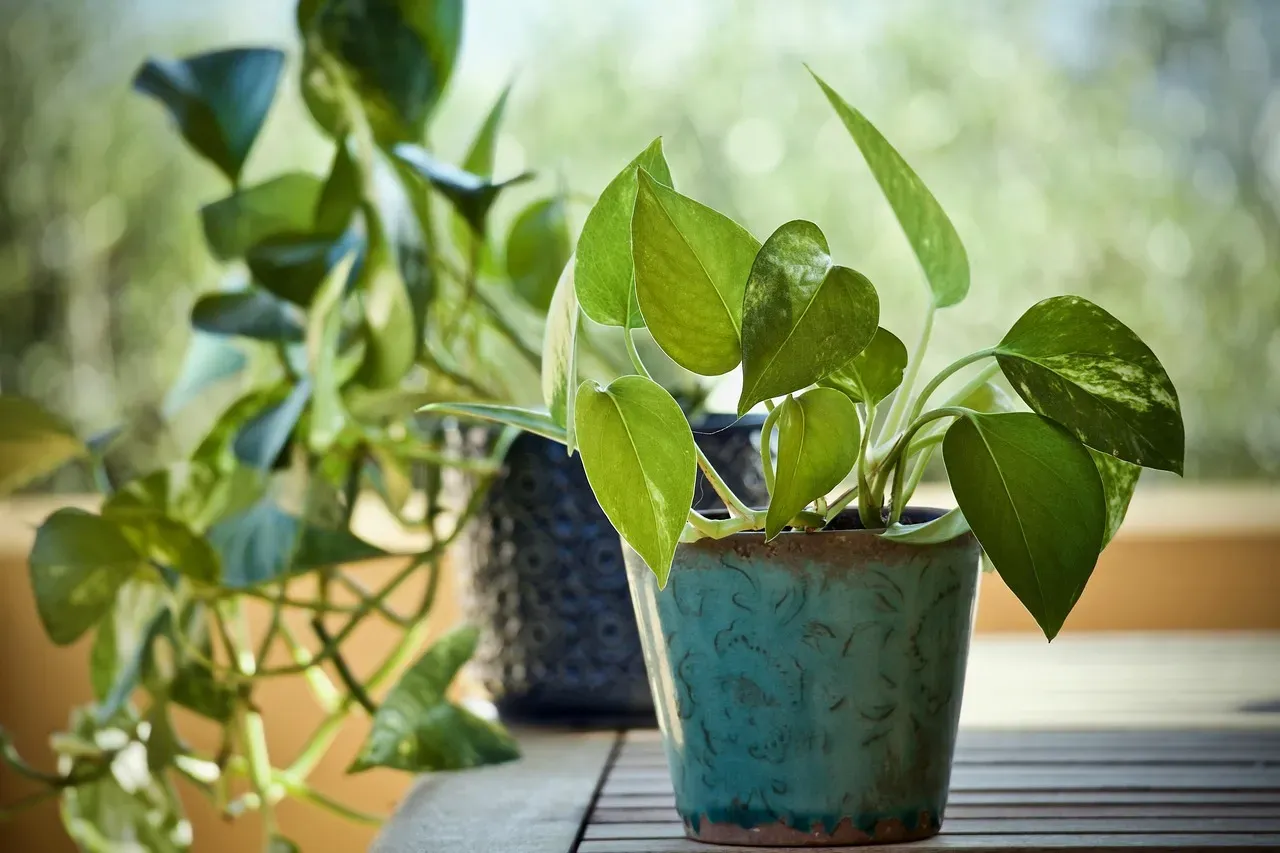
You’ve probably seen pothos everywhere lately. It’s that gorgeous trailing plant with heart-shaped leaves that every interior design influencer seems to love. Pothos plants contain insoluble calcium oxalate crystals found in all parts of the plant, and symptoms result immediately when chewed.
Picture this: your dog takes a bite, and those microscopic crystals act like tiny shards of glass in their mouth. These microscopic crystals, when chewed or swallowed by dogs, can cause oral irritation, excessive drooling, and difficulty swallowing. You’ll likely notice your pup pawing at their mouth, drooling excessively, or even vomiting. The good news is that most dogs don’t continue eating once they feel that initial burn, so severe poisonings are less common.
Aloe Vera: Your Skin Healer Is Your Dog’s Enemy
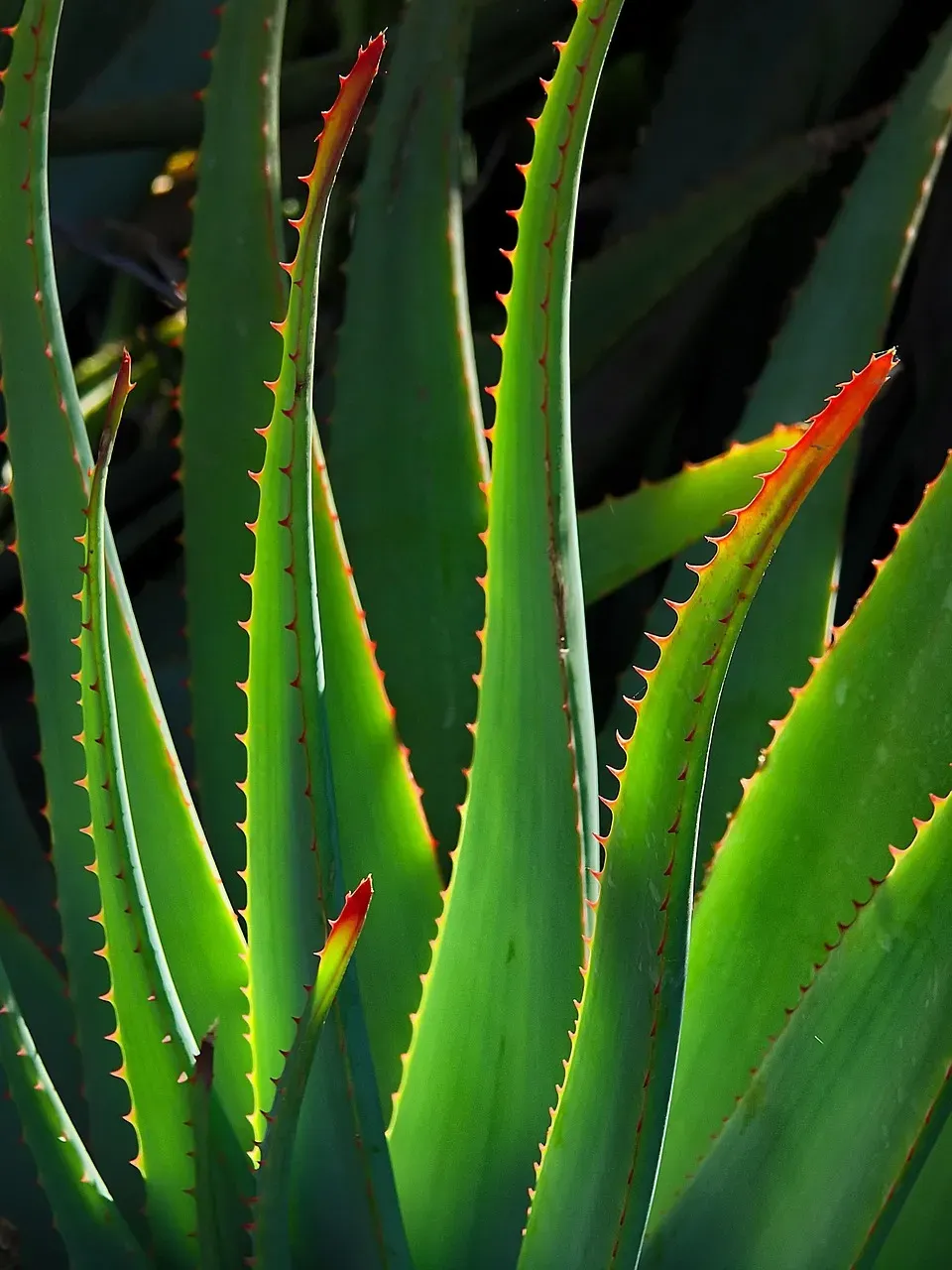
I know what you’re thinking, aloe vera is supposed to be healing, right? Well, not for dogs. Aloe contains saponin compounds which can make dogs sick if they chew and eat the plants, giving dogs gastrointestinal symptoms including vomiting and diarrhea. The problem lies in the latex layer of the leaves, which contains compounds that are toxic to our canine companions.
Symptoms of aloe vera poisoning in dogs may include vomiting, diarrhea, lethargy, tremors, and changes in urine color. While the clear gel itself isn’t as problematic, dogs don’t just lick the gel delicately like we do. They chomp the whole leaf, latex and all. Keep this healing plant well out of reach, preferably on a high shelf or in a room your dog doesn’t access.
Philodendron: A Popular Houseplant With a Painful Bite
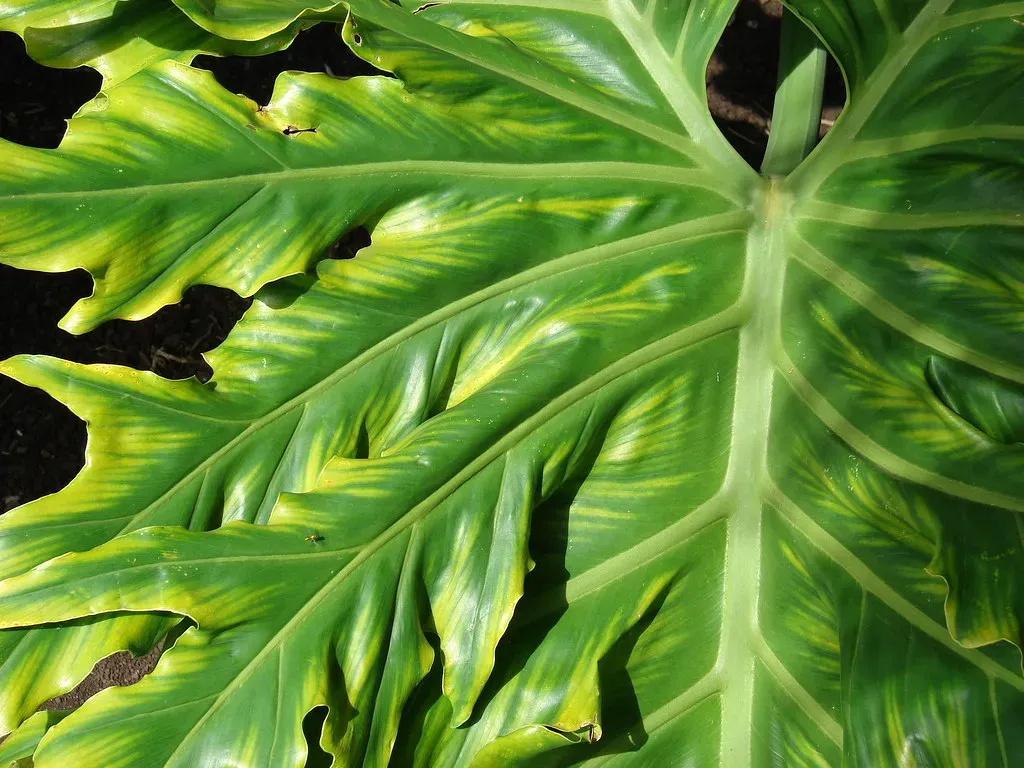
Philodendrons are everywhere in homes and offices because they’re practically indestructible and look fantastic. These plants contain insoluble calcium oxalate crystals, which can irritate your dog’s mouth and lips. Similar to pothos, this plant delivers an immediate and painful reaction.
The symptoms show up fast. Your dog might start drooling profusely, pawing at their face, or shaking their head. Some dogs will vomit or have difficulty swallowing. The severity really depends on how much they’ve ingested, but even a small nibble can cause significant discomfort. If you spot any of these signs and you have philodendrons in your home, it’s time to call your vet and let them know what’s happened.
Daffodils: Cheerful Spring Blooms With a Dark Side
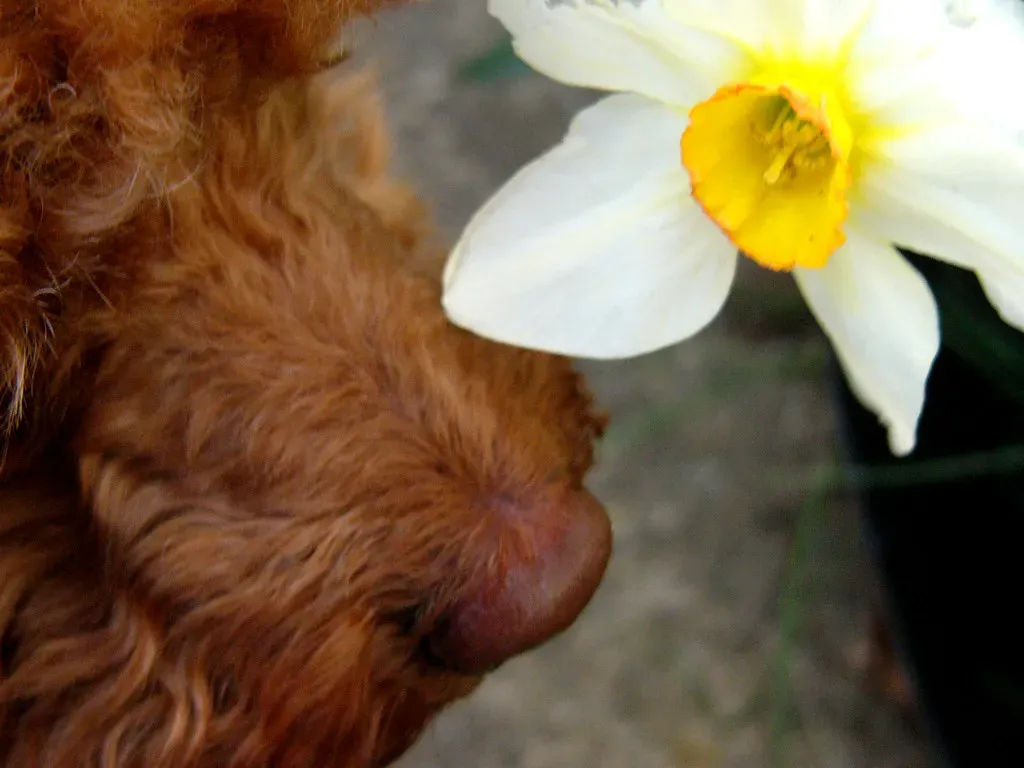
Daffodils are poisonous for dogs to eat, with signs of plant poisoning including diarrhea, lethargy, drooling, trembling, abdominal pain, vomiting, and possibly death. These bright yellow harbingers of spring might bring joy to your home, but they contain toxic alkaloids called lycorine throughout the entire plant.
All parts of the daffodil plant are potentially toxic, but the bulb is the most harmful. This is especially concerning if you’re a gardener who keeps bulbs stored inside before planting season. Dogs seem particularly attracted to the bulbs, perhaps because of their slightly onion-like appearance. If you bring cut daffodils inside, keep the vase well out of reach and immediately clean up any dropped petals or leaves.
Snake Plant: The Low-Maintenance Menace
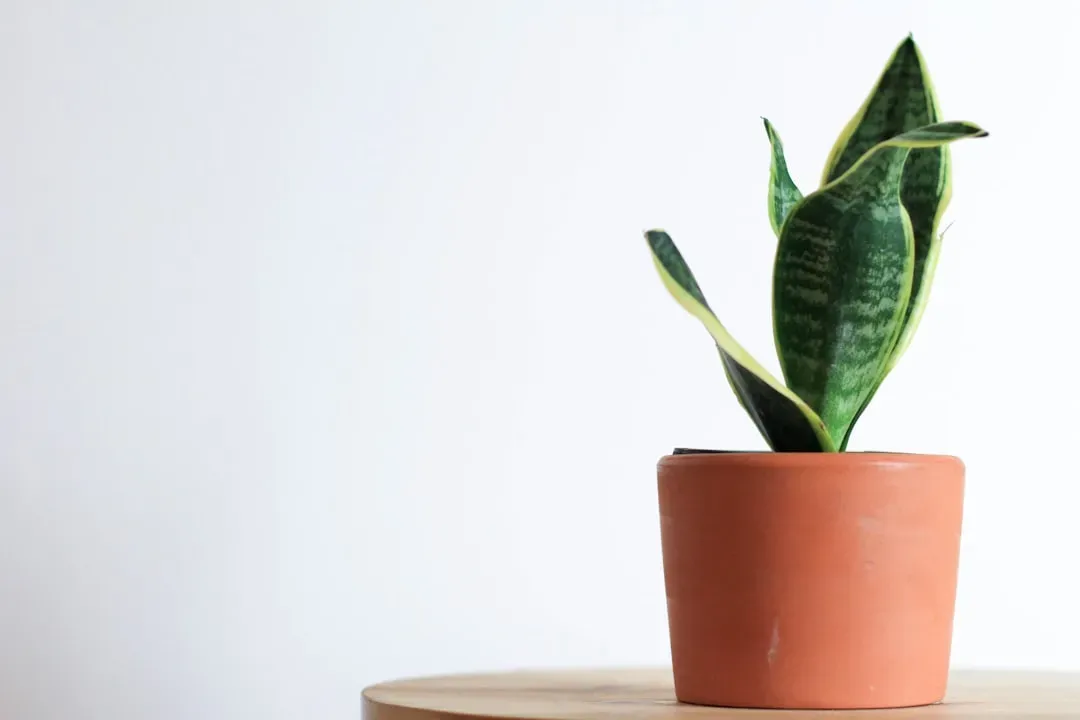
Snake plants have become incredibly popular, and I get it. They’re nearly impossible to kill, they look sleek and modern, and they supposedly purify the air. Snake plants contain saponins that can cause gastrointestinal upset and oral irritation in dogs.
Symptoms of snake plant poisoning may include vomiting, diarrhea, drooling, and oral irritation. While this plant is considered only mildly toxic compared to something like sago palm, that doesn’t mean you should ignore the risk. This plant is only mildly toxic if ingested by your dog, causing loss of appetite, vomiting, diarrhea, nausea, drooling, swelling of the mouth, lips, or tongue, and change in energy level. The symptoms are uncomfortable enough that you’ll want to prevent access entirely.
Creating a Safe Space for Your Furry Friend
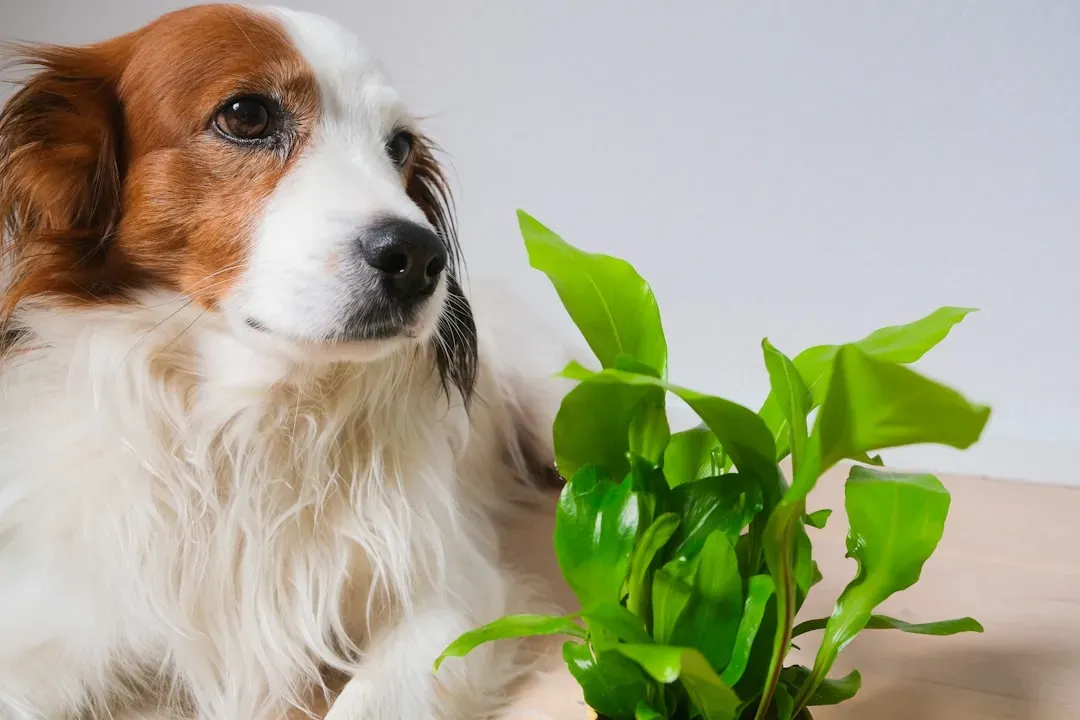
So what do you do with all this information? First, take a walk through your home and identify any of these plants. Dogs don’t instinctively know which plants are dangerous, and because every dog reacts differently, even small exposures can have big consequences. Consider relocating toxic plants to rooms your dog doesn’t access, using hanging planters well out of reach, or honestly, just replacing them with pet-safe alternatives.
Training can help too. Teaching your dog the “leave it” cue helps prevent them from interacting with off-limits items, including plants, using positive reinforcement when they respond correctly. I think it’s worth mentioning that if your dog does ingest any potentially toxic plant, time matters. Contact your veterinarian immediately or call the Pet Poison Helpline. Don’t wait to see if symptoms develop.
Creating a dog-friendly home doesn’t mean sacrificing beauty or greenery. There are plenty of gorgeous, non-toxic alternatives like spider plants, Boston ferns, and certain palms that you can fill your space with instead. Your dog depends on you to keep them safe from dangers they can’t recognize. What do you think, are you ready to audit your houseplants? Your pup’s health is worth it.


