
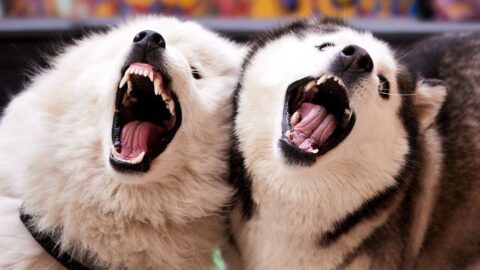
Let’s be real. You love your dog. You adore those soulful eyes, that wagging tail, the way they greet you after a long day. However, there’s one thing that might test your patience: the barking. Sometimes it’s just a little yap, other times it’s a full symphony of noise that has your neighbors peeking through their curtains. Some dogs are naturally more vocal than others, and understanding why can make all the difference in creating a peaceful home.
The truth is, barking is a form of communication. Dogs bark to alert you, to express excitement, to release pent-up energy, or even to cope with anxiety. Certain breeds were actually developed with vocalization as a key part of their job description. Whether they were bred to hunt, herd, or guard, their barking was seen as an asset. The challenge today is that what once made them excellent working dogs can become a bit of a headache in modern living spaces. So let’s dive in and discover which breeds are the biggest talkers and what you can actually do about it.
Beagles: The Melodious Hound With a Lot to Say
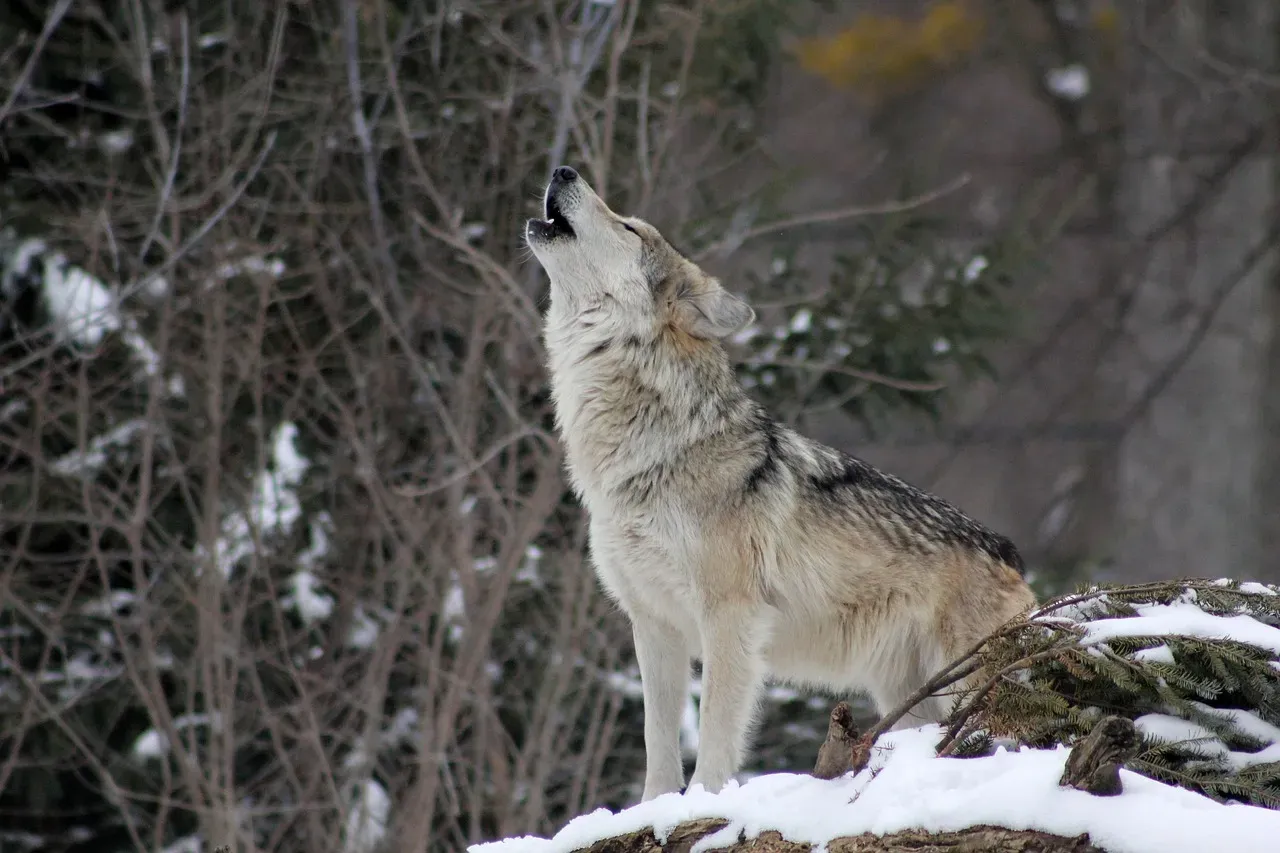
Beagles were bred to howl during hunts to alert hunters of their location and prey, possess a distinctive howl or bark with a wide variety of vocalization, and their behavior has been genetically passed down through generations. This isn’t just casual noise. Beagles have a larger vocabulary than most dogs, with three distinct types of vocalization: barks, howls, and bays, with bays being halfway between a bark and a howl.
What makes Beagles so chatty? They are famous for their loud bay that is often heard when tracking or excited, deeply ingrained in their hunting instincts, and they bark constantly when they catch a scent or are left alone. If you’ve ever seen a Beagle on a walk suddenly stop and start vocalizing at something invisible to you, that’s their hunting heritage speaking. Beagles can be quite vocal thanks to their hunting instincts and sharp sense of smell, with barks or howls set off by exciting scents, new noises, anxiety, or just plain boredom.
Managing a Beagle’s barking takes dedication. Identifying why your Beagle is excessively barking or howling can help determine the best course of action, with common triggers including boredom, fear, separation anxiety, or the need for attention. Exercise is critical. Beagles are hunting dogs at heart, require extensive exercise to keep them happy and healthy, need a way to burn off steam, and do best in a home with an active owner or large backyard. Honestly, a tired Beagle is a quieter Beagle.
Chihuahuas: Tiny Dogs With Mighty Voices

Don’t let their size fool you. Chihuahuas may be small in size but they are very territorial, and when they perceive something or someone as a threat the incessant barking will begin, with the threat potentially being anything and everything given their size. These pint-sized pups have outsized personalities.
It is much more common than you think for a Chihuahua to bark simply because they are bored, as they are high energy dogs and without enough activity in their day that excess energy needs to get released somehow, often turning into a high pitched, mono-tone bark. Here’s something many people miss: Chihuahuas aren’t just being dramatic. They bark at anyone they see as a potential threat, including dogs, pedestrians, visiting strangers, or their owner’s close friend, feeling the need to protect their territory by barking.
I think the most frustrating part for Chihuahua owners is that these dogs often suffer from separation anxiety. Separation anxiety is a very common behavioral disorder when it comes to Chihuahuas, manifesting in their constant need to be near or with their owner, and when left alone they start barking. The good news is training can help. If well-socialized and trained from the time they’re puppies, excessive vocalizing can be avoided, though they’re very alert dogs and may always be more prone to barking than quieter breeds.
Dachshunds: Long Bodies, Loud Opinions

Dachshunds and Beagles are among the loudest dog breeds that love to bark. These iconic wiener dogs were originally bred to hunt badgers, which required courage and a voice loud enough to alert hunters above ground. That breeding hasn’t gone anywhere.
Dachshunds exhibit barking behavior more excessively than some breeds, part of their obnoxiousness goes hand-in-hand with their barking, but this trait can make them great watchdogs. They’re also notoriously stubborn. Dachshunds have lots of personality, can be a little challenging for novice owners because they are very set in their ways and a little bossy, which can pose a challenge for novice owners.
What can you do? Start with the basics. Teaching the quiet command is essential, and rewarding moments of silence goes a long way. A popular method of curtailing excessive barking is teaching the quiet command, using a calm, firm voice to tell your dog to be quiet and positively reinforce correct behavior with treats and affection. Dachshunds respond well to structure. They need to understand that while barking is okay in some situations, there are times when silence is golden. Keep training sessions consistent and patient.
Pomeranians: Fluffy Balls of Loud Energy
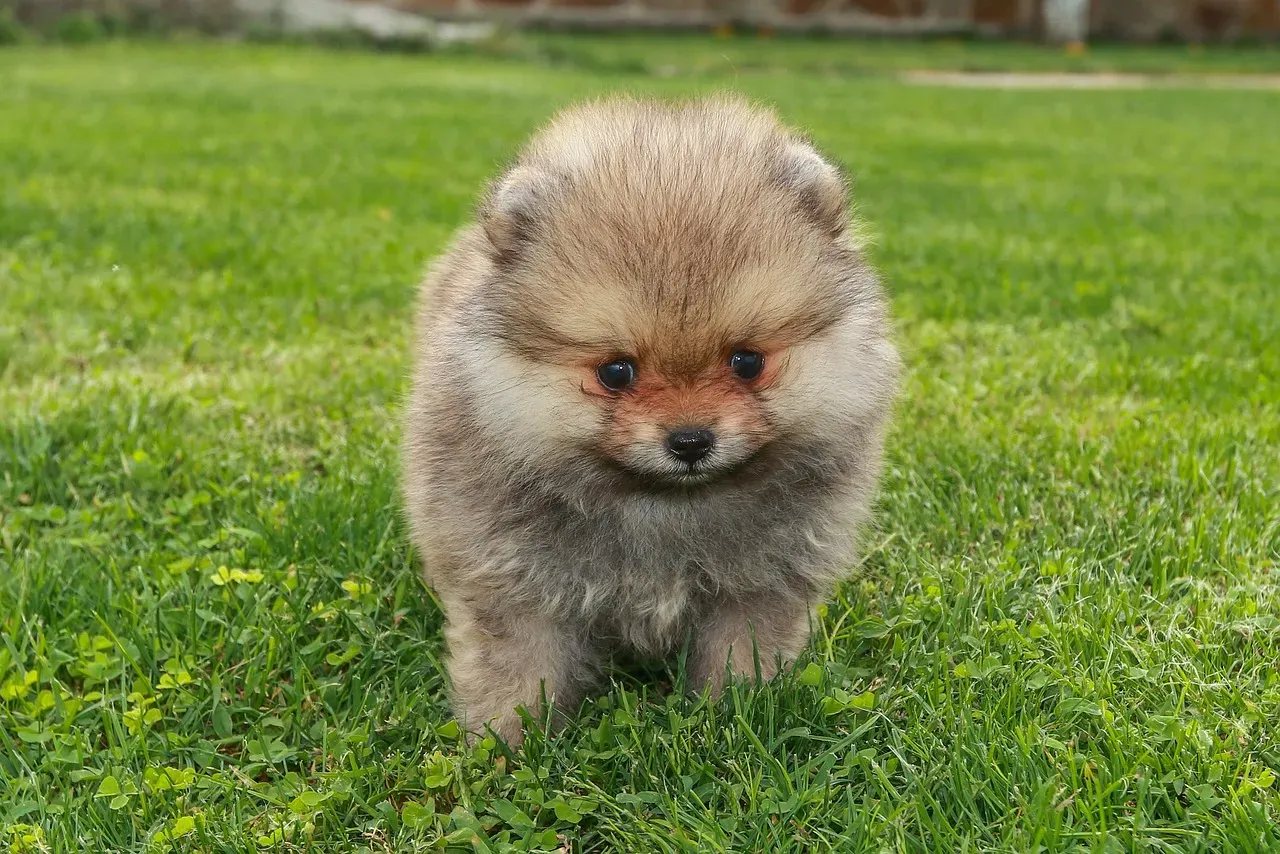
The small Pomeranian is a spunky canine and along with their spirit, Poms are also quite spitfires when it comes to barking. These little fluffballs might look like animated teddy bears, but they have the vocal cords of much larger dogs. Although Pomeranians are small, their barks are loud and sharp, making them excellent watchdogs, but they don’t know when to stop, which is why some dog owners opt to train them using bark collars.
Small companion dogs such as Pomeranians are prone to being more vocal, often making excellent watchdogs by alerting you to any perceived dangers, being vocal can also become a strategy they’ve learned gets them attention, and sometimes small breeds will bark because they feel more anxious or vulnerable due to their small size. That last point is important. Small dogs often feel the need to make themselves heard precisely because of their size.
The solution involves both training and addressing their emotional needs. Make sure your Pomeranian gets plenty of mental stimulation and isn’t being rewarded for barking behaviors. Dogs learn how to get what they want from their humans and barking usually gets an immediate response, causing many dogs to bark for attention when they’re lonely or bored, and although it’s tempting to do something to stop the noise your dog is actually training you. It’s hard to resist those big eyes, but staying strong in those moments makes all the difference.
Yorkshire Terriers: Small Watchdogs With Big Barks
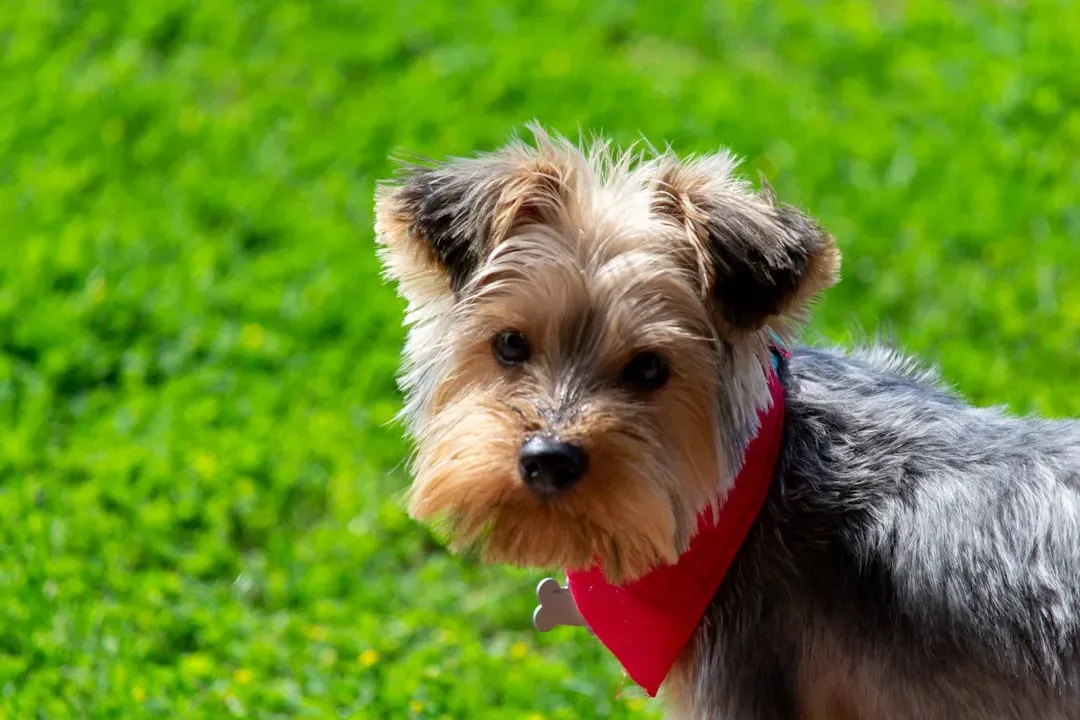
Yorkshire Terriers are adorable, feisty and bold, and despite their small size they tend to make excellent watchdogs due to their protective and vigilant nature, being likely to bark when guests arrive though they’ll also want to be petted by everyone. Yorkies have that classic terrier temperament: confident, alert, and more than a little bossy.
Yorkshire Terriers are another territorial breed. They take their job as household guardian seriously, sometimes a bit too seriously. The challenge with Yorkies is that their barking is often rooted in their desire to protect their family and territory. This means you can’t simply eliminate the behavior; you need to redirect it.
Working on desensitization helps tremendously. Desensitization is a key technique where dogs are gradually accustomed to other dogs at a distance, rewarding them for calm behavior. Start small. Maybe that means standing at the window with your Yorkie and rewarding them when they see someone pass without barking. Build up their tolerance gradually. Patience is your best friend here. Terriers are clever, so once they understand what you want, they often respond quickly.
Siberian Huskies: Talkers, Howlers, and Conversationalists
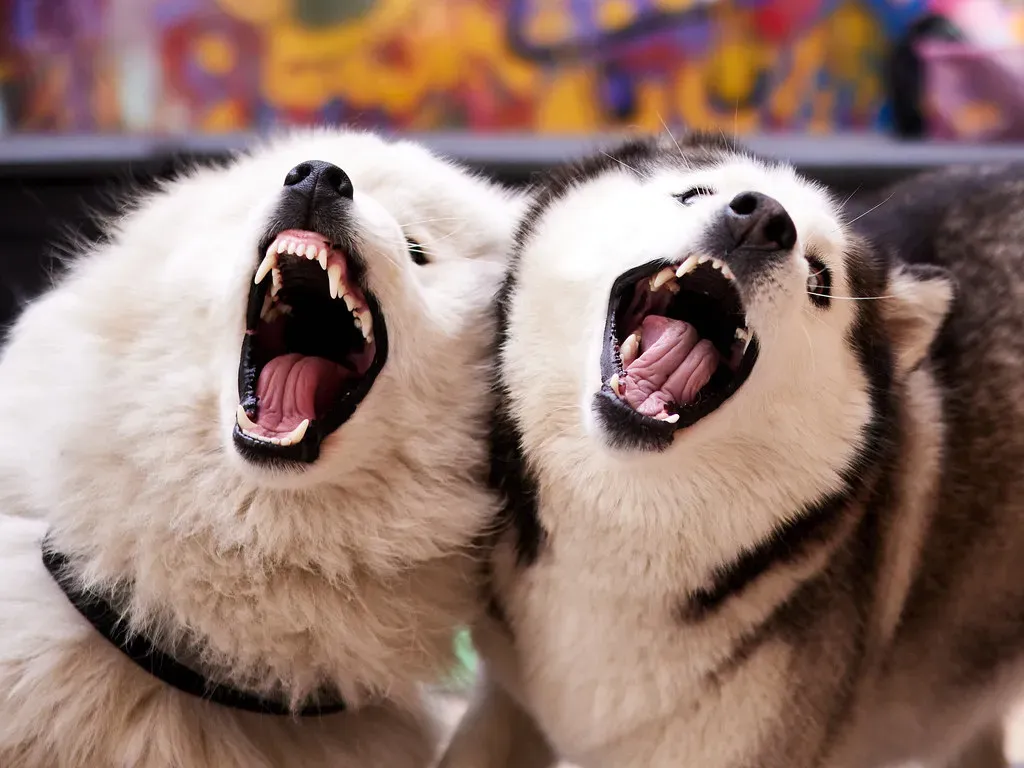
Siberian Huskies don’t necessarily bark a lot but they’re described as a talkative breed, whining, howling, groaning and talking for hours, with studies showing their DNA is closely linked to wolves so their vocalization is more similar to their ancestors, and Huskies were sled dogs traveling over large distances so communication was important and a whine or howl will travel a further distance than a bark.
If you’ve ever heard a Husky “talk,” you know it’s unlike anything else. They don’t just bark; they hold full conversations. Huskies use barking, whining, howling, and screeching to express everything they feel, not shying away from expressing their excitement and not keeping it in if they are feeling stressed or anxious. It’s endearing and exasperating in equal measure.
Managing a Husky’s vocalizations requires understanding their needs. These dogs were bred to run. Beagles (though this applies to Huskies too) are active and energetic dogs requiring regular exercise to prevent boredom and frustration, with insufficient physical activity resulting in destructive behaviors such as excessive barking, chewing, or digging, and engaging them in daily exercise routines will help burn off excess energy. If your Husky isn’t getting enough physical and mental stimulation, they’ll let you know loudly. Long runs, challenging puzzle toys, and interactive games are essential. A well exercised Husky is much more likely to be content and quiet.
Bringing Peace and Quiet Home
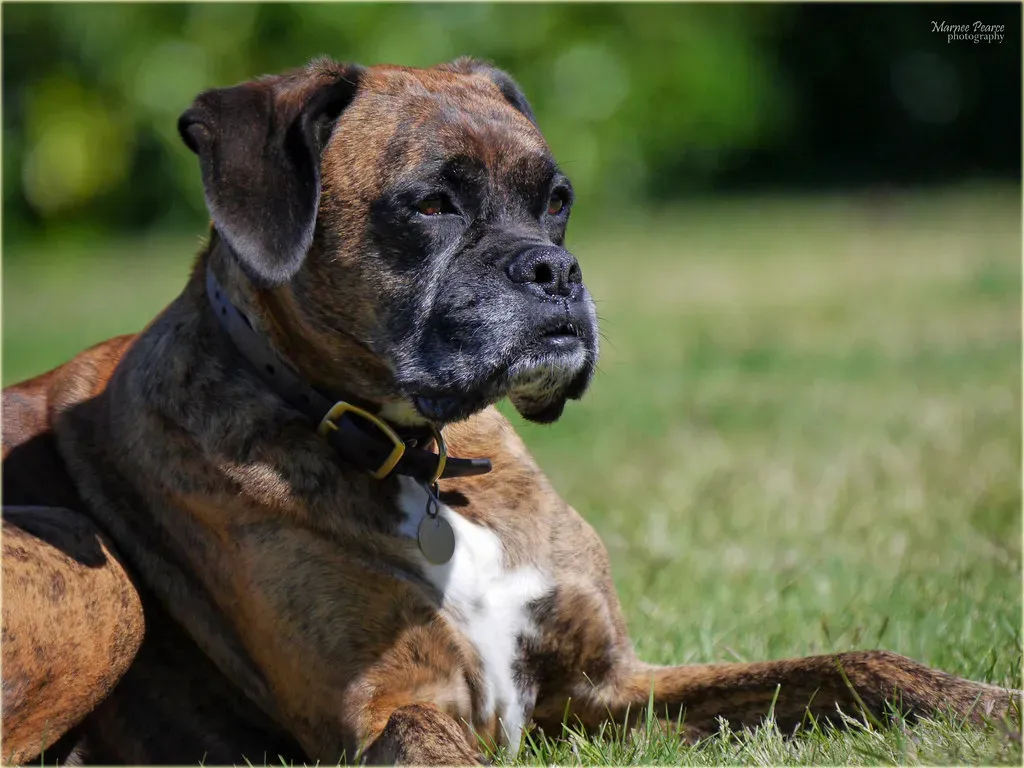
Managing excessive barking isn’t about silencing your dog completely. It’s about understanding what they’re trying to communicate and giving them better ways to express themselves. Whether you have a Beagle, Chihuahua, Dachshund, Pomeranian, Yorkie, or Husky, remember that barking is natural. The key is balance.
Understanding why your dog barks is critical to choosing techniques that may work best for your particular situation, with the goal being to identify why your dog is barking and then give them an alternative way to communicate or remove the stimulus causing them to bark. Start with exercise. Make sure your dog’s physical and mental needs are met. Then work on training using positive reinforcement. Teach the quiet command. Reward silence. Be consistent.
If you’re struggling, don’t hesitate to reach out to a professional trainer or behaviorist. They can provide personalized strategies tailored to your dog’s specific triggers and temperament. Your dog isn’t trying to drive you crazy; they’re just doing what comes naturally. With patience, understanding, and the right approach, you can create a calmer, quieter home while still honoring your dog’s need to communicate. What’s been your biggest challenge with your vocal pup? Share your experiences in the comments.


