
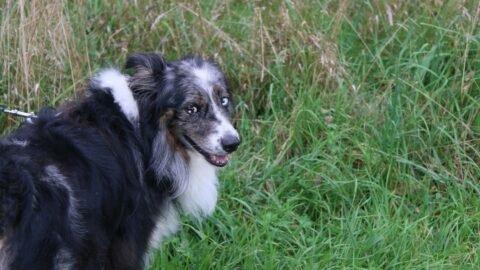
You’ve seen it a hundred times. Maybe even a thousand. Your dog pauses mid-sniff, glances back at you over their shoulder, makes that brief but unmistakable eye contact. It happens at street corners, halfway through a fascinating patch of grass, or right before they spot another dog. That quick backward look feels almost like a check-in, doesn’t it? Like they’re making sure you’re still following. Here’s the thing though: they already know you’re there. Your footsteps, your scent, even the way the leash feels in their mouth tells them exactly where you are. So why do they keep looking back?
They’re Reading Your Emotions Like a Book
Dogs use something called social referencing, a process where they gather emotional information from you to guide their behavior in uncertain situations. Think about how a toddler looks at their parent before approaching something unfamiliar. Your dog does exactly the same thing with you.
In research studies, dogs were exposed to novel objects with their owners present, and most dogs looked referentially at their owner to read their emotional signals. When you walk past that noisy construction site or encounter an unusual person on the sidewalk, your dog isn’t just acknowledging your presence. They’re actively scanning your face and body language to understand how they should feel about what’s happening around them.
Dogs are remarkably in tune with humans, sensing our moods and following our pointing gestures. They’ve evolved this skill over thousands of years living alongside us. Your facial expression, the tension in your shoulders, even the slight change in your walking pace all transmit information your dog interprets instantly.
It’s About Guidance, Not Reassurance
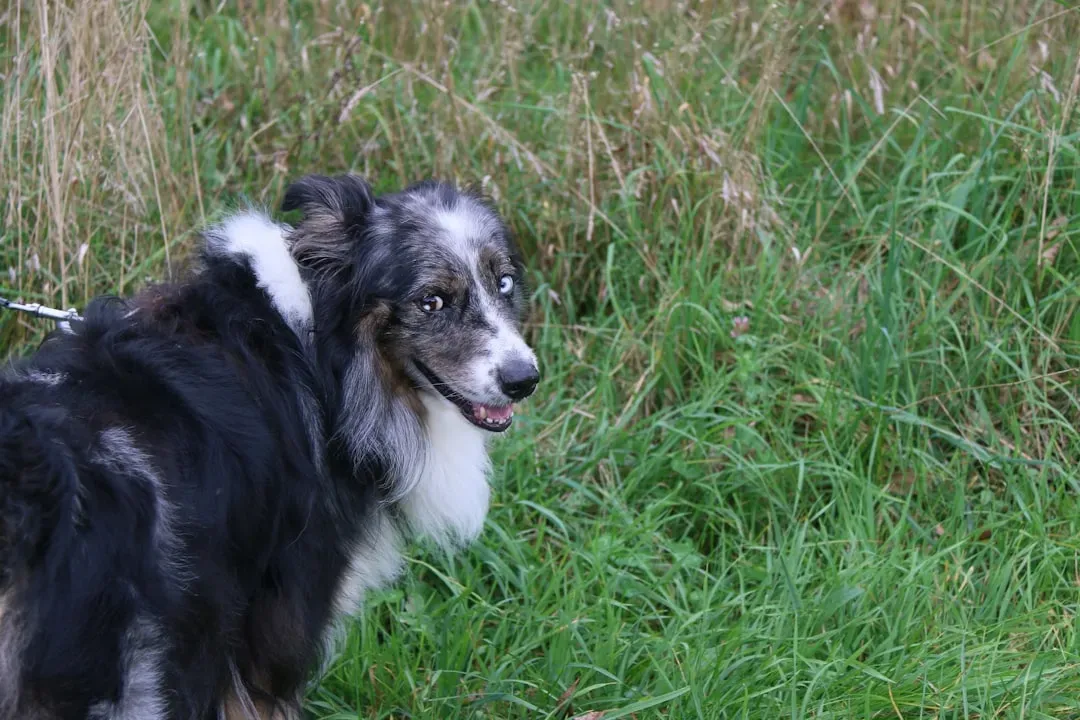
Dogs look back during walks for reassurance, to seek approval, or to check for commands, and it’s often a sign of trust and connection. They’re not worried you’ve disappeared. They’re looking for direction. What should we do next? Is this okay? Should I investigate that smell or keep moving?
Dogs stare at us to gain knowledge about their environment, essentially waiting for us to do something that will impact them. Your dog views you as their leader, their information source, their guide through the confusing human world. That backward glance is them checking the map, so to speak.
Think of it this way: your dog experiences the world primarily through scent, while you navigate mostly through sight. They need your visual input to complete their understanding of situations. When something interesting or uncertain appears, they naturally turn to you for context. Should they be excited, cautious, or completely relaxed?
Communication Goes Both Ways on That Leash
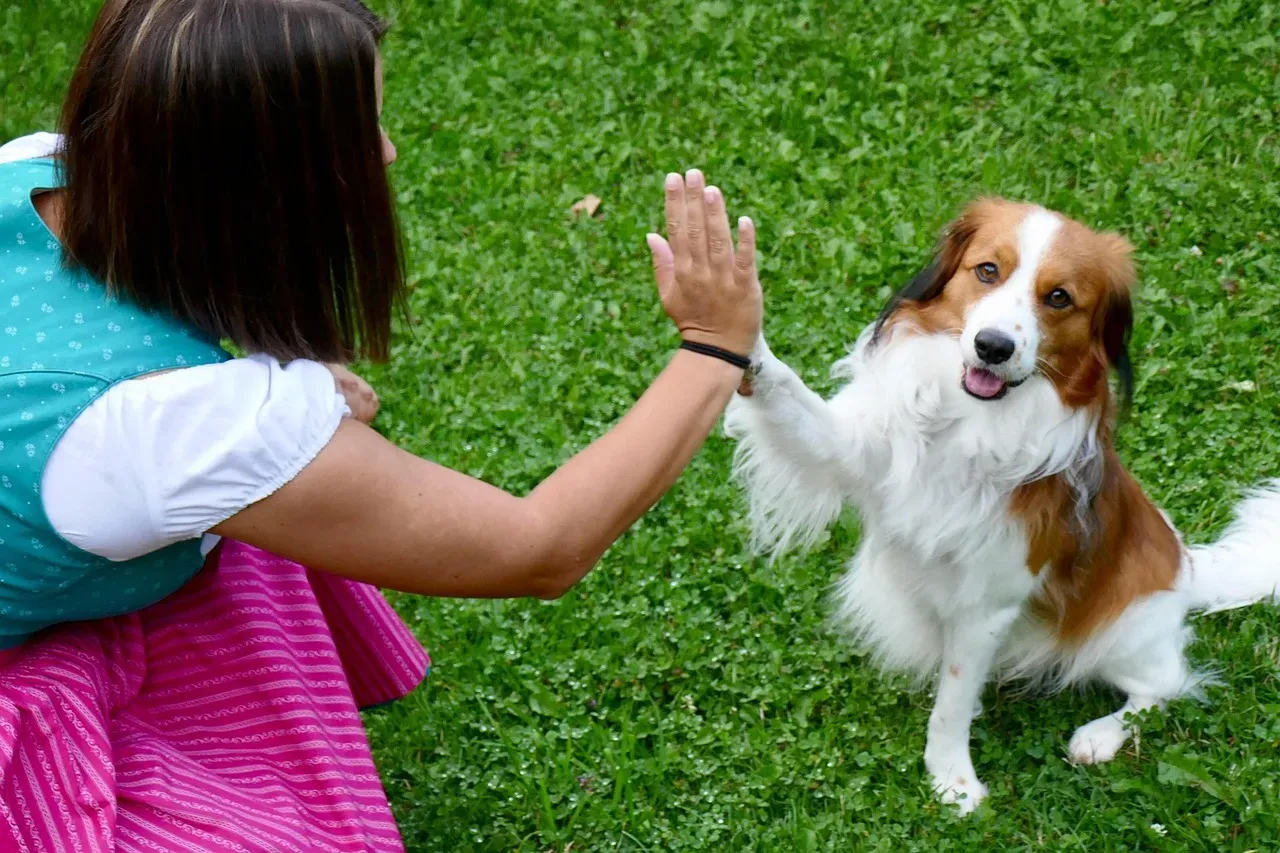
Research suggests dogs have an innate ability to observe and learn from human gestures and eye gaze, an ability that wolves don’t display. This is a skill unique to domesticated dogs. Over generations, they’ve become experts at human communication.
Dogs constantly learn how to interact by assessing what works and what doesn’t each time they engage with you, and they’re great students of human behavior. Every walk is a conversation. When your dog looks back and you smile, they learn that everything’s fine. When you tense up, they pick up on potential danger.
I’ve watched my own dog do this dance hundreds of times. She’ll spot a skateboarder approaching, immediately turn her head toward me, catch my relaxed expression, then continue sniffing without concern. It’s remarkable how quickly this exchange happens, almost invisible unless you’re watching for it. The backward glance isn’t passive; it’s an active request for information.
The Ancestry Behind the Behavior
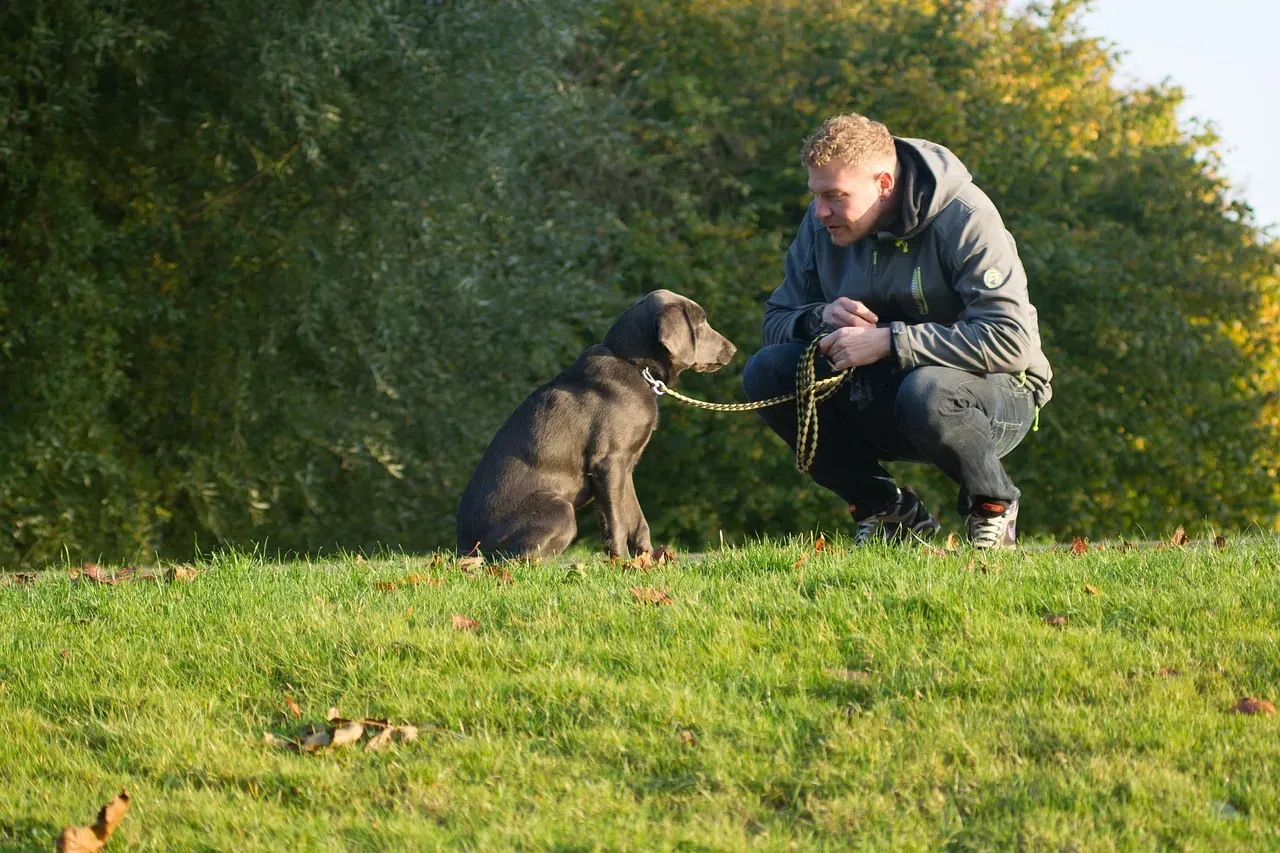
Social referencing appears as early as eight weeks in puppies, who alternate their gaze between novel stimuli and their human companions when exposed to unfamiliar situations. This isn’t learned behavior from training. It’s hardwired into their social cognition from an incredibly young age.
When confronted with unfamiliar objects or people, dogs engage in social referencing by synchronizing their reaction with that of their owner. They’ve been doing this for millennia. Wild canids don’t exhibit this trait, which tells us domestication specifically selected for dogs who could communicate effectively with humans.
Your dog’s ancestors survived and thrived because they could read human intentions. The dogs who understood human emotional cues got more food, better protection, and ultimately passed on their genes. That backward glance during your evening walk? That’s evolutionary success in action. Honestly, it’s one of the most beautiful examples of interspecies communication on the planet.
What Those Looks Really Mean in Different Situations
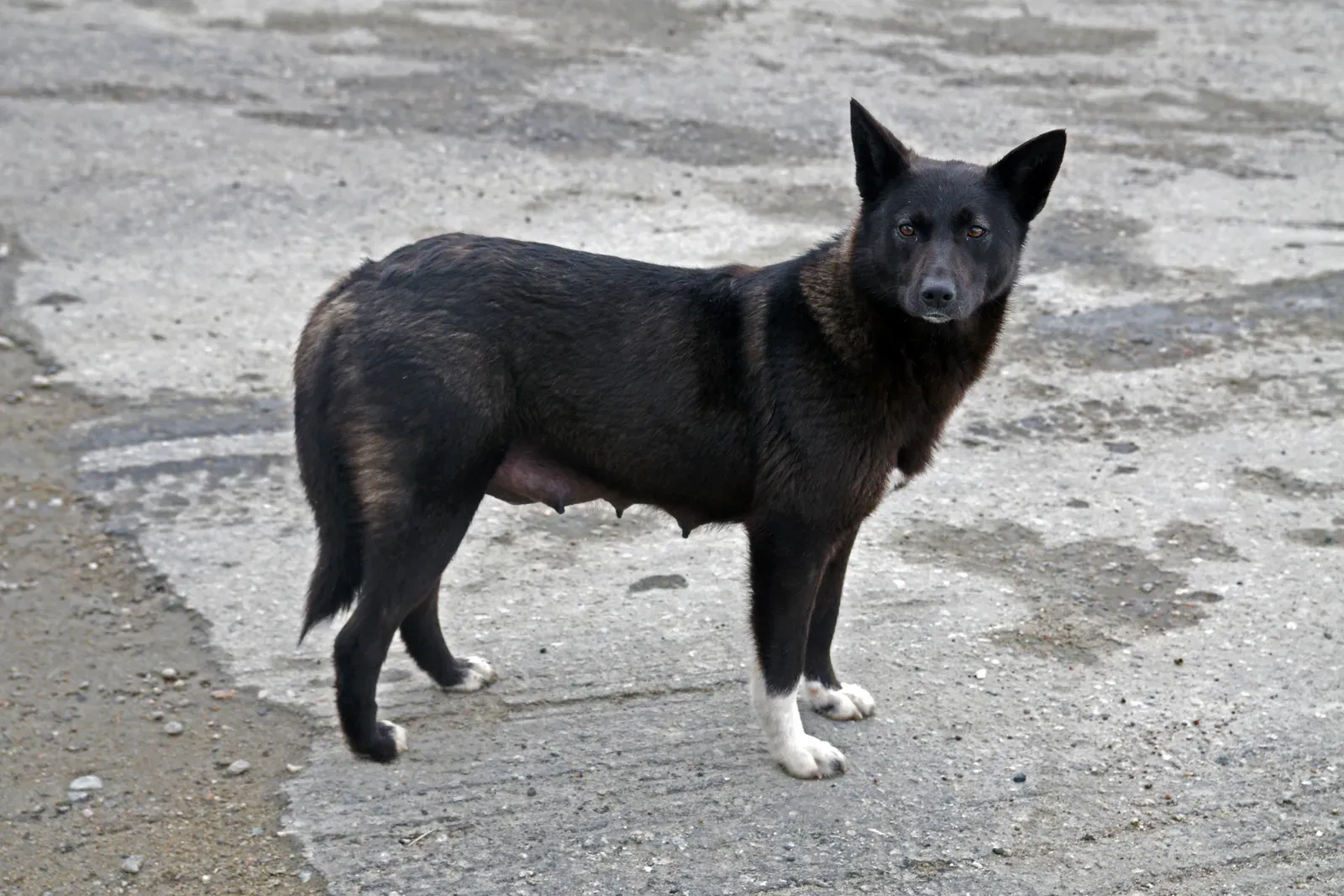
Not all backward glances mean the same thing. Dogs glance back at their owners to check in, making quick eye contact to see what’s happening. Context matters enormously. A quick look while trotting happily along differs from an intense stare when frozen in place.
Dogs perform referential looks and gaze alternations when encountering strangers, and they look sooner and take more time before making contact when their owners retreat compared to when owners approach. Watch what happens before and after that look. If your dog seems uncertain, they’re asking for permission or direction. If they’re mid-play or exploration, they might be sharing their joy with you.
When a dog keeps looking back on walks, it may indicate anxiety or distraction, with symptoms including frequent turning and hesitation. Pay attention to their body language overall. Are their ears relaxed or pinned back? Is their tail wagging loosely or tucked? These additional signals help you understand what type of message they’re sending with that backward glance.
Building a Stronger Connection Through Understanding
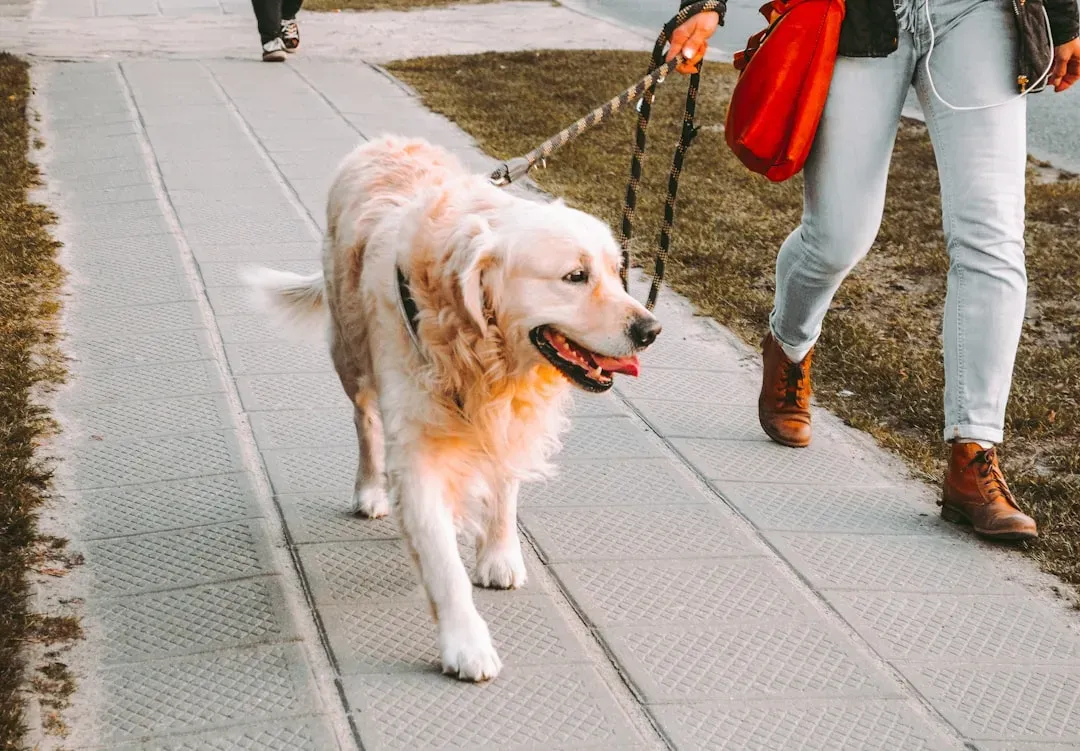
Learning what your dog is saying develops a deeper bond of trust and respect, and understanding their emotional state helps predict their behavior and prevent problems. When you recognize those backward looks for what they are, communication with your dog transforms completely.
Dogs use gaze to look at a person for information when faced with uncertainty, and their subsequent behavior is based on that person’s reaction, very similar to results found in infant studies. This is genuinely profound. Your dog trusts you enough to let your emotions guide theirs. They’re essentially saying, “You understand this world better than I do. Help me navigate it.”
Responding appropriately strengthens that bond immeasurably. When your dog looks back at you near a busy street, acknowledge it. A calm voice, a steady pace, or even just meeting their gaze with confidence tells them everything’s under control. It’s a conversation without words, happening in seconds, but building trust that lasts a lifetime. The walks where you’re distracted and ignore those glances? Your dog notices. They’re always watching, always learning, always trying to communicate.
Conclusion
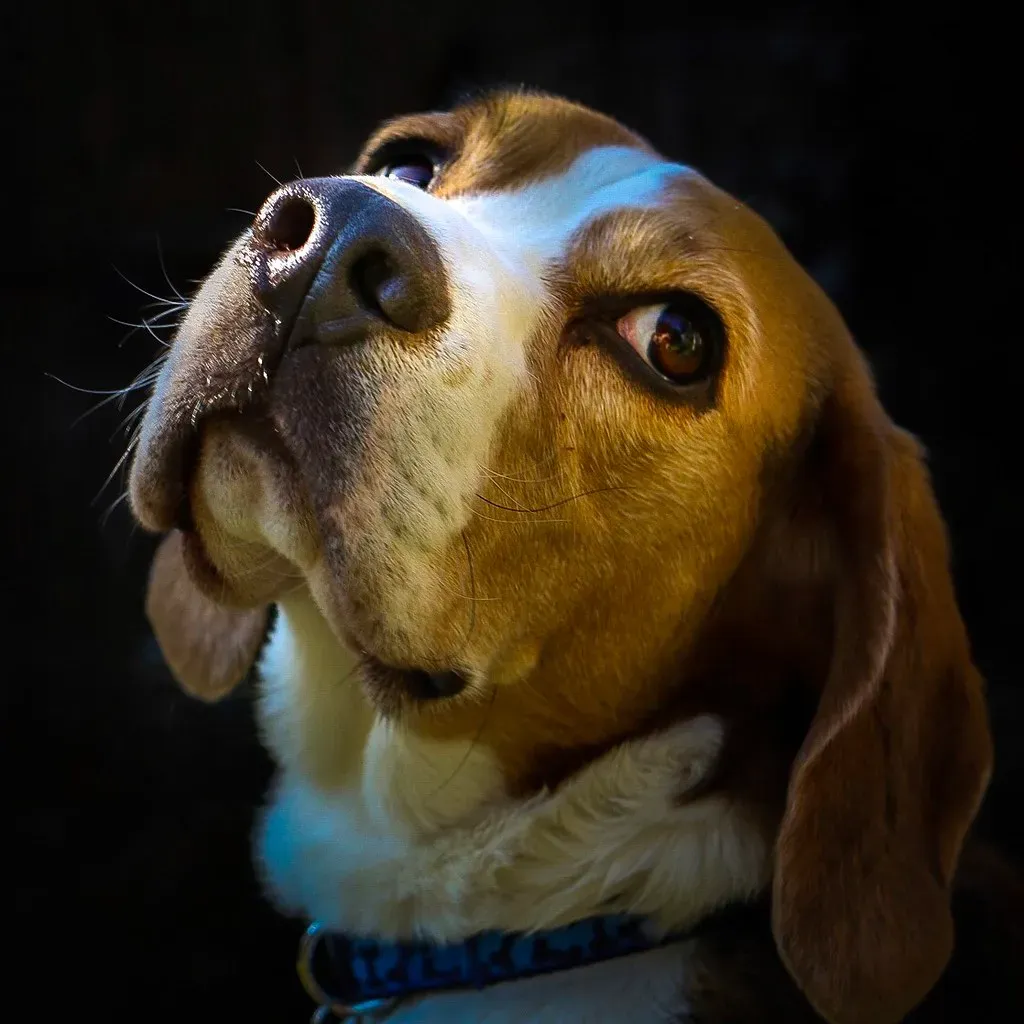
That backward glance isn’t about separation anxiety or confirming you haven’t vanished into thin air. It’s about partnership. Your dog is reading you, learning from you, and looking to you as their guide through an unpredictable world. They’re not checking if you’re there. They’re checking in with you, seeking emotional context, asking for guidance, and maintaining the conversational thread that makes your relationship so special.
Next time your dog looks back at you during a walk, recognize it for the compliment it truly is. They trust your judgment more than their own instincts in certain moments. That’s extraordinary. What other relationship in your life involves that level of trust and communication without speaking a single word? Pay attention to those glances. Answer them with calm confidence. Your dog is talking to you, and now you know exactly what they’re saying.


