

You know that feeling when your dog greets you at the door with wild enthusiasm, tail wagging so hard their whole body wiggles? That’s happiness, right? Well, yes, though it’s honestly a bit more complicated than we often give our dogs credit for. True contentment in a dog goes beyond those bursts of excitement. It’s found in the quiet moments too, in the way they settle peacefully beside you or how their eyes soften when you scratch behind their ears.
Here’s the thing. Many dogs in our modern world aren’t getting what their brilliant minds truly need. They’re well fed, well loved, yet something’s missing. Mental enrichment is just as important as physical exercise for your dog’s wellbeing. Think about it like this: you could walk your pup for hours, yet they’re still bouncing off the walls when you get home. That’s because a tired body doesn’t always mean a satisfied mind. The secret to a genuinely happy dog? Daily brain games that tap into their natural instincts and challenge them to think, problem solve, and learn. Let’s dive into six simple games that will transform your dog’s daily routine and help you recognize the signs of deep, lasting happiness.
Hide and Seek: The Ultimate Confidence Builder
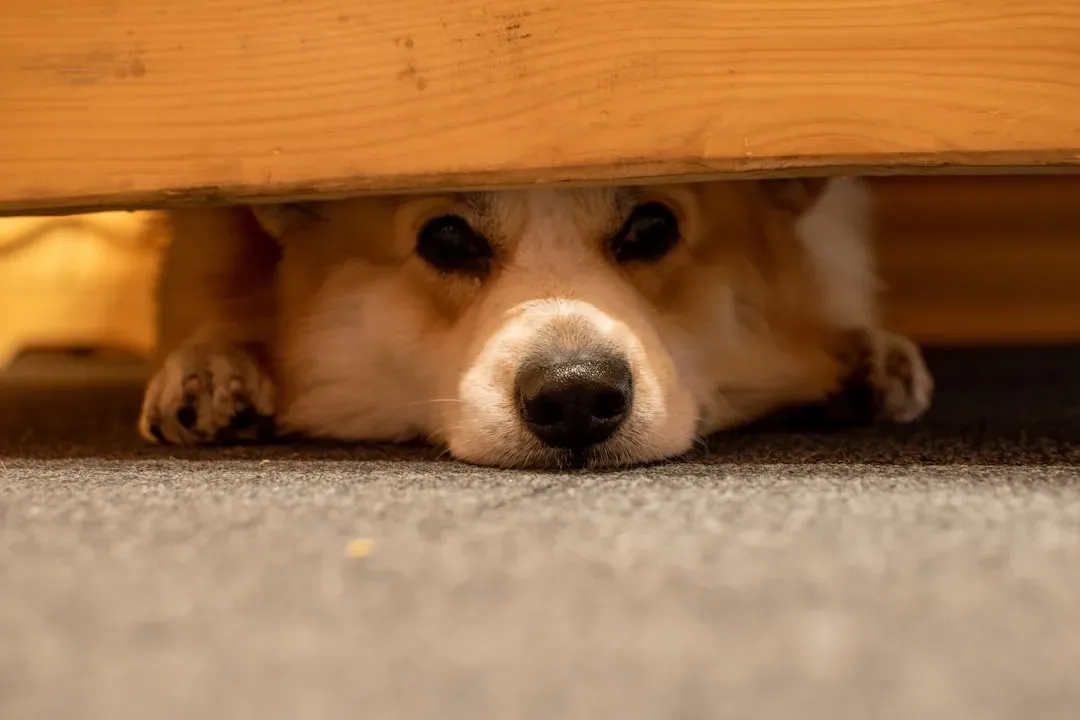
This isn’t just a kids’ game, honestly. Hide and Seek is a game that provides lots of mental stimulation for your dog. The beauty lies in its simplicity and the joy it brings to both you and your furry friend. Start by asking your dog to sit and stay while you find a hiding spot somewhere in your home. Make it easy at first, maybe just behind a door or around a corner.
When you’re ready, call out their name and watch the magic happen. Since dogs’ sense of smell is pretty incredible, it shouldn’t take very long for them to find you. When they do find you, celebrate like they’ve just won an Olympic medal! Use treats, enthusiastic praise, and maybe even a quick play session. This game builds their confidence, strengthens your bond, and exercises their natural tracking instincts.
As your dog gets better at this, increase the difficulty by hiding in trickier spots or getting other family members involved. The real happiness indicator? Watch for that loose, wiggly body language and those soft, bright eyes when they discover you. A happy dog’s whole body and tail will look relaxed, and they quite often wiggle!
Puzzle Feeders: Turn Mealtime into Brain Time
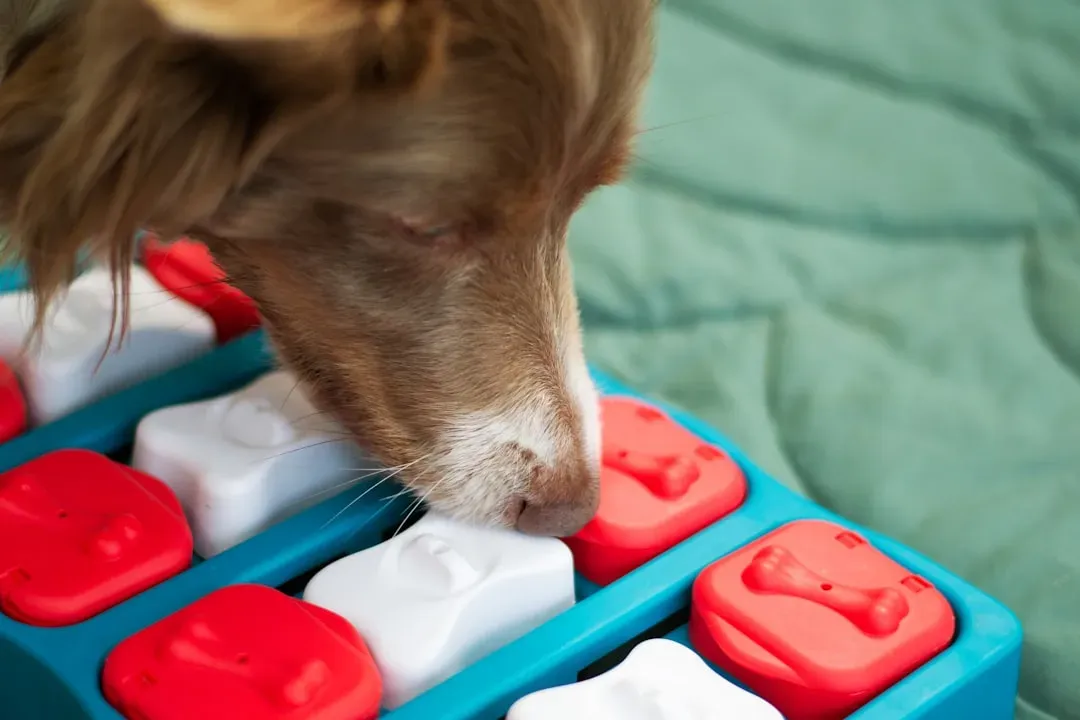
Let’s be real, most dogs inhale their food in roughly thirty seconds flat. Where’s the enrichment in that? Mealtime shouldn’t be a 30-second race and can be transformed into a cognitive activity. Puzzle feeders slow things down and make your dog work for every bite, engaging their natural foraging instincts.
You don’t need fancy equipment either. Use commercial treat-dispensing toys or make your own with a muffin tin and tennis balls, as these brain games dogs love require problem-solving and persistence, turning eating into a mental exercise. Simply place kibble in the muffin tin cups and cover them with tennis balls. Your dog has to figure out how to remove each ball to access the food underneath.
The signs of happiness during this activity are subtle yet powerful. Look for focused concentration, a relaxed mouth, and that satisfied sigh when they finally solve the puzzle. The benefits are profound: reduced boredom, fewer behavioral issues, improved confidence, and even a slower cognitive decline as your dog ages. A mentally engaged dog at mealtime is a calmer, more content dog throughout the day.
The Name Game: Teaching Object Recognition
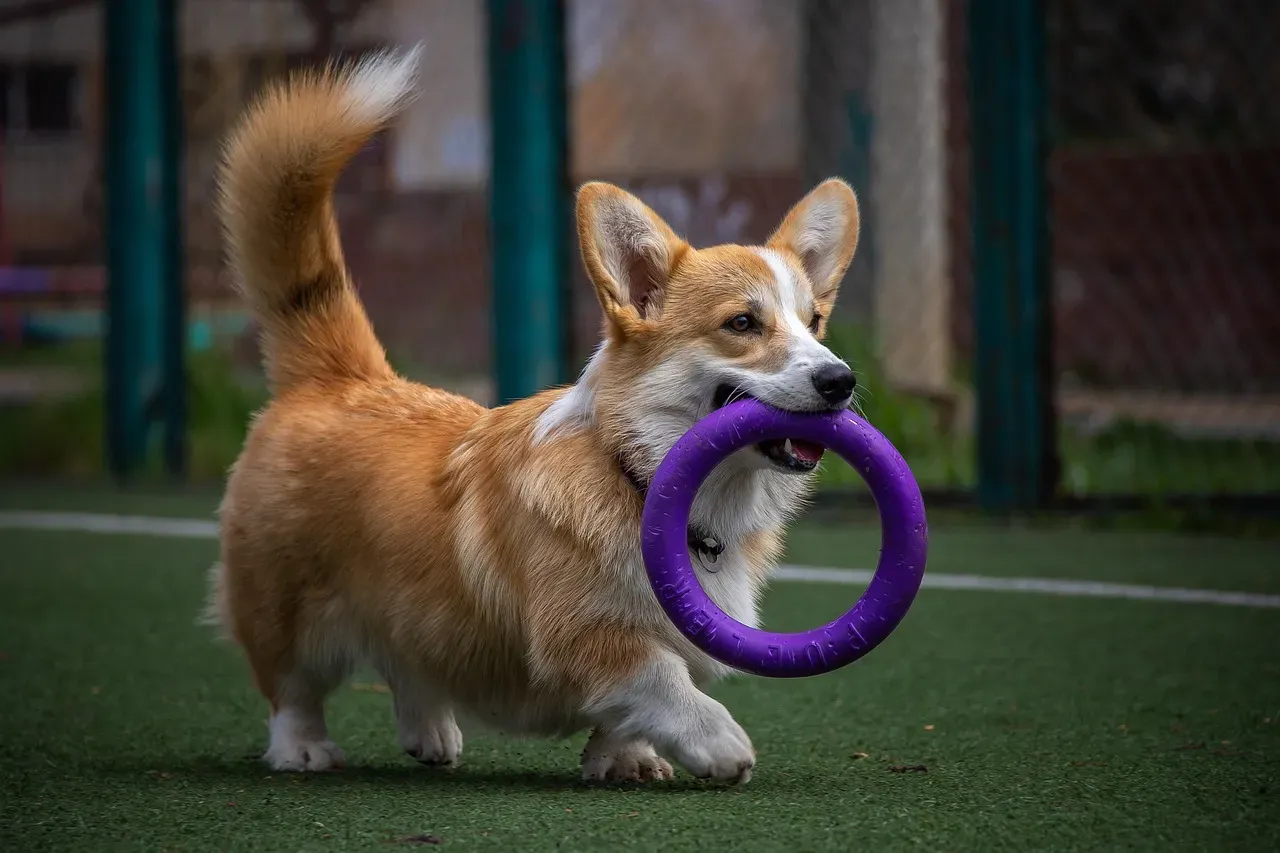
Did you know that the average domestic dog can learn the meaning of about 150 words, with some clever canines stretching that to 250 words? This game taps into that incredible capacity. Start simple by choosing one of your dog’s favorite toys and giving it a specific name. Hold the toy, say its name clearly, and reward your dog when they touch it or show interest.
Repeat this daily, always using the same name for that specific toy. Once they’ve mastered one object, add a second toy with a different name. Eventually, you can place multiple toys on the floor and ask your dog to bring you a specific one by name. It sounds impossible, but dogs absolutely can do this with patience and consistency.
The happiness you’ll see isn’t just in the tail wag when they get it right. It’s in their eager anticipation, the way they lean forward with pricked ears, ready to show off what they’ve learned. A relaxed dog who enjoys your company is more likely to also enjoy your attention and may come to you for attention, leaning into your hand when you stroke them. This game strengthens communication between you and deepens trust.
Scatter Feeding: Unleashing Natural Foraging Instincts
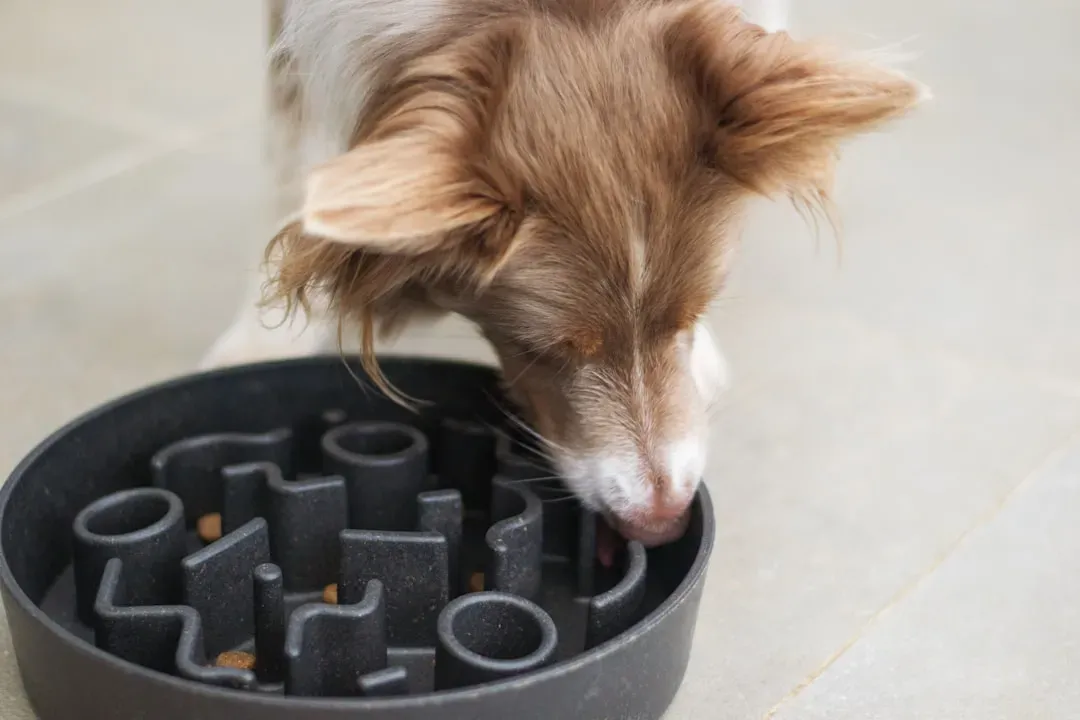
Here’s something fascinating about dogs: they’re hardwired to forage and hunt for food. When we just plop a bowl down twice a day, we’re essentially robbing them of one of their most satisfying natural behaviors. Scatter Feeding encourages your dog to use their sense of smell by scattering pellets of food around the floor or throughout the garden, encouraging them to use their nose to sniff out and scavenge for food.
This game couldn’t be easier. Take a portion of your dog’s regular meal and scatter it across a clean floor, your backyard, or even hide pieces in a snuffle mat if you have one. Your dog gets to use their powerful nose to track down every morsel. It slows down fast eaters, provides mental stimulation, and satisfies that primal urge to hunt.
The happiness signals during scatter feeding are unmistakable. You’ll notice a focused, purposeful energy rather than frantic excitement. A dog that’s feeling happy will have a loose, bouncy and smooth gait and will display normal dog behavior, such as sniffing at plants and flowers. After a scatter feeding session, many dogs show that beautiful relaxed body posture that screams contentment.
DIY Obstacle Course: Mind Meets Movement
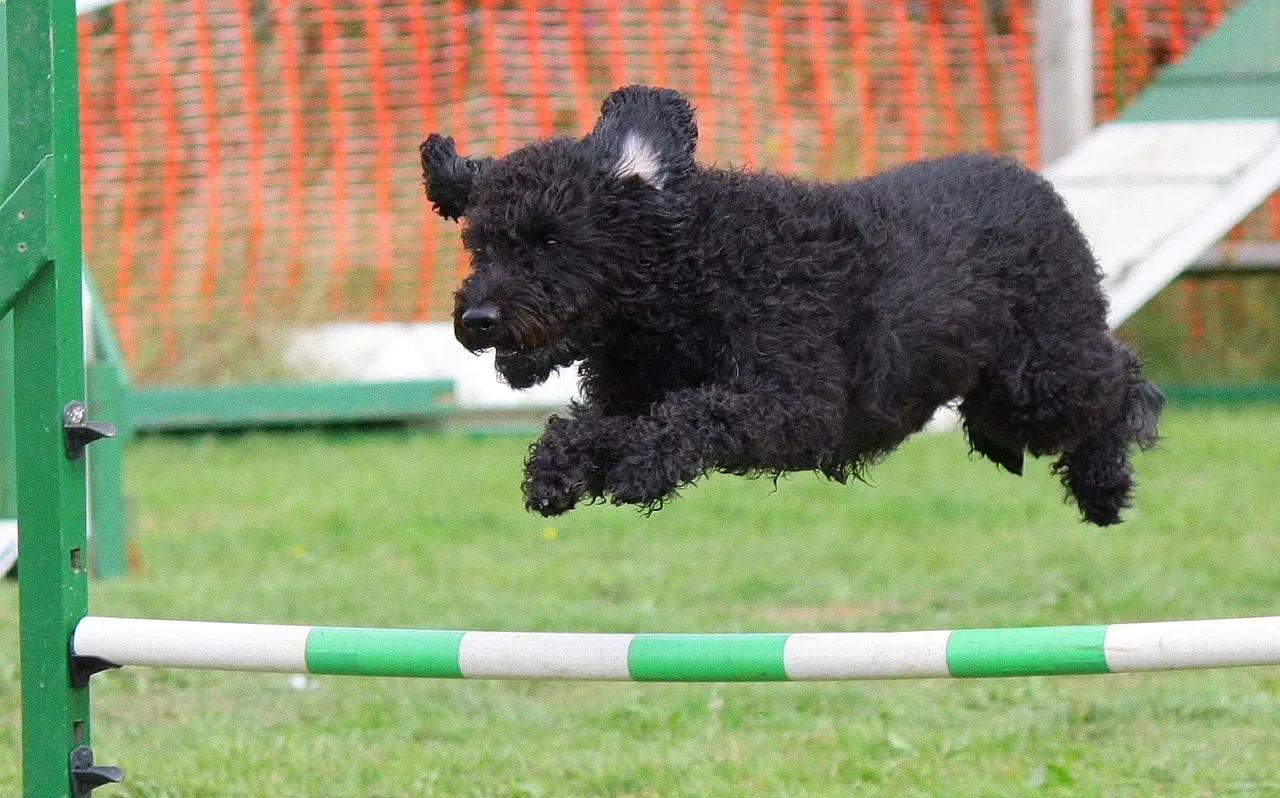
Agility can be a mentally and physically stimulating brain game for your dog, and you can easily make an obstacle course out of common household objects that are safe for dogs. Set up dining room chairs for weaving, lay a broomstick across two boxes for jumping, or create a tunnel using blankets draped over furniture. The possibilities are endless and require zero special equipment.
The mental component comes from your dog having to follow your cues, remember sequences, and figure out how to navigate each obstacle. Your dog will be following your cues to get through the course, but they’ll be having so much fun that they won’t even realize you’re training them! Start simple and gradually increase complexity as their confidence grows.
True happiness during obstacle courses shows up as playful energy combined with focus. A happy dog is more likely to want to play and leap around, and play “bows” are a great sign your dog is in the mood. You’ll see those classic play bows, that bouncy stride, and maybe even some joyful barking as they master each challenge.
The Shell Game: Testing Focus and Memory
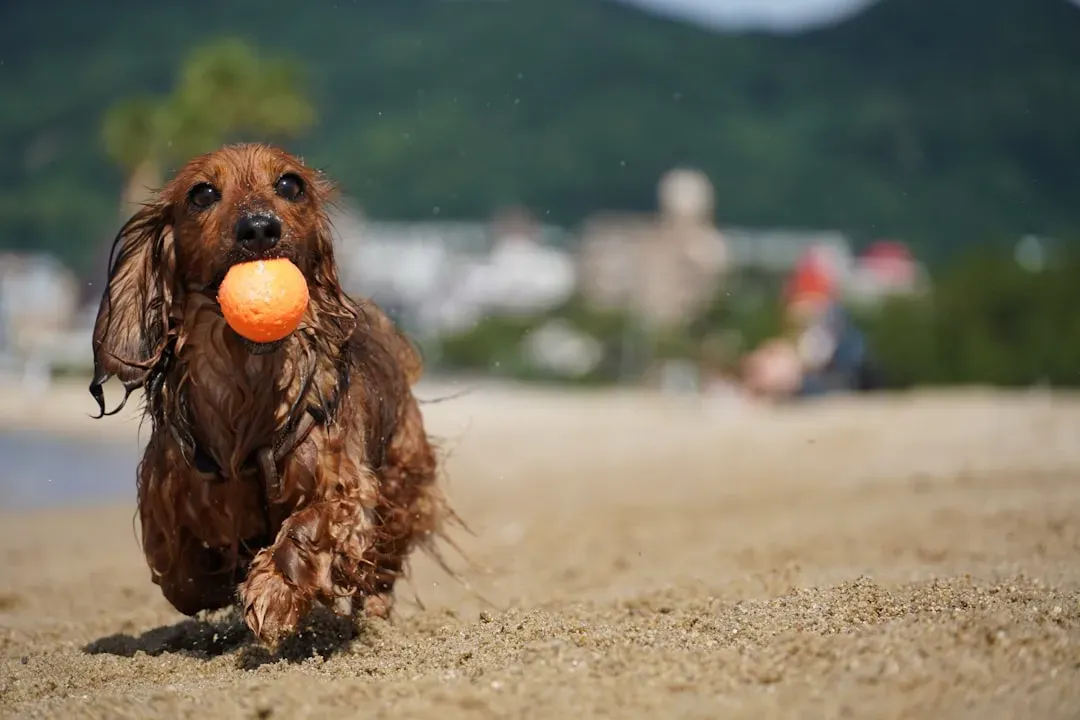
This classic game puts your dog’s concentration and memory to the test in the best possible way. Also known as “the shell game,” this fun dog brain game puts your dog’s concentration to the test, and all you need are three cups and either a treat or play toy. Place a treat under one cup, then slowly shuffle the cups around while your dog watches.
Encourage them to indicate which cup hides the treat using their paw or nose. When they guess correctly, they get the reward! Start with slow, simple movements and gradually increase the difficulty as they improve. This game exercises memory, impulse control, and problem solving all at once.
The happiness here is in the engagement. When a dog is happy, their eyes and eyelids will be open and relaxed, their gaze will be soft, and they will blink often. Watch for soft eyes, forward ears, and that adorable head tilt as they try to track the treat. Mental work also reduces anxiety, boosts focus, and builds a stronger bond with you, as training and play that challenge your dog’s brain don’t just make them smarter but also more relaxed and better behaved.
Recognizing the Deeper Signs of Happiness
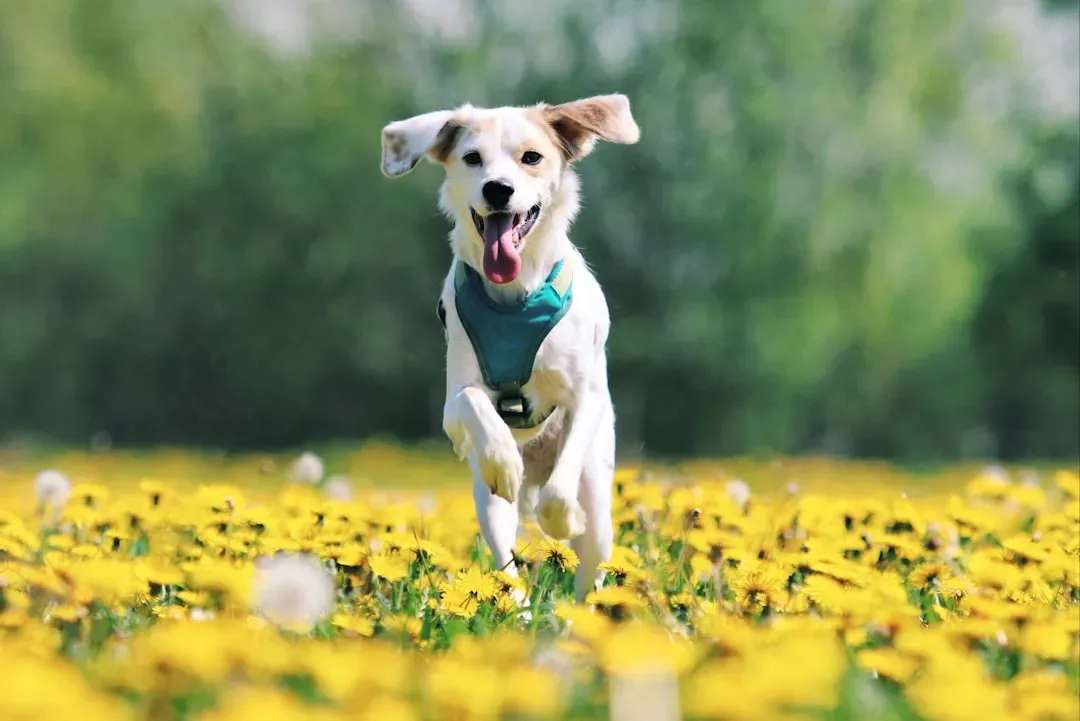
So you’ve started incorporating these games into your daily routine. How do you know they’re actually working? True happiness in dogs reveals itself in ways that go beyond the obvious tail wag. Healthy, happy adult dogs usually sleep for up to 16 hours a day, and if your dog isn’t sleeping that much, it could be a sign of stress or illness. A dog getting quality mental stimulation will sleep deeply and peacefully.
Happy dogs are unlikely to destroy your home or act “naughty,” as excessive chewing or destructive behavior, particularly in an adult dog, could be a sign of stress or boredom. You’ll notice fewer unwanted behaviors when your dog’s mind is properly engaged. They’re not tearing up the couch because they’re satisfied and fulfilled.
Pay attention to appetite too. A happy dog has a good appetite and will eagerly chow down at mealtime, as dogs feel better and are less grouchy when their belly is full. Consistent eating habits paired with enthusiastic responses to these brain games tell you you’re on the right track. Perhaps most telling is the way your dog seeks you out. A friendly dog who is feeling happy will likely seek out some affection from you at some point, in the form of leaning against you, lying beside you, or asking for pets.
The journey to a truly happy dog isn’t about doing more, it’s about doing what matters. Aim for at least 15–30 minutes of dog mental stimulation daily, adjusting based on your dog’s age and interest. These six games offer variety, challenge, and most importantly, they honor what your dog’s brain was designed to do. A mentally stimulated dog is calmer, more confident, and genuinely content. So what do you think? Ready to transform your daily routine and discover just how brilliant your best friend really is?


